Equine
Meeting the Nutritional Needs of Older Horses
As horses age, their nutritional needs change significantly, necessitating careful adjustments in diet and management to maintain their health and quality of life. Older horses, often categorized as seniors around the age of 20, may face a variety of age-related challenges, including decreased digestive efficiency, dental issues, and metabolic disorders, all of which require tailored nutritional strategies.
Challenges and Considerations for Senior Horses
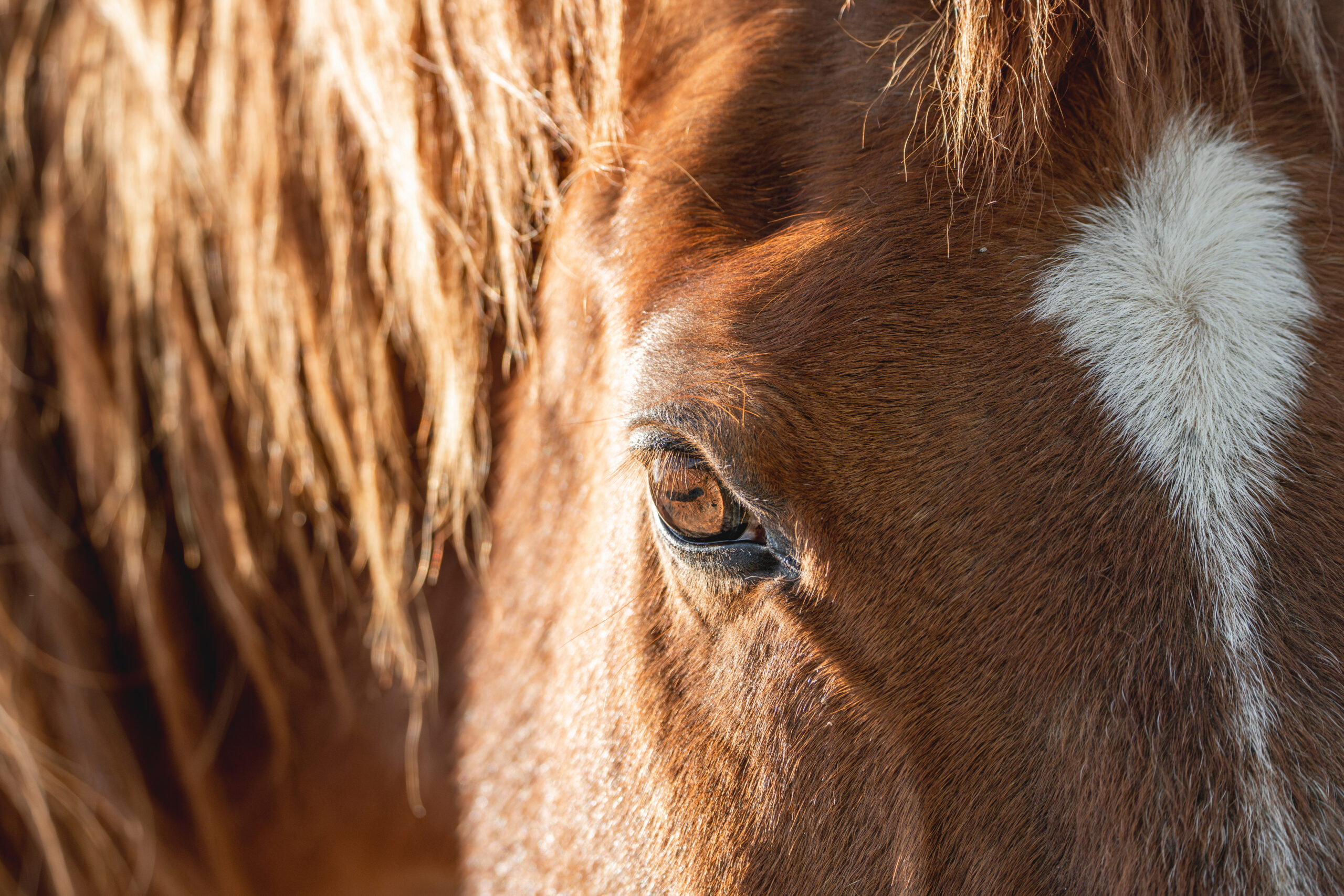
One of the primary challenges in feeding older horses is their reduced ability to digest and absorb nutrients. As horses age, their digestive systems become less efficient at processing essential nutrients like proteins, vitamins, and minerals. This decline can lead to conditions such as muscle loss, weight loss, and decreased immunity, making it crucial to adjust their diets to meet these changing needs.
Dental health is another significant concern. Many senior horses experience dental issues, such as worn or missing teeth, which can impede their ability to chew and digest forage effectively. For these horses, switching to a senior complete feed—formulated to be highly digestible and to meet all of the horse’s nutritional needs—can be beneficial. These feeds are designed to replace forage entirely when necessary, ensuring that even horses with severe dental problems can still receive a balanced diet.
Management Strategies
In addition to dietary changes, proper management practices are essential for the well-being of senior horses. Regular veterinary check-ups are critical to monitor their health and detect any early signs of age-related diseases. Common conditions like Cushing’s disease and metabolic syndrome can have a significant impact on a horse’s nutritional requirements. For example, horses with metabolic disorders may need a diet low in sugars and starches to prevent spikes in blood glucose and insulin levels.
Moreover, older horses often require adjustments in their living conditions to reduce stress. As they age, horses may become more sensitive to changes in their environment, such as temperature fluctuations or alterations in their social groups. Ensuring a stable, comfortable environment with gradual changes can help mitigate stress and maintain their overall health.
Feeding Recommendations
When designing a diet for an older horse, it’s important to consider factors such as body weight, activity level, and specific health conditions. Senior horses typically require a diet rich in easily digestible fiber, with added fats and proteins to compensate for their decreased digestive efficiency. Probiotics and prebiotics can also play a role in supporting gut health and improving nutrient absorption.
It’s essential to avoid feeding dusty or moldy hay, as older horses are more susceptible to respiratory issues and gastrointestinal problems. Soaking hay before feeding can help reduce dust and make it easier to chew for horses with dental issues. Additionally, complete feeds that incorporate all necessary nutrients can be an excellent option for horses that can no longer consume enough forage.
Caring for an older horse requires a holistic approach that combines tailored nutrition, careful management, and regular veterinary care. By understanding and addressing the unique needs of senior horses, owners can help their equine companions age gracefully and maintain a good quality of life. Every horse is an individual, so working closely with a veterinarian or equine nutritionist to develop a personalized care plan is essential for ensuring their long-term health.
For more detailed information on managing the nutritional needs of older horses, you can refer to resources such as OSU Extension, The Horse, Florida IFAS, and The Open Sanctuary Project.
This article originally appeared in the September 2024 issue of Oklahoma Farm & Ranch.