Country Lifestyle
Farm Dogs & Table Scraps
What’s Safe and What’s Not?
Growing up on a farm, our dogs were tough. They roamed the pastures, slept under the barn, and ate just about anything they could get their paws on—whether we meant for them to or not. I’ll admit, I never thought twice when one of our old cow dogs snatched a biscuit off the table or licked up a spill from the barn floor. I’ve even seen a dog steal a whole rib bone off a plate and trot off like he’d won the lottery. And somehow, they always seemed fine.
But here’s the thing—just because they survived doesn’t mean it was safe. For every farm dog that lucked out, there’s another that wasn’t so fortunate. Some human foods can be downright toxic to dogs, and a little bit of bad luck (or a smaller, more sensitive dog) can turn a harmless snack into an emergency.
Common toxic foods lying around the farmhouse
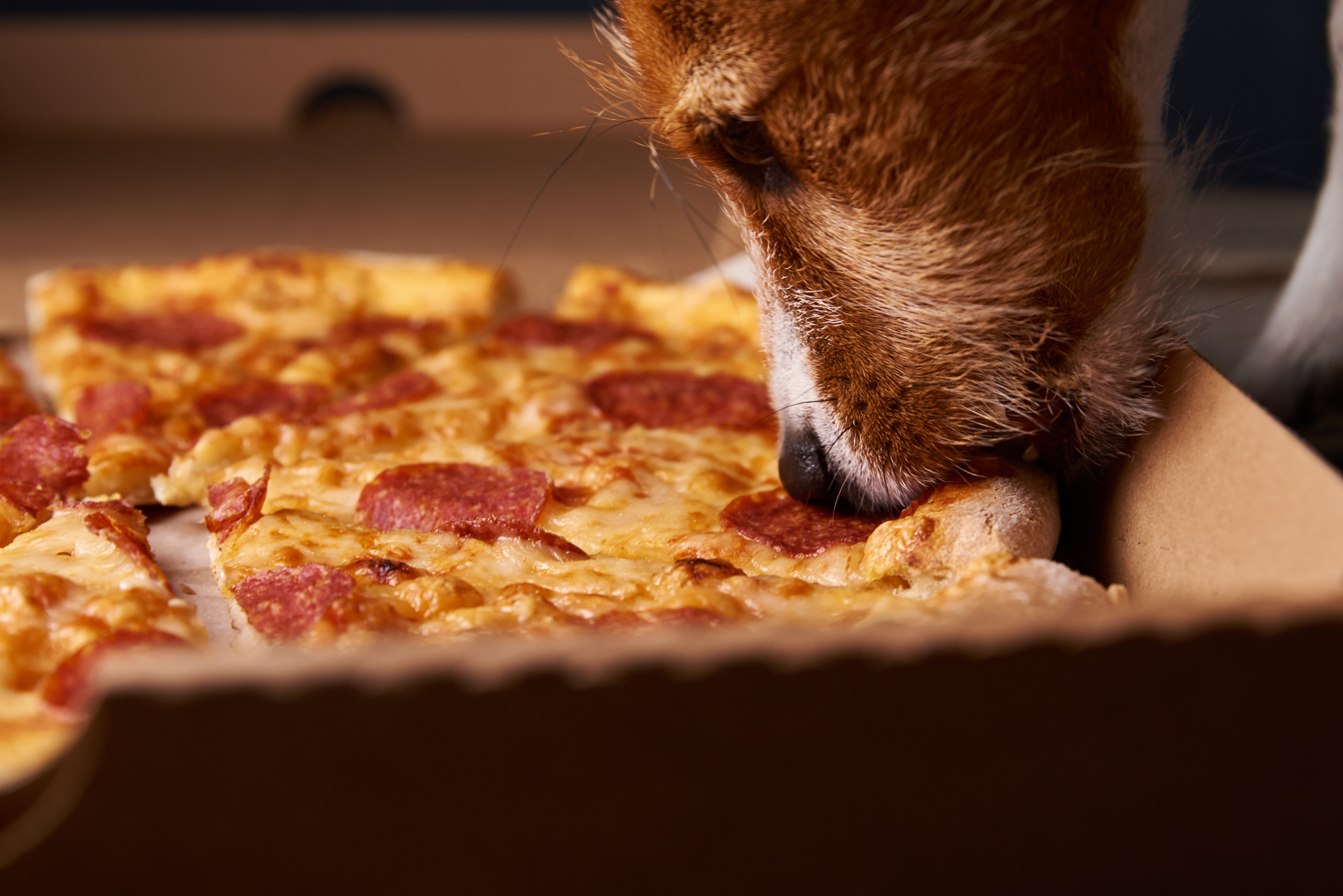
If you’ve got a farm dog—or any dog, really—you need to be aware of the dangers lurking in everyday foods. Some of the biggest culprits include:
Chocolate – The darker it is, the worse it is. Even a little can cause vomiting, seizures, or worse.
Grapes & Raisins – No one’s exactly sure why, but they can cause kidney failure fast.
Onions & Garlic – In large enough amounts, these can destroy red blood cells, leading to anemia.
Xylitol (Found in Sugar-Free Gum & Candy) – This artificial sweetener can send a dog’s blood sugar crashing and cause liver failure.
Alcohol – Even small amounts can be deadly to dogs, affecting their nervous system much more than it does ours.
Bones from Cooked Meat – While not necessarily toxic, they can splinter and cause serious internal injuries.
Macadamia Nuts – These can lead to weakness, vomiting, and even paralysis in dogs.
What to do if your dog eats something toxic
First, don’t panic—but don’t ignore it either. If you know your dog ate something dangerous, call your vet immediately. They can tell you whether to induce vomiting or if it’s something that requires urgent care. If it’s after hours, contact the ASPCA Animal Poison Control Center (888-426-4435) or the Pet Poison Helpline (855-764-7661).
Prevention is always the best medicine, so keep toxic foods out of reach. That might mean keeping the trash can secured, making sure kids don’t slip the dog a treat under the table, or just being more mindful of what’s left on the counter.
Our farm dogs might have been lucky, but luck isn’t a great strategy when it comes to their health. A little awareness goes a long way in making sure they stay happy, healthy, and ready for the next day’s work.
For more information
ASPCA Animal Poison Control: www.aspca.org/pet-care/animal-poison-control
Pet Poison Helpline: www.petpoisonhelpline.com
Visit www.akc.org/expert-advice/nutrition/foods-your-dog-should-never-eat