
Country Lifestyle
Remembering Tony Mol


A person’s true character is defined not by their words but by their actions.
As the sun rose on December 10, 2019 it seemed as if the gray clouds in the sky were the sign of broken hearts. As the small close-knit community of Hydro, Oklahoma began waking up, the news of the loss of one of its own was spreading like a summer wildfire. Tony Mol, one of Hydro’s own, had been called home while doing what he loved, hunting. While waiting in his deer stand early that morning Tony began to have trouble breathing. He texted one of his best friends, Scott Harvey and told him he needed help. Scott immediately headed to where Tony was hunting and called 911.
Although Scott and the EMS did everything they could, the Good Lord had other plans. Earlier that morning before the clouds moved it was one of the most beautiful blazing red and orange sunrises preceded the clouds and cold wind. Facebook lit up with pictures from early risers using their cell phones to capture the beauty. Little did those people know the pictures would be a tribute to a man who loved capturing and posting early morning sunrises.
Tony was one of a kind. He was so full of life and I often said he had enough character in him for 10 people. Tony was a prankster deluxe and his laughter was contagious. One of the best pranks I heard about, was when he was in high school and he rewired one of his classmate’s car. Every time she would push on the brakes her horn would honk. In my mind I can hear Tony’s big belly laugh and see the signature back of the hand eye wipe as he wiped the tears of laughter from his eyes.
Tony was not only known for his pranks he was also known for his big heart, kind soul and work ethic. Tony would go out of his way to help a friend or a complete stranger. Hydro was his town and he was always willing to go the extra mile in order to the help the community. During a fundraiser one year he even let the local barber shave his head all the while grinning from ear to ear. I have heard stories of Tony driving through a blizzard to deliver food to some of the snowed in older folks of the community and offering advice to young parents that “sometimes you just have to let those kids make their own mistakes”.
While Tony loved his community, his true loves were his wife Celia and their family. Tony and Celia were partners. Together they raised their twin boys, cattle and crops on the same land and in the same house Tony grew up in. Tony and Celia also had a lawn business. Bee-Green. Side by side they worked and side by side they played. Tony loved spending time with his beautiful wife Celia, his sons Dusty and Clay, daughter in-laws Sarah and Ellen along with his three grandchildren, Emerson, Ethan and Jentry.
Tony’s life was an open book. His Facebook page shared his adventures, his mishaps, pictures of his dogs, funny sayings and most of all just how proud he was of his family. At least once a week I would get a private message from Tony. It didn’t take me long to learn not to open it in public as you just never knew what would happen when you opened it! I miss those messages, I miss the pictures of the sunrises and sunsets but most of all I miss the funny guy with the big grin and gut-wrenching laughter. I know we are not supposed to question God’s timing and plans but I can’t help but wonder why Tony had to leave so soon. Two thing I do know for certain the world was a much better place with Tony in it and that it sure ain’t quiet up in heaven now that Tony is home!”
Until next time………
Read more in the February 2020 issue of Oklahoma Farm & Ranch.
By Sheri Glazier | Dirt Road Dietitian | DirtRoadDietitian.com
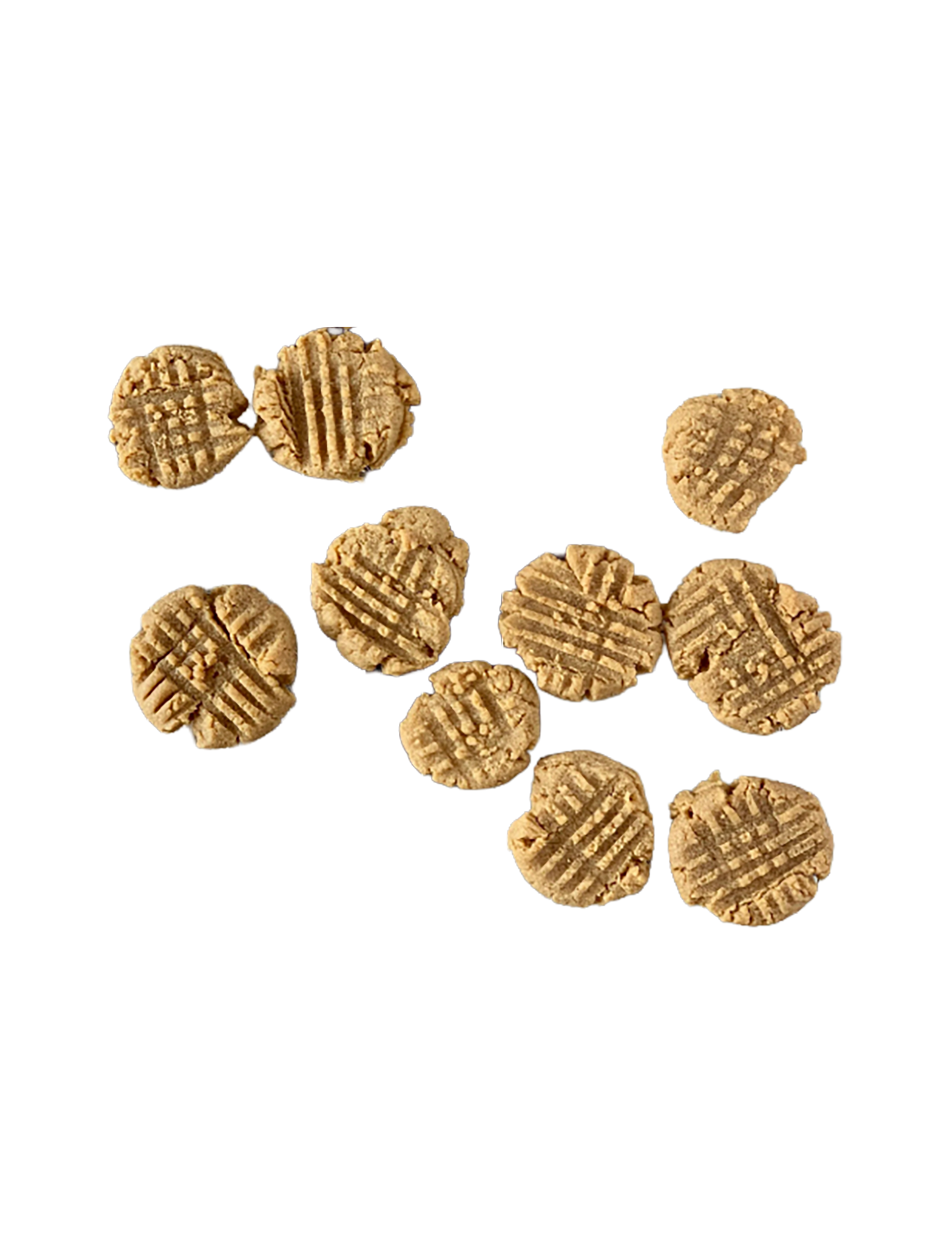
Check your pantry for peanut butter, sugar and eggs, and get to baking!
Ingredients
- 1 cup white sugar
- 1 cup peanut butter
- 1 egg
Instructions
- Preheat the oven to 350 degrees F.
- Mix all the ingredients together by hand or with a mixer.
- Once the dough comes together, form it into uniform balls and place them on a cookie sheet, lined with parchment paper if you have it.
- Gently press each ball down with a fork, making a crisscross pattern.
- Bake for 7 to 9 minutes.
Notes
These cookies have a softer, doughier texture, but they’re equally yummy in their own way. If you bake them too long, they’ll turn crumbly, but they’ll still disappear!
By NTFR Staff
Long before insulated tumblers became a fashion accessory, a vacuum bottle rode beside the lunch pail. It went to construction sites, schoolhouses, hunting camps and tractor cabs. On farms and ranches, it carried coffee through a cold morning and cold water through a hot afternoon.
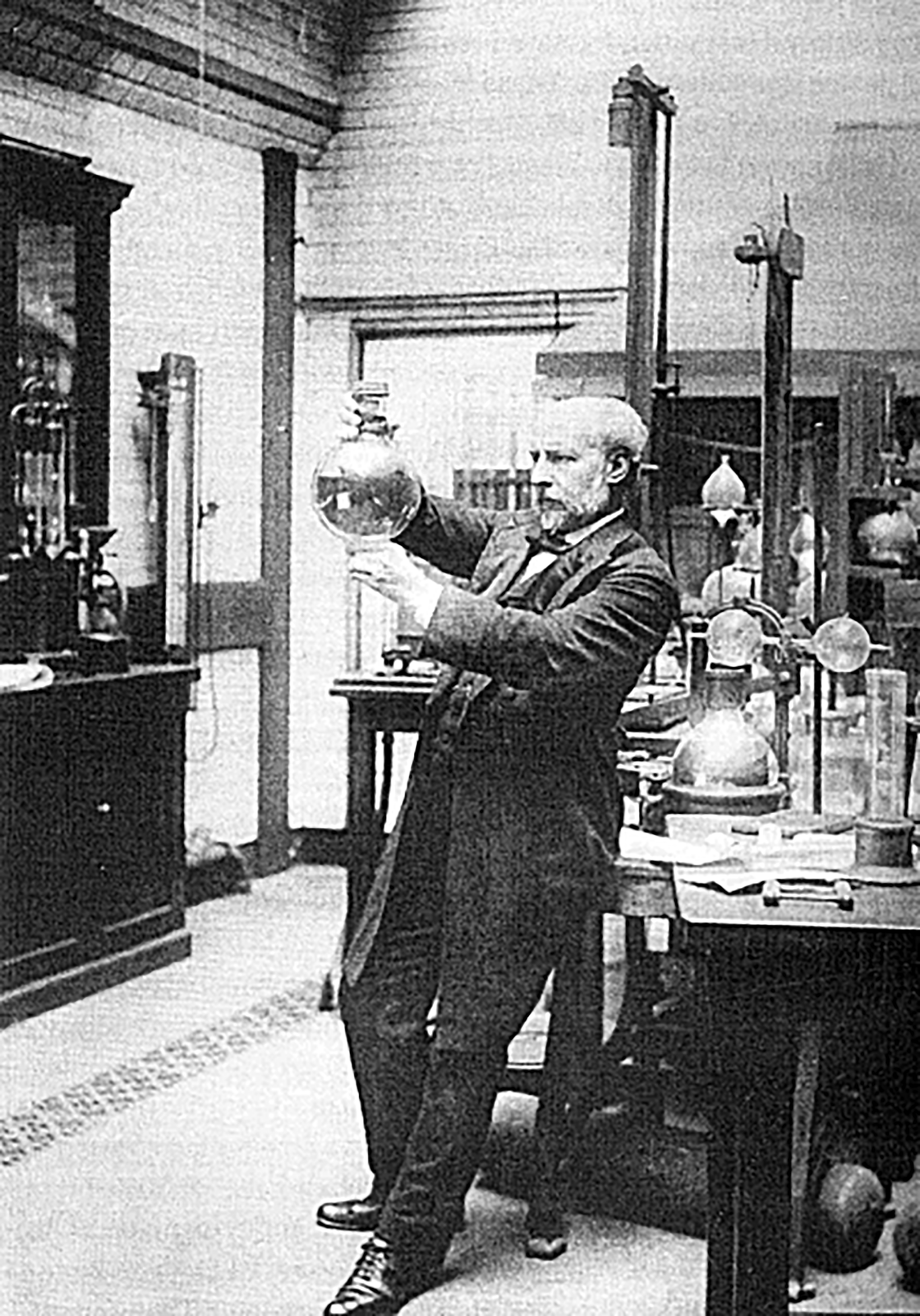
The idea began in a laboratory. Scottish scientist Sir James Dewar developed the vacuum flask in 1892 while working with very cold substances. His design placed one container inside another and removed much of the air between the walls. With less air to carry heat, the contents changed temperature much more slowly.
German glassblower Reinhold Burger and his business partner Albert Aschenbrenner adapted the scientific flask for household use and protected the fragile inner bottle with a metal case. In 1904, a naming contest produced “Thermos,” from the Greek word for heat.
The American Thermos Bottle Company formed in 1907, and the product found an audience far beyond laboratories. Early advertisements emphasized travel, work and the outdoors. The screw-on cap doubled as a drinking cup, and the bottle became a natural companion to the metal lunch box.
During World War II, Thermos factories devoted most of their production to bottles for military and specialized uses. By the middle of the century, the vacuum bottle had become an ordinary part of American work life. In 1966, the company introduced its first stainless steel vacuum bottle, moving the design away from fragile glass liners.
The word “thermos” became so common that people started using it for almost any insulated bottle. The company has spent decades trying to preserve the distinction.
Part of the workday
For rural America, the Thermos was always more than a clever piece of physics. It was part of the workday. If the pickup was going to be miles from the house until dark, lunch and coffee had to go with it.
The vacuum bottle arrived just as transportation was changing for farm families. People traveled farther to school and work, and trucks and tractors kept workers away from the farmhouse for longer stretches. Carrying a hot drink safely became a small convenience with real value.
Early glass liners worked well but broke easily. Anyone who remembers an old bottle remembers the unmistakable rattle of a broken liner. Stainless steel eventually made insulated bottles tougher and better suited to pickup floors, saddlebags and job sites.
The image was powerful enough that the vacuum bottle became part of the standard lunch kit. Children carried character lunch boxes with matching bottles. Railroad workers, oilfield crews and ranch hands carried larger versions built for long days away from a kitchen.
The physics
The physics is simple. Heat normally moves by conduction, convection and radiation. A vacuum between the inner and outer walls sharply cuts conduction and convection, because very few molecules remain to carry heat across the gap. Reflective surfaces and insulated lids help reduce the rest of the transfer.
That scientific origin makes the ordinary work bottle more interesting. A device invented to solve a laboratory problem ended up beside sandwiches wrapped in wax paper and coffee poured before daylight.
Technology has changed the container, but people carry one for the same reason. Today’s bottles may use stainless steel, better seals and new shapes, but the basic idea is still recognizably Dewar’s 19th-century laboratory flask.
The category has exploded into mugs, tumblers, food jars and giant handled cups, but the old pint bottle still makes sense. It is compact, refillable and designed around one problem: keeping the temperature inside from becoming the temperature outside.
By NTFR Staff
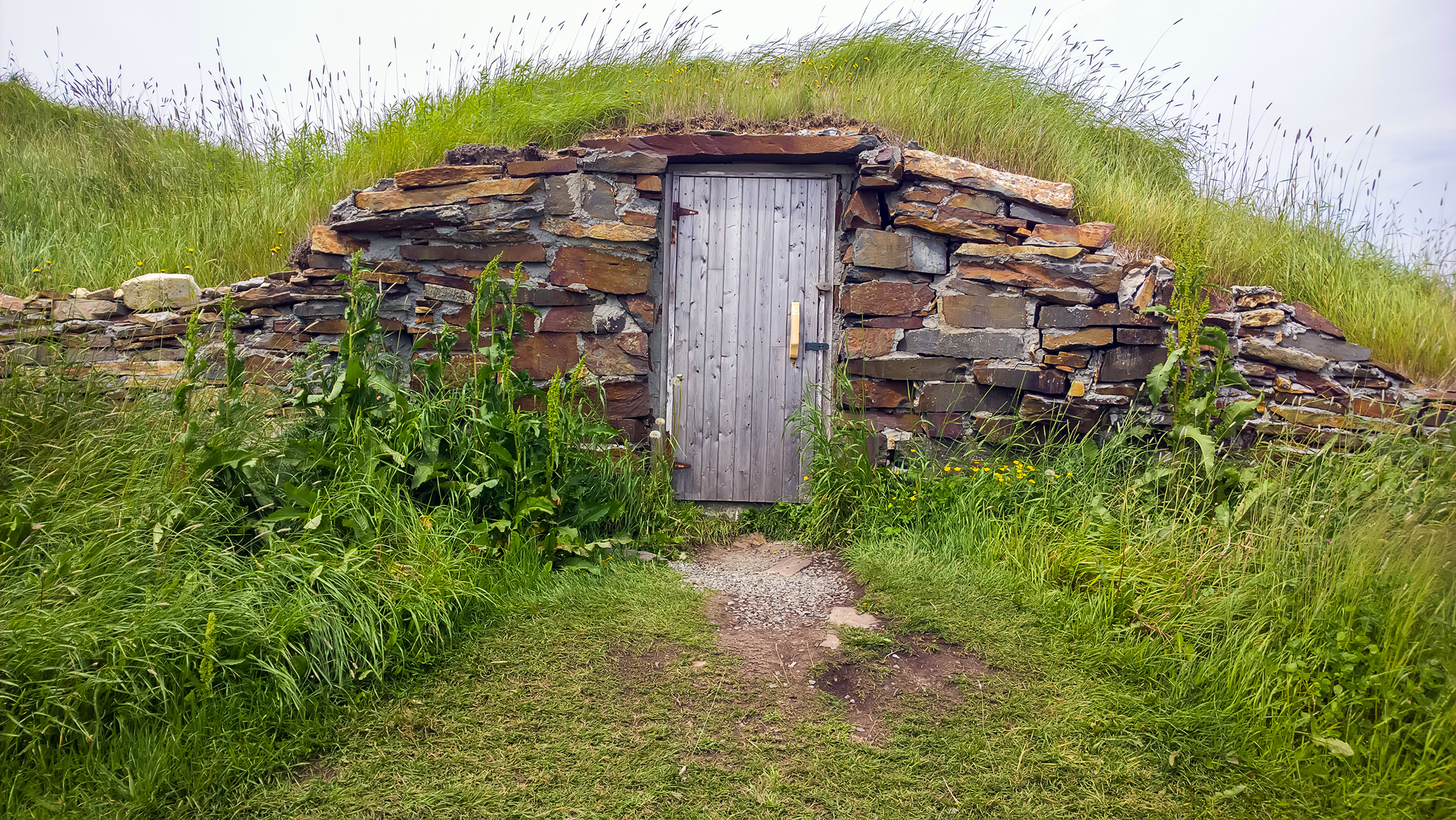
On older farmsteads, a low door in a bank or a small mound near the house can be the last clue that a family once stored much of its food underground. Before electric refrigeration, the root cellar was one of the most dependable ways to keep a harvest usable through winter.
The idea was simple. Soil changes temperature much more slowly than air. A room built partly or completely below ground stayed cooler through summer and was protected from the deepest winter cold. Families could keep root vegetables, apples, canned goods and other foods there under conditions that were hard to maintain inside a heated house.
Root cellars took many forms. Some were dug into hillsides. Others were pits lined with stone, brick or timber and covered with earth. One farm might have a cellar beneath the house, while another family built a separate structure near the garden. In tornado country, the same underground space could double as a storm shelter.
Cold, damp and ventilated
Good storage took more than cold. Humidity and ventilation mattered. Many root crops keep best in cold, moist conditions. Modern Extension guidance still lists roughly 32 to 40 degrees Fahrenheit with high relative humidity as good storage conditions for many vegetables. Moving air helps carry off the heat and gases stored produce gives off, because harvested vegetables stay biologically active after they are picked.
Different foods wanted different conditions. Onions and garlic prefer drier storage. Potatoes, carrots and many other root crops tolerate or prefer more moisture. Apples release ethylene and strong odors, so families often kept them apart from other produce when they could.
The best cellars used outside air strategically. Low intake vents and higher exhaust vents encouraged natural circulation, bringing in cold night air in the fall and releasing warmer air. In very cold climates, families had to manage the vents so produce didn’t freeze. The cellar needed attention, just less energy than mechanical refrigeration.
Rodents were constant competition. Doors had to fit well, vents needed screening, and bins had to be built so the family could find and remove spoiled produce. One rotten apple really could cause trouble nearby, because decay organisms and ethylene can speed up losses.
A cellar also forced families to check their food regularly. Potatoes sprouted, apples bruised and canned jars could fail. Good storage meant sorting produce and using it before spoilage spread. Nobody could forget food in the cellar until spring.
That routine explains why root cellars often sat close to the kitchen or garden rather than at the far edge of a property. Convenience mattered when somebody made the trip every day for potatoes, carrots, apples or canned goods. Food storage was part of the farmstead’s design, and an old root cellar shows how closely the farm household once followed the harvest calendar.
What changed
So what happened to the root cellar? Rural electrification and household refrigeration changed the equation. By the mid-20th century, refrigerators and freezers gave families more precise, convenient food storage inside the house. Grocery stores, better roads and year-round distribution reduced the need to keep an entire winter’s supply of produce at home.
Electricity didn’t erase the old storage methods overnight. Rural electrification spread gradually, and many households used root cellars alongside iceboxes, pressure canners and eventually refrigerators. As freezers got larger and grocery access improved, carrying food in and out of an underground room made less sense.
Many cellars became storm shelters or storage rooms, and others were simply abandoned. Today, interest in gardening, homesteading and low-energy food storage has brought the idea back in a small way. A modern root cellar can still work, but it needs the same things the old ones did: drainage, ventilation, rodent control and temperature management.
In North Texas, heat adds a challenge for anyone trying to revive the idea. A cellar must be deep and well insulated enough to keep from becoming a warm underground closet. Drainage matters just as much during heavy rain. The historic design principles still apply, but modern builders need to account for local soil, groundwater and building codes.





-
 Country Lifestyle2 years ago
July 2017 Profile: J.W. Hart
-
 Farm & Ranch2 years ago
From Plow to Plentiful: The Most Important Inventions in Agricultural History
-
 Attractions9 years ago
48 Hours in Atoka Remembered
-
 Outdoors9 years ago
Grazing Oklahoma: Honey Locust
-
 Equine9 years ago
Umbilical Hernia
-
 Country Lifestyle5 years ago
The Two Sides of Colten Jesse
-
 Farm & Ranch8 years ago
Hackberry (Celtis spp.)
-
 Attractions4 months ago
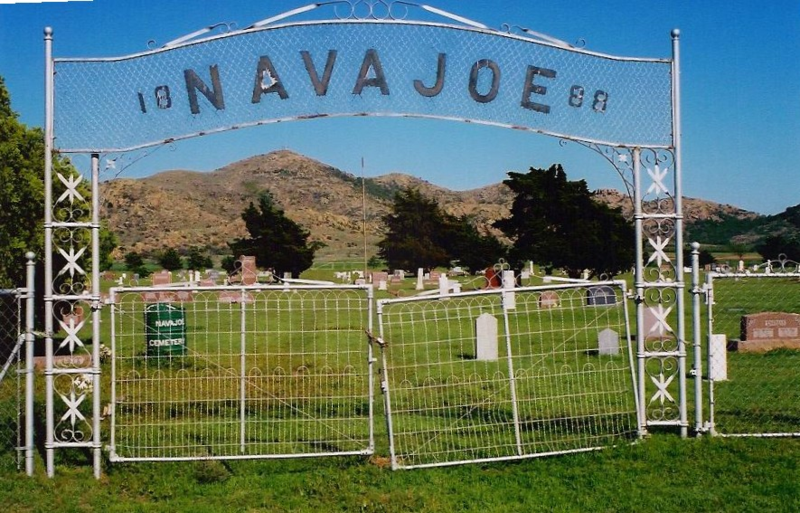
Oklahoma Ghost Towns – Navajoe