
Outdoors
Summer Management Affects Waterfowl Habitat


It’s hard to imagine cold mornings in the duck blind during the heat of the summer, but duck hunting success on those cold mornings might depend on what is done during the summer. Some of the best duck hunting is a result of abundant food, and the most important foods are primarily aquatic plants. Since most aquatic plants grow during the summer, management for those plants should be done at that time. There are a few options when managing for aquatic plants. One option is to manipulate water levels to manage plant communities. Another option is to passively work with what nature provides. Both methods have their positives and negatives.
If water levels can be manipulated, emerged and shoreline plant communities can be more productive for waterfowl. Timing of water level drawdowns can encourage different plant communities. For instance, an early drawdown in the first 45 days of the growing season usually encourages smartweeds. However, a later drawdown in the growing season usually encourages millets and other grasses. If possible, the best option is to draw down only a portion of an area early to encourage certain plants, and then draw down another portion of the area later in the growing season to encourage another plant community to increase plant diversity. The ability to manipulate the water level also allows a manager to control problem species such as cocklebur, which does not tolerate flooding as well as many desirable waterfowl plants.
If desired plant species are not present, they can be planted and managed. Grazing, burning and light disking can also be used to promote desired plant communities in wetland areas. It is not recommended to drain an impoundment in the Southern Great Plains when there is no ability to re-flood it due to unreliability of timely rainfall to refill the impoundment before fall migration.
If water levels cannot be drawn down and raised at will, aquatic vegetation can still be encouraged and managed. Many submerged plants are food for waterfowl, such as southern naiad, coontail and long leaf pondweed, and can be managed in an impoundment with relatively permanent water and somewhat static water level. These plants are also preferred foods of grass carp, so establishment and growth could depend on the presence of this herbivorous fish. These plants can be transplanted into water bodies when not present, but be careful to not introduce any unwanted plant species. During summer, there is usually a natural drawdown due to evaporation, which exposes the shoreline. Emerged and shoreline plants, such as smartweeds, sedges and others, germinate in the moist soil along the shoreline, and some tolerate flooding if the water level rises. These plants may be present and grow naturally, but seeding or transplanting may be necessary. Japanese millet is a popular plant to broadcast onto moist soil and takes about 60 to 90 days to mature. However, it is difficult to establish such plants when cattle are allowed free access to an impoundment. This type of management usually requires little work but may not attract as many waterfowl as more active management.
Active management of plant communities may attract more waterfowl, but it requires more labor and infrastructure than working with submerged aquatic vegetation and natural drawdown during summer. When managing for waterfowl, aquatic vegetation is one of the most important things to have to attract waterfowl to an impoundment.
Read more in the July issue of Oklahoma Farm & Ranch.
By Ann Asher
For years, fall garden advice read like a cleanup list: cut everything down, rake every leaf, haul off the stems and leave the beds tidy for winter. A neater yard may please people, but it can remove exactly what birds and beneficial insects need.
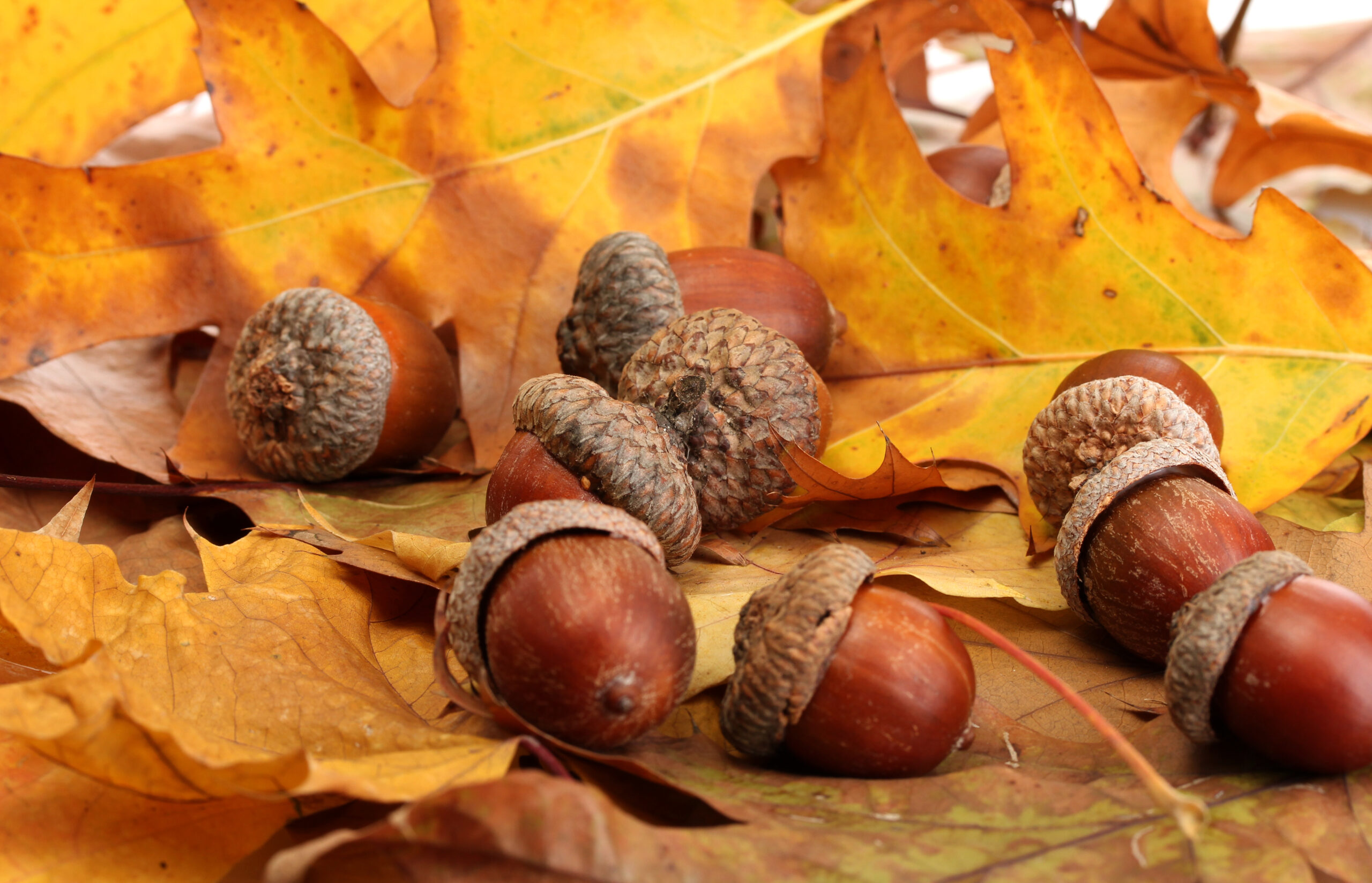
Standing seed heads are winter food. Coneflowers, sunflowers, native grasses and other plants hold seeds that finches, sparrows, quail and other birds can eat long after flowering ends. Hollow or pithy stems can also give native bees and other insects places to spend the winter.
Native bees are one of the strongest arguments for waiting. Many species don’t live in hives. Solitary stem-nesting bees use hollow or pithy stems, while ground-nesting bees depend on undisturbed soil. Cutting every stalk to the ground and hauling it away can remove next year’s pollinators before spring arrives.
Leaf litter matters just as much. Under a layer of leaves are insect eggs, pupae, spiders and other invertebrates that become food for birds. Some butterflies and moths spend part of winter tucked into leaf litter or attached to dead vegetation. Toads and other small animals also use the insulating layer.
Birds use dead vegetation for more than seed. Dense stems break the wind and provide cover from predators. A yard with several layers of vegetation offers far more options than a flat lawn bordered by bare mulch.
Dead wood has value, too. A standing dead tree, or snag, can provide nesting and feeding habitat for woodpeckers and other cavity users. Have a qualified professional remove or reduce any hazardous tree near houses, roads, fences or utility lines, though.
Clean up selectively
None of this means you should abandon your yard until spring. Still remove diseased plant material. Vegetable gardens often benefit from a cleanup that reduces pest and disease carryover. And don’t let thick mats of leaves smother turfgrass. Aim for selective cleanup rather than stripping every bed bare.
One approach is to move leaves off the lawn and into flower beds, around shrubs or into a compost pile. Leave healthy perennial stems standing through winter, especially in less formal areas. Brush piles can provide additional cover if local fire and property rules allow them.
If you worry a less tidy garden will look neglected, design can help. Keep paths and lawn edges crisp while letting the interior of beds stand. Move leaves into defined planting areas instead of leaving them across sidewalks and turf. Habitat doesn’t require making the whole property look abandoned.
You can also clean in stages. Remove diseased vegetables and obvious problem material in fall, leave ornamental and native stems through winter, then do the big cutback after several warm spring days, once insects have had a chance to emerge. Cutting hollow stems too early can destroy insects still developing inside. If you want a tidy look sooner, cut the stems and stack them loosely in an out-of-the-way spot for a few more weeks.
A wildlife-friendly yard in winter won’t look like a July garden. Seed heads turn brown. Leaves collect under shrubs. Stems stay standing. What looks dead to us is often still in use, and a landscape can keep working after the flowers are gone.
This fall, the easiest habitat project may be the one you don’t finish.
By Norman Winter | Horticulturist, Author, Speaker
If you’ve read this column the past few years, you know I put great importance on choosing plants for pollinators around the farm or ranch, home or office. When those plants pack untold beauty, even better. This column aims to put one plant on your must-have list for 2027: the Mexican flame vine.
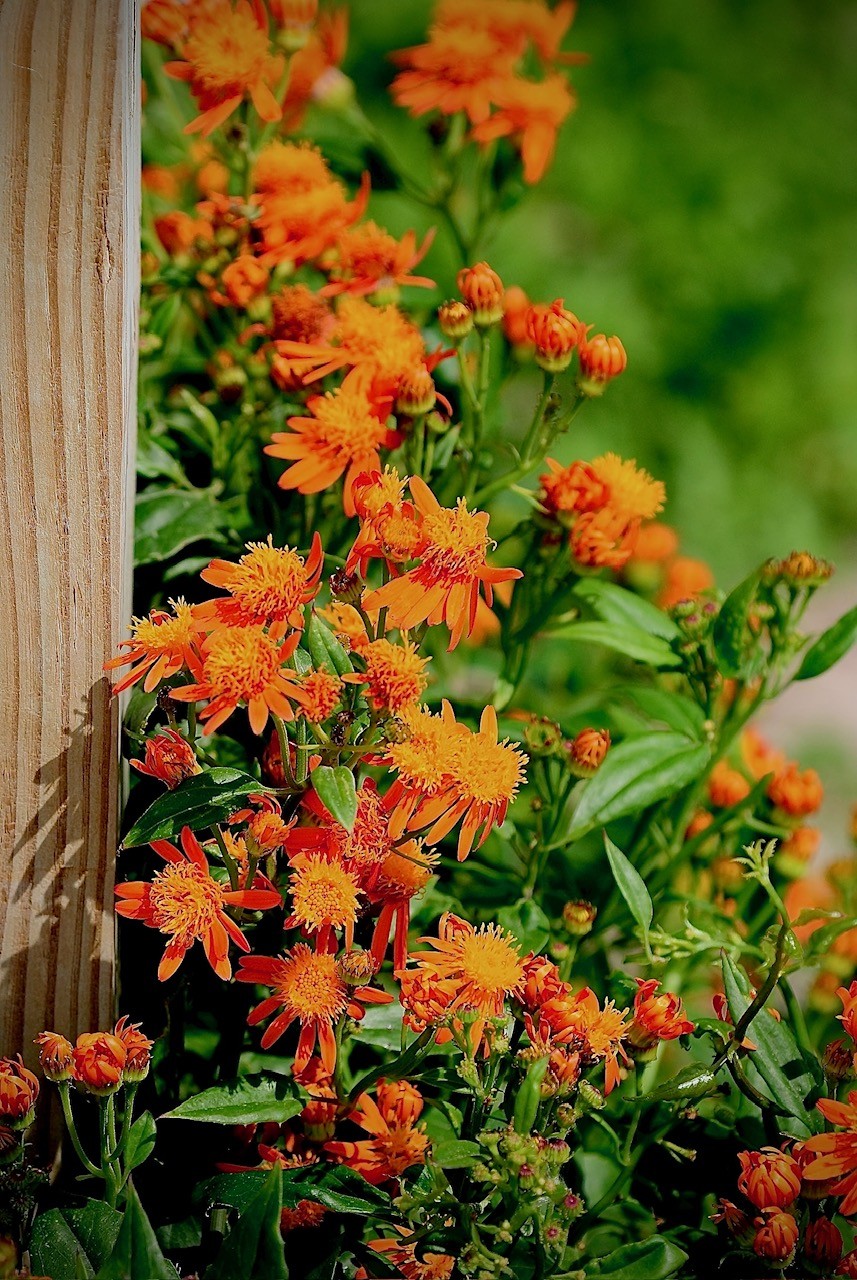
Names like Mexican Flame and Orange Glow tell you right away that this flower is bold and riveting in color. Add a vine that draws hummingbirds and butterflies and blazes fiery orange, and you have an award-winning plant.
To be honest, I think everyone should grow it for its botanical name alone, Pseudogynoxys chenopodioides. Imagine the look on your neighbors’ faces when they ask, “What’s that gorgeous vine you are growing?” and you tell them.
The Mexican flame vine is a woody tropical vine. Most references say it is cold-hardy in zones 9 and higher, but I have seen many return just fine in zone 8. It is worth every penny even as an annual. As the name suggests, the vine is native to Mexico, and it isn’t picky about soil. I’ve grown it in acid soil fit for azaleas and in soils more reminiscent of the desert. It belongs to the aster, or daisy, family, and you’ll quickly notice the resemblance.
I realize we are at the beginning of fall, but if you start sourcing now or talking to your favorite garden center, you’ll be ready for spring. When you get yours, dig a hole about twice as wide as the root ball and plant at the same depth it was growing in the container. Set the vine next to a structure for support, like a trellis, arbor or pergola. You may have the perfect fence post that could use a Mexican flame vine.
It is a compact vine that reaches only about 10 feet tall, and it tolerates drought once established. You’ll need to do a little training to get it climbing. You’ll also like that pests rarely bother it.
The vine reblooms reliably, and if you need to cut it back a little, it will quickly send out new growth and another round of blooms. That blazing orange screams to be planted with complementary blue flowers. My first choice would be blue salvias like Unplugged So Blue or Rockin’ Playin’ the Blues. If you’re bold and want a native, consider the late-summer-blooming hardy ageratum, known botanically as Conoclinium coelestinum.
Once yours is growing, you’ll notice all sorts of butterflies feasting on the rich nectar. Red admirals, fritillaries, monarchs and yellow sulphurs of all sorts will visit regularly.
Vines give the landscape a vertical dimension, much like hanging a mirror or picture on a wall indoors. The Mexican flame vine will be one of the most dazzling additions to your garden. Start sourcing yours now so you’re ready for spring.
Follow me on Facebook @NormanWinterTheGardenGuy for more photos and garden inspiration.
By Savannah Magoteaux
Right now, our ponds are looking a little tired.
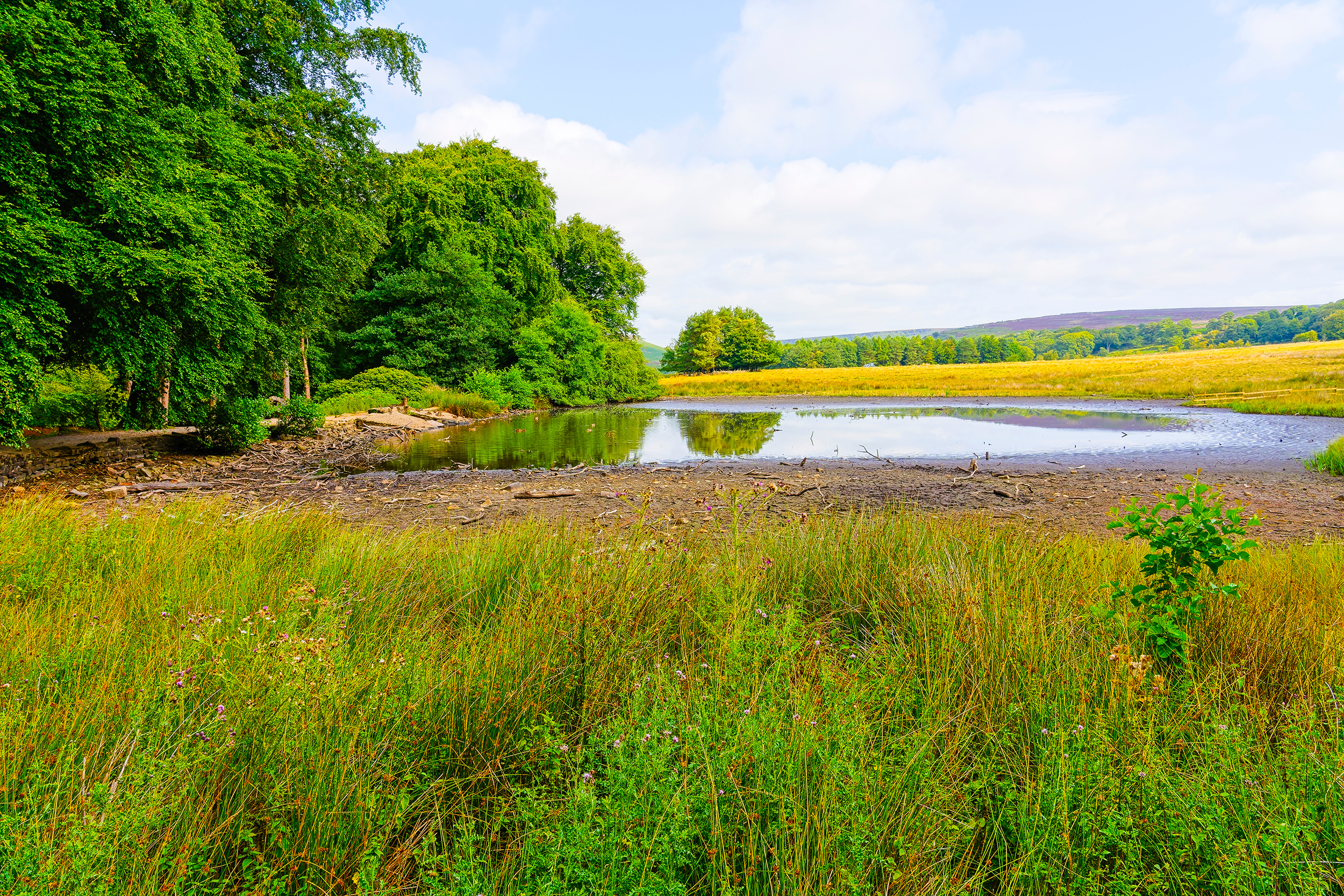
Water levels may be down after weeks of heat and limited rain. Vegetation can be thick around the edges, the water may be warm and murky, and the bass that seemed willing to bite in spring can feel impossible to find.
But don’t give up on the pond just yet.
Late summer can be a hard time for fish. Warm water holds less dissolved oxygen than cool water, and oxygen levels matter even more in ponds with heavy plant or algae growth. In Oklahoma, oxygen depletion is one of the leading causes of pond fish kills.
Those conditions also change where fish spend their time. During the hottest part of the day, bass may slow down and move to more comfortable spots, including deeper water, shade, aquatic vegetation or structure. That makes early morning and evening good times to fish during the last hot weeks of summer.
Pay attention to cover, too. Submerged vegetation, brush, logs and other structure give bluegill and other small fish places to find food and protection, and bass are often nearby. Oklahoma State University Extension notes that some aquatic vegetation benefits a fishing pond, with about 20 percent plant coverage considered ideal.
Then September begins to bring a change.
Cooler nights gradually lower water temperatures, and fish that have been sluggish through the hottest part of summer often become more active. Bass start feeding more aggressively as conditions improve, and baitfish movement can make shallow areas productive again.
That doesn’t mean every cool morning will fill a stringer. Farm ponds are small ecosystems, and each one responds differently depending on depth, water clarity, vegetation, fish populations and rainfall.
Watch the pond itself during this transition. Fall can bring pond turnover, when the layers of water that formed during warm weather mix. If the deeper water holds little oxygen, that mixing can temporarily lower oxygen throughout the pond. Fish gulping at the surface, especially early in the morning, can signal an oxygen problem.
For most anglers, though, September has less to do with worrying over every change in the water and more to do with recognizing that the pond is entering a new season.
Fish earlier and later in the day while temperatures stay high. Work around vegetation and structure. As cooler weather settles in, try shallower water again and watch for signs of baitfish.
That farm pond that seemed nearly lifeless on an August afternoon may have plenty going on beneath the surface. Sometimes all it takes is a cooler morning, a little patience and one more cast.





-
 Country Lifestyle2 years ago
July 2017 Profile: J.W. Hart
-
 Farm & Ranch2 years ago
From Plow to Plentiful: The Most Important Inventions in Agricultural History
-
 Attractions9 years ago
48 Hours in Atoka Remembered
-
 Outdoors9 years ago
Grazing Oklahoma: Honey Locust
-
 Equine9 years ago
Umbilical Hernia
-
 Country Lifestyle5 years ago
The Two Sides of Colten Jesse
-
 Farm & Ranch8 years ago
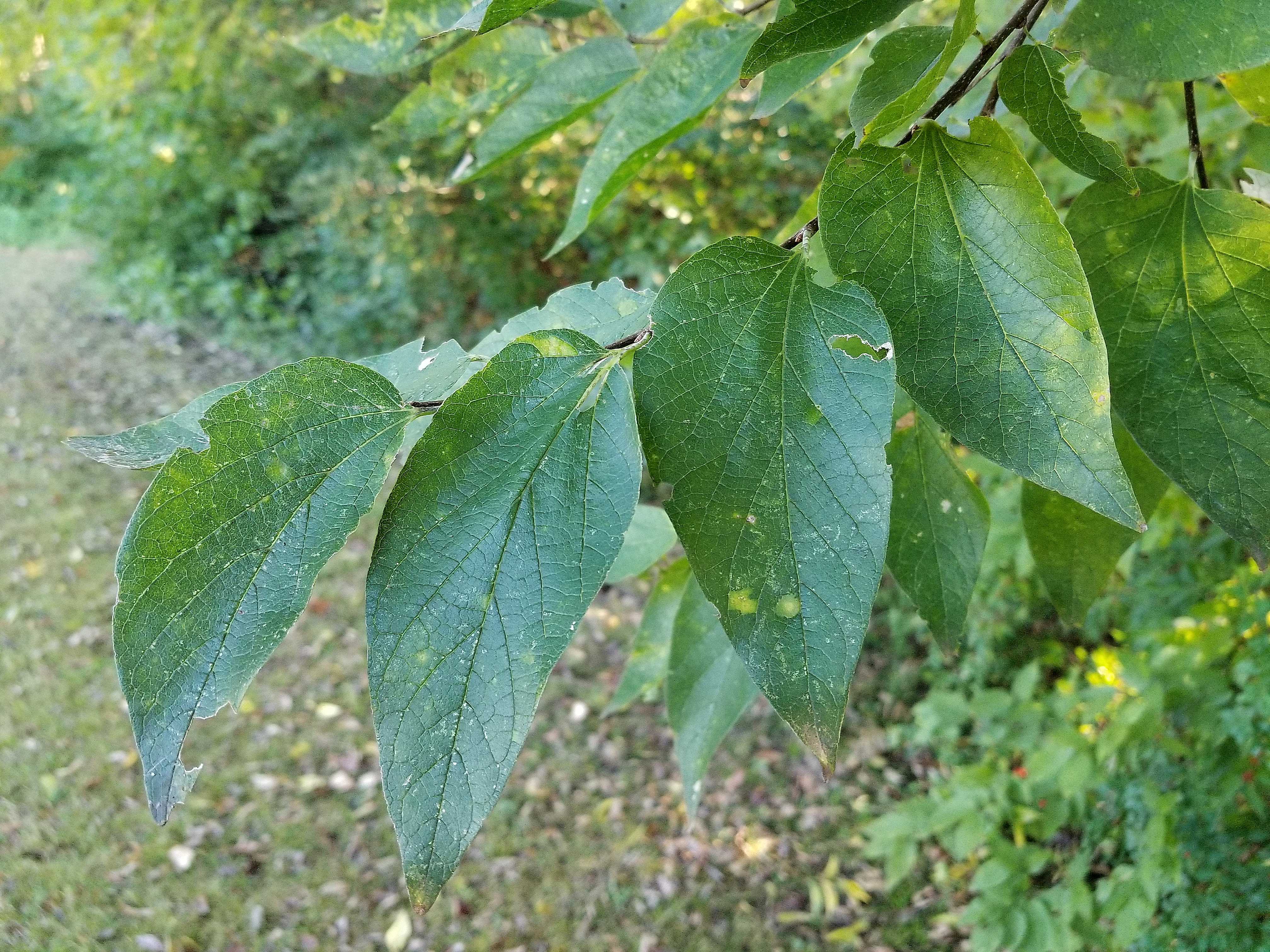
Hackberry (Celtis spp.)
-
 Attractions4 months ago
Oklahoma Ghost Towns – Navajoe