
Country Lifestyle
Finishing the Story – Steve Miller

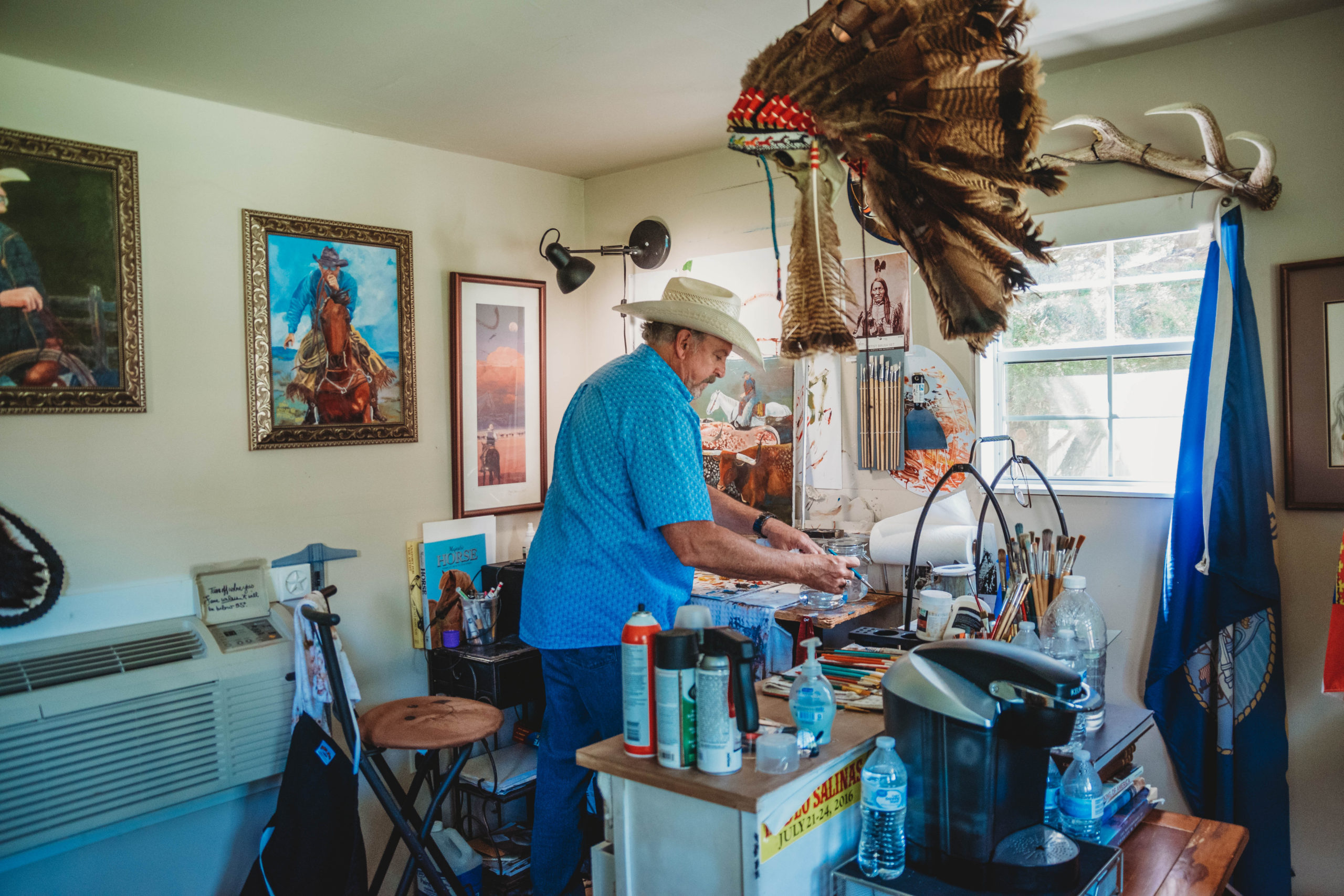
Strong arms and broad shoulders belie the image of a simple artist. Hands, while soft enough to make the most minute change to a delicate clay leg, have also fell towering trees. Guthrie’s Steve Miller wasn’t raised to be an artist or a successful salesman, but he became both. As a storyteller, recounting the narrative behind his art, he can’t be beat. Most things he says deserve quotation marks.
Miller grew up as a fourth-generation logger in Kalispell, Montana, more accurately, the Flathead Valley. His earliest memories were of long days and even harder work. “Most people in the western industry don’t know that about me. I felled timber, set chokers, skidded logs, and loaded and drove logging trucks. I could do anything in that world and was a pretty good hand,” he shared. “It was just what you did. I always tell people that know me now that it was like being born in a coal mining town in the Appalachians.”
Every summer vacation from the seventh grade on, Miller would do a man’s job in the woods with his father. The day he graduated high school, he applied and was hired for a job at a sawmill.
Still, he always gravitated towards art. “I have loved it since I was a little kid. I would look at mountain scenery, at the deer, the elk, the horses, and I would always think, ‘How do you make that with a brush? How do you paint that? How do you get that color?’” He added, “Like all young artists, that’s what I wanted to do, but I had to go to work. I’ve worked my whole life and my art was always pushed to the back as a hobby, because I got into careers I owed a lot of time to, and there was not enough time left over.”
While he recalls the work ethic he learned in his early years and his love of art, he remembers no aspirations of a better life. “You were just a logger. You didn’t have a choice, or, better said, you didn’t think of having a choice. There were no plans for higher education; you simply needed to get out of school and go to work. I’m lucky I finished high school, because there was that mentality, not only in the Valley, but even in my family, that you just quit school and go to work,” he shared.
Looking back from where he is now, Miller contemplates how different life could have been. “I can’t believe how short-sighted I was. I take full responsibility for that. I had no clue in my 20s that I could have gone to college or that there was a whole different layer to the world,” he said.
While a death-defying experience with grievous injuries doesn’t sound like a positive, Miller is adamant that an accident just prior to his 30th birthday was just that. “The best thing that ever happened to me was when I had a logging accident where a tree fell on me. I should have been killed, but I was limbing a big tree, and the one that fell on me knocked me off of that tree down to the ground. It landed on the big tree, and if I would have been limbing a smaller one, it probably wouldn’t have ended as well,” he said.
The resulting broken back led to unemployment. “I couldn’t go back to work in the woods. I was on food stamps and had two kids to support. I remember thinking, ‘What the hell am I going to do?’” he recalled.
In a twist of fate, Miller met a friend of his father’s who’d heard of his bad luck. The man offered to teach Miller how to be an audiometric technician. “That basically means you sell and fit hearing aids. I didn’t have a college degree, but he told me I didn’t have to, I just had to work under his supervision for a year,” Miller said.
It only took a week of work for Miller to realize he had a talent for sales. Just two years later he had worked up to being the Regional Manager of the Miracle Ear Hearing Aid Company and was one of the top 12 sales representatives in the nation.
A few years after that, the National Sales Director job came open, and Miller applied. “I’ll be darned if I didn’t get the promotion,” he laughed. Soon he was living in Minneapolis, working out of a corner office on the seventh floor. While his career was thriving, Miller himself was dying on the vine.
“I’m a team roper. I grew up in the country, but my horse was 50 miles away in a stable and I never got time to ride him. I took a Western Horseman magazine with me to work one day, made a list of every company that I might want to work for, wrote up a resume, and sent it out,” he said. “I got a call from Montana Silversmiths back in my home state. I interviewed for the job and got it.”
Miller has worked for Montana Silversmiths for nearly 30 years. He started his career as the Vice President of National Sales and Marketing. While he’s handed over the reins for most of his duties, he’s still an Ambassador at Large for the company. “I think my biggest claim-to-fame there is that I put together one of the best sales rep forces in the industry, so much so that I was approached by other major western industry companies to help with their sales staff,” he shared.
The Art
Miller never pursued art as a career, but he couldn’t help indulging in his hobby. “I can’t even tell you how many pictures I’ve given away. Drawings, paintings, you name it,” he laughed. If you find him sitting still for more than a minute, he’s likely roughing something out. “I’ve spent several long conference calls doing sketches.”
He had no formal training in art, but if he begins to question his ability, he reminds himself of Charlie Russell, a well-known American artist of the old American West. “Charlie Russell never had a lesson in his life, and he was able to do it. He’s my hero. I have read everything about him and know the names of most of his paintings. I was actually born on the same date he died, just different years, of course. I always say I hope I got a little piece of him,” Miller shared.
For a long time, he wondered where his artistic streak had come from, but he recently found out that it came from his mother’s side of the family. “That family is Norwegian. My great grandfather came here from Norway in 1904. Because of social media, I’ve been in touch with that side of the family, and they all make their living as artists in tv, film, and painting,” he shared. “My son, Jason, is a better artist than I’ll ever be, really, so we got that from somewhere.”
Miller began with acrylics, but found his talent lay in oil painting. “I feel like it’s easier for me to paint with and is much richer. My son got me into sculpting. I picked up some clay he sent me and took some coat hangers and bent them up for armatures, and started doing some sculpting, and wound up making more money on my sculptures than my paintings,” he said.
He did his first sculpture in the early 1990s, and by later in the decade, his hobby and his work finally collided. Montana Silversmiths was hoping to expand into the lifestyle sector. “They wanted to do sculptures that could be sold through Western stores at a reasonable price so that anyone could own a gallery quality sculpture for their home,” he shared. “Instead of paying $10,000 for a bronze, they could buy a resin one for $200. It wound up being a very successful line.”
Miller began working on the sculptures, which became the Steve Miller line that he called “My Vision of the West.” The series consisted of nine pieces, concentrating primarily on the people and times of the mid- to late 1800s. “It’s how I see the west. But the west as we know it started with the discovery of the New World. The first Europeans entered a new land, a land that to them seemed an empty wilderness to be settled and tamed.
“But the land they saw as empty wilderness was not empty, and it certainly would not tame easily. This land was home to many tribes, languages, and cultures of people. These were an innocent and primitive people, open, and even helpful to the culture that would soon overwhelm them. These were a people who did not work iron, copper, or steel, nor did they know of the wheel, or write their language. But they did know the land and how to live off its bounty. It provided all they needed, and they left it as they found it, unscarred and flourishing with animal life of every kind. The meeting of these two cultures would soon become a violent collision,” Miller explained.
“Of Stone and Steel” was the first in the line, showing a lone Indian curiously tapping his arrow against the railroad tracks; something strange that appeared during his time away from home. “I have no idea where the ideas come from. I just saw something and wonder what it would be like to be this young man. You see, this man was a Cheyenne, but the territory stretches from southern Nebraska up to Montana. These kids would go visit relatives far away for a few years to find a wife before heading home. What would it be like for him to go find a wife, start riding home, and then there is this monstrous looking snake crossing the prairie? What would he be thinking?
“I’d just be thinking about that, and then pretty soon I’d doodle a picture and then make a sculpture,” he shared.
That same thought process took him through the entire line. The remaining pieces were named His New Winchester, The Highest Price for Beef, When Beef Was Wild, When Cowboys Take a Dare, the Houlihan, the Crossing, When A Woman Knew Her Place, and Sittin’ Pretty.
The title of the artwork is important to Miller. “The stories behind the artwork make the piece, and I always said you can’t have a piece of artwork unless the title can tell you the story,” he shared. “It’s important to me that my work allows people to finish the story for themselves. The person looking at it has to decide how each of those stories end. For example, in the Highest Price for Beef the horse and rider are falling in the middle of this stampede. What happens? Does the cowboy pay the highest price? In the Crossing, does the rider make it to the other shore, or the distant shore?”
While the Steve Miller collection was exceptionally popular, selling out quickly, his most prized work did not make him a dime. He did a series of sculptures of three Cheyenne warriors killed in the Battle of Little Bighorn, which was commissioned by the tribe to raise money to mark the Cheyenne deaths on the battlefield.
“The Cheyenne don’t refer to it as Custer’s Battle. They refer to it as the Battle of Greasy Grass. That battle, outside of Napoleon’s Battle of Waterloo, is the most written about battle in history. When I started the sculptures, the only marker on the battlefield for a Native American was because a soldier had documented where he had fallen,” Miller said.
The three Native Americans Miller portrayed were Lame Whiteman, Limber Hand, and Noisy Walking, and all three men still have living relatives. “I roped with Dennis Limberhand, and that’s how I knew they were wanting to do this project. I made the sculptures, gave them to Dennis, and he took them to the tribal council,” he shared.
As with most of his works, Miller engrossed himself in the project. He shared the story of Noisy Walking. “He was a 14-year-old boy. His relatives told me he would have had four braids, because he hadn’t been in war yet. You can see he has a stake with a loop on it, and that’s because he was an Undefeated Warrior. The Native American’s don’t have a name for a Suicide Warrior, like we would call it. When the battle started, they were required to put that loop around their ankle and drive the stake into the ground. The only way they could retreat was if another warrior pulled the stake or they were killed. The night before the battle, him and about 14 other young men took the undefeated pact, not knowing there would be a battle the next morning,” he shared. He learned that Noisy Walking would have been armed only with a bow and arrow, and his sculpture reflects that.
He spent an incredible amount of time researching each man, then donated all his work, including foundry costs for the originals and molds. “They were trying to raise money to put markers on the battlefield, so it wasn’t something to make a profit on. It’s the work I’m proudest of,” he said. “I was able to help the Cheyenne Indians put markers on the battlefield where their family members died.”
In addition, Miller created the Miss Rodeo America pageant’s perpetual award and did a bronze of Bodacious with his son, both sculptures are in the ProRodeo Hall of Fame. He also created the bronze sculptures given to the Head and Heel Horses of the Bob Feist Invitational each year.
These days, Miller is focusing on his oil paintings, spending his time perfecting his technique. “I found I really enjoy doing portraits in oil and special projects for people, instead of just painting a picture and hoping someone likes it. I love doing commissioned work.”
Learn more about Steve and his art in the August 2020 issue of Oklahoma Farm & Ranch.
By Beth Watkins
I miss the days of living in a little one-stoplight town. Everybody knew everybody. If you rode your bike somewhere you weren’t supposed to be, by the time you got home your momma had already gotten a phone call. And if you sneezed on the east side of town, Miss Martha on the west side was already adding your sinuses to the church prayer list.
Every town had a few little old ladies who somehow knew everybody’s business and didn’t mind discussing someone else’s dirty laundry. Today, I guess they call it “spilling the tea.” The difference is, back then they whispered about it over coffee. Today folks post it before breakfast.
Social media wears me smooth out.
But it’s like watching a train wreck. You just can’t look away.
My sister, Glenna, lives a couple of hours from me. Most mornings, before noon, one of us sends the other a screenshot of the most jaw-dropping post we’ve found on our local community page.
One day someone posted, “Can somebody bring my mom and me a Pepsi? She gets paid tomorrow and will pay you back.”
I answered with nothing but a laughing emoji.
Then I sent her one from my town.
“Can somebody bring me a garden hose? My little girl wants to play in her kiddie pool, but I don’t have a hose to fill it.”
I texted my sister, “Do they own a bucket? A water pitcher? Maybe rinse out a trash can and carry water!”
Now before anybody gets their feathers ruffled, my sister and I have a pact. We never comment. We just send our replies to each other. My husband says we’d be labeled as “mean girls.”
We prefer to think of it as community service… spreading common sense from one end of Oklahoma to the other.
Now don’t misunderstand me. If your house burned down, your husband lost his job, or life knocked the wind out of you, neighbors ought to show up before you even have to ask. That’s what communities are for.
But somewhere along the way we stopped asking ourselves, “How can I figure this out?” and started asking, “Who can fix this for me?”
It wasn’t because life was easier. It was because people expected more from themselves and less from everyone else.
I miss that.
Sometimes I wonder how we’d survive if we had to live the way our grandparents did. Can you imagine how many folks would be in real trouble if they had to haul a bucket of water from the creek just to have water in the house?
I also miss when every thought didn’t need an audience.
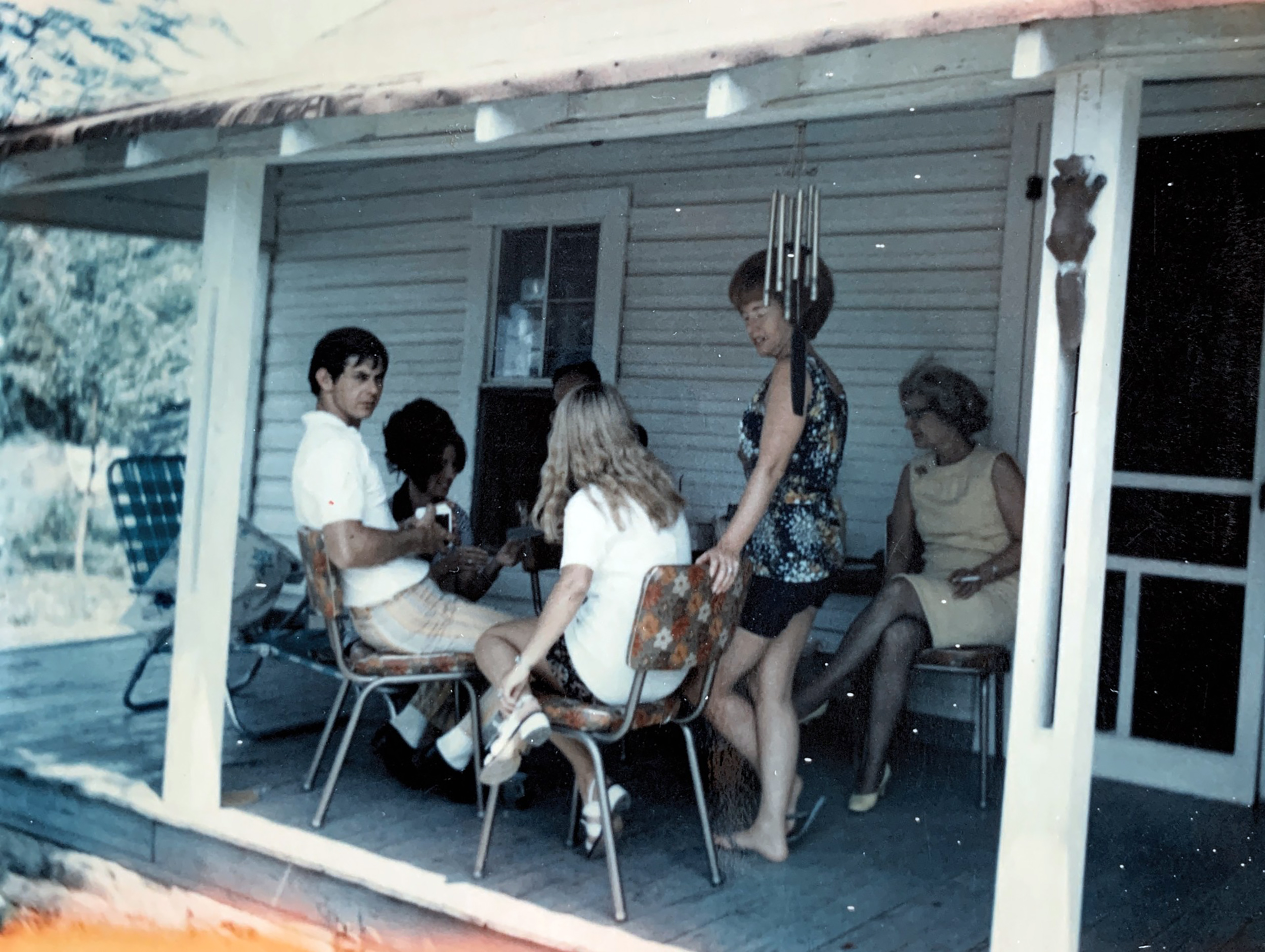
Back in my hometown there was a widow whose heart was bigger than her house. She loved to cook, and she loved having company. Instead of sitting on her front porch wishing someone would stop by, she’d cook a big meal and call the fire department or the police department and invite them over for supper.
She didn’t wait for community. She created it.
That little lady never threw herself a pity party. She never posted about being lonely or wondered why nobody came to visit.
She simply moved first… and they came.
She chose to be the blessing instead of waiting on one.
Remember when folks knew your business because they lived life alongside you? Today everyone knows your business because you posted it, with filters, hashtags and a play-by-play.
Now don’t get me wrong. I use social media too. It’s how I keep up with family and friends who live far away. I love watching babies grow up, seeing vacation pictures, celebrating anniversaries and rejoicing over answered prayers.
And yes… I use it for entertainment.
Y’all letting AI give you a makeover and posting it like it’s an actual picture… come on now. Every once in a while it’s fun to pretend your Fairy Godmother showed up with a pumpkin, a couple of mice and a little bibbidi-bobbidi-boo. But every day?
Cinderella… it’s after midnight. You’ve lost your shoe.
I miss when people were a little more humble. If they received a blessing, they thanked God for it. They let their character do the talking instead of their Facebook page.
Somewhere along the way we’ve traded humility for visibility.
In our little one-stoplight town, we didn’t need an app to find our friends. We knew exactly where they’d be. We’d spend Friday nights dragging Main, making lap after lap from one end of town to the other. If you didn’t have enough gas money, you’d park at the tag office or the school parking lot and sit on the hood of your car.
We were connected long before Wi-Fi.
The funny thing is, we have more ways to communicate than any generation before us, yet somehow we’ve never been lonelier. We can video call someone on the other side of the world, but many of us don’t know the name of the person who lives across the street.
We’ve traded front porches for Facebook, driveways for direct messages, and waving across the fence for clicking a thumbs-up emoji.
Maybe the answer isn’t another app, another platform or another community page. Maybe it’s remembering how we were raised.
Figure a few things out for yourself.
Keep a few things to yourself.
Help your neighbor before they ask.
Wave at people you disagree with.
Sit on a front porch every once in a while.
And every now and then… tuck your crazy in.
By Lacey Vilhauer
Ingredients
- 1 pound (16 ounces) ziti noodles
- 2 tablespoons olive oil
- 4 garlic cloves, pressed
- 1 medium yellow onion, diced
- 1 pound ground beef
- 1 pound mild Italian sausage
- 5 cups marinara sauce
- 1 teaspoon Italian seasoning
- 1 teaspoon kosher salt
- ½ teaspoon crushed red pepper flakes
- 2 cups shredded mozzarella cheese, divided
- 1 cup whole milk ricotta cheese
- ½ cup grated Parmesan cheese, divided
- 3 tablespoons chopped fresh parsley, divided
- ¼ teaspoon black pepper
- 2 large eggs
Instructions
Cook ziti according to package directions. Drain and set aside.
While the pasta cooks, heat olive oil in a large skillet over medium-high heat. Sauté garlic and onion for 2 minutes. Add beef and sausage and cook until browned. Drain off excess fat and return the meat to the skillet.
Add marinara sauce to the skillet. Use your favorite pasta sauce or make your own! Stir in Italian seasoning, salt and red pepper flakes. Simmer on low heat until the pasta is done. Stir half of the meat sauce into the cooked noodles and reserve the rest for layering.
In a small mixing bowl, combine 1 cup of the mozzarella, the ricotta, ¼ cup of the Parmesan, 2 tablespoons of the parsley, the black pepper and the eggs. Mix until combined.
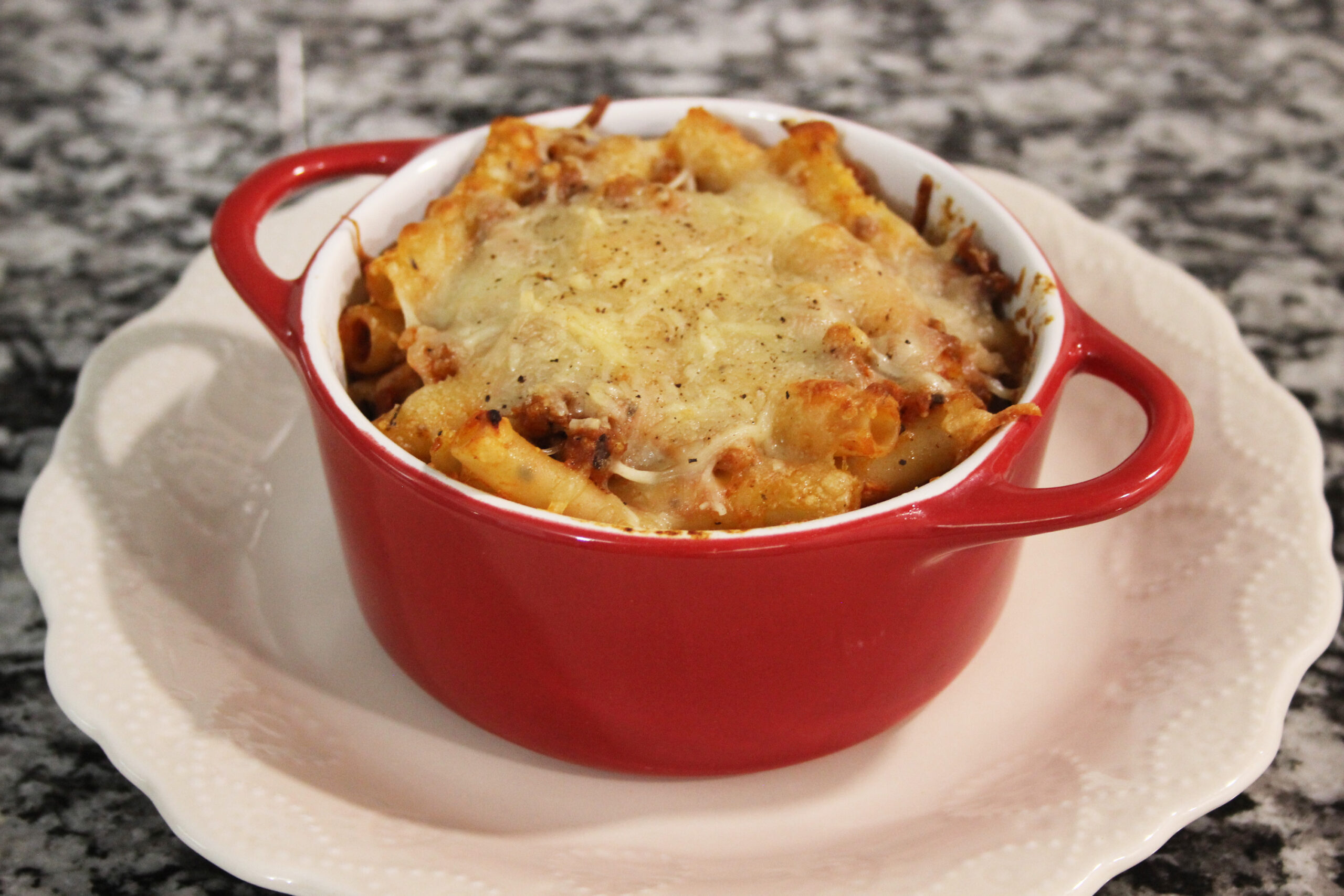
Assemble the ziti in a 13×9 baking dish or in ramekins for individual servings. Spread half of the sauced noodles in the bottom. Dollop half of the cheese mixture over the top and spread it evenly, then add ½ cup of mozzarella and half of the reserved meat sauce.
Repeat with the remaining noodles, cheese mixture and meat sauce. Top with the remaining ½ cup of mozzarella and the remaining ¼ cup of Parmesan.
Bake uncovered at 375 degrees for 20 to 25 minutes, until bubbly and the cheese is melted. Remove from the oven and top with the remaining 1 tablespoon of parsley. Serve hot and enjoy!
By Ann Asher
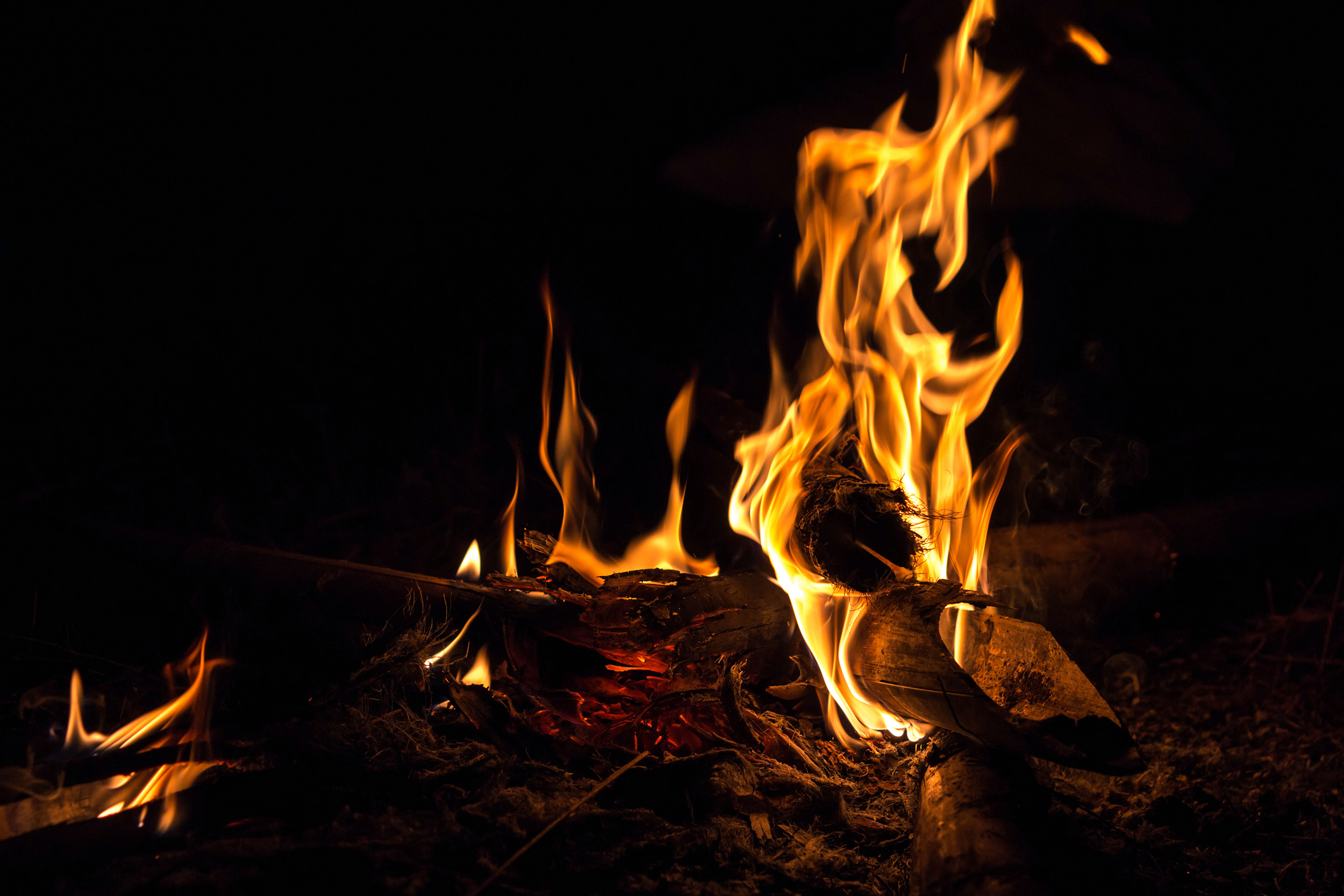
The first cool evenings of September make sitting outside sound good again. After months of Oklahoma heat, a fire pit, a few chairs and an evening outdoors can finally feel inviting.
Before you strike the match, take a few minutes to make sure your fire pit area is ready for fall.
Start with location. Set a fire pit on a level, noncombustible surface such as concrete, brick or patio blocks, not directly on dry grass or other vegetation. The National Fire Protection Association recommends keeping fire pits at least 10 feet from anything that can burn, including decks, siding, fences, overhanging branches and outdoor structures.
That distance matters even more after a dry summer. Even when evenings cool down, dormant grass, fallen leaves and other dry vegetation can catch a spark fast. Clear leaves, sticks and other debris from around the pit before you use it, and skip the fire on windy evenings.
Check whether your county or town has burn restrictions in place. Drought can linger well into fall, and local rules may change with fire danger. A fire that was fine one weekend may be a bad idea the next if conditions have worsened.
For wood-burning pits, use clean, dry, seasoned firewood. Don’t burn trash, treated lumber or painted wood. Never use gasoline or other flammable liquids to start or relight a fire. Commercial fire starters or ordinary kindling are much safer.
Once the fire is going, keep it manageable. A backyard fire pit doesn’t need to become a bonfire to keep you warm. Smaller fires are easier to control, throw fewer embers and are much easier to put out at the end of the evening.
Keep children and pets well away from the pit, and set chairs far enough back that no one sits directly over the heat or in the path of sparks. The NFPA recommends a three-foot child-free zone around the fire.
Look at what else is nearby before everyone settles in. Blankets, loose clothing, outdoor cushions and even the stack of firewood beside the pit can become hazards if they sit too close.
Keep a way to put out the fire within reach. A garden hose, a bucket of water or a shovel and dirt can all work, depending on your fire pit. Never leave a fire unattended, even if it seems to be dying down.
When the evening is over, make sure the fire is completely out. For a wood fire, water the coals, stir them and water them again until no heat, glow or flame remains. Let ashes cool completely, then store them in a metal container with a secure lid, away from anything that can burn.
A fire pit doesn’t need much to become one of the best parts of fall. A safe spot, a little preparation and a manageable fire are usually all it takes. Then all that’s left is finding a comfortable chair and enjoying an Oklahoma evening that is finally cool enough to stay outside.

-
 Country Lifestyle2 years ago
July 2017 Profile: J.W. Hart
-
 Farm & Ranch2 years ago
From Plow to Plentiful: The Most Important Inventions in Agricultural History
-
 Attractions9 years ago
48 Hours in Atoka Remembered
-
 Outdoors9 years ago
Grazing Oklahoma: Honey Locust
-
 Equine9 years ago
Umbilical Hernia
-
 Country Lifestyle5 years ago
The Two Sides of Colten Jesse
-
 Farm & Ranch8 years ago
Hackberry (Celtis spp.)
-
 Attractions3 months ago
Oklahoma Ghost Towns – Navajoe