
Outdoors
When Grasshoppers Take Over

By Savannah Magoteaux
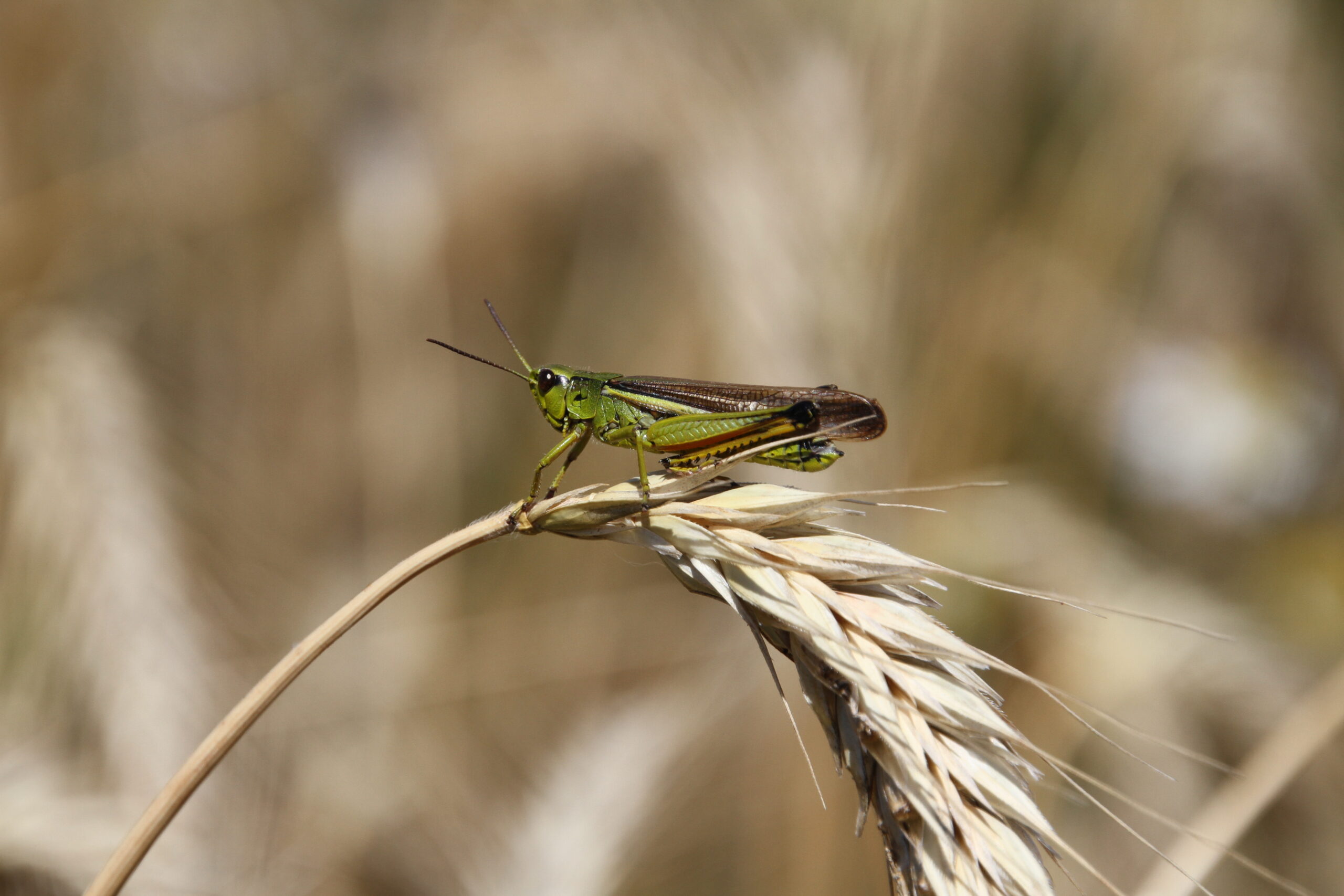
They scatter ahead of the mower, jump from garden rows, cling to fence posts and seem to rise out of the pasture with every step. One or two grasshoppers might still feel like part of summer, and a few more may not seem like much of a problem. But when the ground looks like it is moving, and every tomato plant, flower bed or patch of green grass has bite marks, grasshoppers go from background noise to real irritation.
In Oklahoma, grasshoppers are nothing new. They are part of the late-summer landscape, especially in hot, dry years. They may seem to appear all at once, but their numbers usually build over time.
Grasshoppers lay eggs in the soil, often in undisturbed grassy or weedy areas, and the young begin hatching in spring. As the season goes on, they grow larger, move more and become much easier to notice.
By late summer, many grasshoppers have outgrown the tiny insects tucked away in roadside grass. They are bigger, stronger and able to travel longer distances. That is when homeowners, gardeners and producers often start seeing real damage.
Grasshoppers chew, so their damage is easy to recognize. Leaves may look ragged, stripped or full of holes. In gardens, they may chew on vegetables, flowers and young plants. In pastures and hay fields, heavy numbers add pressure to forage already stressed by heat, drought or grazing. Around barns, yards and field edges, they may seem to be everywhere at once.
Weather plays a major role in how bad grasshoppers get. Warm, dry conditions favor them. Drought can reduce some of the natural diseases that help keep grasshopper numbers in check, and when native grasses and weeds dry down, grasshoppers move toward any green growth they can find. That may be a vegetable garden, irrigated lawn, flower bed, crop edge or low spot in a pasture that still has something tender left to eat.
By the time most people are tired of grasshoppers, the insects are also harder to control. Grasshoppers are much easier to manage while they are small and concentrated in hatching areas. Once they are large enough to fly or move freely across a property, control gets harder and often works less well.
You still have options, but timing matters.
For gardeners, barriers can help protect valuable plants, especially young ones. Row covers or other lightweight covers may reduce feeding damage if you put them in place before grasshoppers move into the plants. Some gardeners also use protective cages or netting around individual plants. These methods are not always pretty, but they can make a difference in a home garden where the goal is to protect a few important rows or plants.
Managing weedy areas may also help, especially earlier in the season. Roadsides, ditch banks, fence rows and unmowed grassy spots can serve as nurseries for young grasshoppers. Keeping those areas under control may relieve some pressure, though it will not stop grasshoppers from moving in from neighboring properties. That is one of the challenges of an insect that can travel.
Insecticides and baits are labeled for grasshopper control, but use them carefully and follow the label. The right product depends on the setting, whether it is a garden, landscape, pasture or crop, and on what else is in the area. Consider pollinators, livestock, pets, water sources and harvest restrictions. When in doubt, start with Extension guidance.
Not every grasshopper problem needs the same response. A few grasshoppers in the yard are annoying. Heavy feeding in a garden may be worth addressing. Large numbers in a pasture or crop may call for a more serious look, especially if forage is already limited.
Birds and some insects feed on grasshoppers, but they rarely wipe out a large outbreak on their own. Chickens may help around a yard or garden, but they can cause their own kind of damage if turned loose in the wrong place. Like most things on the farm or around the house, there is usually a trade-off.
By late summer, grasshoppers may feel like one more thing to deal with. The grass is tired, the garden is tired, the livestock are tired and most people are tired, too. Still, understanding why grasshoppers build up, where they come from and when control works best can make them a little less mysterious.
They may always be part of an Oklahoma August, but they do not have to catch you off guard. Watch the field edges, keep an eye on young plants and take note when small grasshoppers first start to show up.
By Ann Asher
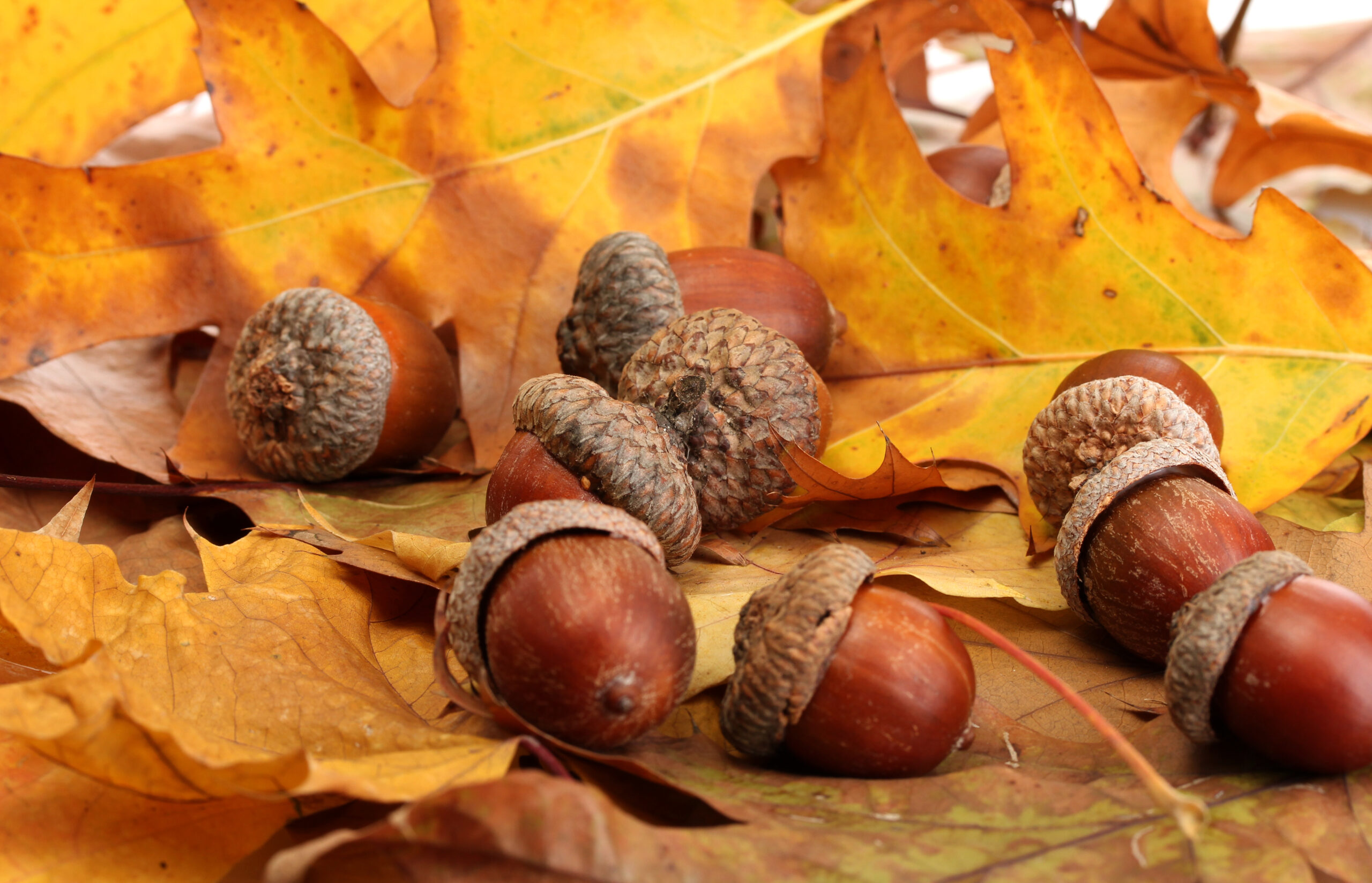
For years, fall garden advice read like a cleanup list: cut everything down, rake every leaf, haul off the stems and leave the beds tidy for winter. A neater yard may please people, but it can remove exactly what birds and beneficial insects need.
Standing seed heads are winter food. Coneflowers, sunflowers, native grasses and other plants hold seeds that finches, sparrows, quail and other birds can eat long after flowering ends. Hollow or pithy stems can also give native bees and other insects places to spend the winter.
Native bees are one of the strongest arguments for waiting. Many species don’t live in hives. Solitary stem-nesting bees use hollow or pithy stems, while ground-nesting bees depend on undisturbed soil. Cutting every stalk to the ground and hauling it away can remove next year’s pollinators before spring arrives.
Leaf litter matters just as much. Under a layer of leaves are insect eggs, pupae, spiders and other invertebrates that become food for birds. Some butterflies and moths spend part of winter tucked into leaf litter or attached to dead vegetation. Toads and other small animals also use the insulating layer.
Birds use dead vegetation for more than seed. Dense stems break the wind and provide cover from predators. A yard with several layers of vegetation offers far more options than a flat lawn bordered by bare mulch.
Dead wood has value, too. A standing dead tree, or snag, can provide nesting and feeding habitat for woodpeckers and other cavity users. Have a qualified professional remove or reduce any hazardous tree near houses, roads, fences or utility lines, though.
Clean up selectively
None of this means you should abandon your yard until spring. Still remove diseased plant material. Vegetable gardens often benefit from a cleanup that reduces pest and disease carryover. And don’t let thick mats of leaves smother turfgrass. Aim for selective cleanup rather than stripping every bed bare.
One approach is to move leaves off the lawn and into flower beds, around shrubs or into a compost pile. Leave healthy perennial stems standing through winter, especially in less formal areas. Brush piles can provide additional cover if local fire and property rules allow them.
If you worry a less tidy garden will look neglected, design can help. Keep paths and lawn edges crisp while letting the interior of beds stand. Move leaves into defined planting areas instead of leaving them across sidewalks and turf. Habitat doesn’t require making the whole property look abandoned.
You can also clean in stages. Remove diseased vegetables and obvious problem material in fall, leave ornamental and native stems through winter, then do the big cutback after several warm spring days, once insects have had a chance to emerge. Cutting hollow stems too early can destroy insects still developing inside. If you want a tidy look sooner, cut the stems and stack them loosely in an out-of-the-way spot for a few more weeks.
A wildlife-friendly yard in winter won’t look like a July garden. Seed heads turn brown. Leaves collect under shrubs. Stems stay standing. What looks dead to us is often still in use, and a landscape can keep working after the flowers are gone.
This fall, the easiest habitat project may be the one you don’t finish.
By Norman Winter | Horticulturist, Author, Speaker
If you’ve read this column the past few years, you know I put great importance on choosing plants for pollinators around the farm or ranch, home or office. When those plants pack untold beauty, even better. This column aims to put one plant on your must-have list for 2027: the Mexican flame vine.
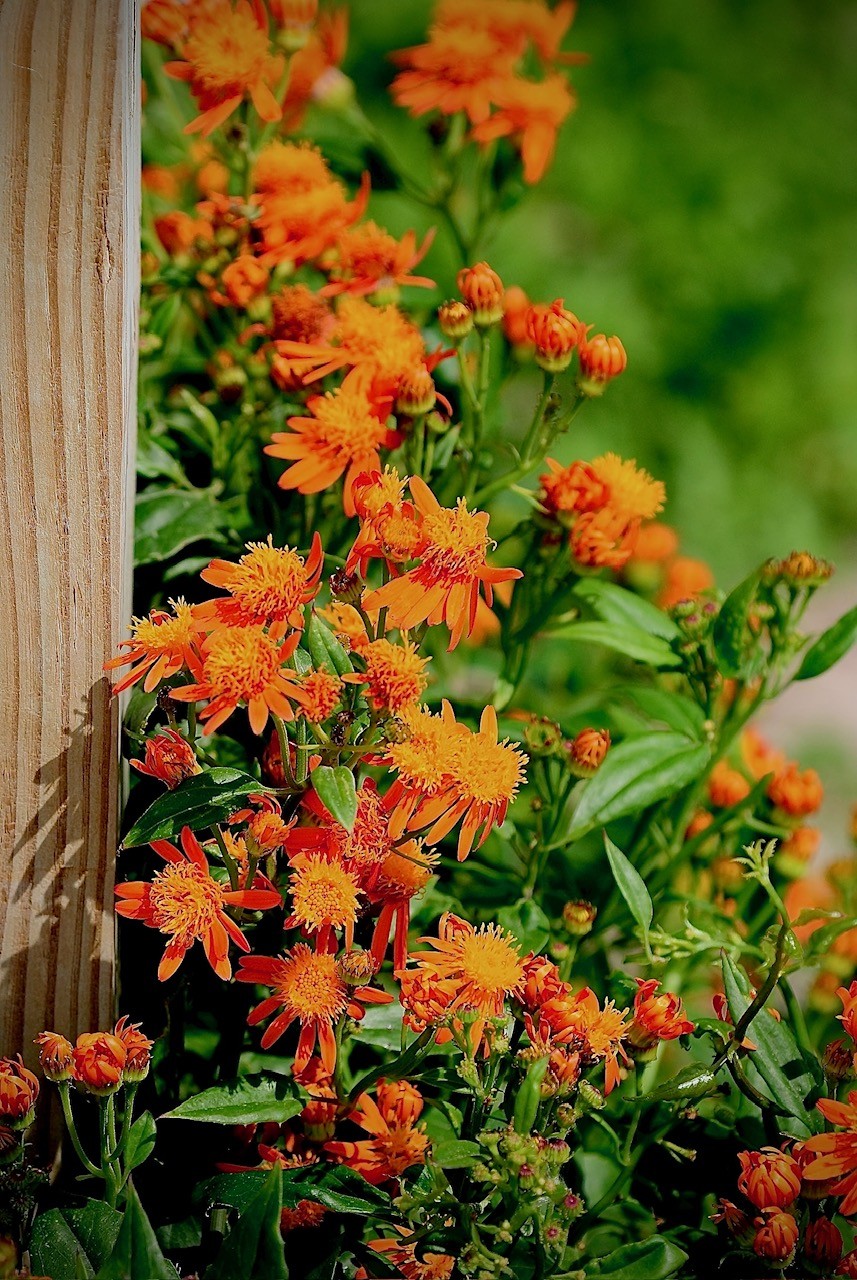
Names like Mexican Flame and Orange Glow tell you right away that this flower is bold and riveting in color. Add a vine that draws hummingbirds and butterflies and blazes fiery orange, and you have an award-winning plant.
To be honest, I think everyone should grow it for its botanical name alone, Pseudogynoxys chenopodioides. Imagine the look on your neighbors’ faces when they ask, “What’s that gorgeous vine you are growing?” and you tell them.
The Mexican flame vine is a woody tropical vine. Most references say it is cold-hardy in zones 9 and higher, but I have seen many return just fine in zone 8. It is worth every penny even as an annual. As the name suggests, the vine is native to Mexico, and it isn’t picky about soil. I’ve grown it in acid soil fit for azaleas and in soils more reminiscent of the desert. It belongs to the aster, or daisy, family, and you’ll quickly notice the resemblance.
I realize we are at the beginning of fall, but if you start sourcing now or talking to your favorite garden center, you’ll be ready for spring. When you get yours, dig a hole about twice as wide as the root ball and plant at the same depth it was growing in the container. Set the vine next to a structure for support, like a trellis, arbor or pergola. You may have the perfect fence post that could use a Mexican flame vine.
It is a compact vine that reaches only about 10 feet tall, and it tolerates drought once established. You’ll need to do a little training to get it climbing. You’ll also like that pests rarely bother it.
The vine reblooms reliably, and if you need to cut it back a little, it will quickly send out new growth and another round of blooms. That blazing orange screams to be planted with complementary blue flowers. My first choice would be blue salvias like Unplugged So Blue or Rockin’ Playin’ the Blues. If you’re bold and want a native, consider the late-summer-blooming hardy ageratum, known botanically as Conoclinium coelestinum.
Once yours is growing, you’ll notice all sorts of butterflies feasting on the rich nectar. Red admirals, fritillaries, monarchs and yellow sulphurs of all sorts will visit regularly.
Vines give the landscape a vertical dimension, much like hanging a mirror or picture on a wall indoors. The Mexican flame vine will be one of the most dazzling additions to your garden. Start sourcing yours now so you’re ready for spring.
Follow me on Facebook @NormanWinterTheGardenGuy for more photos and garden inspiration.
By Savannah Magoteaux
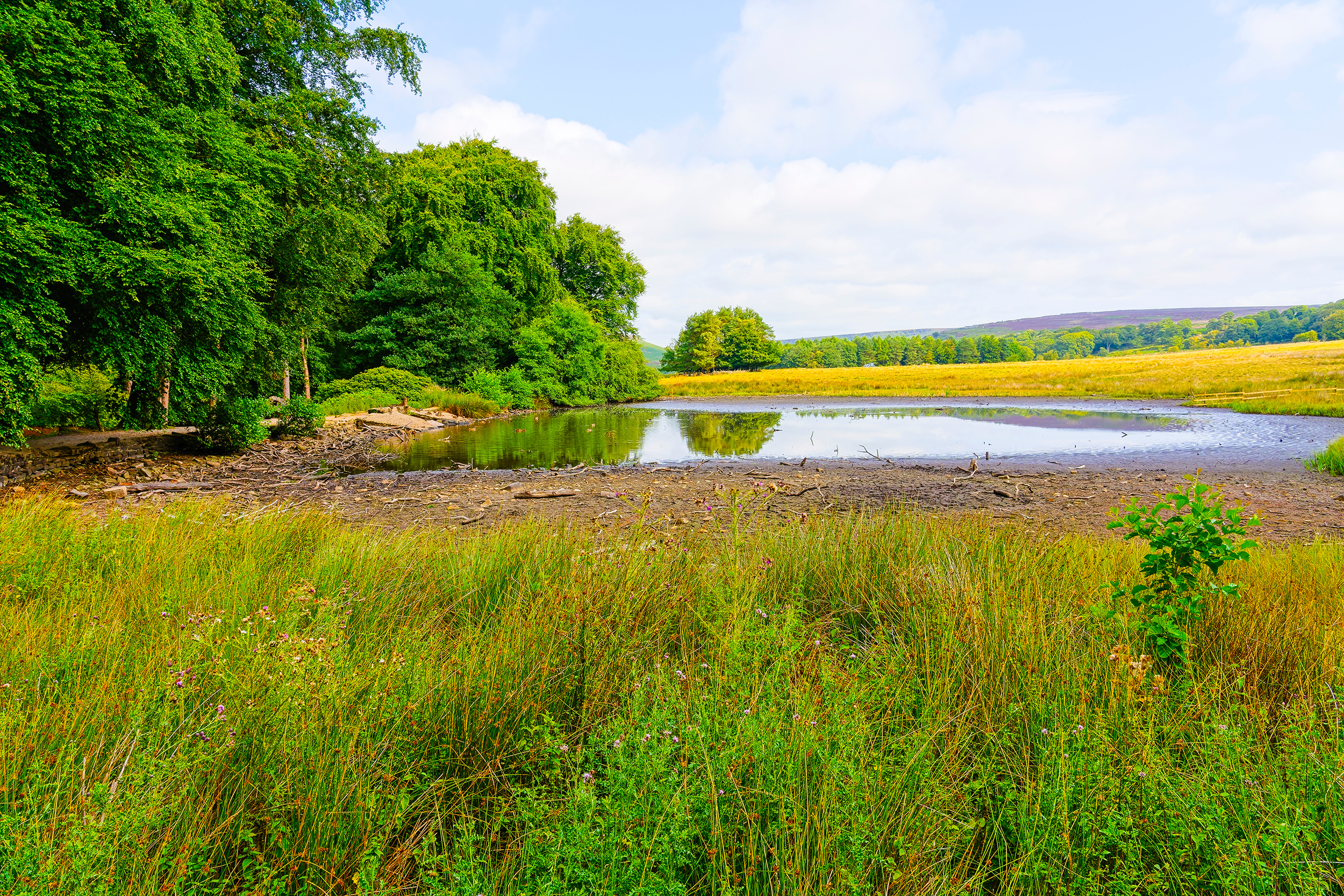
Right now, our ponds are looking a little tired.
Water levels may be down after weeks of heat and limited rain. Vegetation can be thick around the edges, the water may be warm and murky, and the bass that seemed willing to bite in spring can feel impossible to find.
But don’t give up on the pond just yet.
Late summer can be a hard time for fish. Warm water holds less dissolved oxygen than cool water, and oxygen levels matter even more in ponds with heavy plant or algae growth. In Oklahoma, oxygen depletion is one of the leading causes of pond fish kills.
Those conditions also change where fish spend their time. During the hottest part of the day, bass may slow down and move to more comfortable spots, including deeper water, shade, aquatic vegetation or structure. That makes early morning and evening good times to fish during the last hot weeks of summer.
Pay attention to cover, too. Submerged vegetation, brush, logs and other structure give bluegill and other small fish places to find food and protection, and bass are often nearby. Oklahoma State University Extension notes that some aquatic vegetation benefits a fishing pond, with about 20 percent plant coverage considered ideal.
Then September begins to bring a change.
Cooler nights gradually lower water temperatures, and fish that have been sluggish through the hottest part of summer often become more active. Bass start feeding more aggressively as conditions improve, and baitfish movement can make shallow areas productive again.
That doesn’t mean every cool morning will fill a stringer. Farm ponds are small ecosystems, and each one responds differently depending on depth, water clarity, vegetation, fish populations and rainfall.
Watch the pond itself during this transition. Fall can bring pond turnover, when the layers of water that formed during warm weather mix. If the deeper water holds little oxygen, that mixing can temporarily lower oxygen throughout the pond. Fish gulping at the surface, especially early in the morning, can signal an oxygen problem.
For most anglers, though, September has less to do with worrying over every change in the water and more to do with recognizing that the pond is entering a new season.
Fish earlier and later in the day while temperatures stay high. Work around vegetation and structure. As cooler weather settles in, try shallower water again and watch for signs of baitfish.
That farm pond that seemed nearly lifeless on an August afternoon may have plenty going on beneath the surface. Sometimes all it takes is a cooler morning, a little patience and one more cast.





-
 Country Lifestyle2 years ago
July 2017 Profile: J.W. Hart
-
 Farm & Ranch2 years ago
From Plow to Plentiful: The Most Important Inventions in Agricultural History
-
 Attractions9 years ago
48 Hours in Atoka Remembered
-
 Outdoors9 years ago
Grazing Oklahoma: Honey Locust
-
 Equine9 years ago
Umbilical Hernia
-
 Country Lifestyle5 years ago
The Two Sides of Colten Jesse
-
 Farm & Ranch8 years ago
Hackberry (Celtis spp.)
-
 Attractions4 months ago
Oklahoma Ghost Towns – Navajoe