
Outdoors
Grazing Oklahoma – Giant Ragweed


By Josh Gaskamp
Characteristics: Giant ragweed is an annual, warm-season forb native to North Ameeaches six feet. Thick green stems are covered with stiff white hairs, which make them very coarse to touch. Leaves can vary in shape depending on size. New leaves are often lanceolate, becoming divided into three or five lobes when mature. The three-lobed pitchfork-shaped leaf is often the greatest distinguishing characteristic for this plant. Leaf margins are usually serrated. Many of the upper stems terminate in a cylindrical spike of yellowish green flowers in August to October. Another common name of this plant is bloodweed because of the reddish purple sap apparent when stems are rubbed or broken.
Pick up the July issue to learn more!

By OKFR Staff
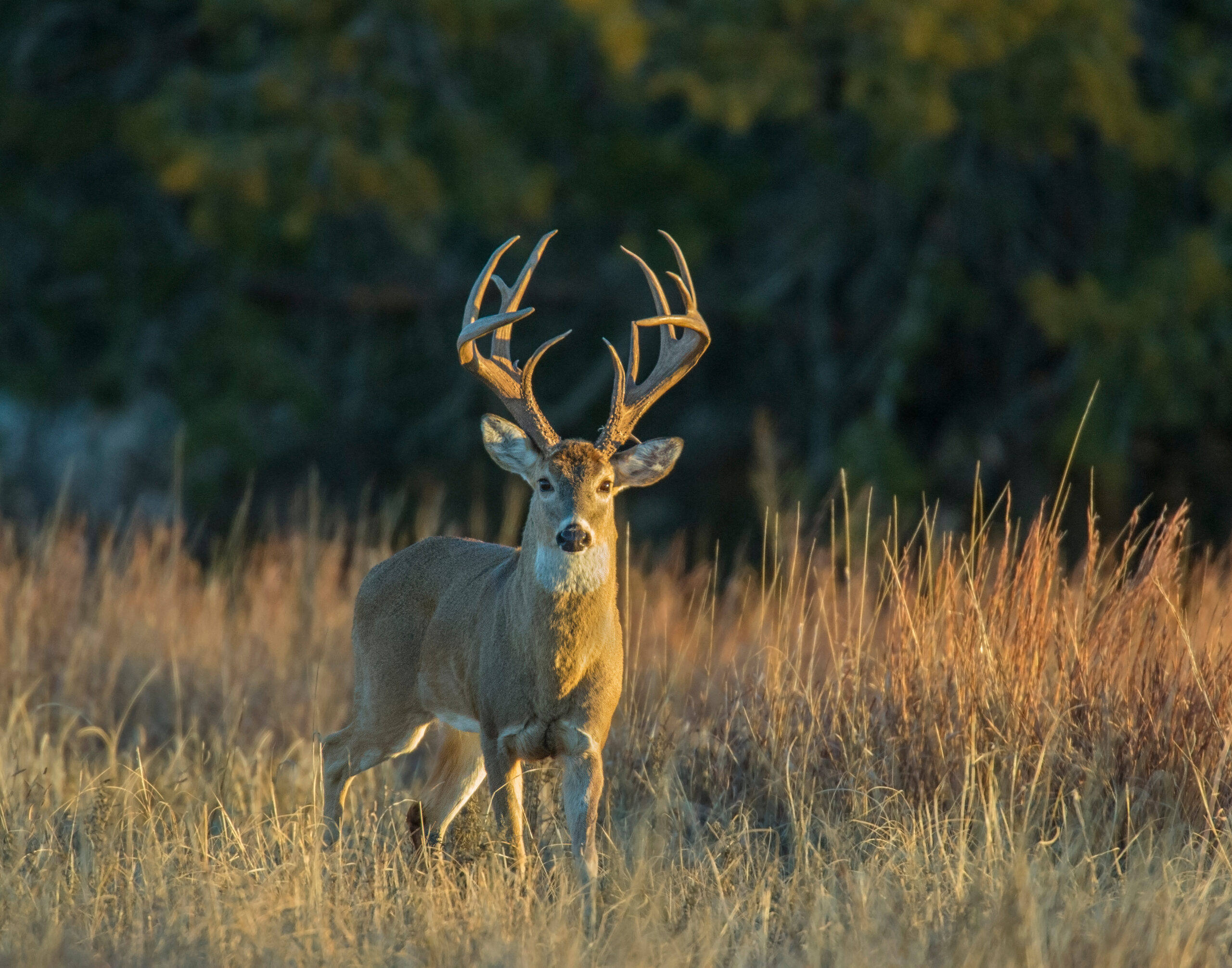
Drought is easy to see in a pasture. Grass turns brown, ponds shrink, creeks stop running and crops struggle. It’s harder to see what those same conditions are doing to wildlife.
For deer, turkey, quail and countless smaller species, drought changes much more than how much water is available. It changes where food grows, how much cover the land offers and, in some cases, how successfully animals reproduce.
White-tailed deer are a good example. Deer can go surprisingly long stretches without drinking from a pond or creek if they have succulent plants that supply moisture. During drought, those plants become scarcer and lower in quality. Deer may start eating plants they would normally pass over, and dry years can affect body condition and antler growth. Research in Oklahoma has also shown that fawn production tends to rise and fall with rainfall, so prolonged drought matters when you look at the health of a deer herd over time.
Turkeys face many of the same challenges. Adult birds can get much of the moisture they need from fruits and succulent plants, but drought cuts into those foods. It also affects insects, which young poults depend on. Good brood habitat includes broadleaf plants and plenty of insects, and when dry weather reduces both, young birds have less to eat at a critical stage of life.
Quail may surprise people. Northern bobwhites don’t necessarily need to visit standing water every day. They can get moisture from green vegetation, insects, fruit and even dew. Drought still makes their lives harder by reducing those foods and changing the plant structure they depend on for nesting, feeding and escape cover.
That is why putting out more water isn’t always the whole answer. Oklahoma State University research found that supplemental water can concentrate quail around water sources but hasn’t been shown to increase quail numbers, even in drought years. The bigger issue is habitat. Wildlife need food, cover and space along with access to moisture.
For landowners, some of the best drought help may already be growing on the property.
Avoiding overgrazing leaves more grass and broadleaf plants for wildlife. Leaving brushy areas, native vegetation and field edges undisturbed can provide valuable cover when the surrounding landscape is dry and sparse. Trees and shrubs along creeks and drainages give animals shade, cover and travel corridors.
Water sources still matter, particularly where drought has dried up ponds and streams. If wildlife can reach livestock tanks, ponds or other artificial water sources, make sure animals can get in and out safely. Steep-sided tanks can trap birds and small mammals, so add escape ramps or other exits.
Landowners may also be tempted to start supplemental feeding right away. Feeders and food plots can attract wildlife, but they don’t replace healthy habitat. Food plots may struggle in the same drought that is hurting native vegetation, and concentrating animals around feeders can raise other concerns, including disease transmission and heavy pressure on nearby plants.
Drought also changes wildlife behavior. As resources run short, animals may travel farther or gather around the few places left with food, water and cover. That can make wildlife look more abundant in some spots even while the overall population is under stress.
The effects don’t always end with the first good rain, either. Vegetation takes time to recover, ponds may need repeated rains to refill, and a hard spring or summer’s reproductive losses can’t be reversed overnight.
Oklahoma wildlife are used to changing weather. Dry years are part of the landscape, just like wet years, and most native species have ways of adapting. The longer and more severe a drought becomes, though, the harder those adaptations have to work.
If you want to help wildlife through a dry spell, focus less on replacing everything nature isn’t providing and more on protecting what remains. Conserving cover, avoiding unnecessary disturbance, managing grazing carefully and keeping water sources safe can give wildlife a better chance until the rain returns.
By Ann Asher
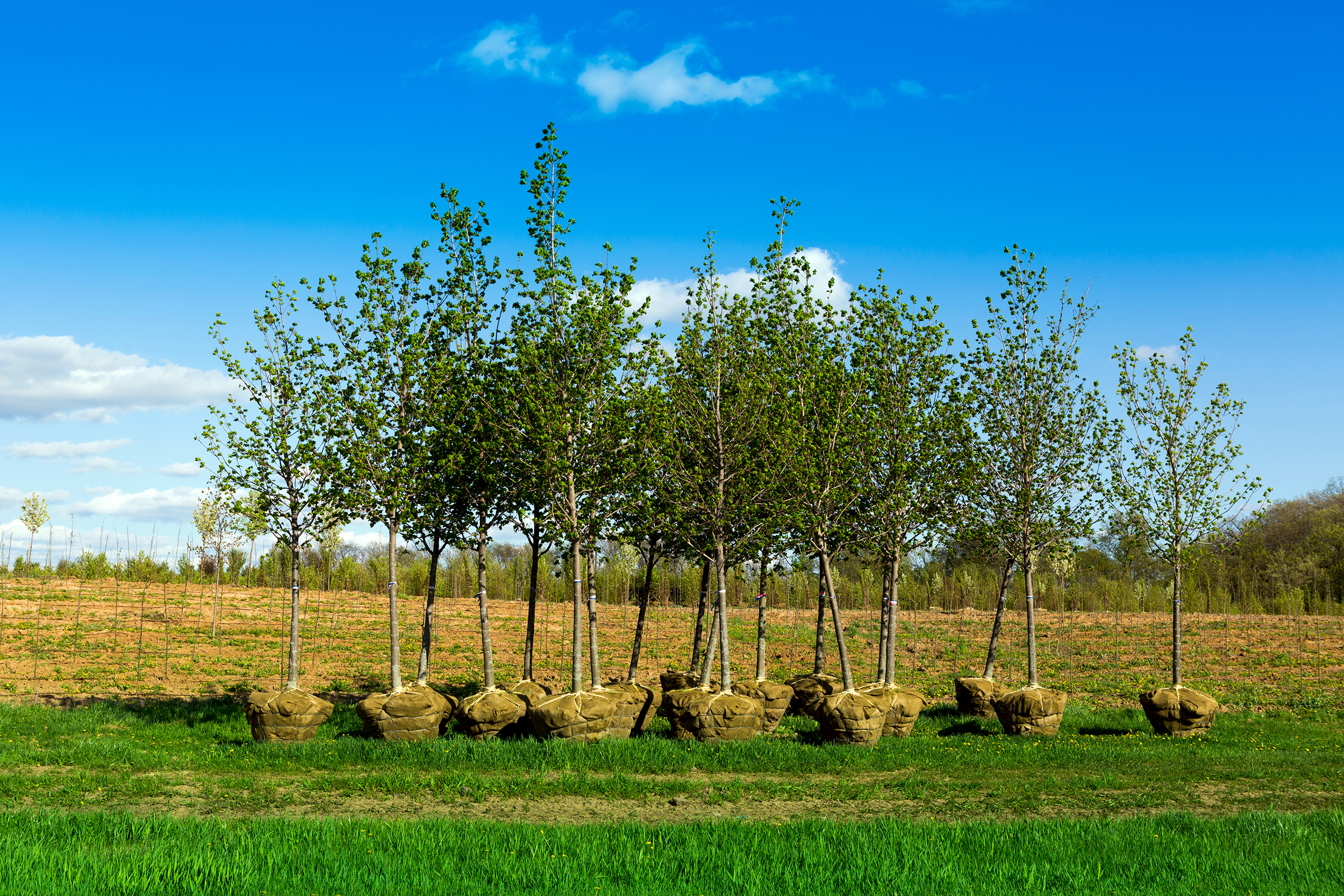
Every spring, garden centers fill with shoppers loading young trees onto trailers and into pickup trucks. It makes sense. The weather is warming, everything is turning green and planting season feels like it has arrived.
But ask an arborist or Extension horticulturist when they would rather plant a tree, and you’ll probably hear a different answer: fall.
It may seem backward at first, but in North Texas and central Oklahoma, experts widely consider the months between late September and early winter the best time of year to plant most trees. The leaves may be getting ready for winter, but the roots keep growing below the surface long after top growth has slowed. That lets a young tree establish itself before the next hot summer arrives.
That’s a tremendous advantage in a region where summer temperatures routinely climb into the 90s and beyond.
A newly planted tree has one job: grow roots. A tree planted in spring has only a short window before it must also support a flush of new leaves while enduring months of heat, drying winds and occasional drought. That combination can put significant stress on a young tree before its roots have had time to spread into the surrounding soil.
A fall-planted tree has a much easier assignment.
As air temperatures cool, the soil often stays warm for weeks. Those conditions encourage continued root growth without asking the tree to produce new leaves or long shoots. Instead of splitting its energy between growth above and below ground, the tree can put most of its effort into building a healthy root system. By spring, it has settled into its new home and is better prepared for warm weather. Research and recommendations from both Oklahoma State University Extension and Texas A&M AgriLife Extension support fall as an ideal planting season for many landscape trees in this region.
You still can’t dig a hole and walk away.
Choosing the right location is just as important as choosing the right tree. Consider the mature height and spread, not the size of the sapling you’re bringing home. A small oak, pecan or cedar elm may fit comfortably today, but in a few decades it could tower over a house or tangle with utility lines if you plant it without a plan. Likewise, trees that prefer moist soils may struggle in dry, exposed spots, while drought-tolerant native species often need far less maintenance once established.
When it’s time to plant, dig a hole two to three times wider than the root ball, but no deeper.
One of the most common mistakes homeowners make is planting too deep. The point where the trunk begins to flare into the roots should sit at or just above the finished soil level. Burying that flare can lead to poor growth and long-term health problems.
Backfill with the native soil that came out of the hole instead of rich potting soil or heavy amendments. It may seem like a kindness, but surrounding the roots with very different soil can discourage them from growing outward into the ground where they’ll ultimately need to survive.
Water thoroughly after planting, then keep watering deeply as needed during dry periods through fall and winter. Even dormant trees need moisture while their roots continue to develop. A layer of mulch two to four inches deep around the base helps conserve soil moisture, regulate temperature and reduce weed competition. Keep the mulch pulled back several inches from the trunk. The familiar “mulch volcano” piled against the bark may look tidy, but it can trap moisture, encourage decay and attract insects.
If you’re unsure what to plant, consider species well adapted to the Southern Plains. Bur oak, chinkapin oak, cedar elm, Shumard oak, bald cypress, Mexican plum, eastern redbud and native pecan are all excellent choices in many parts of North Texas and central Oklahoma, depending on soil conditions and available space. Native trees generally handle local weather extremes better and provide valuable habitat for birds, butterflies and other wildlife.
Planting a tree is one of the few gardening projects that benefits future generations. Long after this year’s tomatoes are forgotten and next season’s flowers have come and gone, that tree will still be growing. It may shade a porch, shelter wildlife, lower summer cooling costs or become the backdrop for family photographs that haven’t been taken yet.
Spring may get most of the attention, but fall gives young trees their best chance to thrive. Give them a strong start now, and they’ll spend the years ahead returning the favor.
By Ann Asher
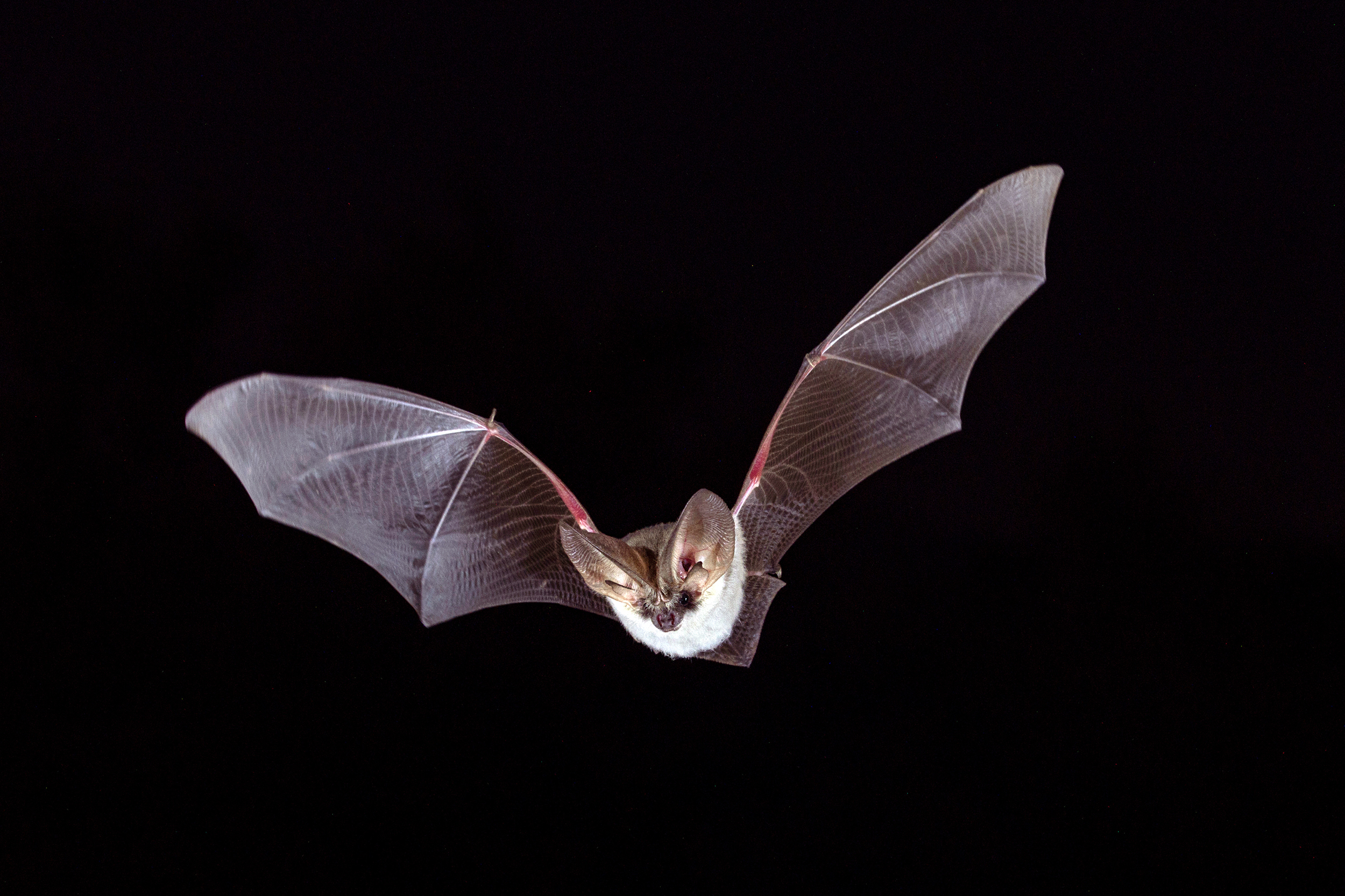
Bats have never had the best public relations team.
They come out at dusk, fly in quick, uneven patterns and have spent too many years tied to scary movies, old barns and Halloween decorations. For a lot of people, the first reaction to seeing a bat is ducking, squealing or hurrying back inside.
Out in the real world, especially across Texas, bats do quiet work most of us never see.
While we are closing gates, turning off barn lights, watering the last few plants or heading toward the house for the evening, bats are just getting started. Many of the bats found in Texas feed on insects, including moths, beetles and other night-flying insects. That makes them part of the natural system working across farms, ranches, ponds, creeks, barns and backyards after dark.
For farmers and ranchers, that matters. Insects do more than annoy you in the backyard. They can affect crops, gardens, livestock comfort and the general balance of the outdoors. Bats won’t wipe out every mosquito or pest insect on a place, but they are beneficial wildlife. They feed at night, after many birds and other daytime predators have quit for the day, which gives them their own role in the landscape.
Contrary to a common misconception, bats are not blind. Many bats use echolocation to find insects and move through the night, but they can also see. Another old fear is that bats want to fly into people’s hair. They do not. A bat flying low or close is usually chasing insects or trying to steer away, not looking for trouble.
Bats are still wild animals, though. Respect them, and don’t handle them.
Rabies is the main safety concern people think of with bats, and it is a serious one. Not every bat has rabies, but treat any bat found on the ground, acting strangely, unable to fly or inside a home with caution.
Never pick up a bat with bare hands. If a person or pet may have been bitten or scratched, or if there is any chance of contact while someone was sleeping, contact local health officials or animal control for guidance.
Common sense goes a long way. Keep pets vaccinated. Teach children not to touch wildlife. If a bat gets into a house, don’t panic, but don’t ignore it either. Close off the area if possible, keep people and pets away and contact the appropriate local professionals if there is any concern about exposure.
Around farms and ranches, bats may roost in trees, bridges, barns, old buildings or other sheltered places. Sometimes that is not a problem. Other times, especially if bats are getting into living spaces or busy work areas, you may need to exclude them.
Timing matters. In some cases, sealing an opening at the wrong time can trap young bats inside or create a bigger problem. Wildlife professionals or Extension resources can help property owners find the safest and most responsible way to handle a bat colony in a building.
Some people put up bat houses, which can be a good option when placed correctly. A bat house doesn’t guarantee that bats will move in, however. Location, height, sun exposure, temperature and nearby habitat all matter. Natural roosting areas are important, too, which is why dead trees, wooded edges, water sources and undisturbed spaces can help support bat populations.
Landowners don’t have to turn their place into a bat sanctuary. It can be enough to understand that bats have a job to do. They share the same outdoor world as songbirds, pollinators, frogs, owls, deer and the insects we notice whether we want to or not.
Bats are also a good reminder that something useful isn’t always pretty, popular or easy to appreciate at first glance.
Some of the hardest-working creatures on a farm or ranch are the ones we barely see. Bats don’t ask for attention or show themselves in daylight. They take the night shift.
The next time you see one dipping and turning through the evening sky, try not to think of it as spooky. Think of it as a neighbor clocking in after dark, doing its work while the rest of us head inside.





-
 Country Lifestyle2 years ago
July 2017 Profile: J.W. Hart
-
 Farm & Ranch2 years ago
From Plow to Plentiful: The Most Important Inventions in Agricultural History
-
 Attractions9 years ago
48 Hours in Atoka Remembered
-
 Equine9 years ago
Umbilical Hernia
-
 Country Lifestyle5 years ago
The Two Sides of Colten Jesse
-
 Outdoors9 years ago
Grazing Oklahoma: Honey Locust
-
 Farm & Ranch8 years ago
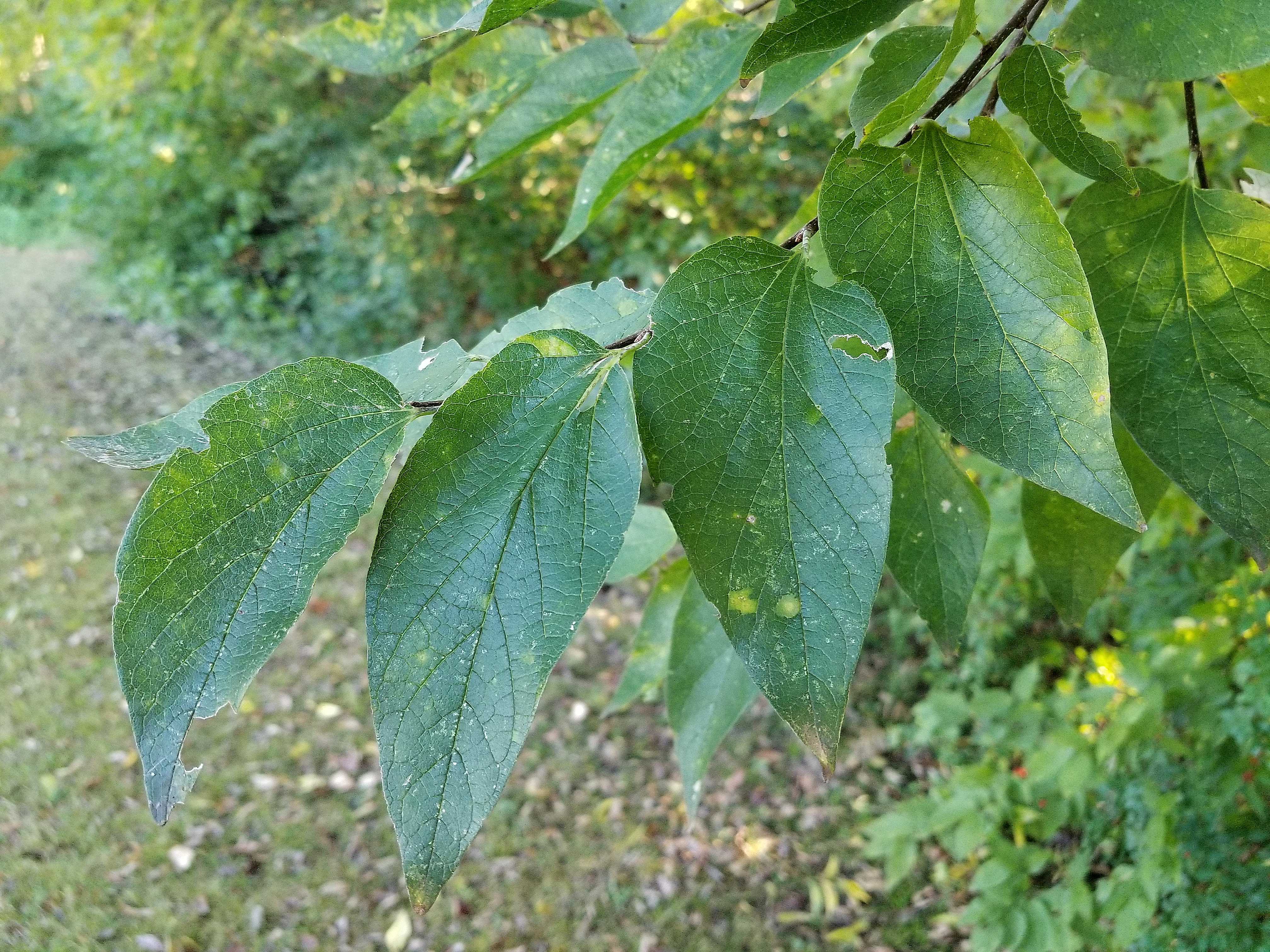
Hackberry (Celtis spp.)
-
 Attractions2 months ago
Oklahoma Ghost Towns – Navajoe