
Country Lifestyle
Where the Paved Road Ends: Boots and Pearls

By Beth Watkins
When I met G.W., it was very evident that this country boy and this city girl lived in two very different worlds, just two hours apart.
Many country songs have been written about the attraction of these two worlds: Cowboys and Angels, Ol’ Country, Ladies Love Country Boys. There is something very romantic about the idea of mixing boots and pearls.
The night that smooth talkin’, ball-cap-wearing redneck wrapped me up in his arms and planted a long slow kiss on my lips, I knew my world would never be the same, but I don’t think he realized to what extent his world was about to be rocked with all things girlie!
In the beginning, I was nervous about how to blend our worlds together. I was close to my family and grandbabies. But, he had a good job, so it only made sense for me to be the one to move.
So we got married and bought land. He promised to build me a house big enough for family to visit comfortably. I could see a challenge ahead of us. He likes everything to match, and his color pallet is earth tones. I love color, and I don’t like matchy-matchy.
He’s a rustic, log cabin kind of guy, and I’m a two-story pink Victorian kind of gal. We compromised and built a craftsman-style home.
When we met, his house was sparsely decorated; he had a few coffee cups all with advertisements written on them.
His plates and bowls didn’t match. In the shower there was one bottle of three-in-one hair and body soap.
On his bed was a brown plaid comforter, accented by a solid brown bed skirt. He explained, that in the closet he had pillow shams that matched; it was a set called “bed-in-a-bag.” I got the impression he was living very comfortably in a knick-knack free world.
Right before we met, I completely redecorated my home in a “Shabby Chic” theme, complete with crystal and bling. My decorating style is eclectic. It’s a good thing G.W. got to know me before I invited him over because his impression of me and my house after visiting was, “This woman is going to be high maintenance.”
After my house sold, we rented a U-Haul to move my things to storage until our new home was built.
Pick up the April issue to learn more!


By Sheri Glazier | Dirt Road Dietitian | DirtRoadDietitian.com
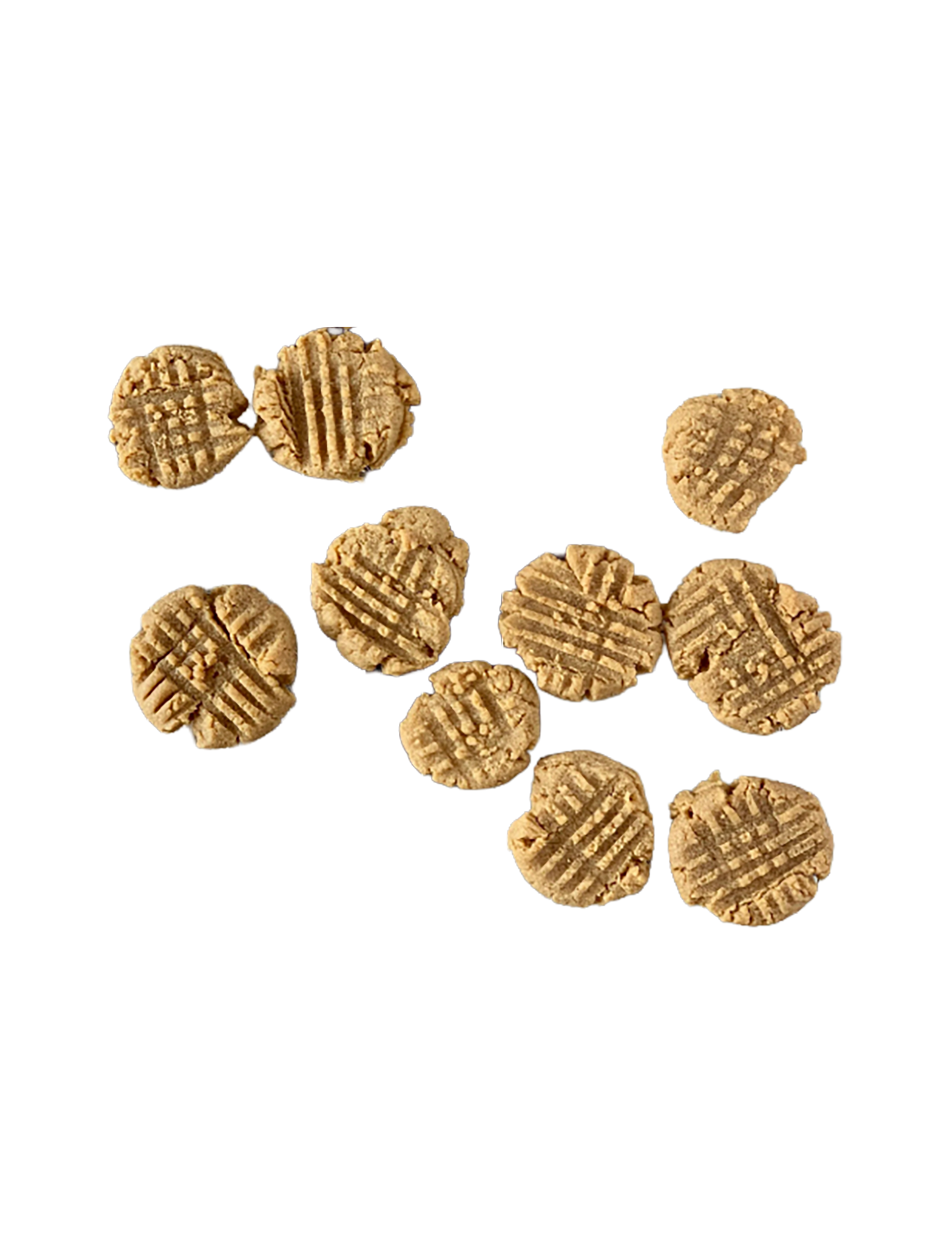
Check your pantry for peanut butter, sugar and eggs, and get to baking!
Ingredients
- 1 cup white sugar
- 1 cup peanut butter
- 1 egg
Instructions
- Preheat the oven to 350 degrees F.
- Mix all the ingredients together by hand or with a mixer.
- Once the dough comes together, form it into uniform balls and place them on a cookie sheet, lined with parchment paper if you have it.
- Gently press each ball down with a fork, making a crisscross pattern.
- Bake for 7 to 9 minutes.
Notes
These cookies have a softer, doughier texture, but they’re equally yummy in their own way. If you bake them too long, they’ll turn crumbly, but they’ll still disappear!
By NTFR Staff
Long before insulated tumblers became a fashion accessory, a vacuum bottle rode beside the lunch pail. It went to construction sites, schoolhouses, hunting camps and tractor cabs. On farms and ranches, it carried coffee through a cold morning and cold water through a hot afternoon.
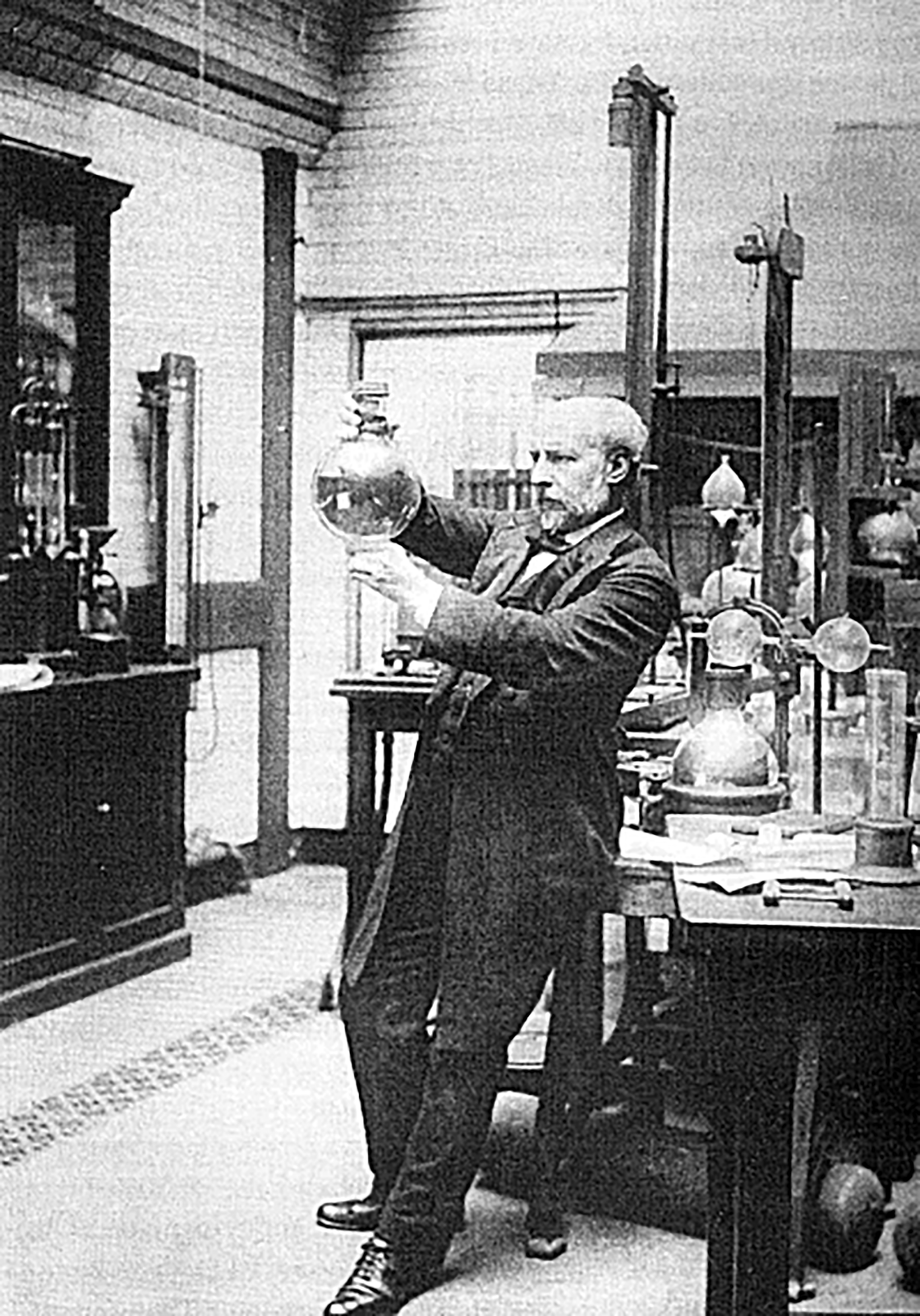
The idea began in a laboratory. Scottish scientist Sir James Dewar developed the vacuum flask in 1892 while working with very cold substances. His design placed one container inside another and removed much of the air between the walls. With less air to carry heat, the contents changed temperature much more slowly.
German glassblower Reinhold Burger and his business partner Albert Aschenbrenner adapted the scientific flask for household use and protected the fragile inner bottle with a metal case. In 1904, a naming contest produced “Thermos,” from the Greek word for heat.
The American Thermos Bottle Company formed in 1907, and the product found an audience far beyond laboratories. Early advertisements emphasized travel, work and the outdoors. The screw-on cap doubled as a drinking cup, and the bottle became a natural companion to the metal lunch box.
During World War II, Thermos factories devoted most of their production to bottles for military and specialized uses. By the middle of the century, the vacuum bottle had become an ordinary part of American work life. In 1966, the company introduced its first stainless steel vacuum bottle, moving the design away from fragile glass liners.
The word “thermos” became so common that people started using it for almost any insulated bottle. The company has spent decades trying to preserve the distinction.
Part of the workday
For rural America, the Thermos was always more than a clever piece of physics. It was part of the workday. If the pickup was going to be miles from the house until dark, lunch and coffee had to go with it.
The vacuum bottle arrived just as transportation was changing for farm families. People traveled farther to school and work, and trucks and tractors kept workers away from the farmhouse for longer stretches. Carrying a hot drink safely became a small convenience with real value.
Early glass liners worked well but broke easily. Anyone who remembers an old bottle remembers the unmistakable rattle of a broken liner. Stainless steel eventually made insulated bottles tougher and better suited to pickup floors, saddlebags and job sites.
The image was powerful enough that the vacuum bottle became part of the standard lunch kit. Children carried character lunch boxes with matching bottles. Railroad workers, oilfield crews and ranch hands carried larger versions built for long days away from a kitchen.
The physics
The physics is simple. Heat normally moves by conduction, convection and radiation. A vacuum between the inner and outer walls sharply cuts conduction and convection, because very few molecules remain to carry heat across the gap. Reflective surfaces and insulated lids help reduce the rest of the transfer.
That scientific origin makes the ordinary work bottle more interesting. A device invented to solve a laboratory problem ended up beside sandwiches wrapped in wax paper and coffee poured before daylight.
Technology has changed the container, but people carry one for the same reason. Today’s bottles may use stainless steel, better seals and new shapes, but the basic idea is still recognizably Dewar’s 19th-century laboratory flask.
The category has exploded into mugs, tumblers, food jars and giant handled cups, but the old pint bottle still makes sense. It is compact, refillable and designed around one problem: keeping the temperature inside from becoming the temperature outside.
By NTFR Staff
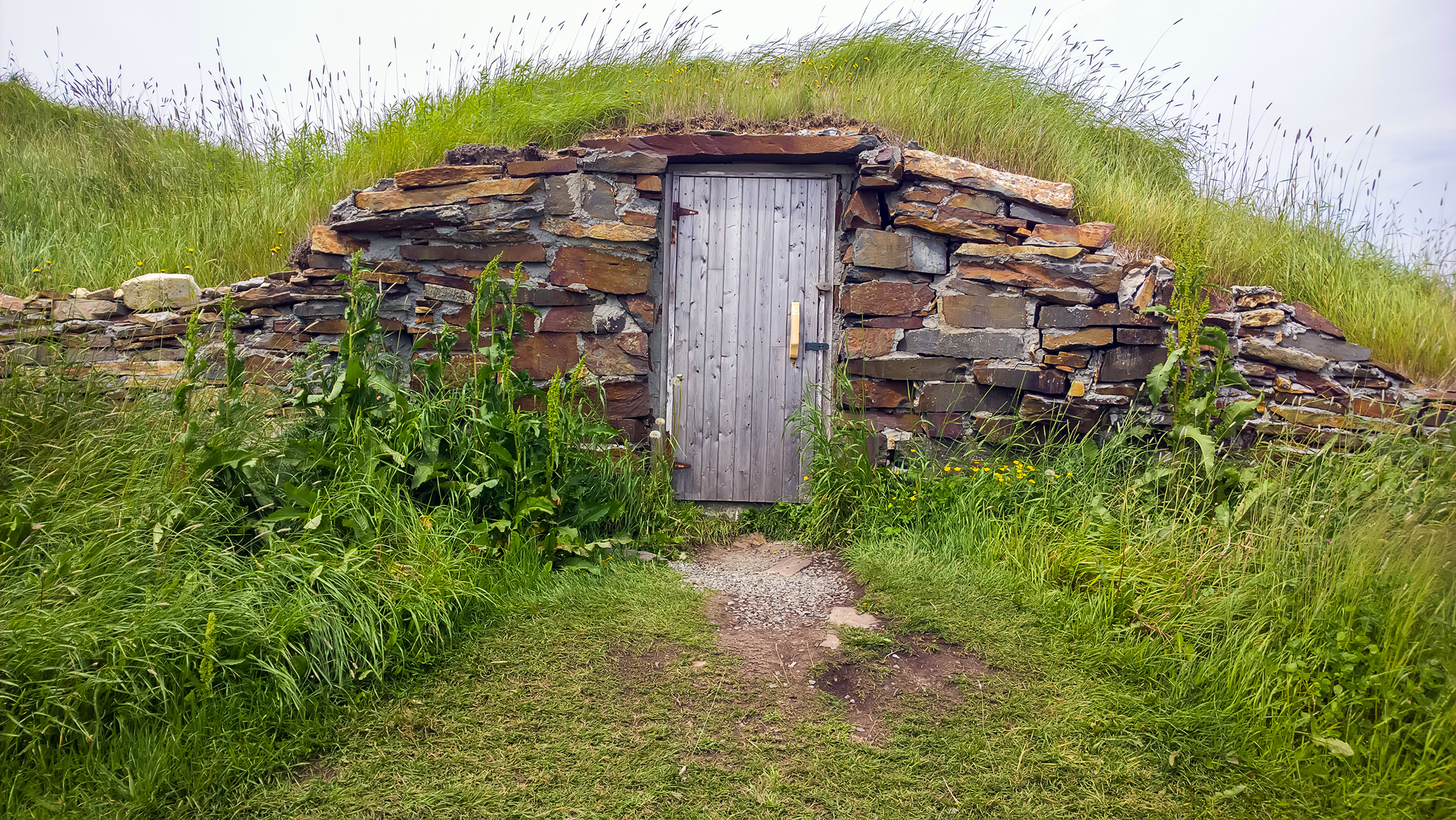
On older farmsteads, a low door in a bank or a small mound near the house can be the last clue that a family once stored much of its food underground. Before electric refrigeration, the root cellar was one of the most dependable ways to keep a harvest usable through winter.
The idea was simple. Soil changes temperature much more slowly than air. A room built partly or completely below ground stayed cooler through summer and was protected from the deepest winter cold. Families could keep root vegetables, apples, canned goods and other foods there under conditions that were hard to maintain inside a heated house.
Root cellars took many forms. Some were dug into hillsides. Others were pits lined with stone, brick or timber and covered with earth. One farm might have a cellar beneath the house, while another family built a separate structure near the garden. In tornado country, the same underground space could double as a storm shelter.
Cold, damp and ventilated
Good storage took more than cold. Humidity and ventilation mattered. Many root crops keep best in cold, moist conditions. Modern Extension guidance still lists roughly 32 to 40 degrees Fahrenheit with high relative humidity as good storage conditions for many vegetables. Moving air helps carry off the heat and gases stored produce gives off, because harvested vegetables stay biologically active after they are picked.
Different foods wanted different conditions. Onions and garlic prefer drier storage. Potatoes, carrots and many other root crops tolerate or prefer more moisture. Apples release ethylene and strong odors, so families often kept them apart from other produce when they could.
The best cellars used outside air strategically. Low intake vents and higher exhaust vents encouraged natural circulation, bringing in cold night air in the fall and releasing warmer air. In very cold climates, families had to manage the vents so produce didn’t freeze. The cellar needed attention, just less energy than mechanical refrigeration.
Rodents were constant competition. Doors had to fit well, vents needed screening, and bins had to be built so the family could find and remove spoiled produce. One rotten apple really could cause trouble nearby, because decay organisms and ethylene can speed up losses.
A cellar also forced families to check their food regularly. Potatoes sprouted, apples bruised and canned jars could fail. Good storage meant sorting produce and using it before spoilage spread. Nobody could forget food in the cellar until spring.
That routine explains why root cellars often sat close to the kitchen or garden rather than at the far edge of a property. Convenience mattered when somebody made the trip every day for potatoes, carrots, apples or canned goods. Food storage was part of the farmstead’s design, and an old root cellar shows how closely the farm household once followed the harvest calendar.
What changed
So what happened to the root cellar? Rural electrification and household refrigeration changed the equation. By the mid-20th century, refrigerators and freezers gave families more precise, convenient food storage inside the house. Grocery stores, better roads and year-round distribution reduced the need to keep an entire winter’s supply of produce at home.
Electricity didn’t erase the old storage methods overnight. Rural electrification spread gradually, and many households used root cellars alongside iceboxes, pressure canners and eventually refrigerators. As freezers got larger and grocery access improved, carrying food in and out of an underground room made less sense.
Many cellars became storm shelters or storage rooms, and others were simply abandoned. Today, interest in gardening, homesteading and low-energy food storage has brought the idea back in a small way. A modern root cellar can still work, but it needs the same things the old ones did: drainage, ventilation, rodent control and temperature management.
In North Texas, heat adds a challenge for anyone trying to revive the idea. A cellar must be deep and well insulated enough to keep from becoming a warm underground closet. Drainage matters just as much during heavy rain. The historic design principles still apply, but modern builders need to account for local soil, groundwater and building codes.





-
 Country Lifestyle2 years ago
July 2017 Profile: J.W. Hart
-
 Farm & Ranch2 years ago
From Plow to Plentiful: The Most Important Inventions in Agricultural History
-
 Attractions9 years ago
48 Hours in Atoka Remembered
-
 Outdoors9 years ago
Grazing Oklahoma: Honey Locust
-
 Equine9 years ago
Umbilical Hernia
-
 Country Lifestyle5 years ago
The Two Sides of Colten Jesse
-
 Farm & Ranch8 years ago
Hackberry (Celtis spp.)
-
 Attractions4 months ago
Oklahoma Ghost Towns – Navajoe