
Country Lifestyle
The Almanac: Old Wisdom, New Uses

By Savannah Magoteaux
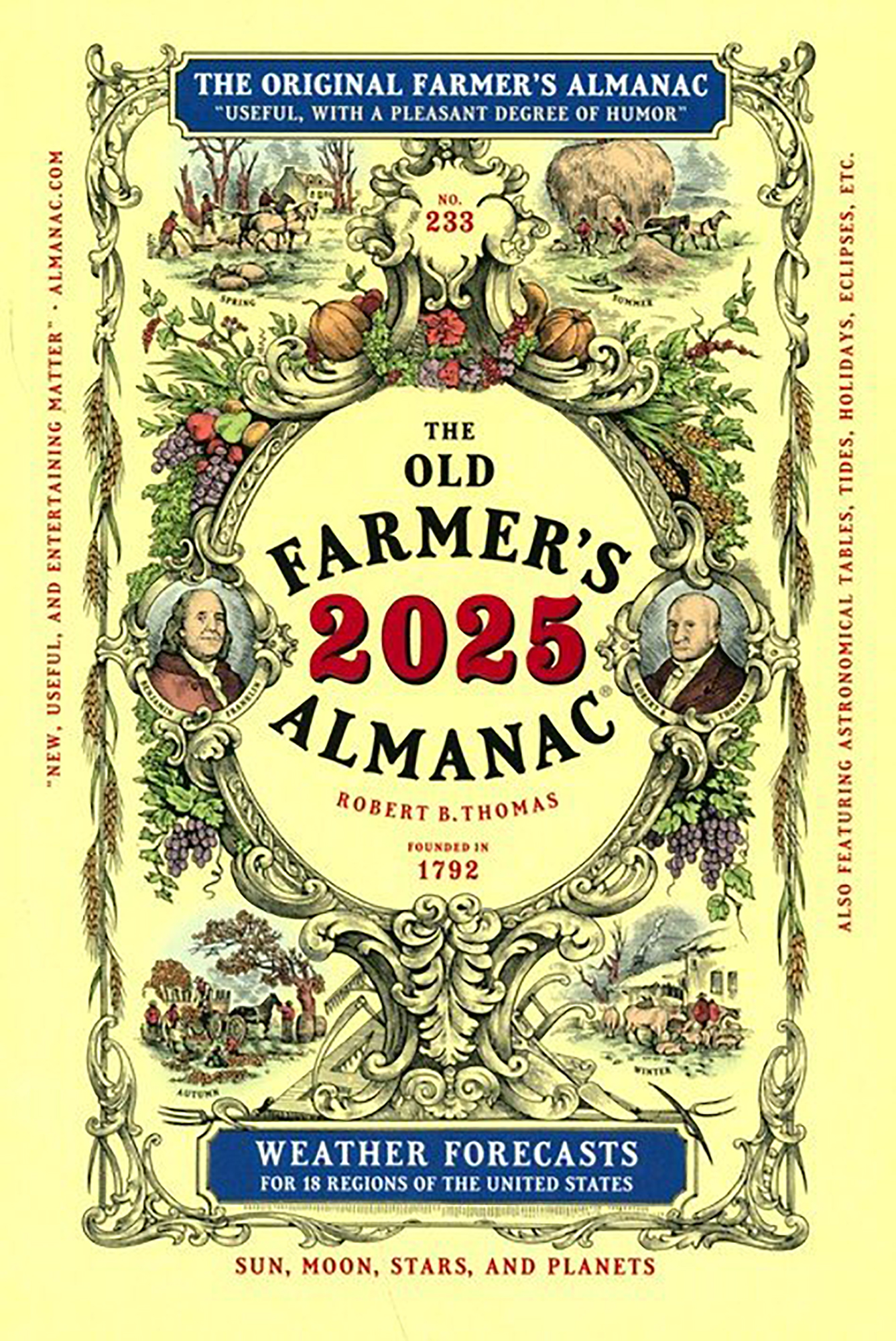
It may seem old-fashioned in today’s world of instant weather apps and precision farming tools, but for generations, farmers and ranchers have kept something tucked alongside their feed store receipts and fencing pliers: the almanac.
If you’ve ever wondered what makes an almanac different from a regular calendar—or how you can actually use one on the farm today—you’re not alone. The truth is, there’s a reason the almanac has stuck around for more than two centuries. It’s part tradition, part practical guide, and part good old country common sense.
What Exactly Is an Almanac?
At its simplest, an almanac is an annual publication that contains a wide variety of information:
- Weather forecasts (both short-term and long-range)
- Moon phases and sunrise/sunset times
- Best days for planting, harvesting, and other chores
- Tide tables
- Astronomical data (eclipses, meteor showers)
- Farming advice
- Home and garden tips
- Folk wisdom and humor
The Old Farmer’s Almanac, founded in 1792, is probably the most famous, but there are many versions today—including regional editions designed for specific areas of the country.
What sets an almanac apart is that it doesn’t just tell you what is happening; it often tells you when and how to do things based on seasonal rhythms, tradition, and long-standing patterns of nature.
How Are Almanac Predictions Made?
One of the most famous parts of the almanac is its weather forecast section.
While the exact methods are often kept secret, most almanacs combine:
- Historical weather patterns
- Solar cycles (like sunspots)
- Lunar phases
- Meteorological data
They aren’t as precise as modern radar forecasts, but they’re designed to give a general idea of what to expect for an upcoming season. Many readers use them more for planning and tradition than strict prediction.
Interestingly, some almanacs claim accuracy rates of around 80%, though independent studies suggest they’re closer to 50–60%. Still, for long-range planning—like when to schedule planting, hay cutting, or even branding days—many farmers find them helpful.
How to Use an Almanac Today
If you flip open an almanac today, you’ll find it offers much more than weather. Here are a few practical ways to use one on your farm or ranch:
- Planting by the Moon: Many people still plant certain crops according to the waxing and waning of the moon, believing that different phases influence root growth, fruit production, or hardiness.
- Scheduling Hay or Harvest: Long-range dry or wet forecasts can help you pick safer windows for cutting and baling hay.
- Livestock Planning: Some ranchers time breeding, calving, or vaccinations according to signs in the almanac (or at least avoid unlucky dates!).
- Gardening Tips: Almanacs are packed with advice on companion planting, pest control, and organic practices.
- Household Projects: Need to set fence posts or pour concrete? Some almanacs recommend the best days for setting things in the ground to “set stronger.”
Even if you don’t follow it to the letter, it can still offer a broader way of thinking seasonally—something that technology sometimes encourages us to forget.
Tradition Meets Technology
Many almanacs now have companion websites and apps, offering digital versions of their classic wisdom.
Still, there’s something satisfying about flipping through a paperback almanac, circling dates, and marking notes in the margins just like the generations before us.
It’s a reminder that even in a high-tech world, farming and ranching are still closely tied to the rhythms of nature—and a little old-school wisdom never hurts.
References:
- The Old Farmer’s Almanac – https://www.almanac.com
- Farmers’ Almanac – https://www.farmersalmanac.com
- University of Illinois Extension – Understanding the Farmer’s Almanac Weather Predictions
- National Weather Service – Historical Weather Patterns
SIDEBAR_
5 Fun Facts About the Almanac
1. It’s Older Than the U.S. Constitution.
The Old Farmer’s Almanac was first published in 1792—one year after George Washington was elected President.
2. There’s a “Secret Formula” for Weather Predictions.
The Old Farmer’s Almanac claims it uses a top-secret mathematical formula, created by its founder Robert B. Thomas, that factors in sunspots, tidal action, and planetary positions.
3. It’s Not Just One Almanac.
There are actually several famous almanacs, including the Old Farmer’s Almanac and the Farmers’ Almanac, and they’re produced by different companies with slightly different forecasting methods.
4. Moon Phases Matter.
Many planting and farming guides in the almanac are based on the waxing and waning of the moon. According to tradition, above-ground crops do better when planted during a waxing moon, and root crops thrive during a waning moon.
5. It Once Had a Hole in the Corner.
Early editions of the almanac were printed with a hole punched through the corner. Why? So farmers could hang them on a nail in the barn or outhouse for easy reading (and sometimes, as a backup to toilet paper)!
By Beth Watkins
I miss the days of living in a little one-stoplight town. Everybody knew everybody. If you rode your bike somewhere you weren’t supposed to be, by the time you got home your momma had already gotten a phone call. And if you sneezed on the east side of town, Miss Martha on the west side was already adding your sinuses to the church prayer list.
Every town had a few little old ladies who somehow knew everybody’s business and didn’t mind discussing someone else’s dirty laundry. Today, I guess they call it “spilling the tea.” The difference is, back then they whispered about it over coffee. Today folks post it before breakfast.
Social media wears me smooth out.
But it’s like watching a train wreck. You just can’t look away.
My sister, Glenna, lives a couple of hours from me. Most mornings, before noon, one of us sends the other a screenshot of the most jaw-dropping post we’ve found on our local community page.
One day someone posted, “Can somebody bring my mom and me a Pepsi? She gets paid tomorrow and will pay you back.”
I answered with nothing but a laughing emoji.
Then I sent her one from my town.
“Can somebody bring me a garden hose? My little girl wants to play in her kiddie pool, but I don’t have a hose to fill it.”
I texted my sister, “Do they own a bucket? A water pitcher? Maybe rinse out a trash can and carry water!”
Now before anybody gets their feathers ruffled, my sister and I have a pact. We never comment. We just send our replies to each other. My husband says we’d be labeled as “mean girls.”
We prefer to think of it as community service… spreading common sense from one end of Oklahoma to the other.
Now don’t misunderstand me. If your house burned down, your husband lost his job, or life knocked the wind out of you, neighbors ought to show up before you even have to ask. That’s what communities are for.
But somewhere along the way we stopped asking ourselves, “How can I figure this out?” and started asking, “Who can fix this for me?”
It wasn’t because life was easier. It was because people expected more from themselves and less from everyone else.
I miss that.
Sometimes I wonder how we’d survive if we had to live the way our grandparents did. Can you imagine how many folks would be in real trouble if they had to haul a bucket of water from the creek just to have water in the house?
I also miss when every thought didn’t need an audience.
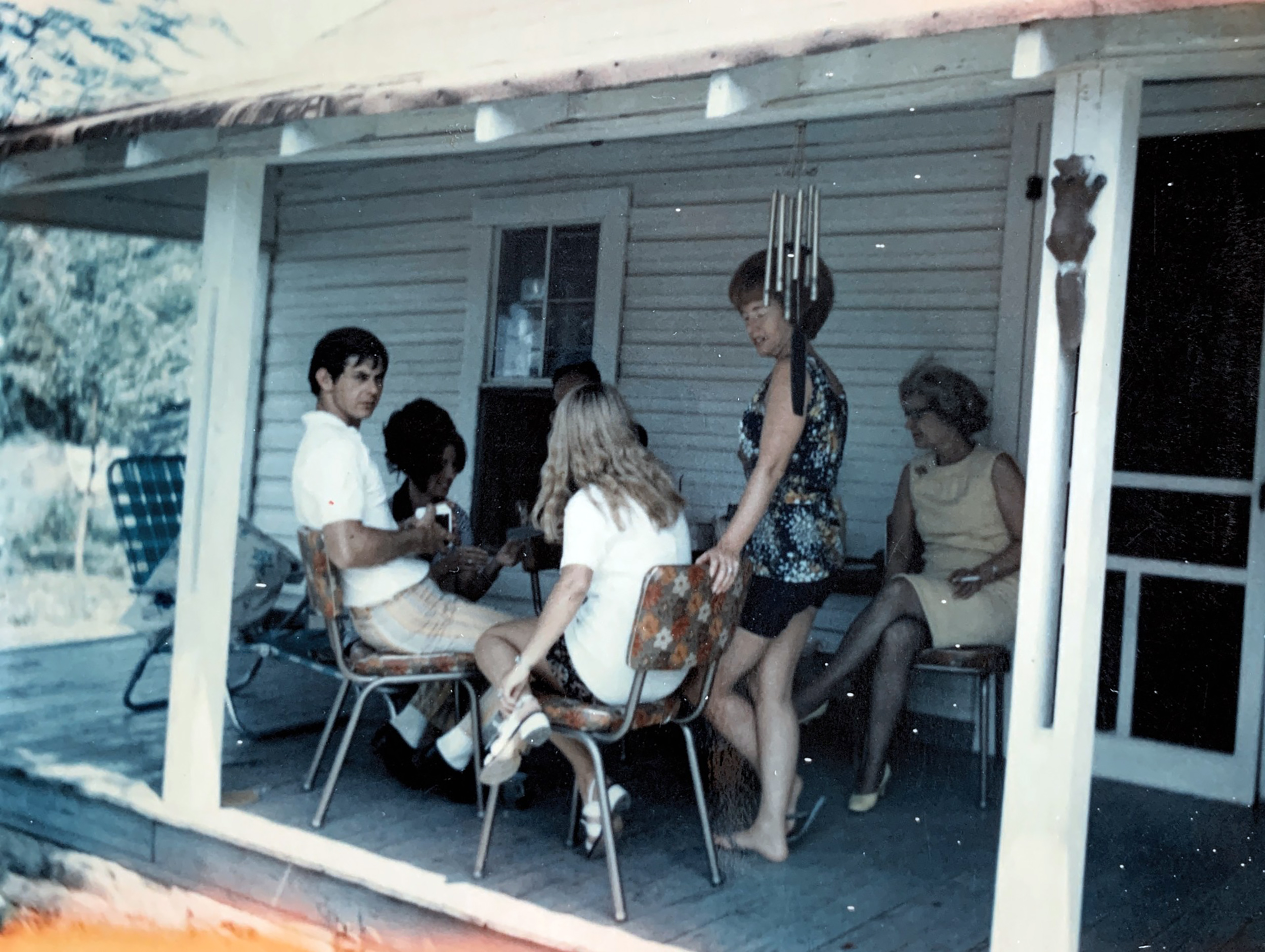
Back in my hometown there was a widow whose heart was bigger than her house. She loved to cook, and she loved having company. Instead of sitting on her front porch wishing someone would stop by, she’d cook a big meal and call the fire department or the police department and invite them over for supper.
She didn’t wait for community. She created it.
That little lady never threw herself a pity party. She never posted about being lonely or wondered why nobody came to visit.
She simply moved first… and they came.
She chose to be the blessing instead of waiting on one.
Remember when folks knew your business because they lived life alongside you? Today everyone knows your business because you posted it, with filters, hashtags and a play-by-play.
Now don’t get me wrong. I use social media too. It’s how I keep up with family and friends who live far away. I love watching babies grow up, seeing vacation pictures, celebrating anniversaries and rejoicing over answered prayers.
And yes… I use it for entertainment.
Y’all letting AI give you a makeover and posting it like it’s an actual picture… come on now. Every once in a while it’s fun to pretend your Fairy Godmother showed up with a pumpkin, a couple of mice and a little bibbidi-bobbidi-boo. But every day?
Cinderella… it’s after midnight. You’ve lost your shoe.
I miss when people were a little more humble. If they received a blessing, they thanked God for it. They let their character do the talking instead of their Facebook page.
Somewhere along the way we’ve traded humility for visibility.
In our little one-stoplight town, we didn’t need an app to find our friends. We knew exactly where they’d be. We’d spend Friday nights dragging Main, making lap after lap from one end of town to the other. If you didn’t have enough gas money, you’d park at the tag office or the school parking lot and sit on the hood of your car.
We were connected long before Wi-Fi.
The funny thing is, we have more ways to communicate than any generation before us, yet somehow we’ve never been lonelier. We can video call someone on the other side of the world, but many of us don’t know the name of the person who lives across the street.
We’ve traded front porches for Facebook, driveways for direct messages, and waving across the fence for clicking a thumbs-up emoji.
Maybe the answer isn’t another app, another platform or another community page. Maybe it’s remembering how we were raised.
Figure a few things out for yourself.
Keep a few things to yourself.
Help your neighbor before they ask.
Wave at people you disagree with.
Sit on a front porch every once in a while.
And every now and then… tuck your crazy in.

By Lacey Vilhauer
Ingredients
- 1 pound (16 ounces) ziti noodles
- 2 tablespoons olive oil
- 4 garlic cloves, pressed
- 1 medium yellow onion, diced
- 1 pound ground beef
- 1 pound mild Italian sausage
- 5 cups marinara sauce
- 1 teaspoon Italian seasoning
- 1 teaspoon kosher salt
- ½ teaspoon crushed red pepper flakes
- 2 cups shredded mozzarella cheese, divided
- 1 cup whole milk ricotta cheese
- ½ cup grated Parmesan cheese, divided
- 3 tablespoons chopped fresh parsley, divided
- ¼ teaspoon black pepper
- 2 large eggs
Instructions
Cook ziti according to package directions. Drain and set aside.
While the pasta cooks, heat olive oil in a large skillet over medium-high heat. Sauté garlic and onion for 2 minutes. Add beef and sausage and cook until browned. Drain off excess fat and return the meat to the skillet.
Add marinara sauce to the skillet. Use your favorite pasta sauce or make your own! Stir in Italian seasoning, salt and red pepper flakes. Simmer on low heat until the pasta is done. Stir half of the meat sauce into the cooked noodles and reserve the rest for layering.
In a small mixing bowl, combine 1 cup of the mozzarella, the ricotta, ¼ cup of the Parmesan, 2 tablespoons of the parsley, the black pepper and the eggs. Mix until combined.
Assemble the ziti in a 13×9 baking dish or in ramekins for individual servings. Spread half of the sauced noodles in the bottom. Dollop half of the cheese mixture over the top and spread it evenly, then add ½ cup of mozzarella and half of the reserved meat sauce.
Repeat with the remaining noodles, cheese mixture and meat sauce. Top with the remaining ½ cup of mozzarella and the remaining ¼ cup of Parmesan.
Bake uncovered at 375 degrees for 20 to 25 minutes, until bubbly and the cheese is melted. Remove from the oven and top with the remaining 1 tablespoon of parsley. Serve hot and enjoy!
By Ann Asher
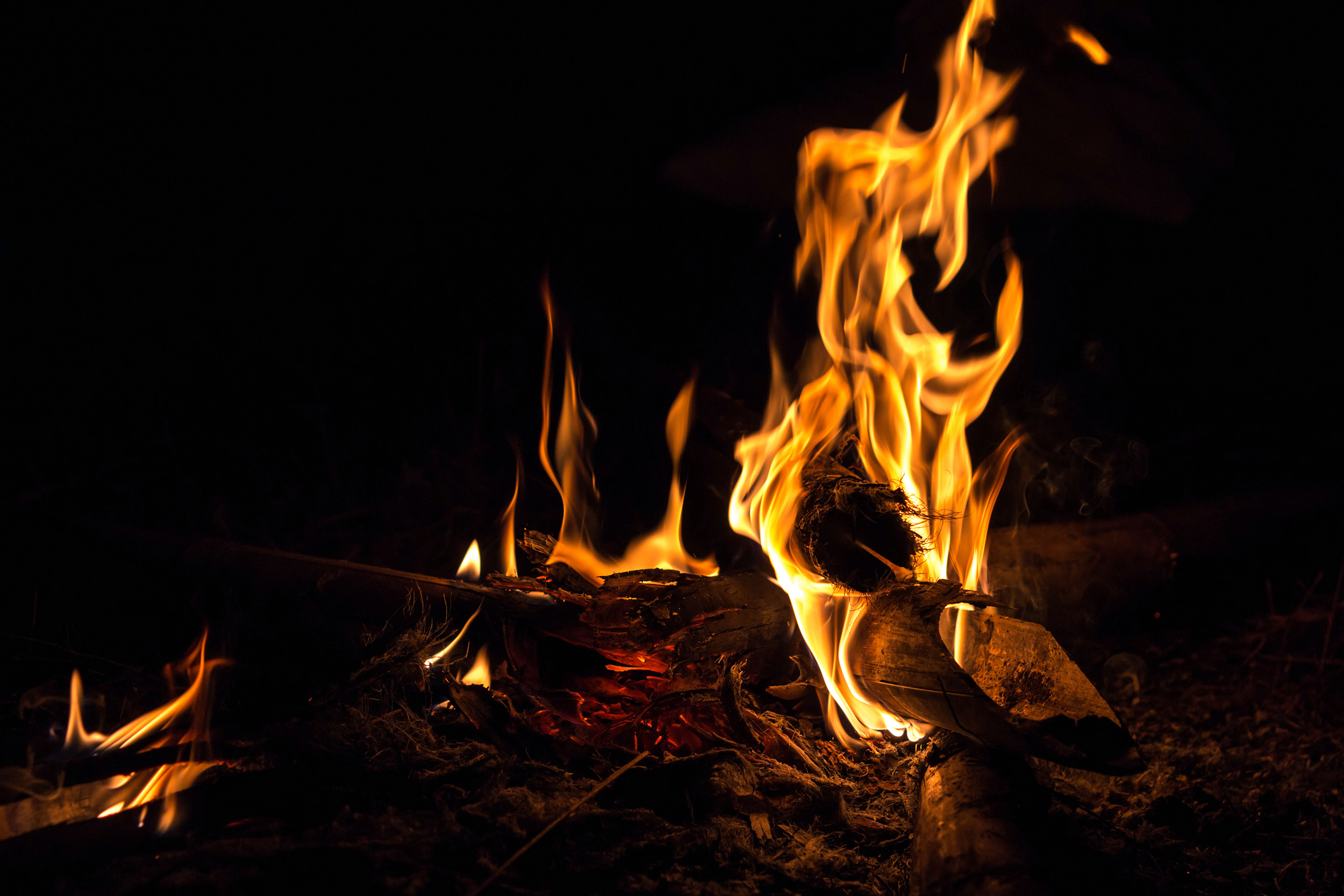
The first cool evenings of September make sitting outside sound good again. After months of Oklahoma heat, a fire pit, a few chairs and an evening outdoors can finally feel inviting.
Before you strike the match, take a few minutes to make sure your fire pit area is ready for fall.
Start with location. Set a fire pit on a level, noncombustible surface such as concrete, brick or patio blocks, not directly on dry grass or other vegetation. The National Fire Protection Association recommends keeping fire pits at least 10 feet from anything that can burn, including decks, siding, fences, overhanging branches and outdoor structures.
That distance matters even more after a dry summer. Even when evenings cool down, dormant grass, fallen leaves and other dry vegetation can catch a spark fast. Clear leaves, sticks and other debris from around the pit before you use it, and skip the fire on windy evenings.
Check whether your county or town has burn restrictions in place. Drought can linger well into fall, and local rules may change with fire danger. A fire that was fine one weekend may be a bad idea the next if conditions have worsened.
For wood-burning pits, use clean, dry, seasoned firewood. Don’t burn trash, treated lumber or painted wood. Never use gasoline or other flammable liquids to start or relight a fire. Commercial fire starters or ordinary kindling are much safer.
Once the fire is going, keep it manageable. A backyard fire pit doesn’t need to become a bonfire to keep you warm. Smaller fires are easier to control, throw fewer embers and are much easier to put out at the end of the evening.
Keep children and pets well away from the pit, and set chairs far enough back that no one sits directly over the heat or in the path of sparks. The NFPA recommends a three-foot child-free zone around the fire.
Look at what else is nearby before everyone settles in. Blankets, loose clothing, outdoor cushions and even the stack of firewood beside the pit can become hazards if they sit too close.
Keep a way to put out the fire within reach. A garden hose, a bucket of water or a shovel and dirt can all work, depending on your fire pit. Never leave a fire unattended, even if it seems to be dying down.
When the evening is over, make sure the fire is completely out. For a wood fire, water the coals, stir them and water them again until no heat, glow or flame remains. Let ashes cool completely, then store them in a metal container with a secure lid, away from anything that can burn.
A fire pit doesn’t need much to become one of the best parts of fall. A safe spot, a little preparation and a manageable fire are usually all it takes. Then all that’s left is finding a comfortable chair and enjoying an Oklahoma evening that is finally cool enough to stay outside.





-
 Country Lifestyle2 years ago
July 2017 Profile: J.W. Hart
-
 Farm & Ranch2 years ago
From Plow to Plentiful: The Most Important Inventions in Agricultural History
-
 Attractions9 years ago
48 Hours in Atoka Remembered
-
 Outdoors9 years ago
Grazing Oklahoma: Honey Locust
-
 Equine9 years ago
Umbilical Hernia
-
 Country Lifestyle5 years ago
The Two Sides of Colten Jesse
-
 Farm & Ranch8 years ago
Hackberry (Celtis spp.)
-
 Attractions3 months ago
Oklahoma Ghost Towns – Navajoe