
Farm & Ranch
When an Old Threat Returns

By Ann Asher
Then there are the diseases and pests that younger generations have only read about.
For decades, New World screwworm belonged in that second category. Older ranchers remembered the days when a simple branding wound or a newborn calf’s navel had to be watched closely because it could attract one of the livestock industry’s most destructive pests. Veterinarians still taught students how to recognize it, but for many producers, screwworm was something that had been conquered long before they ever worked their first set of cattle.
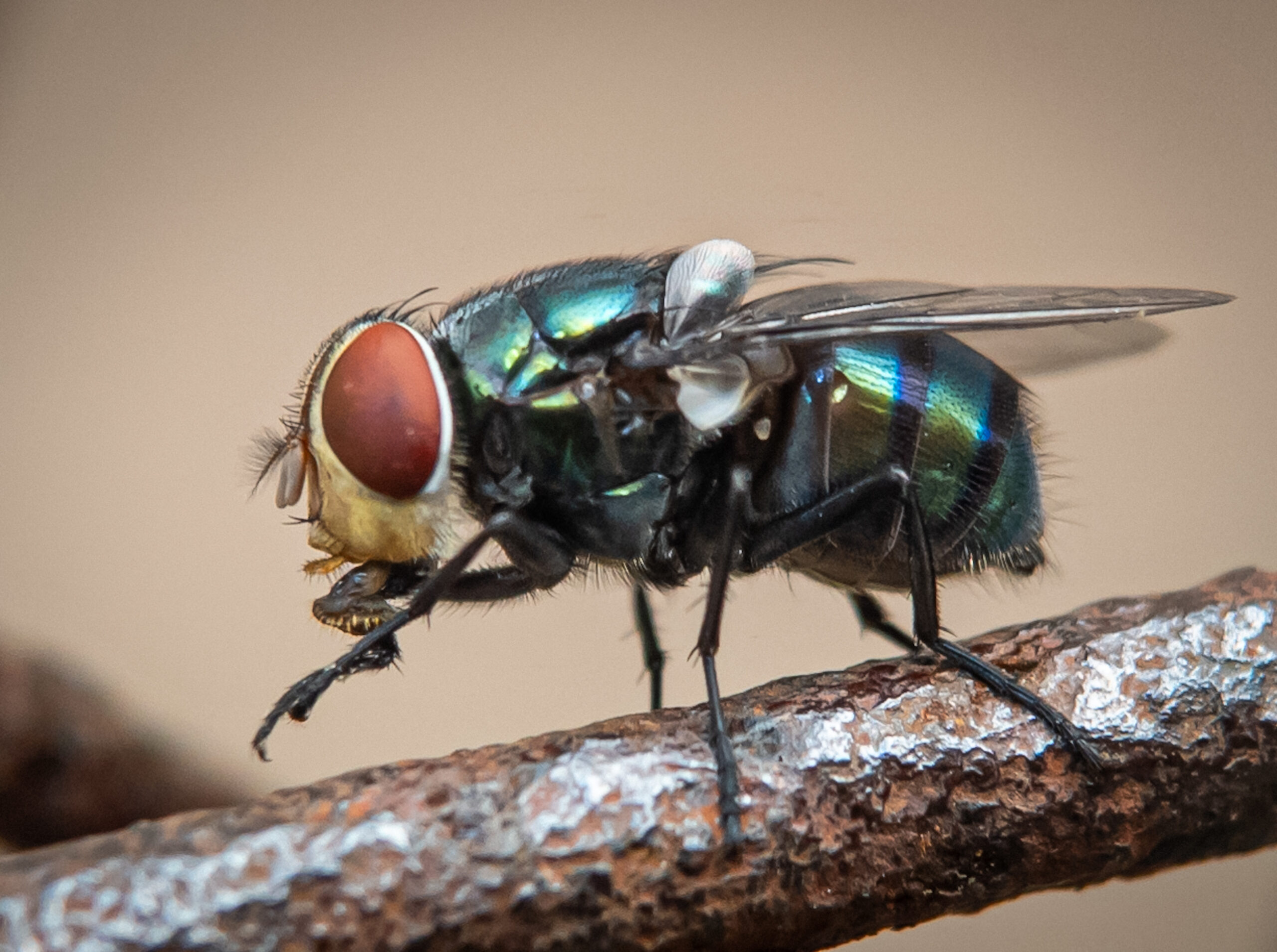
This summer, that changed. On June 3, 2026, the U.S. Department of Agriculture confirmed New World screwworm in a calf in South Texas, marking the parasite’s return to the United States after decades of successful eradication. While Oklahoma has not reported any confirmed cases, the discovery has ranchers across the Southern Plains paying close attention. The concern isn’t just where screwworm is today, but where it could be tomorrow.
Unlike the common maggots that feed on dead tissue, New World screwworm larvae feed on living flesh. Adult female flies are drawn to fresh wounds and natural body openings, laying hundreds of eggs at a time. Within hours, the larvae hatch and begin burrowing into healthy tissue, enlarging the wound as they feed. Left untreated, an infestation can become life-threatening.
There are some livestock problems that today’s ranchers know by heart. Pinkeye. Foot rot. Horn flies. Internal parasites. Most producers have dealt with them at one time or another.
The list of potential hosts is long. Cattle, horses, sheep, goats, pigs, dogs, wildlife and, in rare cases, people can all become infested. Even relatively small injuries—a wire cut, a tick bite, a branding wound, a castration site, a dehorning wound or a newborn calf’s healing navel—can provide an opportunity for the fly.
Fortunately, today’s producers have one advantage their grandparents often did not: they know what they’re looking for.
A wound that continues to grow instead of heal should never be ignored. Bloody or watery discharge, a strong foul odor, swelling, pain, visible larvae and unusual behavior such as excessive licking, head shaking or isolation from the herd all warrant a closer look. While these signs can indicate several different conditions, they should also prompt producers to consider the possibility of screwworm and contact their veterinarian immediately.
The return of screwworm has also reminded many people of one of agriculture’s greatest success stories.
During the mid-1900s, New World screwworm cost American livestock producers millions of dollars each year. Rather than relying solely on insecticides, scientists developed what became known as the Sterile Insect Technique. Millions of sterile male flies were raised and released into affected areas. Female screwworm flies mate only once during their lifetime. When they mated with sterile males, no offspring were produced. As generation after generation failed to reproduce, screwworm populations steadily declined until the pest was eliminated from the United States and later pushed farther south through Mexico and much of Central America.
That same strategy is once again leading the response.
Federal and state animal health officials have increased surveillance in affected areas, established movement controls where necessary and resumed sterile fly releases to prevent the pest from becoming established. Veterinarians, livestock markets and producers are all part of the early detection system, with every suspicious case helping officials determine where additional monitoring may be needed.
For Oklahoma producers, the message is one of awareness rather than alarm.
As of this writing, no cases have been confirmed in Oklahoma. Even so, Oklahoma shares a long border with Texas, and livestock routinely move throughout the region for sales, breeding, shows and grazing. That makes vigilance especially important during fly season.
Routine herd checks have always been one of the best management tools available, and they are even more valuable now. Fresh wounds should be treated promptly and monitored until they heal. Newly branded or processed cattle deserve extra attention, as do newborn calves, horses with injuries, sheep after shearing and any animal recovering from surgery or trauma. Wildlife can also serve as hosts, making complete prevention impossible, but early detection can make all the difference.
If producers suspect screwworm, they should avoid simply treating the wound and moving on. Instead, they should contact their veterinarian or the Oklahoma Department of Agriculture, Food and Forestry so the case can be evaluated and, if necessary, samples collected. Rapid reporting is one of the most effective tools available for limiting the spread of the pest.
Perhaps the most encouraging part of this story is that agriculture has faced this challenge before—and won.
The same science that eliminated New World screwworm from the United States decades ago is once again being deployed. Researchers understand the insect’s life cycle. Veterinarians know what to look for. Producers are better connected than ever through Extension services and state animal health agencies.
Screwworm may have returned to the United States, but so have the tools that defeated it the first time.
For Oklahoma livestock producers, the best response is also the simplest: keep an eye on your animals, don’t ignore wounds that aren’t healing, and report anything that doesn’t look right. When it comes to screwworm, finding one case early is far better than finding many too late.
By Barry Whitworth, DVM
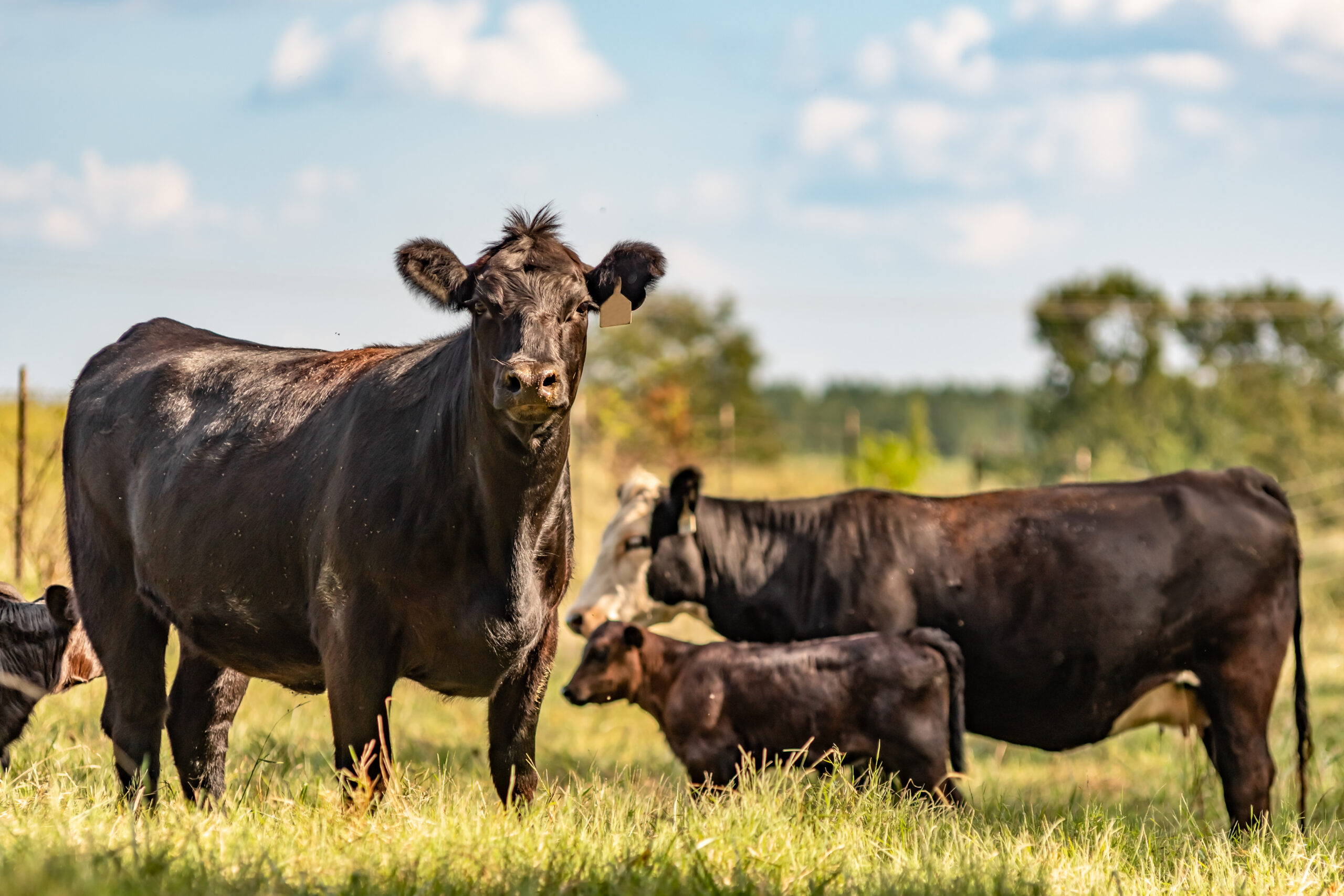
Over the past few years, Theileria orientalis has been detected in cattle in Oklahoma. Early cases were primarily diagnosed in adult cattle. However, more recent cases in Oklahoma have been identified in stocker cattle. All cattle producers should be familiar with the clinical signs of this disease and observe their cattle daily for any signs of trouble.
In the United States, the first case of theileriosis was identified in Virginia in August 2017. These cattle exhibited clinical signs of weakness and anemia. An initial diagnosis of anaplasmosis was made. Blood samples from the animals were tested for Anaplasma, Babesia, and Leptospira. Test results were negative for all three; however, a blood protozoan was detected. This organism was identified as T. orientalis genotype Ikeda. Since this initial herd outbreak, the organism has been detected in several states.
Cattle infected with and showing illness from T. orientalis genotype Ikeda may exhibit clinical signs such as fever, weakness, anorexia, and exercise intolerance. If forced to move, affected cattle may stagger and gasp for air. If stressed excessively, they may collapse and die. Upon examination, the gums, eyes, or vaginal mucosa may appear pale (white) or yellow in color. Reproductive losses, including stillbirths and late-term abortions, may occur, along with a reduction in milk production.
Clinical signs reported in adult cattle in Oklahoma include anemia, sudden death, weight loss, abortion, failure to thrive, and failure to calve. In stocker cattle, weight loss, anemia, poor performance, and sudden death have been reported.
Because Anaplasma marginale and T. orientalis genotype Ikeda produce similar clinical signs, distinguishing between the two can be challenging.
One notable difference is that clinical signs are more commonly observed in young cattle infected with T. orientalis, whereas this is less common in cattle infected with A. marginale. Additionally, cattle with anaplasmosis often display aggression, whereas those with T. orientalis genotype Ikeda typically do not. A laboratory test is required to definitively differentiate between the two diseases.
Haemaphysalis longicornis has been identified as a possible vector of T. orientalis genotype Ikeda. In 2017, the United States Department of Agriculture’s (USDA) National Veterinary Services Laboratories (NSVL) confirmed the presence of H. longicornis, commonly referred to as the Asian longhorned tick (ALT) or bush tick. In efforts to determine how the tick arrived in the United States, USDA officials discovered it had been present in West Virginia as early as 2010. The tick has now been confirmed in at least 26 states, including Oklahoma. There is also some evidence suggesting additional insect vectors may transmit T. orientalis genotype Ikeda. Needle transfer is another possible route of transmission.
The ALT has been identified in Craig and Mayes counties in Oklahoma. This tick thrives in areas with high humidity, such as wooded regions, brush, or tall grass. Ticks are often found where large numbers of wildlife congregate, such as along deer trails. Producers seeking more information about the ALT can visit the USDA website at: https://www.aphis.usda. gov/livestock-poultry-disease/ cattle/ticks/asian-longhorned.
In other countries, treatments have been developed for T. orientalis. Unfortunately, no approved treatments are currently available in the United States, and no vaccines exist for this disease. The best defense is prevention: purchasing cattle free of the organism, avoiding blood transfer between animals, and implementing effective tick control measures. Producers should purchase cattle from reputable sources. Instruments should be cleaned between animals during procedures such as castration or dehorning, and needles should always be changed between animals. External parasites must be controlled using appropriate insecticide treatments. In addition to insecticides, pasture management strategies—such as rotation to avoid wooded or brushy areas where ticks thrive—are important. Patch burning may also help reduce tick populations.
Theileria orientalis remains a concern for some cow/calf and stocker producers in Oklahoma. Producers seeking more information about T. orientalis genotype Ikeda should contact their local veterinarian or Oklahoma State University County Extension Agriculture educator.
References Hammer, J. F., Emery, D., Bogema, D. R., & Jenkins, C. (2015). Detection of Theileria orientalis genotypes in Haemaphysalis longicornis Ticks from Southern Australia. Parasites & vectors, 8, 229.
Oakes, V. J., Yabsley, M. J., Schwartz, D., LeRoith, T., Bissett, C., Broaddus, C., Schlater, J. L., Todd, S. M., Boes, K. M., Brookhart, M., & Lahmers, K. K. (2019). Theileria orientalis Ikeda Genotype in Cattle, Virginia, USA. Emerging infectious diseases, 25(9), 1653–1659.
Spickler, Anna Rovid. (2019). Theileriosis. Retrieved from http://www.iastate.edu/DiseaseUbfi/factsheets.php.
Watts, J. G., Playford, M. C., Hickey, K.L. (2016). Theileria orientalis: A Review, New
Zealand Veterinary Journal, 64:1, 3-9.
Few inventions changed the face of American agriculture as much as the steel plow. To settlers moving westward in the 19th century, the fertile black soils of the Midwest and Great Plains looked promising, but farming them proved nearly impossible with the tools of the day. Wooden and cast-iron plows stuck, broke, or clogged in the thick sod. That all changed in 1837 when a Vermont-born blacksmith named John Deere hammered out a new kind of plow with a polished steel blade. His design cut the earth clean, shed the sticky prairie soil, and opened vast new regions – including Oklahoma and Texas – to farming.
Early plows had served farmers in the eastern United States well enough. Wooden moldboards or cast iron blades could turn light, sandy soils. But when settlers reached the tallgrass prairies, they met a stubborn enemy: a dense mat of roots, sometimes several inches thick, holding sod together like a woven carpet. Trying to pull a wooden or iron plow through it was slow, exhausting work. Soil clung to the blade, forcing constant stops to scrape it clean. Even strong teams of oxen could only manage short furrows before the plow failed.
John Deere, working in Grand Detour, Illinois, spotted a solution. Drawing on his blacksmith skills, he repurposed a broken saw blade and shaped it into a curved plowshare. Unlike rough iron, the highly polished steel let the sticky prairie soil slip cleanly off with each pass. His first prototype, built in 1837, was followed by commercial models within a few years. Farmers who tested them quickly spread the word.
By the 1840s, Deere’s “self-scouring” plows were in high demand. They allowed a farmer to cut deep into prairie sod, overturning wide furrows that aerated the soil and prepared it for planting. What had once taken days of backbreaking work could now be done in hours. The barrier of tough sod, which had limited settlement and discouraged cultivation, was broken.
As thousands of families streamed westward after the Civil War, they carried Deere plows – or imitations of them – on wagons and trains. By the time Oklahoma was opened to settlement in the late 1800s, the steel plow was already a fixture on homesteads. In North Texas, it helped transform open prairie into wheat, corn, and cotton fields.
From Tool to Transformation
The steel plow was not just a better blade; it was a turning point in the history of American agriculture. By making prairie soils farmable, it opened millions of acres to cultivation. Wheat and corn production surged, fueling both local economies and national markets.
In Oklahoma and Texas, the plow shaped settlement patterns. Towns sprang up around fertile farmland, and railroads laid lines to carry grain and cotton to distant buyers. Farmers who once raised just enough for their families began producing surpluses. The steel plow helped push the U.S. toward becoming a global agricultural power.
But the story was not without consequences. Breaking the sod meant breaking the natural cover that had held prairie ecosystems together for centuries. Grasslands that had supported bison and protected soils were replaced with monoculture crops. While the plow unlocked prosperity, it also set the stage for soil erosion and, decades later, the Dust Bowl of the 1930s.
Culturally, the steel plow became a symbol of progress. John Deere himself built a company that still bears his name, and the green-and-yellow brand became synonymous with farming. Homesteaders told stories of how the polished blade “sang through the sod,” making it possible to turn dreams into harvests.
Even today, antique Deere plows stand in museums, barns, and pastures as reminders of the first great tool of prairie agriculture. Many families keep them as heirlooms, rusted but intact, a testament to the determination of those who first broke the land.
The steel plow was more than a piece of iron and wood. It was a key that unlocked the Great Plains, shaping the settlement of Oklahoma, Texas, and much of the West. It allowed farming where farming once seemed impossible, bringing prosperity and growth, but also altering landscapes in ways that would echo for generations.
Like barbed wire and windmills, the steel plow is part of the story of how ingenuity and necessity met on the frontier. It reminds us that every invention carries both promise and responsibility, and that the land we farm today still bears the marks of tools first forged nearly two centuries ago.
References
Deere & Company. Company History. https://www.deere.com
Smith, Philip. The Emergence of Agriculture in the Great Plains. University of Oklahoma Press, 1986.
Library of Congress. John Deere and the Invention of the Steel Plow.
National Museum of American History. “Plowing the Plains.” Smithsonian Institution.
Oklahoma Historical Society. Agriculture and Settlement in Oklahoma.
By Barry Whitworth, DVM, MPH | Senior Extension Specialist Department of Animal & Food Sciences | Ferguson College of Agriculture | Oklahoma State University
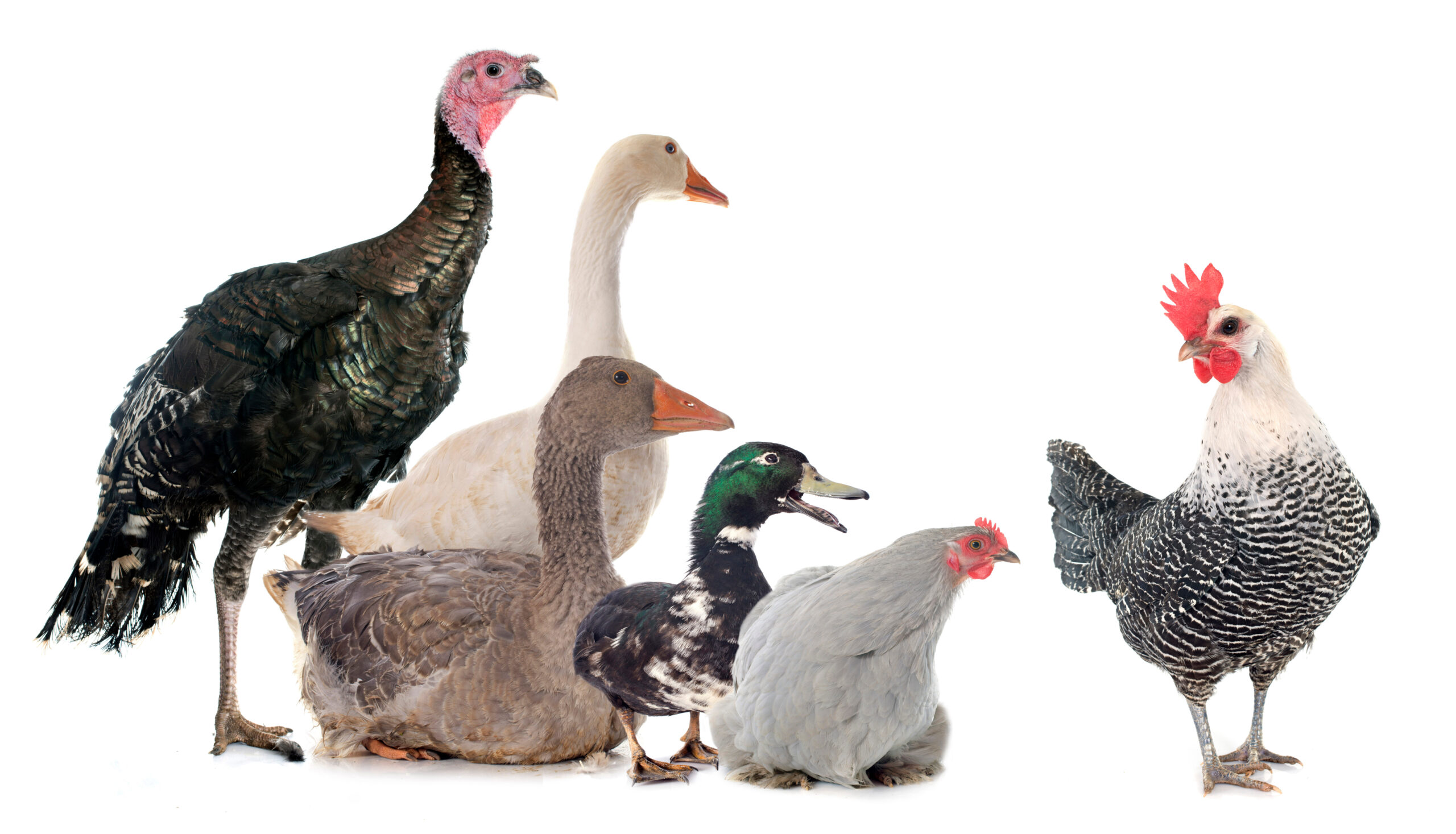
According to the 11th edition of Poultry Diseases, external parasites of poultry are arthropods that live on or in the skin and feathers. Essentially, parasites are freeloaders that live at the expense of the host. Backyard birds are infested with a variety of pests. Ticks, fleas, mites, and lice are some of the most common external parasites found in chickens, turkeys, and ducks. Several of these parasites are bloodsuckers. If not controlled, they can cause weight loss, decreased egg production, unthriftiness, and death in severe cases.
According to a study conducted by Dr. Amy Murillo and associates in California, the most common external parasites in backyard flocks were lice, fleas, and mites. Lice were the most frequently observed parasites, with the chicken body louse (Menacanthus stramineus) found on half of the premises inspected. The fluff louse (Goniocotes gallinae) was found in 35% of operations. The wing louse (Lipeurus caponis) and sticktight flea (Echidnophaga gallinacea) were present in 20% of flocks. Northern fowl mites (Ornithonyssus sylviarum), which are the most common mites found in commercial poultry operations, were detected in only 15% of flocks. However, the survey was conducted in the summer, which may have influenced the low number of northern fowl mites, since they are most active in the winter.
Birds infested with external parasites often become agitated due to skin irritation. They will spend more time preening and scratching. Their feathers may become damaged, and they may appear unhealthy. Birds showing these signs should be examined.
When examining birds for external parasites, producers should focus on the breast, back, head, vent region, and wings. Lice may be found on different parts of the body. They are yellowish in color and lie flat against the skin. Their eggs are typically found attached to the shafts of feathers. The vent area is the primary location to check for mite infestations and may appear “dirty.” Sticktight fleas are usually found embedded in the comb.
Birds should be monitored regularly. When producers are unable to examine all birds, they should focus on the young, the old, and any bird that appears unhealthy. The coop should also be inspected. Producers should examine the bedding, walls, and roosts, with close attention given to crevices and cracks where pests may hide.
Before parasite control can begin, the parasite must be correctly identified. Producers can use books or other publications for this purpose, or they may consult a veterinarian. Contacting the local Oklahoma State University Extension office is also a useful option. An agricultural extension educator may be able to identify the pest or submit samples to the Plant Disease and Insect Diagnostic Laboratory at Oklahoma State University for identification.
Prevention and control of external parasites require an integrated approach. The first line of defense is a strong biosecurity program to prevent parasites from entering the operation. Sanitation is also critical, keeping the coop and surrounding area clean helps prevent infestations.
Maintaining healthy birds is essential in preventing parasite infestations. Producers should focus on proper nutrition and disease prevention as they are key factors in maintaining a healthy flock. A strong immune system can help birds better withstand some external parasites.
Selecting the proper pesticide and using it correctly is essential. Many pests described in this article can be controlled with appropriate pesticides; however, their eggs are not killed, which requires repeated applications to target newly hatched larvae. Producers should read and follow pesticide label directions.
Alternative methods for external parasite control are also available such as providing diatomaceous earth mixed with sand for dust bathing or using sulfur bags to control mites and lice. For more information on these methods, see references below.
Finally, early identification and treatment greatly increase the chances of successful control. If infestations are allowed to become established, control becomes much more difficult.
For more information on external parasites in backyard poultry, producers may visit https://www.veterinaryentomology.org/ or contact their local veterinarian or Oklahoma State University County Agriculture Extension Educator.
References
Arends, J., J. (2003). External parasites and poultry pests. Diseases of Poultry. 11th Edition.
Murillo, A. C., & Mullens, B. A. (2016). Diversity and Prevalence of Ectoparasites on Backyard Chicken Flocks in California. Journal of medical entomology, 53(3), 707–71.
Murillo, A. C., & Mullens, B. A. (2016). Timing Diatomaceous Earth-Filled Dustbox Use for Management of Northern Fowl Mites (Acari: Macronyssidae) in Cage-Free Poultry Systems. Journal of economic entomology, 109(6), 2572–2579.
Murrillo, A.C., Mullens, B.A. (2016). Sulfur Dust Bag: A Novel Technique for Ectoparasite Control in Poultry Systems: Journal of Economic Entomology, 109(5), 2016, 2229-2233.





-
 Country Lifestyle2 years ago
July 2017 Profile: J.W. Hart
-
 Attractions9 years ago
48 Hours in Atoka Remembered
-
 Farm & Ranch2 years ago
From Plow to Plentiful: The Most Important Inventions in Agricultural History
-
 Equine9 years ago
Umbilical Hernia
-
 Country Lifestyle5 years ago
The Two Sides of Colten Jesse
-
 Outdoors8 years ago
Grazing Oklahoma: Honey Locust
-
 Farm & Ranch8 years ago
Hackberry (Celtis spp.)
-
 Equine6 years ago
On the Road with Emily Miller-Beisel