
Outdoors
Venomous Snakes of Oklahoma: What You’re Most Likely to Encounter

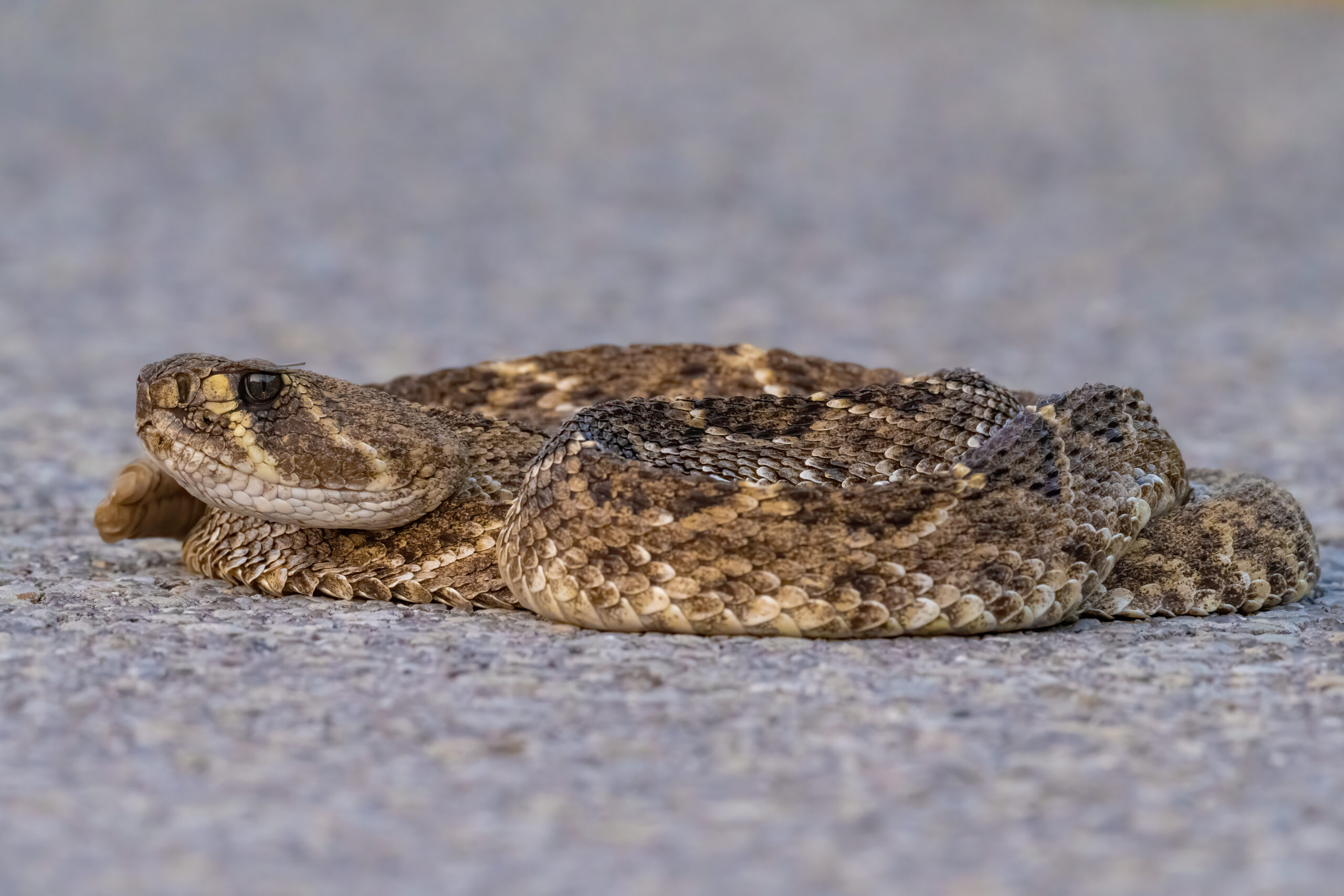
Oklahoma is home to a wide range of wildlife, and snakes are a regular part of life for anyone who spends time outdoors. From ranchers and farmers to hunters, hikers, and rural landowners, most Oklahomans will eventually cross paths with a snake. While the majority of species found in the state are harmless, there are a handful that deserve extra respect.
Many people believe Oklahoma has only three venomous snake species. In reality, the state has seven venomous species, but they fall into three main groups that are helpful to understand: rattlesnakes, copperheads, and cottonmouths. All of Oklahoma’s venomous snakes belong to the pit viper family, meaning they share similar physical traits and hunting behaviors.
Knowing what these snakes look like, where they live, and how they behave goes a long way toward reducing the risk of an unpleasant encounter.
Rattlesnakes
Rattlesnakes are the most recognizable venomous snakes in Oklahoma, largely thanks to the rattle at the end of their tails. That rattle is designed as a warning system, alerting large animals — including people — that they are too close for comfort.
Oklahoma has several species of rattlesnakes, ranging from large, heavy-bodied snakes found in western parts of the state to smaller species that prefer grasslands and rocky areas. They are commonly encountered in open rangeland, rocky outcrops, brushy pastures, and along fence lines. Rattlesnakes are also known to seek shelter under equipment, boards, or debris, especially during extreme heat or cooler months.
Despite their reputation, rattlesnakes are not aggressive. They typically remain still and rely on camouflage until a threat gets too close. While the rattle is often used as a warning, it’s important to understand that a rattlesnake may not always rattle before striking. Some rattles are damaged or broken, and a snake that feels suddenly threatened may strike defensively without warning.
Rattlesnake venom is hemotoxic, meaning it damages tissue and affects blood clotting. Any bite should be treated as a medical emergency, even if symptoms initially seem mild.
Copperheads
Copperheads are among the most frequently encountered venomous snakes in Oklahoma, particularly in the eastern half of the state. They are masters of camouflage, blending easily into leaf litter, brush piles, wooded creek bottoms, and rocky terrain.
Most copperheads are relatively modest in size, typically measuring between one and three feet long. Their most recognizable feature is the pattern of darker bands along their bodies, often described as hourglass-shaped. This pattern helps them disappear into the forest floor, which is why copperheads are often stepped on accidentally.
Copperheads rely heavily on remaining still rather than fleeing, which increases the chance of a close encounter. Many bites occur when someone unknowingly steps near or directly on a snake that never attempted to move away.
Although copperhead venom is generally considered less potent than that of some rattlesnakes, bites are still serious and require immediate medical attention. Pain, swelling, and tissue damage are common, and prompt treatment can prevent complications.
Cottonmouths
Cottonmouths, also known as water moccasins, are Oklahoma’s primary semi-aquatic venomous snake. They are most often found near water sources such as slow-moving streams, ponds, swamps, and marshy areas, particularly in southeastern Oklahoma.
Cottonmouths are thick-bodied snakes that can grow several feet long. Their coloration is often dark, sometimes making them difficult to distinguish from nonvenomous water snakes. One defining behavior gives them their name: when threatened, a cottonmouth may open its mouth wide, displaying a bright white interior as a warning.
While cottonmouths are commonly associated with water, they do travel over land and may be encountered on trails, levees, or near livestock ponds. Like other pit vipers, they prefer to avoid confrontation and rely on defensive displays rather than aggression.
Cottonmouth venom is hemotoxic and can cause significant pain, swelling, and tissue damage. As with any venomous snakebite, immediate medical care is critical.
All of Oklahoma’s venomous snakes share several general characteristics. They have broad, triangular-shaped heads, heat-sensing pits between the eyes and nostrils, and vertical pupils. While these traits can help with identification, it’s safest to avoid attempting close inspection altogether.
Most snake bites happen when people try to kill, handle, or move snakes. Others occur when visibility is poor and a snake is accidentally surprised. Simple precautions can significantly reduce risk: watching where you step or reach, wearing boots in tall grass or rocky areas, and giving snakes plenty of space when they are spotted.
Venomous snakes play an important role in Oklahoma’s ecosystems by controlling rodent populations and maintaining balance among prey species. While it’s natural to feel uneasy around them, understanding their behavior helps replace fear with awareness.
Venomous snakes are a fact of life in rural Oklahoma, but encounters rarely end in injury when people remain alert and respectful. Recognizing that Oklahoma’s venomous snakes fall into three main groups — rattlesnakes, copperheads, and cottonmouths — makes identification simpler and helps people make safer decisions outdoors.
With a little knowledge and caution, Oklahomans can continue to work the land, enjoy the outdoors, and coexist with these often-misunderstood animals that have been part of the landscape long before fences, barns, or back roads ever existed.
By Norman Winter | Horticulturist, Author, Speaker
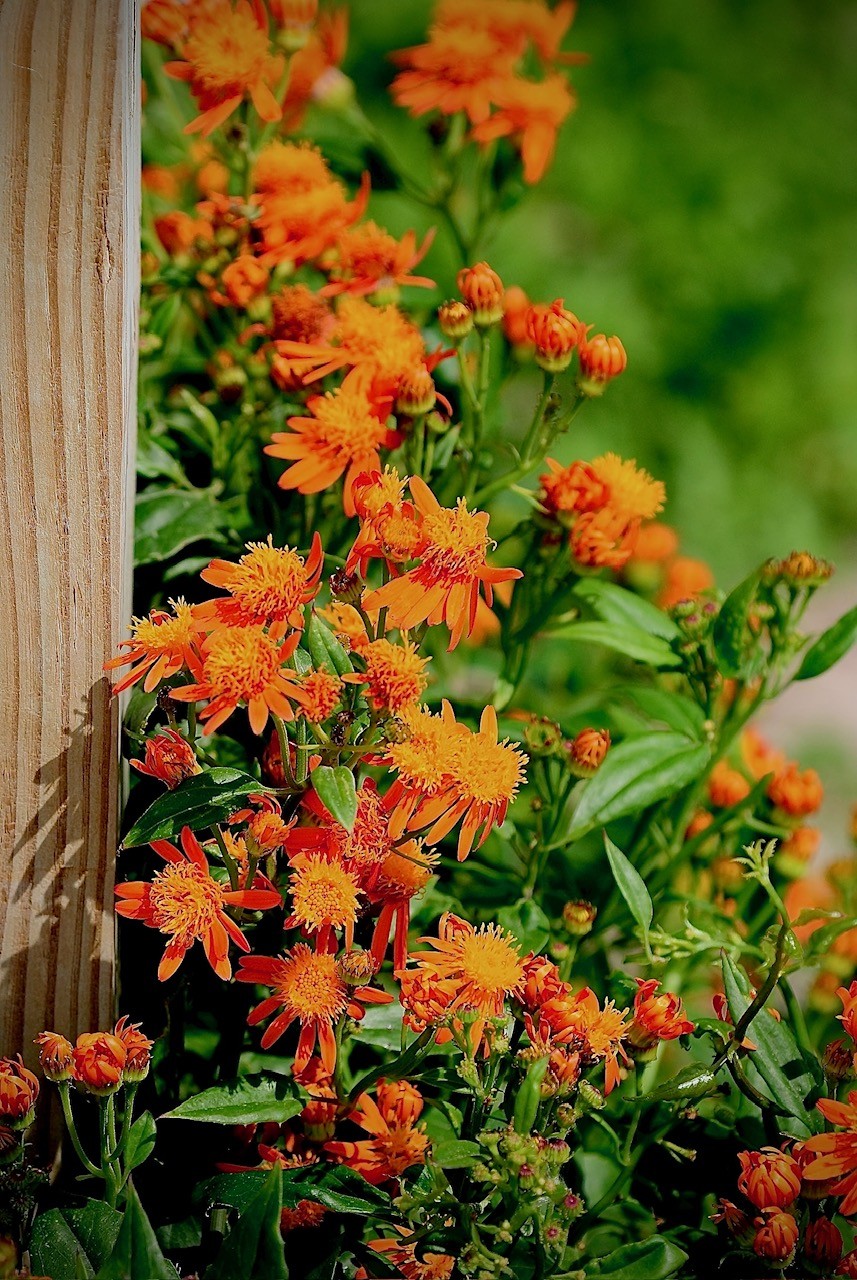
If you’ve read this column the past few years, you know I put great importance on choosing plants for pollinators around the farm or ranch, home or office. When those plants pack untold beauty, even better. This column aims to put one plant on your must-have list for 2027: the Mexican flame vine.
Names like Mexican Flame and Orange Glow tell you right away that this flower is bold and riveting in color. Add a vine that draws hummingbirds and butterflies and blazes fiery orange, and you have an award-winning plant.
To be honest, I think everyone should grow it for its botanical name alone, Pseudogynoxys chenopodioides. Imagine the look on your neighbors’ faces when they ask, “What’s that gorgeous vine you are growing?” and you tell them.
The Mexican flame vine is a woody tropical vine. Most references say it is cold-hardy in zones 9 and higher, but I have seen many return just fine in zone 8. It is worth every penny even as an annual. As the name suggests, the vine is native to Mexico, and it isn’t picky about soil. I’ve grown it in acid soil fit for azaleas and in soils more reminiscent of the desert. It belongs to the aster, or daisy, family, and you’ll quickly notice the resemblance.
I realize we are at the beginning of fall, but if you start sourcing now or talking to your favorite garden center, you’ll be ready for spring. When you get yours, dig a hole about twice as wide as the root ball and plant at the same depth it was growing in the container. Set the vine next to a structure for support, like a trellis, arbor or pergola. You may have the perfect fence post that could use a Mexican flame vine.
It is a compact vine that reaches only about 10 feet tall, and it tolerates drought once established. You’ll need to do a little training to get it climbing. You’ll also like that pests rarely bother it.
The vine reblooms reliably, and if you need to cut it back a little, it will quickly send out new growth and another round of blooms. That blazing orange screams to be planted with complementary blue flowers. My first choice would be blue salvias like Unplugged So Blue or Rockin’ Playin’ the Blues. If you’re bold and want a native, consider the late-summer-blooming hardy ageratum, known botanically as Conoclinium coelestinum.
Once yours is growing, you’ll notice all sorts of butterflies feasting on the rich nectar. Red admirals, fritillaries, monarchs and yellow sulphurs of all sorts will visit regularly.
Vines give the landscape a vertical dimension, much like hanging a mirror or picture on a wall indoors. The Mexican flame vine will be one of the most dazzling additions to your garden. Start sourcing yours now so you’re ready for spring.
Follow me on Facebook @NormanWinterTheGardenGuy for more photos and garden inspiration.
By Savannah Magoteaux
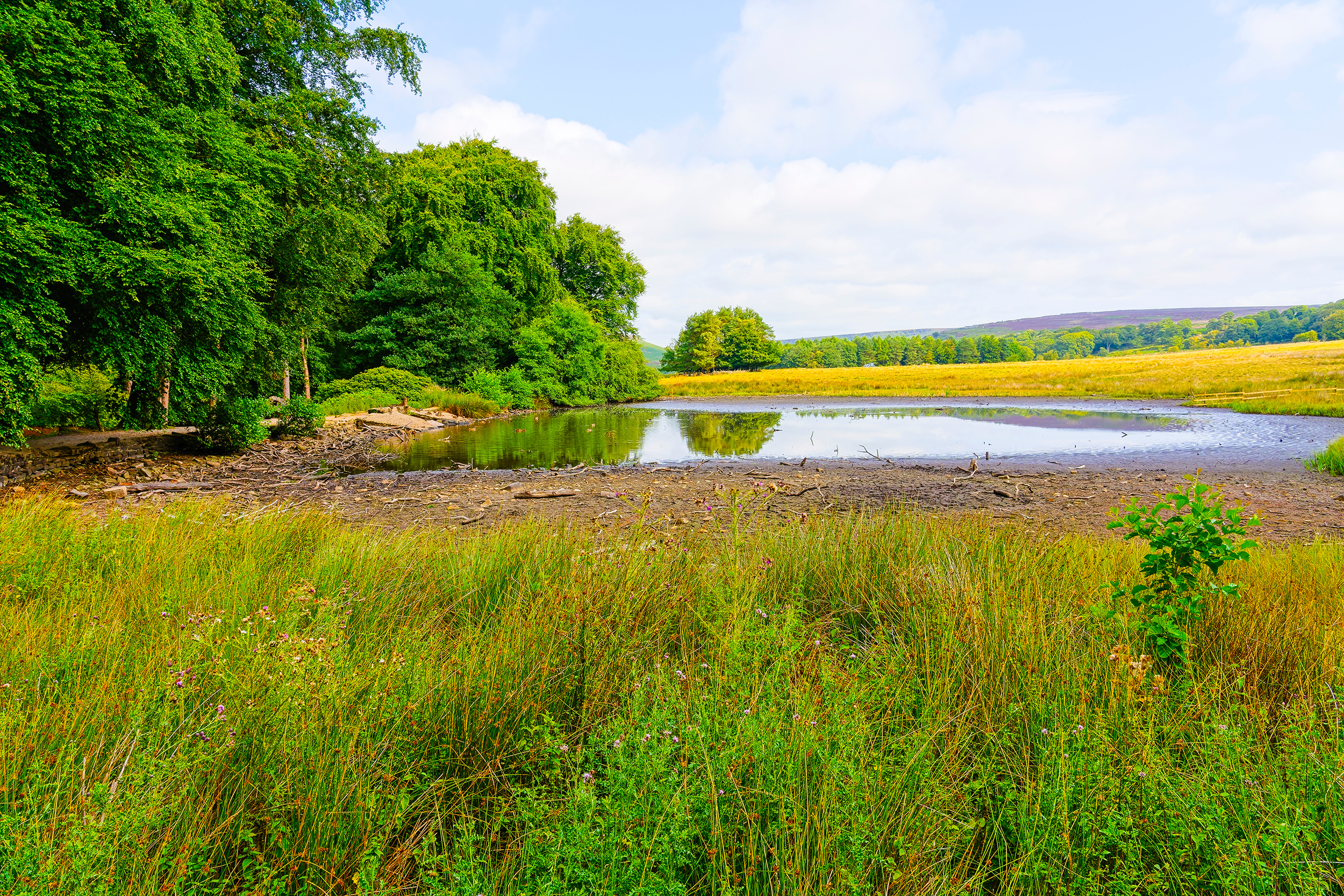
Right now, our ponds are looking a little tired.
Water levels may be down after weeks of heat and limited rain. Vegetation can be thick around the edges, the water may be warm and murky, and the bass that seemed willing to bite in spring can feel impossible to find.
But don’t give up on the pond just yet.
Late summer can be a hard time for fish. Warm water holds less dissolved oxygen than cool water, and oxygen levels matter even more in ponds with heavy plant or algae growth. In Oklahoma, oxygen depletion is one of the leading causes of pond fish kills.
Those conditions also change where fish spend their time. During the hottest part of the day, bass may slow down and move to more comfortable spots, including deeper water, shade, aquatic vegetation or structure. That makes early morning and evening good times to fish during the last hot weeks of summer.
Pay attention to cover, too. Submerged vegetation, brush, logs and other structure give bluegill and other small fish places to find food and protection, and bass are often nearby. Oklahoma State University Extension notes that some aquatic vegetation benefits a fishing pond, with about 20 percent plant coverage considered ideal.
Then September begins to bring a change.
Cooler nights gradually lower water temperatures, and fish that have been sluggish through the hottest part of summer often become more active. Bass start feeding more aggressively as conditions improve, and baitfish movement can make shallow areas productive again.
That doesn’t mean every cool morning will fill a stringer. Farm ponds are small ecosystems, and each one responds differently depending on depth, water clarity, vegetation, fish populations and rainfall.
Watch the pond itself during this transition. Fall can bring pond turnover, when the layers of water that formed during warm weather mix. If the deeper water holds little oxygen, that mixing can temporarily lower oxygen throughout the pond. Fish gulping at the surface, especially early in the morning, can signal an oxygen problem.
For most anglers, though, September has less to do with worrying over every change in the water and more to do with recognizing that the pond is entering a new season.
Fish earlier and later in the day while temperatures stay high. Work around vegetation and structure. As cooler weather settles in, try shallower water again and watch for signs of baitfish.
That farm pond that seemed nearly lifeless on an August afternoon may have plenty going on beneath the surface. Sometimes all it takes is a cooler morning, a little patience and one more cast.
By OKFR Staff
Drought is easy to see in a pasture. Grass turns brown, ponds shrink, creeks stop running and crops struggle. It’s harder to see what those same conditions are doing to wildlife.
For deer, turkey, quail and countless smaller species, drought changes much more than how much water is available. It changes where food grows, how much cover the land offers and, in some cases, how successfully animals reproduce.
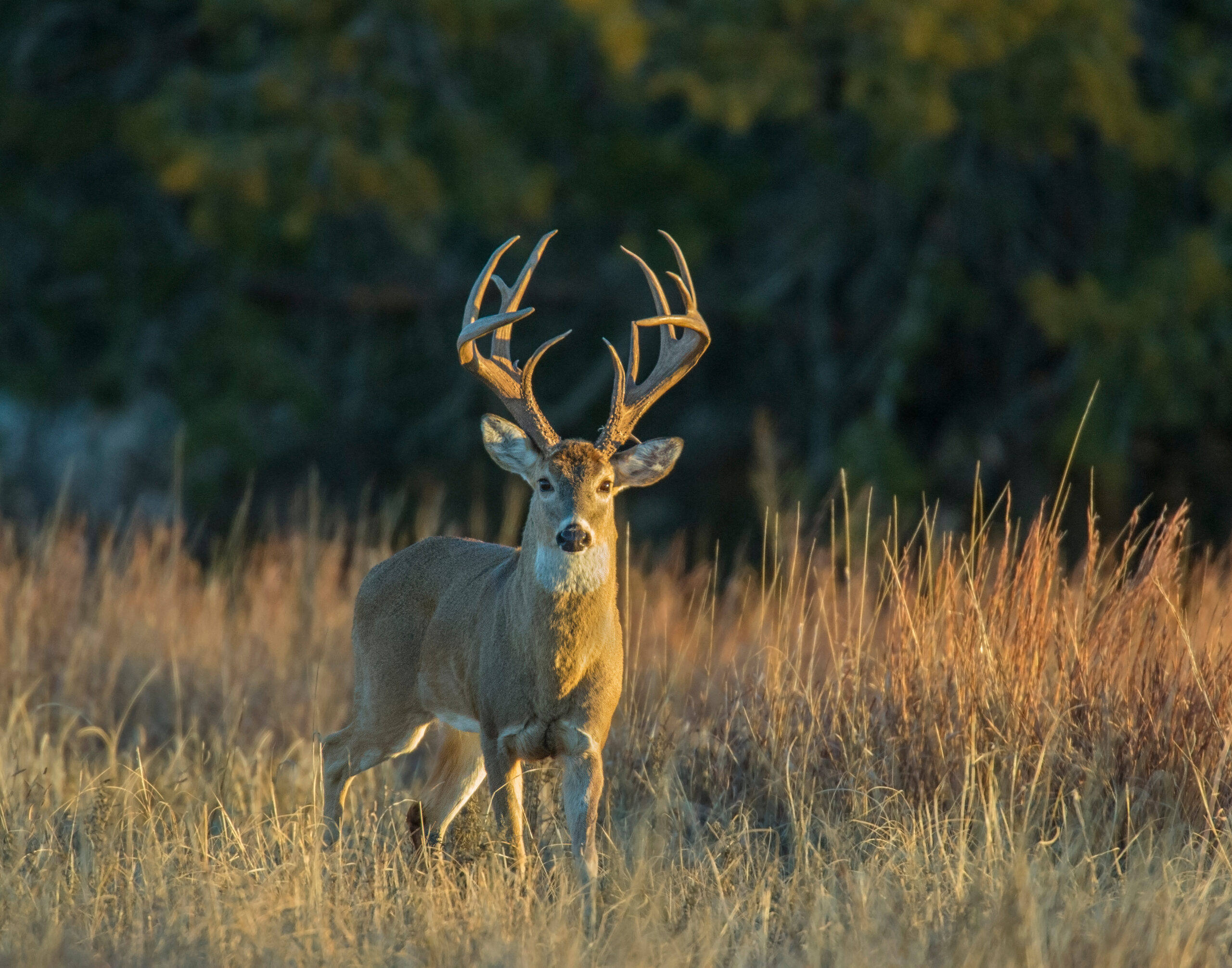
White-tailed deer are a good example. Deer can go surprisingly long stretches without drinking from a pond or creek if they have succulent plants that supply moisture. During drought, those plants become scarcer and lower in quality. Deer may start eating plants they would normally pass over, and dry years can affect body condition and antler growth. Research in Oklahoma has also shown that fawn production tends to rise and fall with rainfall, so prolonged drought matters when you look at the health of a deer herd over time.
Turkeys face many of the same challenges. Adult birds can get much of the moisture they need from fruits and succulent plants, but drought cuts into those foods. It also affects insects, which young poults depend on. Good brood habitat includes broadleaf plants and plenty of insects, and when dry weather reduces both, young birds have less to eat at a critical stage of life.
Quail may surprise people. Northern bobwhites don’t necessarily need to visit standing water every day. They can get moisture from green vegetation, insects, fruit and even dew. Drought still makes their lives harder by reducing those foods and changing the plant structure they depend on for nesting, feeding and escape cover.
That is why putting out more water isn’t always the whole answer. Oklahoma State University research found that supplemental water can concentrate quail around water sources but hasn’t been shown to increase quail numbers, even in drought years. The bigger issue is habitat. Wildlife need food, cover and space along with access to moisture.
For landowners, some of the best drought help may already be growing on the property.
Avoiding overgrazing leaves more grass and broadleaf plants for wildlife. Leaving brushy areas, native vegetation and field edges undisturbed can provide valuable cover when the surrounding landscape is dry and sparse. Trees and shrubs along creeks and drainages give animals shade, cover and travel corridors.
Water sources still matter, particularly where drought has dried up ponds and streams. If wildlife can reach livestock tanks, ponds or other artificial water sources, make sure animals can get in and out safely. Steep-sided tanks can trap birds and small mammals, so add escape ramps or other exits.
Landowners may also be tempted to start supplemental feeding right away. Feeders and food plots can attract wildlife, but they don’t replace healthy habitat. Food plots may struggle in the same drought that is hurting native vegetation, and concentrating animals around feeders can raise other concerns, including disease transmission and heavy pressure on nearby plants.
Drought also changes wildlife behavior. As resources run short, animals may travel farther or gather around the few places left with food, water and cover. That can make wildlife look more abundant in some spots even while the overall population is under stress.
The effects don’t always end with the first good rain, either. Vegetation takes time to recover, ponds may need repeated rains to refill, and a hard spring or summer’s reproductive losses can’t be reversed overnight.
Oklahoma wildlife are used to changing weather. Dry years are part of the landscape, just like wet years, and most native species have ways of adapting. The longer and more severe a drought becomes, though, the harder those adaptations have to work.
If you want to help wildlife through a dry spell, focus less on replacing everything nature isn’t providing and more on protecting what remains. Conserving cover, avoiding unnecessary disturbance, managing grazing carefully and keeping water sources safe can give wildlife a better chance until the rain returns.





-
 Country Lifestyle2 years ago
July 2017 Profile: J.W. Hart
-

 Farm & Ranch2 years ago
From Plow to Plentiful: The Most Important Inventions in Agricultural History
-
 Attractions9 years ago
48 Hours in Atoka Remembered
-
 Outdoors9 years ago
Grazing Oklahoma: Honey Locust
-
 Equine9 years ago
Umbilical Hernia
-
 Country Lifestyle5 years ago
The Two Sides of Colten Jesse
-
 Farm & Ranch8 years ago
Hackberry (Celtis spp.)
-
 Attractions3 months ago
Oklahoma Ghost Towns – Navajoe