
Farm & Ranch
Neosporosis in Cattle

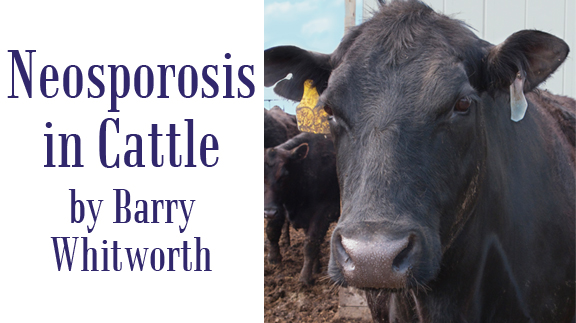
The disease Neosporosis was first described in dogs in Norway. The infected dogs had a neuromuscular condition that resulted in hind limb paralysis. The protozoan that caused the disease was Neospora caninum. Since the initial discovery, the parasite has been a nemesis to cattle producers worldwide. It is one of the more common causes of abortion in cattle.
N. caninum is an intracellular protozoan. The definitive host is dogs or other canids such as coyotes or foxes. Canids are infected with the parasite by ingesting cysts from infected tissues such as an aborted fetus, placenta or tissue from a dead cow or other intermediate host.
Once the parasite is ingested, the lifecycle begins. The completion of the lifecycle ends with the passing of oocysts (eggs) in the feces.
Learn more in the September issue of OKFR.
By Savannah Magoteaux
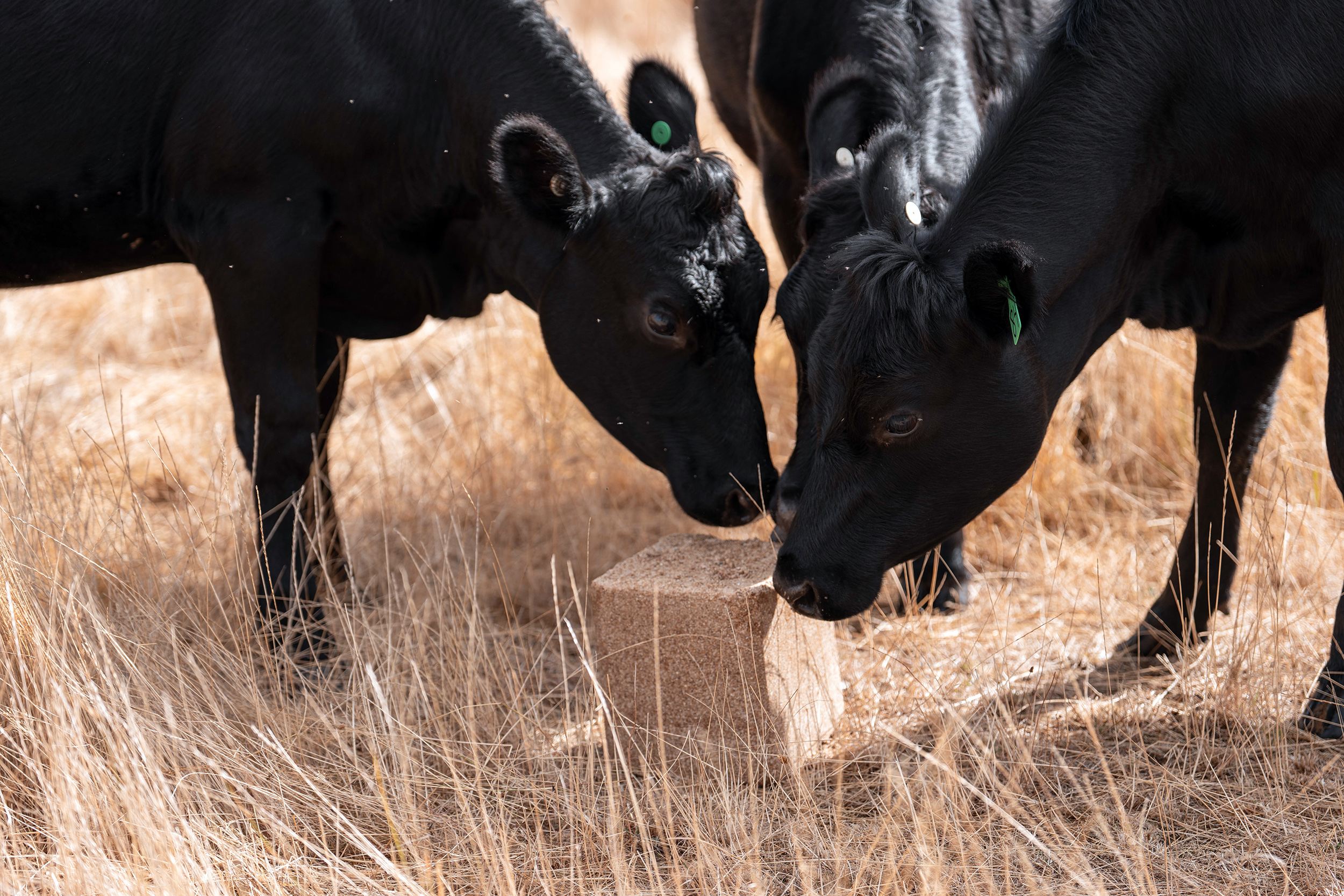
Walk through almost any pasture in Texas, and chances are you’ll find one sitting near a water trough, under a shade tree or tucked beside a feed bunk. Sometimes it’s a plain white block. Other times it’s red, brown or even pink. Some weigh a few pounds, while others tip the scales at 50 pounds or more. Salt and mineral blocks have become such a familiar part of livestock management that many producers set them out without much thought. Yet these simple blocks play an important role in animal nutrition, and understanding why livestock seek them out can help producers make better decisions for the health and productivity of their herds.
Salt is one of the few nutrients animals actively crave. Livestock get most of their protein and energy from forage and feed, but pasture plants often lack sodium. Livestock have a specific appetite for salt that kicks in when their bodies need it. That instinct is one reason cattle, horses, sheep and goats will travel surprising distances to find sodium if none is nearby.
Salt blocks have been a ranch staple for generations, but today’s mineral supplements are far more sophisticated. Many products now combine salt with calcium, phosphorus and trace minerals that support everything from muscle contraction and reproduction to immune function and hoof health. The right product depends on the species you’re feeding, the forage available and even the region where the animals live.
More Than Just Salt
Salt is made of two essential minerals: sodium and chloride. Both are macrominerals, meaning animals need them in relatively large amounts compared to trace minerals. Sodium helps regulate nerve impulses, muscle contractions and the movement of fluids through the body. Chloride works alongside sodium to maintain proper hydration and is also a critical component of stomach acid, which livestock need to digest feed efficiently.
Forages contain many nutrients, but they are naturally low in sodium. Even lush spring grass seldom provides enough to meet an animal’s daily requirement, so cattle, horses and many other grazing animals need supplemental salt year-round.
A salt deficiency usually develops slowly, and producers may notice subtle changes that grow more pronounced over time. Animals may eat less feed, which slows weight gain or reduces milk production. Fertility can decline, growth rates may slow and overall performance often suffers. In more severe cases, livestock may start chewing wood, licking soil, eating unusual objects or seeking out other unnatural sources of sodium. These behaviors, sometimes called pica, are the body’s attempt to correct a nutritional imbalance.
Salt is one of the simplest nutritional needs to meet. Salt blocks give livestock a convenient way to regulate their own intake. Instead of eating a large amount at once, animals typically lick the block off and on throughout the day, taking in what their bodies need. Weather-resistant pressed blocks can stay in the pasture for extended periods, which makes them useful for grazing operations where daily feeding is limited.
The familiar white salt block is almost pure sodium chloride and has one main job: supplying salt. For operations where feed or loose mineral supplements already balance the rest of the mineral program, a plain white block may be all you need. In many cow-calf operations, however, producers choose trace mineral salt blocks instead.
Animals need trace minerals in much smaller amounts than sodium or calcium, but those minerals still matter. Copper contributes to immune function, reproduction and proper hair pigmentation. Zinc supports healthy skin, hoof quality and wound healing. Manganese plays a role in skeletal development and reproductive performance. Cobalt is necessary for rumen microbes to produce vitamin B12, while iodine supports proper thyroid function. Selenium, where deficient, works with vitamin E to protect muscle tissue and strengthen the immune system.
Many soils contain low levels of certain trace minerals, so forage quality can vary considerably from one region to another. In portions of Texas and Oklahoma, soil selenium levels are frequently too low to meet livestock requirements. Other areas may contain high concentrations of sulfur, iron or molybdenum, which interfere with copper absorption. These regional differences are one reason nutritionists often recommend mineral programs designed for local conditions instead of a one-size-fits-all approach.
More is not always better. Too much of some minerals can be as harmful as too little. Sheep, for example, are far more sensitive to copper than cattle and should never have unrestricted access to cattle mineral products formulated with higher copper concentrations. Horses have different mineral requirements than ruminants, and goats often need supplementation programs designed for their own nutritional needs. Reading the label before you set a block in the pasture is every bit as important as selecting the right feed.
Producers sometimes overlook intake itself. Salt acts as a natural regulator because livestock eat only limited amounts each day. Manufacturers often mix minerals into salt products because the salt draws animals back to the block regularly while keeping them from overeating the supplement. Even so, weather, forage quality, water availability and individual preferences all affect how much each animal actually gets. Dominant animals may visit the block more often, while timid animals may get less than intended if the pasture has too few blocks.
Placement matters, too. Nutrition specialists often recommend setting blocks near watering areas or loafing sites where livestock naturally gather. In larger pastures, multiple blocks reduce competition and encourage animals to use more of the available grazing acreage. Some producers deliberately place mineral feeders away from water to spread grazing more evenly across the pasture, which can reduce overgrazing in heavily traveled areas and make better use of available forage.
Matching the Supplement to the Situation
Nutritional needs vary from animal to animal, and they can change dramatically through the year. A dry beef cow grazing dormant winter forage has different mineral requirements than a lactating cow nursing a calf. Growing replacement heifers, breeding bulls, horses in heavy work and young livestock all have different demands. As forage quality rises and falls with the seasons, so does the amount of supplementation they may need. During drought, or when livestock rely heavily on hay, mineral supplementation often becomes even more important because stored forages frequently contain lower concentrations of certain nutrients than actively growing pasture.
One of the biggest changes in livestock nutrition over the past several decades has been the growing use of loose mineral supplements. Animals can eat loose minerals more easily than they can lick a pressed block, so nutritionists generally find intake more consistent. Loose minerals also let manufacturers include higher concentrations of phosphorus and other ingredients that are hard to incorporate into a hard block. For producers managing breeding herds or seeking maximum production, loose minerals often provide the most complete nutritional program.
Salt blocks still have a place. Operations with smaller herds, leased grazing ground or remote pastures often appreciate the durability of a pressed block. Blocks hold up well in rain, create little waste and need replacing less often than loose minerals exposed to the weather. Some producers offer both, giving livestock constant access to a salt block with a balanced loose mineral supplement nearby.
Producers also have options when it comes to size. Smaller mineral bricks, often weighing four to ten pounds, are convenient for horse stalls, small paddocks, trailers and temporary pens where only a few animals need access. They are easy to move and replace but need more frequent checking. Larger blocks weighing 25 to 50 pounds suit pastures with multiple animals and last considerably longer before they need replacing. Their size also makes them harder for curious livestock to tip over or carry away.
Weather can affect any mineral program. Pressed blocks hold up well in rain, but you should still set them on well-drained ground whenever possible to reduce waste. Protect loose minerals with covered feeders so moisture doesn’t cake or harden the product. Whatever supplement you offer, keeping feeders clean and replacing contaminated product helps ensure livestock keep eating the minerals as intended.
Water quality deserves consideration as well. Water naturally contains dissolved minerals, and in some parts of Texas, elevated sulfur levels can interfere with copper absorption or contribute to other nutritional imbalances. Forage grown on different soil types can also vary widely in mineral content from one ranch to the next. Because of these differences, many Extension specialists encourage producers to base their mineral program on forage analysis, water testing and recommendations from a veterinarian or livestock nutritionist instead of choosing a product on price or marketing claims.
Mineral supplements cannot make up for poor overall nutrition. Salt blocks and mineral mixes supplement a balanced feeding program. They can’t replace quality forage, adequate energy or sufficient protein. When cattle are short on calories or protein, more mineral won’t fix the underlying problem. Mineral nutrition works best as one piece of a larger management plan.
Despite the growing number of specialized products, the principle stays simple. Livestock need minerals for many biological functions, and because forage often lacks those nutrients or supplies them inconsistently, producers must provide them another way. Whether that means a plain white salt block, a fortified trace mineral block or a carefully balanced loose mineral depends on the operation and the animals.
That weathered salt block sitting in the pasture reflects decades of nutritional research and a basic lesson of animal physiology: even the smallest nutrients can have a big effect on health, reproduction and performance. Like good fences and dependable water, a well-planned mineral program tends to go unnoticed until it is missing.
Choosing the Right Block
Walk down the livestock aisle of any farm store and you’ll likely find dozens of mineral products. Labels vary by manufacturer, but these are some of the most common options producers encounter.
White Salt Blocks: Made almost entirely of sodium chloride, these blocks provide a basic source of salt. Producers commonly use them when livestock already receive a balanced mineral supplement through feed or a separate loose mineral program.
Trace Mineral Salt Blocks (Red Blocks): The most common choice for beef cattle, these blocks contain salt along with added trace minerals such as zinc, copper, manganese, cobalt and iodine. They help supply nutrients that may be lacking in forage.
High-Selenium Mineral Blocks: Designed for regions where selenium-deficient soils are common, these products provide carefully regulated levels of selenium. Because selenium can become toxic if overfed, follow label directions and check local recommendations before use.
Sulfur or Specialty Mineral Blocks: Some blocks are formulated for specific regional deficiencies or management goals and may include sulfur, magnesium or other nutrients. Producers often choose these products based on forage tests, water quality or veterinary advice.
Pressed Blocks vs. Loose Minerals: Pressed blocks are durable, weather resistant and low maintenance, which makes them ideal for many pasture situations. Loose minerals generally provide more consistent intake and allow more complete formulations, making them the preferred choice for many breeding and production herds.
Large Blocks or Small Bricks? Smaller mineral bricks are convenient for stalls, pens and small groups of livestock where portability matters. Larger 25- and 50-pound blocks are designed for pasture use and need replacing less often. The best choice often comes down to herd size, grazing conditions and how often you can check and refill the supplement.
By NTFR Staff
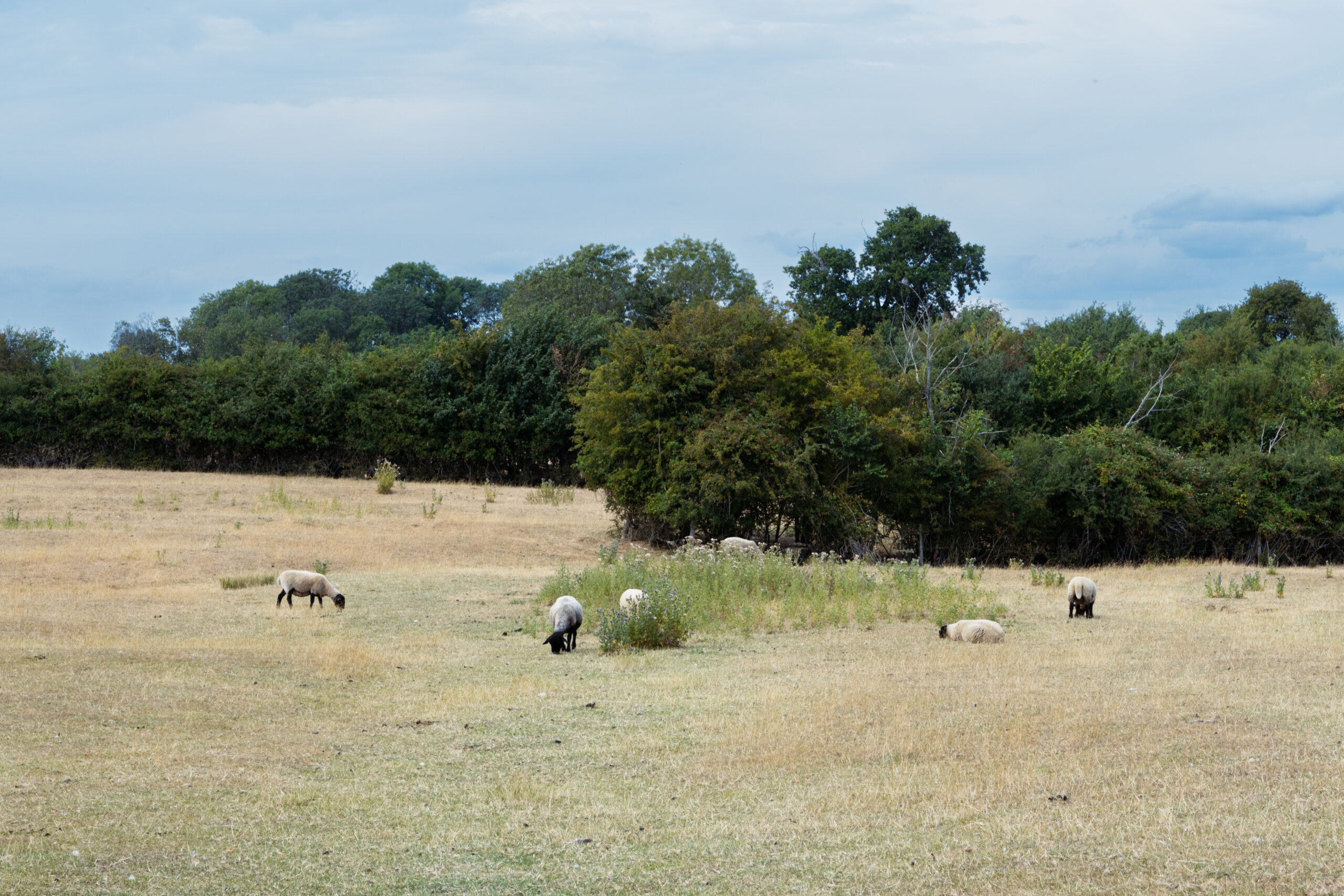
A brown patch in a pasture may look simple from the pickup. The grass is dry, the cattle have grazed it too closely or it needs a good rain. Sometimes one of those explanations is correct. Other times, the damaged area may be the first visible sign of insects, disease, poor soil fertility, compaction or a grazing problem that has been developing for years.
Many pasture problems look alike from a distance. Drought-stressed grass can turn yellow or brown, but so can grass damaged by armyworms. A nutrient deficiency may cause weak, pale growth that resembles disease. Overgrazing can thin the stand and let weeds move in, while compacted soil can keep rainfall from reaching plant roots.
Treating the wrong problem wastes money and lets the real cause get worse. Fertilizer will not stop an insect infestation, and insecticide will not correct a soil deficiency. Before applying anything, slow down, walk the pasture and figure out what the grass is telling you.
Start With the Pattern
The shape and location of the damage provide the first clues. A problem that appears evenly across the entire pasture may point toward drought, poor fertility or a widespread management issue. Damage that begins in patches, follows a fence line or moves across a field may point more toward insects, disease, drainage problems or soil differences.
Begin by comparing the affected area with healthy grass nearby. Look at the color, height and density of the forage. Check whether the damage is limited to one forage species or affects nearly every plant in the area. Notice whether weeds stay green while the desired grass struggles.
Drought stress commonly shows up first on shallow soils, exposed slopes and other places that hold less moisture. Grass may fold or roll its leaves to conserve water before it turns gray-green, yellow or brown. In severe conditions, the plant may stop growing above ground and live on stored energy.
A pasture does not always recover as fast as it greens up. Rain may bring new leaves, but plants weakened by prolonged drought still need time to rebuild their root systems and energy reserves. Turning livestock onto new growth too soon can strip away the leaf area the plants need to recover.
Overgrazing can produce similar symptoms, especially when livestock keep returning to their preferred plants. Overgrazing has more to do with timing than with how short the grass gets. It occurs when livestock graze a plant again before it has recovered from the previous grazing.
When leaves are removed, the plant uses stored carbohydrates to begin regrowth. If livestock eat that new growth almost immediately, the plant must draw from its reserves again. Repeated grazing without recovery eventually weakens the roots, reduces forage production and may kill desirable plants.
Signs include closely cropped grass, bare soil, increasing weed pressure and an uneven pasture where livestock graze some plants repeatedly while less desirable species stay tall. Areas around water, shade, mineral feeders and gates often get especially heavy use, and soil in those spots may also become compacted.
Compaction reduces the pore space that lets air and water move through the soil. Rainfall may run off instead of soaking in, and plant roots may stay shallow or struggle to penetrate the soil. You can compare suspected areas by pushing a soil probe or sturdy rod into the ground when soil moisture is similar. A shovel can also reveal shallow roots, dense soil layers or standing water below the surface.
Poor fertility is another common cause of weak or discolored grass, but plant color alone can’t diagnose a nutrient deficiency. Nitrogen deficiency often produces pale green or yellow growth and reduced production. Other nutrient problems may affect older or younger leaves differently, depending on how the nutrient moves within the plant.
Soil testing is the only dependable way to find out what the soil needs. A representative sample should combine soil collected from several locations with similar soil type, management and production history. Sample unusual areas, such as feeding sites, wet spots or visibly damaged patches, separately instead of mixing them with the rest of the pasture.
Soil pH deserves particular attention because it affects nutrient availability and plant growth. Fertilizer applied without correcting an unsuitable pH may produce disappointing results. At the same time, adding lime or nutrients the soil doesn’t need raises costs and may create new problems.
Look More Closely
When damage seems to appear overnight, put insects high on the list of suspects. Fall armyworms can remove large amounts of forage in a short time, particularly when producers discover them late in their development.
Young fall armyworm larvae scrape the green tissue from grass blades, leaving a thin, pale membrane sometimes described as a windowpane. Larger larvae chew through the leaves and can leave a pasture looking frosted or burned. Birds feeding heavily in one part of a field can also be a clue that caterpillars are present.
Scouting works best early in the morning or late in the afternoon, when larvae are more active. A sweep net can collect small caterpillars that are hard to see. You can also bend a wire coat hanger into a hoop, place it on the ground and carefully count the larvae inside it. Check several locations, including field margins and the interior of the pasture.
Base treatment decisions on the number and size of the larvae, the amount and value of forage at risk and the cost of control. As a general guideline, Extension specialists often recommend considering treatment when about three to four larvae per square foot are present. Small larvae are easier to control than large ones, so early detection matters.
Any pesticide used on pasture must be labeled for that site and pest. The label also lists grazing, haying and harvest restrictions that can differ among products. Grass disappearing is not reason enough to spray an insecticide. The caterpillars must still be present and actively feeding for treatment to accomplish anything.
Plant diseases are less common than drought, fertility and grazing problems in many pastures, but don’t dismiss them. Several fungal diseases can affect bermudagrass, including some that damage roots or produce irregular patches of dead grass. Disease may become more noticeable when plants are already stressed by heat, drought, poor drainage, improper fertility or other unfavorable conditions.
Pull several plants from the edge of a damaged patch instead of from the completely dead center. Examine the roots, crowns, stems and leaves. Healthy roots are generally firm and well developed. Dark, shortened or rotting roots may indicate disease or prolonged soil saturation. Leaf spots, lesions and discolored stems can provide additional evidence.
Because pasture diseases can closely resemble other problems, applying a fungicide without a diagnosis is seldom a good first step. You may need to submit samples to a plant diagnostic laboratory. The best samples usually include plants showing a range of symptoms, along with healthy plants for comparison. Photographs of the entire affected area can help diagnosticians understand the pattern in the field.
Weeds may be part of the cause, the result of the problem or both. As desirable forage thins, sunlight reaches the soil surface and gives weed seeds a chance to germinate. Weeds then compete with the remaining forage for water, nutrients and space.
Spraying the weeds may improve the look of the field, but it will not necessarily fix the condition that let them move in. Unless grazing pressure, fertility, soil condition or forage density improves, another weed may take their place.
Consider simpler possibilities, too. Herbicide drift can produce distorted, twisted or discolored growth. Fertilizer or chemical application errors may leave straight lines, overlaps or skipped strips. Standing water can kill plants in low areas, while damaged water lines may create isolated wet spots. Salt, manure and concentrated livestock traffic can also affect grass near feeders, troughs and corrals.
Good records make these problems easier to solve. Rainfall, fertilizer applications, grazing dates, stocking rates, herbicide use and previous insect outbreaks can help explain what is happening. Photographs taken from the same locations throughout the year may reveal gradual changes that are hard to recognize during daily ranch work.
Most pasture failures build as several smaller problems overlap. Dry weather weakens the grass, and livestock keep grazing the remaining plants. Bare ground expands, weeds appear and runoff increases. Then an insect outbreak or another dry spell pushes the pasture past the point where it can recover quickly.
When you spot the first brown patch, inspect it closely before you buy fertilizer or chemicals. Walk past the edge of the damage, look at the whole plant and consider what has happened in that pasture over the previous weeks and months. Identifying the cause before choosing a treatment is usually the least expensive place to start.
By NTFR Staff
For many years, most ranchers heard about New World screwworm only from older generations. It belonged to history books, old stories and warnings from veterinarians who remembered what it could do before the U.S. eradicated it.
That changed this summer. On June 3, 2026, the U.S. Department of Agriculture confirmed New World screwworm in a calf in Zavala County, Texas. Officials have reported additional detections in Texas since that first case, and state and federal agencies have responded with surveillance, movement restrictions in affected areas and sterile fly releases.
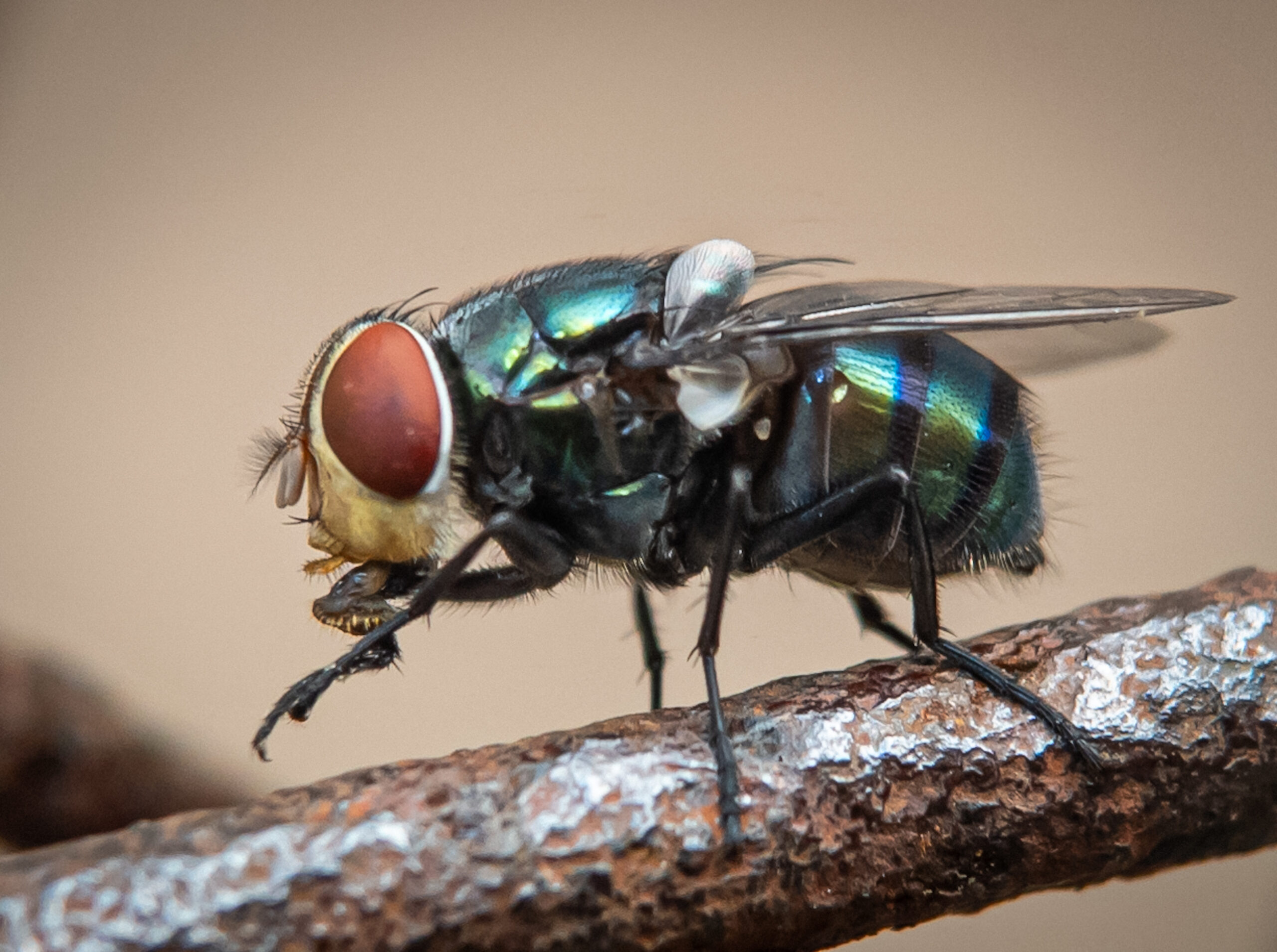
Common maggots feed on dead tissue. Screwworm larvae feed on the living tissue of warm-blooded animals, including cattle, horses, sheep, goats, dogs, wildlife and, rarely, people. The fly is attracted to open wounds and moist body openings. Even a small wound, such as a tick bite, castration site, dehorning wound, branding wound or newborn’s navel, can draw the female fly.
For North Texas producers, awareness is the key right now. You have no reason to panic, but you do have reason to pay close attention.
Check animals regularly for wounds, especially during fly season, and take any wound that seems to be getting worse instead of healing seriously. Warning signs can include a foul odor, visible larvae, bloody or watery discharge, swelling, pain, restlessness, head shaking, licking or animals separating themselves from the herd.
If you suspect screwworm, contact your veterinarian or animal health officials immediately. Early detection matters for the animal and for controlling the spread.
Ranchers and scientists have beaten this pest before. The sterile insect technique, which uses sterile male flies to interrupt reproduction, was the key to eradicating screwworm from the United States decades ago, and officials are using that same method again.
For now, North Texas livestock owners should inspect animals often, treat wounds promptly, follow any animal movement guidance from officials and report anything suspicious.
Screwworm is an old threat, and producers need to learn to recognize it again.





-
 Country Lifestyle2 years ago
July 2017 Profile: J.W. Hart
-
 Farm & Ranch2 years ago
From Plow to Plentiful: The Most Important Inventions in Agricultural History
-
 Attractions9 years ago
48 Hours in Atoka Remembered
-
 Equine9 years ago
Umbilical Hernia
-
 Country Lifestyle5 years ago
The Two Sides of Colten Jesse
-
 Outdoors9 years ago
Grazing Oklahoma: Honey Locust
-
 Farm & Ranch8 years ago
Hackberry (Celtis spp.)
-
 Attractions2 months ago
Oklahoma Ghost Towns – Navajoe