
Farm & Ranch
A Simple Way Out

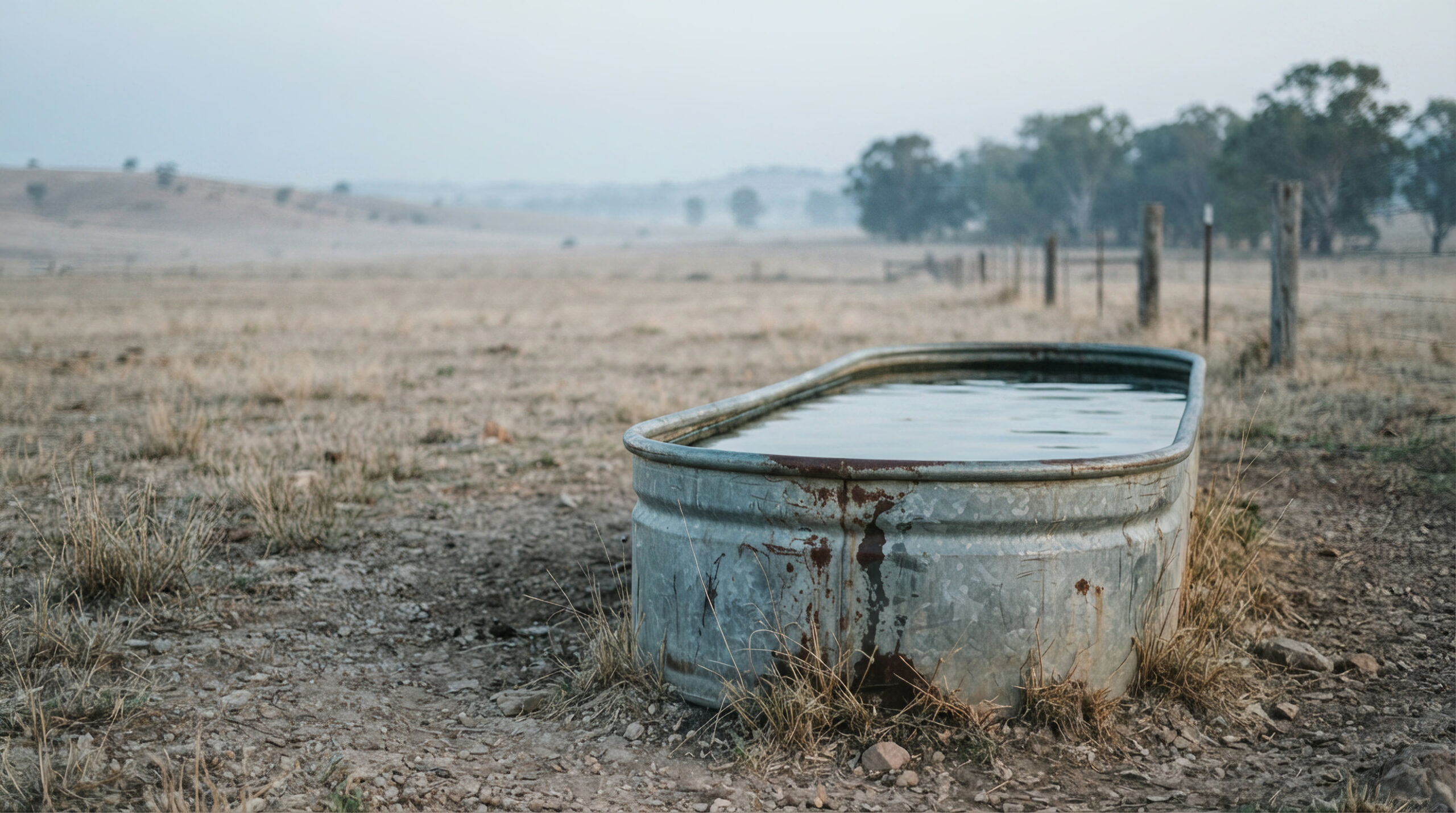
Stock tanks are a common sight across Oklahoma pastures. For livestock producers, they are one of the most practical ways to provide dependable water where natural sources may be limited. A well-placed tank can help cattle, horses and other livestock make better use of a pasture, especially during hot, dry months.
But livestock are not the only animals that find those tanks.
Birds, reptiles, small mammals and other wildlife may also come to a stock tank for a drink. In many cases, that added water source can be a benefit. The problem comes when an animal gets into the tank and cannot get back out.
Anyone who has ever found an animal dead in a stock tank knows it is an awful discovery. It does not really matter whether it is a bird, a squirrel, a raccoon, a snake or something larger. Finding it is bad enough. Having to get it out, dispose of it and then worry about the water your livestock are drinking makes it even worse.
It is one of those jobs no one wants to do, and it is also one that can often be prevented.
A slick-sided tank or trough can easily become a trap. Small animals that fall in may swim along the edge looking for a way out, but without something they can climb, they eventually tire and drown. That is a loss for wildlife, but it can also create water quality concerns for the livestock using the tank.
The good news is that the solution does not have to be complicated or expensive. A wildlife escape ramp can give trapped animals a way to climb out before they drown.
An escape ramp is exactly what it sounds like: a secure, sloped structure placed inside a tank or trough so animals can find it and climb to safety. According to the Oklahoma Department of Wildlife Conservation, ramps are more effective when they extend into the water, meet the inside wall of the tank and reach the bottom in case water levels drop. They should also be firmly attached so livestock cannot knock them loose.
Not every makeshift ramp works well. A floating log, a pile of rocks or a ramp that does not reach far enough into the tank may help some animals, but it can also be missed entirely. Animals often swim the perimeter of a tank looking for an exit, so a ramp that meets the wall gives them a better chance of finding their way out.
Traction matters, too. Materials such as coated metal grating, rough fiberglass, concrete, rock and mortar or durable plastic composites can help animals climb without sliding back into the water. ODWC notes that ramp slopes should be no steeper than 45 degrees so animals can climb out more easily.
One common design uses expanded metal grating secured to the rim of the tank and angled down into the water. The ramp should be sturdy enough to stay in place, rough enough to provide footing and long enough to remain useful as the water level changes. A rust-inhibiting paint or coating can also help extend the life of metal ramps.
For landowners, this is one of those small projects that can make a real difference. It does not require changing the whole watering system or giving up the benefits of a stock tank. It simply makes the tank safer for the wildlife that may use it.
It may also save you from an unpleasant chore later. There are plenty of hard jobs that come with owning livestock or managing land, but pulling a dead animal from a water tank is one most of us would gladly avoid. A simple escape ramp can help protect water quality, reduce unnecessary wildlife deaths and make a livestock watering system a little more wildlife-friendly.
In a state where agriculture and wildlife often share the same acres, small improvements matter. A stock tank can be a valuable resource for livestock and wildlife alike. Adding a way out helps make sure it stays that way.
Barry Whitworth, DVM
Senior Extension Specialist Department of Animal & Food Science Ferguson College of Agriculture
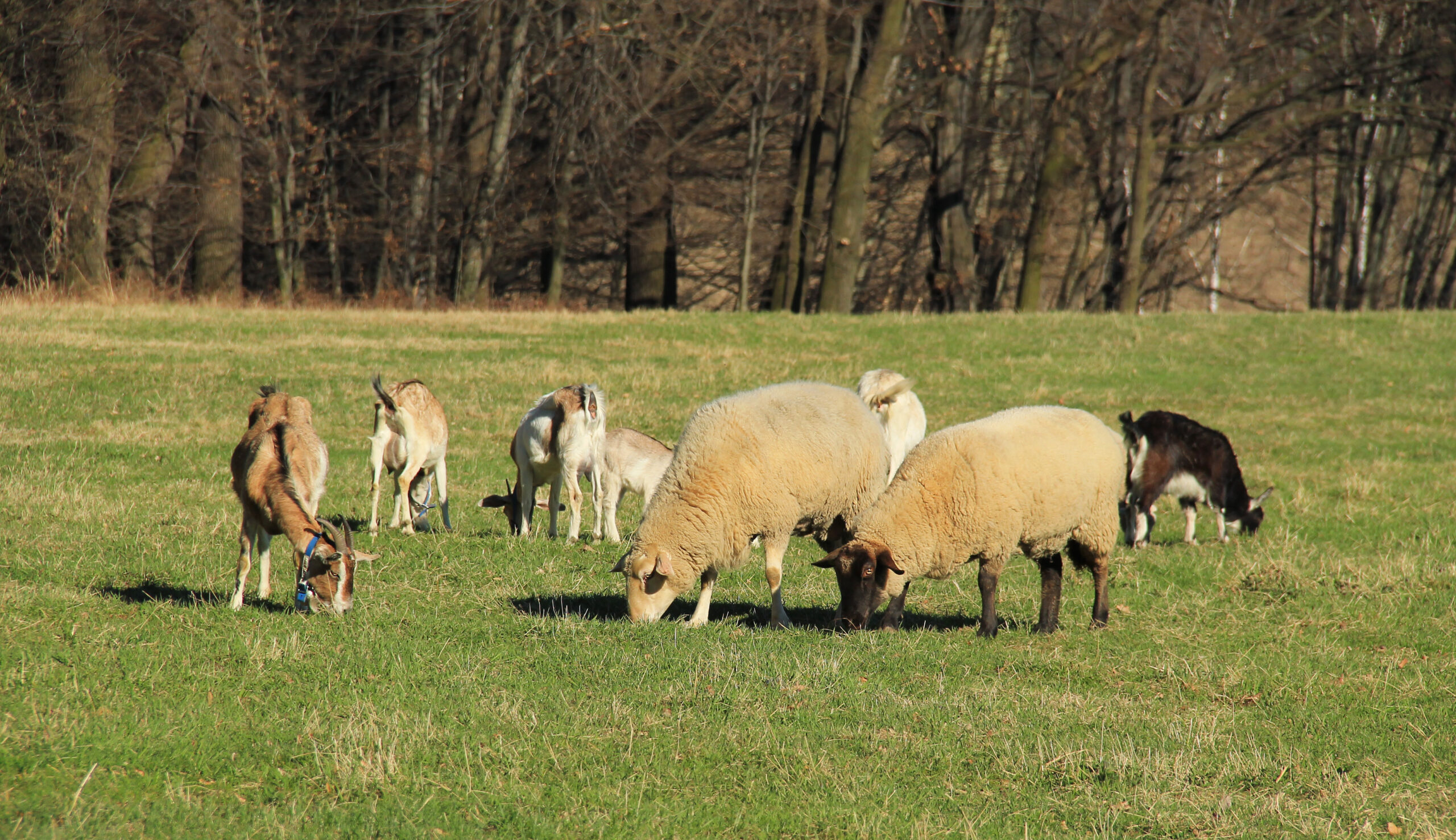
Scrapie is a chronic, progressive disease of the central nervous system that affects sheep and goats. Scrapie is the oldest of the group of neurodegenerative diseases known as transmissible spongiform encephalopathies (TSE). Some of the other TSE are Bovine Spongiform Encephalopathy known as mad cow disease, Chronic Wasting Disease which is found in deer, and Creutzfeldt Jacob Disease which is found in humans. TSE are protein-misfolding diseases that lead to brain damage and are always fatal.
The cause of Scrapie is not completely understood, but evidence indicates that an infectious protein referred to as a prion is responsible for the disease. These infectious prions cause damage to the normal prion proteins found in the brain. The mis-folding of the proteins lead to brain damage and the presentation of clinical signs of the disease. Prions are very resistant to destruction, so once in the environment, they are difficult to remove.
Scrapie is believed to primarily be transmitted by the oral route. Typically, lambs and kids might ingest the prion when they come in contact with the infectious agent through placentas and birthing fluids from infected ewes and does. Older animals may be exposed to the prions this way as well. Colostrum and milk are also sources of prions. Other secretions such as urine, feces, saliva, and nasal secretions may contain infectious prions as well. Once ingested, the prions cross into the lymphoid system. The prions will incubate for a long time usually two to five years before entering the nervous system.
Genetics plays a part in Scrapie infections. Certain breeds are more susceptible to the disease due to genetic composition. Genetic testing is available for producers to help them select breeding stock with resistant genes.
Clinical signs most commonly associated with Scrapie are intense pruritis, ataxia, and wasting. Early in the disease, small ruminant producers may notice slight changes in behavior with sheep and goats infected with Scrapie. Initially, animals may have a staring or fixed gaze, may not respond to herding, and may be aggressive towards objects. As the disease progresses, other clinical signs noticed are progressive weight loss with normal appetite, incoordination, head tremors, and intense pruritis. In the terminal stages, sheep are recumbent and may have blindness, seizures, and an inability to swallow. Once initial clinical signs are notice, death usually occurs in one to six months.
The gold standard for postmortem (dead animals) diagnosing of Scrapie is the use of immunohistochemistry test on brain tissues as well as microscopic examination of brain tissue for characteristic TGE lesions. Live animal diagnosis is possible by testing lymphoid tissues from the third eyelid and rectal mucosa scrapings.
There is no treatment available for Scrapie, so prevention is key to controlling the disease. Following biosecurity protocols is a good starting point for preventing Scrapie. Part of the biosecurity plan is to maintain a closed flock and only buy replacement animals from certified Scrapie free flocks. Producers should limit visitors’ contact with their animals. Sanitation is important in lambing and kidding areas. Manure and bedding contaminated with birthing fluids and placentas should be disposed of properly. Genetically resistant animals should be used for breeding to produce genetically resistant offspring.
It should be noted that there is a novel or atypical form of Scrapie. This disease may also be referred to as Nor98 variant. This atypical version of Scrapie was initially found in Norway. It has been diagnosed in the United States as well. The disease is usually only found in a single old animal in the flock or herd. The brain lesions in atypical Scrapie are different from classical Scrapie. Currently, experts believe that natural transmission of atypical Scrapie is not likely.
The United States Department of Agriculture (USDA) has been battling Scrapie for decades. According to recent information from the USDA, the United States (US) is close to accomplishing eradication of the disease. In order for the United States to achieve Scrapie free status, no sheep or goats can test positive for classical scrapie for seven years and a certain level of testing needs to be done each year that represents the sheep and goat populations within the country. Small ruminant producers can assist the USDA eradication efforts by contacting the USDA when they have an adult sheep or goat exhibiting clinical signs of Scrapie or an adult animal dies or is euthanized. Producers should contact the Oklahoma State Veterinarian, Dr. Rod Hall at 405-522-6141 or the USDA Veterinary Services at 405-254-1797. This will aid the USDA in reaching sampling testing goals. There is no charge for the collection or testing of the samples for scrapie.
Scrapie is a disease that needs to be eliminated from the US. Once eliminated, the US will have additional export markets for sheep and goat products. Oklahoma State University Cooperative Extension Service has an informative fact sheet on Scrapie. Please visit the Local County Extension Office and asked for fact sheet VTMD-9135 or producers may view the fact sheet online at https://extension.okstate.edu/fact-sheets/scrapie.html. Also, the USDA National Scrapie Eradication Program website has valuable information as well at https://www.aphis.usda.gov/aphis/ourfocus/animalhealth/animal-disease-information/sheep-and-goat-health/national-scrapie-eradication-program.
References Cassmann, E. D., & Greenlee, J. J. (2020). Pathogenesis, detection, and control of scrapie in sheep. American journal of veterinary research, 81(7), 600–614. https://doi.org/10.2460/ajvr.81.7.600
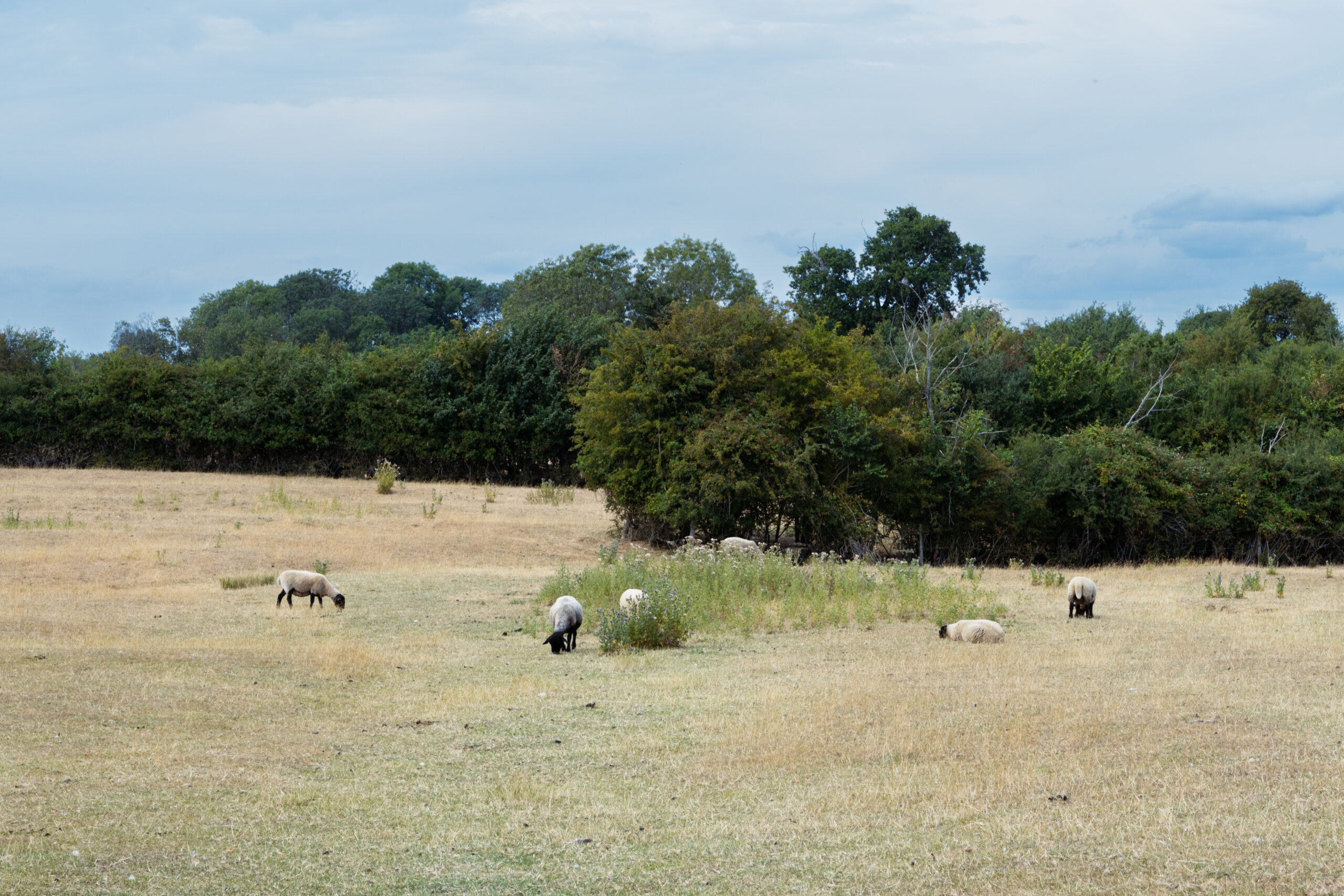
There are some things we see so often in Oklahoma that we almost stop noticing them. A dry pond. A dusty county road. A pasture grazed down so short it looks more like a yard than a place meant to grow forage.
Sometimes we drive by and think, “That place is sure eaten down.” Other times, if we are honest, we may look across our own fence and realize our pasture is starting to look a little tired, too.
Overgrazing is one of those issues that can sneak up on a person. It does not usually happen all at once. It happens a little at a time, often during dry spells, busy seasons or years when cattle prices make us want to keep just a few more head than the land is ready to carry. Before long, the signs begin to show. The grass gets shorter. Bare ground appears. Weeds move in. Rainwater runs off instead of soaking in. What once looked like a productive pasture starts looking thin, stressed and worn out.
The hard part is that by the time overgrazing is easy to see from the road, the problem has usually been building for a while.
One of the first things to understand is that overgrazing is not simply about how many animals are on a pasture. Stocking rate matters, of course. Too many head on too few acres will create problems in a hurry. But overgrazing is also about time. When plants are grazed too often without enough rest, they do not have time to recover.
Grass needs leaves to capture sunlight. That sunlight helps the plant rebuild energy and grow roots. When cattle, horses, sheep or goats repeatedly graze a plant short, the plant has to pull from its reserves to regrow. If that happens over and over again without recovery time, the root system weakens. A weak root system means less drought tolerance, less forage production and less ability to compete with weeds.
That is why a pasture can be overgrazed even if the stocking rate looks reasonable on paper. Continuous grazing, especially during hot or dry weather, can lead to areas that are used too heavily while other areas are barely touched. Livestock often return to the same tender regrowth again and again, weakening the best forage plants while leaving less desirable plants standing.
There are several signs that a pasture may be overgrazed, and one of the most obvious is simply height. If the forage is consistently grazed down very short across much of the pasture, it is time to pay attention. Short grass may look neat, but neat is not always healthy. A pasture is not supposed to look like a freshly mowed lawn.
Bare ground is another warning sign. Some bare ground is normal, especially in dry climates and around gates, water sources and feeding areas. But when open soil becomes more common across a pasture, the land is losing protection. Plant cover helps shield the soil from wind, rain and extreme temperatures. Without that cover, erosion increases and moisture is lost more quickly.
Weeds can also tell a story. Plants such as broomweed and sneezeweed often become more noticeable in pastures that have been heavily used. These plants are not always the problem themselves. Many times, they are a symptom of a pasture that has lost vigor and plant diversity. When desirable forage plants are weakened, less desirable or unpalatable plants have more room to move in.
Soil condition is another piece of the puzzle. Overgrazed pastures often have compacted soil, especially where animals congregate. Compaction makes it harder for water to soak in and harder for roots to grow. Instead of a rain being captured by the ground, much of it may run off. That means less moisture for the plants and more erosion in draws, slopes and low areas.
The effects are not limited to the pasture. Overgrazing can hit the pocketbook, too. When forage quality and quantity decline, livestock performance can suffer. Cattle may not gain as well. Body condition can slip. Producers may have to make up the difference with more hay, more feed, more fertilizer, more herbicide and more time. What begins as a pasture problem can quickly become an input problem.
Wildlife also pays a price. Good pasture and rangeland management is not just about livestock. Healthy grasslands provide cover, food and nesting habitat for quail, turkey, deer, songbirds, pollinators and many other species. When the plant community is grazed too hard for too long, habitat quality goes down. In a state where so much land is privately owned, the way we manage pastures has a direct impact on wildlife.
This is especially important in Oklahoma, where weather can change the rules quickly. A stocking rate that works in a wet spring may not work during a long, hot summer. A pasture that handled grazing well last year may need a break this year. Good management requires watching the land in front of us, not just relying on what has worked before.
The good news is that pastures can recover when given the chance. Rest is one of the most important tools a landowner has. That may mean rotating livestock, reducing numbers during dry periods, adjusting grazing timing or allowing certain areas to recover before animals return. It may also mean being willing to make hard decisions before the pasture is completely out of grass.
Recovery does not always happen overnight. A heavily overgrazed pasture may need time, better grazing management and, in some cases, help from weed control, reseeding, soil improvement or other practices. But the first step is recognizing what the pasture is telling us.
One simple way to begin is to walk the pasture instead of only looking at it from the pickup. Look at the plants. Is there enough leaf area left for regrowth? Are the best forage plants being grazed repeatedly? Are weeds increasing? Is there bare ground between plants? Are water areas, gates and shade spots becoming larger sacrifice areas? Are livestock having to work harder to fill up?
It also helps to compare different areas. Look inside a fence line or an area livestock cannot reach. The contrast can be eye-opening. Sometimes the best way to see what grazing pressure is doing is to look at what the land looks like without it.
No pasture is perfect, and every operation is different. A cow-calf producer, a hay grower, a horse owner and a landowner managing for wildlife may all have different goals. But the basic truth is the same: grass needs time to rest, roots need time to rebuild and soil needs cover to stay productive.
Overgrazing is not a sign that someone does not care about their land. Many good landowners have dealt with it, especially in tough weather years. But ignoring it does not make it better. The sooner it is noticed, the easier it is to correct.
For landowners who are unsure where to start, there is help available. Local OSU Extension offices, NRCS staff and wildlife biologists can offer guidance on grazing plans, stocking rates, forage health and wildlife habitat. Sometimes an outside set of eyes can help a person see both the problems and the possibilities.
A pasture is always communicating. It shows stress in the height of the grass, the amount of bare ground, the weeds that move in and the way water behaves when it rains. The question is whether we are willing to slow down long enough to listen.
Because in the end, a healthy pasture is not just about what it produces this month. It is about what it can keep producing next season, next year and for the next generation.
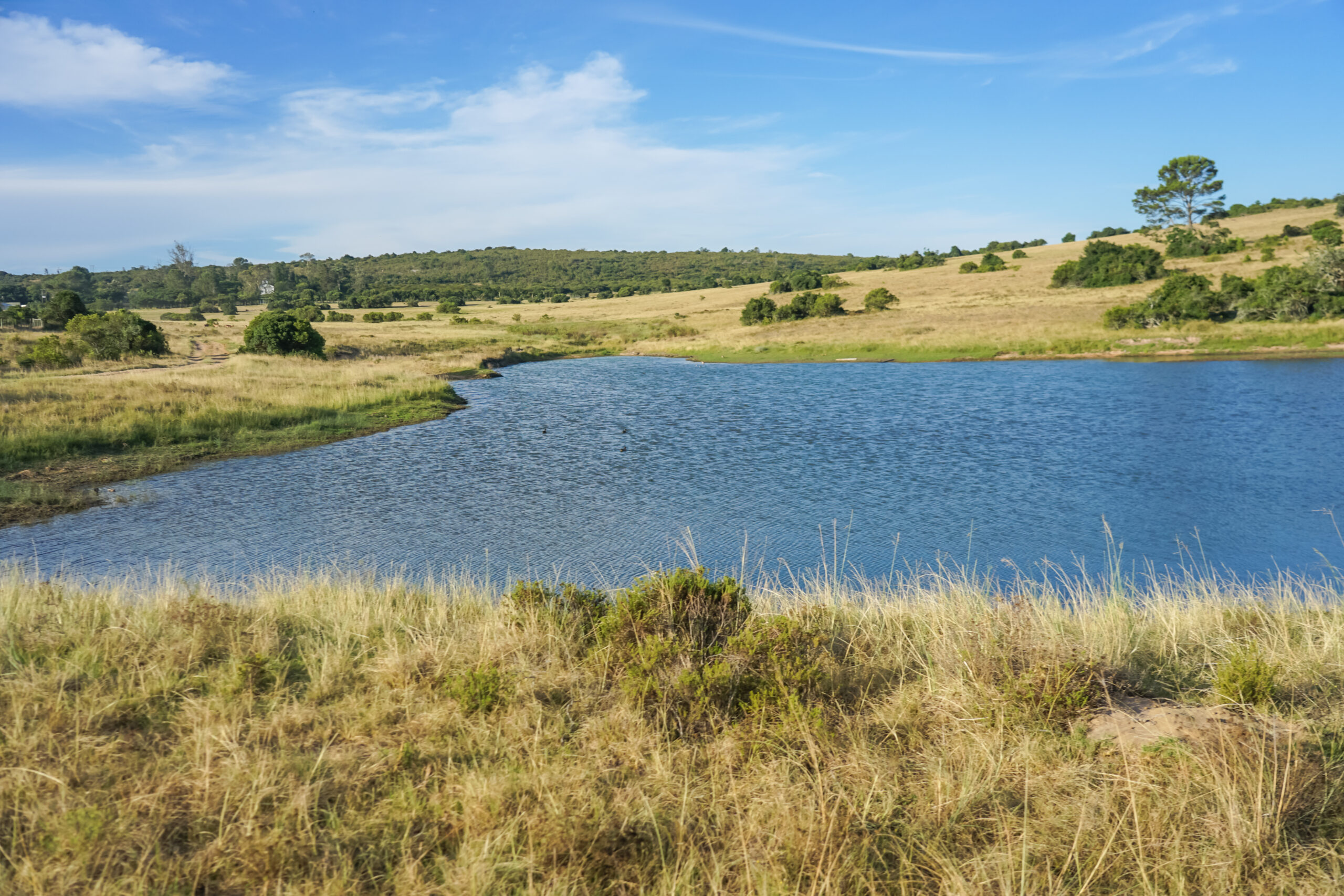
During the hottest part of summer, a farm pond can look like a welcome source of water. Cattle may be standing belly-deep along the bank, and the pond may still hold enough water to appear dependable. However, appearance alone does not reveal whether that water is safe.
Hot weather, limited rainfall and falling pond levels can create water-quality problems. As water evaporates, salts, minerals, nutrients and other substances may become more concentrated. Warm, still water can also encourage the growth of blue-green algae, some forms of which can produce toxins capable of killing livestock.
Water is sometimes treated as an afterthought compared to grass, hay and supplemental feed. In reality, livestock need a dependable supply of clean water to maintain feed intake, regulate body temperature and support production. Poor-quality water may reduce consumption and performance even when it does not cause an obvious case of poisoning.
A pond that has watered cattle for years should not automatically be considered safe under every set of conditions. Producers should pay particular attention during drought, extreme heat or any period when the water level drops significantly.
Watch the Water and the Livestock
One of the most serious late-summer concerns is a bloom of cyanobacteria, commonly called blue-green algae. These organisms are naturally present in many bodies of water, and most do not produce dangerous toxins. The risk increases when certain toxin-producing species multiply rapidly under favorable conditions.
According to Oklahoma State University Extension, toxic blue-green algal blooms typically develop in standing water following periods of hot, dry and calm weather. Nutrients such as nitrogen and phosphorus can contribute to excessive growth. Those nutrients may enter a pond through manure, fertilizer runoff, soil erosion and decaying vegetation.
A suspicious bloom may make the water appear bright green, blue-green, pea-soup green or even brownish. Scum, foam or mats may collect along the shoreline, particularly where the wind pushes floating material into one area. Some blooms resemble spilled paint.
Not every green pond is poisonous. Common aquatic plants and harmless forms of algae can also change the color or surface of the water. Unfortunately, it is usually impossible to determine whether a bloom is toxic simply by looking at it. A pond can contain toxin-producing cyanobacteria without displaying every commonly described warning sign.
Owners should keep livestock, horses, pets and people away from water that has an unusual color, heavy surface scum, a bad odor or unexplained dead fish or wildlife nearby. Livestock should not be allowed to drink from another portion of the same pond under the assumption that the water is safe there. Wind can move a bloom, and toxin concentrations may vary throughout the pond.
Blue-green algae can produce toxins that affect the nervous system or liver. Depending on the toxin and the amount consumed, affected animals may develop weakness, staggering, difficulty breathing, tremors, convulsions, diarrhea or collapse. In severe cases, animals may be found dead near the water before the owner realizes anything is wrong. Treatment is often unsuccessful, making prevention especially important.
Any suspected poisoning should be treated as an emergency. Remove the herd from the water source without driving or unnecessarily stressing animals that may already be affected. Provide another clean water supply and contact a veterinarian immediately. The local county Extension office can also help determine where and how to submit an appropriate water sample.
Blue-green algae is not the only potential problem. Pond water may contain elevated levels of dissolved salts, sulfates, nitrates, bacteria or other contaminants. Runoff can carry manure, fertilizer, pesticides and organic matter into the pond. Low water levels can make some of these problems more pronounced because the remaining water becomes increasingly concentrated.
Water with excessive dissolved solids may taste bitter or salty, reducing the amount animals consume. Depending on the substances involved and their concentrations, poor-quality water may contribute to diarrhea, reduced feed intake, poor weight gain or other health concerns. Young animals and livestock that are not accustomed to the water may be more vulnerable.
Producers should also watch the cattle themselves. Are they reluctant to drink? Are they crowding around a different water source? Has feed intake or weight gain declined without an obvious explanation? Are several animals experiencing digestive problems? Changes involving multiple animals can provide an early clue that feed or water should be investigated.
OSU Extension recommends collecting a representative sample and submitting it for a livestock water test when a water supply is suspected of harming animal health or performance. A standard livestock water test may evaluate several characteristics, but blue-green algae concerns can require different sampling and testing procedures. Producers should contact the laboratory or county Extension office before collecting the sample so it is taken from the correct location, placed in the proper container and handled appropriately.
Reduce Problems Before They Develop
Good pond management cannot eliminate every water-quality problem, but it can lower the risk. One of the most effective steps is limiting the amount of manure, soil and nutrients that enter the water.
Allowing cattle unrestricted access to an entire pond can result in damaged banks, muddy water and large amounts of manure being deposited in or near the water. Hoof traffic removes vegetation and contributes to erosion. Sediment fills the pond over time, while manure supplies nutrients that may encourage excessive algae growth.
Where practical, fencing livestock away from most of the pond and providing a limited-access watering point can improve conditions. Another option is piping water to a trough located below the dam or elsewhere in the pasture. OSU notes that reducing cattle excrement in the pond can decrease conditions favoring toxic algae and improve water palatability.
A vegetated buffer around the pond can also slow runoff and help trap soil and nutrients before they reach the water. Fertilizer and manure should be applied carefully in the watershed, particularly before heavy rainfall. Producers should avoid allowing large amounts of hay, feed or organic debris to accumulate at the water’s edge.
Alternative watering systems require maintenance, too. Troughs should be checked for algae, manure, drowned animals and other contamination. Wildlife escape ramps should be installed in tanks so birds and small animals can climb out rather than drowning and contaminating the water.
Owners should be cautious about treating a pond on their own. Copper sulfate and other algaecides are sometimes used for algae control, but improper treatment can create additional problems. Killing a large quantity of algae or aquatic vegetation at one time can reduce dissolved oxygen as the material decomposes, potentially leading to a fish kill. Treatment may also release toxins from affected cyanobacteria into the water. Any chemical application should be based on proper identification and professional recommendations rather than guesswork.
Livestock should always have access to enough water for the weather, their size and their stage of production. Demand increases sharply during hot weather, and a pond that barely meets the herd’s needs in spring may not be sufficient in August. Check the source regularly rather than waiting for cattle to gather around a muddy shoreline.
A safe-looking pond is not necessarily safe, and a green pond is not necessarily toxic. That uncertainty is exactly why observation, testing and prevention matter. When the water changes color, develops surface scum, gives off an unusual odor or coincides with unexplained animal illness, move livestock to another source and seek professional guidance.
The condition of the pond affects more than where cattle take a drink. It can influence feed intake, performance and the health of the entire herd. During late summer, checking the water deserves a place alongside checking grass, mineral and body condition.




-
 Country Lifestyle2 years ago
July 2017 Profile: J.W. Hart
-
 Attractions9 years ago
48 Hours in Atoka Remembered
-
 Farm & Ranch2 years ago
From Plow to Plentiful: The Most Important Inventions in Agricultural History
-
 Equine9 years ago
Umbilical Hernia
-
 Country Lifestyle5 years ago
The Two Sides of Colten Jesse
-
 Outdoors8 years ago
Grazing Oklahoma: Honey Locust
-
 Farm & Ranch8 years ago
Hackberry (Celtis spp.)
-
 Equine6 years ago
On the Road with Emily Miller-Beisel