
Outdoors
Oklahoma State Park: Robbers Cave State Park

By Laci Jones
Located in the woodlands of Sans Bois Mountains of southeast Oklahoma, Robbers Cave State Park is filled with history and beauty.
“Robbers Cave State Park is a really unique park for Oklahoma,” said Aron Maib, state park manager of Robbers Cave State Park.
Many archaeologists believe this area has been inhabited for thousands of years. Originally named Latimer State Park, the Robbers Cave State Park is located just four miles north of Wilburton, Okla. The state park was one of the original seven Oklahoma State Parks and was established by the Civilian Conservation Corps (CCC) in 1935.
While building the state park, members of the CCC camped in Group Camp One, and some of the buildings the CCC used remain there today. Robbers Cave State Park has approximately 140 historical structures onsite, Maib said.
“What I consider to be more or less the gem of the park, as far as the CCC is concerned, is our Nature Center,” he added. “That is a beautifully restored building that was originally a bathhouse.”
Another part of the bathhouse was turned into the Heritage Center, which gives visitors insight into the history of the park. The CCC also established drinking fountains, campgrounds and dams.
Robbers Cave State Park recently acquired more land, but Maib said the state park is about 4,000 acres including three lakes built by the CCC—Lake Carlton, Coon Creek Lake and Lake Wayne Wallace.
“Lake Carlton is the most popular of the three lakes as far as usage and activities are concerned,” Maib said. “Other than Lake Carlton, there is Lake Wayne Wallace which is the biggest of the three lakes.
“On the east side of Highway 2, we have Coon Creek Lake, which is the smallest of the three and probably the least utilized access. You can get to it, but accessing it is not as easy as the other two.”
Newspaper editor and state representative, Carlton Weaver, donated 120 acres surrounding the cave to the Boy Scouts of America to use as a camp, according to the Oklahoma Historical Society. Skilled inmates used locally quarried rock to build a kitchen and several buildings for headquarters for the scout troops. Lake Carlton, named after Carlton Weaver, was created by the CCC and the Works Progress Administration (WPA) in 1937.
“[The history of Robbers Cave] goes back further to the outlaw days with a lot of the outlaw legends and the folklore,” Maib said.
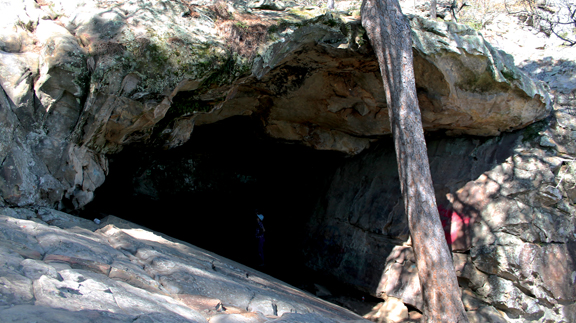
Legendary outlaws including Jesse James of the James-Younger Gang and Belle Starr would hide out in the cave hidden in the sandstone hills, which was part of the Indian Territory at the time.
“They would come into this area after they robbed a stagecoach or whatever the case may be,” Maib explained. “They would come into this area, lay low for a little while until the coast was clear, and then they would go on about their business.”
The cave is more like an overhang than a cave, he added. When Belle Starr had some “unsavory business,” she stayed in the area and then traveled 20 miles north of Robbers Cave to her cabin.
Many years later, Robbers Cave State Park was renovated and additions were made to the park. They designated an ATV area, which accommodates ATVs, side by sides, dirt bikes and even Jeeps. The state park has 250 acres of rideable land implemented in February and plan to add 250 to 300 more acres.
“We offer more outdoor recreational programs and activities than any other state park in Oklahoma,” he added.
The state park offers guided tours of Robbers Cave year-round as well as guided hikes, canoe tours, hayrides and cane pole fishing. They also give 30-minute rides on a trackless train.
“We do campfire cookouts and storytelling, anything from ghost stories to the old outlaw legends,” Maib added. “That is something that we are starting to add back into some of our programming, and we have had a really good response from it.”
Located at the state park is the Robbers Cave Stables operated by concessionaires. Robbers Cave Stables offers two-hour horseback rides, guided trail rides and even guided overnight pack trips.
“You set up camp, they cook for you and you ride back the next day,” Maib explained. “It’s really something unique, well, for anywhere in Oklahoma.”
Maib said the park could always use more lodging as they are booked year-round. The state park is currently finishing the design of two treehouse cabins and will begin construction soon.
“These being treehouse cabins is going to make them even that much more popular,” he added. “It is just something different to offer our guests.”
The park also hosts several events throughout the year, he explained. They offer a first day hike, an Easter egg hunt and an antique tractor show. They also host a Fourth of July celebration and a cardboard boat race in August.
“I think [the cardboard boat race] has three different age categories,” Maib said. “That’s been a lot of fun, and I think that is going to keep on growing.”
On the third weekend in October, the state park hosts their biggest event—Fall Festival. Celebrating its 30th year, the three-day event brings in more than 200 craft vendors and 80,000 people into the park, Maib said. A classic car show known as the Fall Foliage Cruise takes place on Saturday of the Fall Festival. The car show is the second largest car show in the state of Oklahoma, he added.
“The Fall Festival Committee start planning for the next year the month after the event ends,” he explained. “In November, they will start planning for October of the next year’s event, but it takes a lot of people to get it done.”
Maib said more visitors are coming to the state park during Thanksgiving and Christmas, and the park offers hayrides during the holidays.
“We will always offer something for those families who want to come out,” Maib added. “Instead of having the traditional meal and get together at home with family, they are coming out to the parks and renting our cabins and having their holiday here.”
For more information on Robbers Cave State Park, call 918-465-2562 or email robberscave@travelok.com.
This article was originally posted in the May 2016 issue of Oklahoma Farm & Ranch.

By Savannah Magoteaux
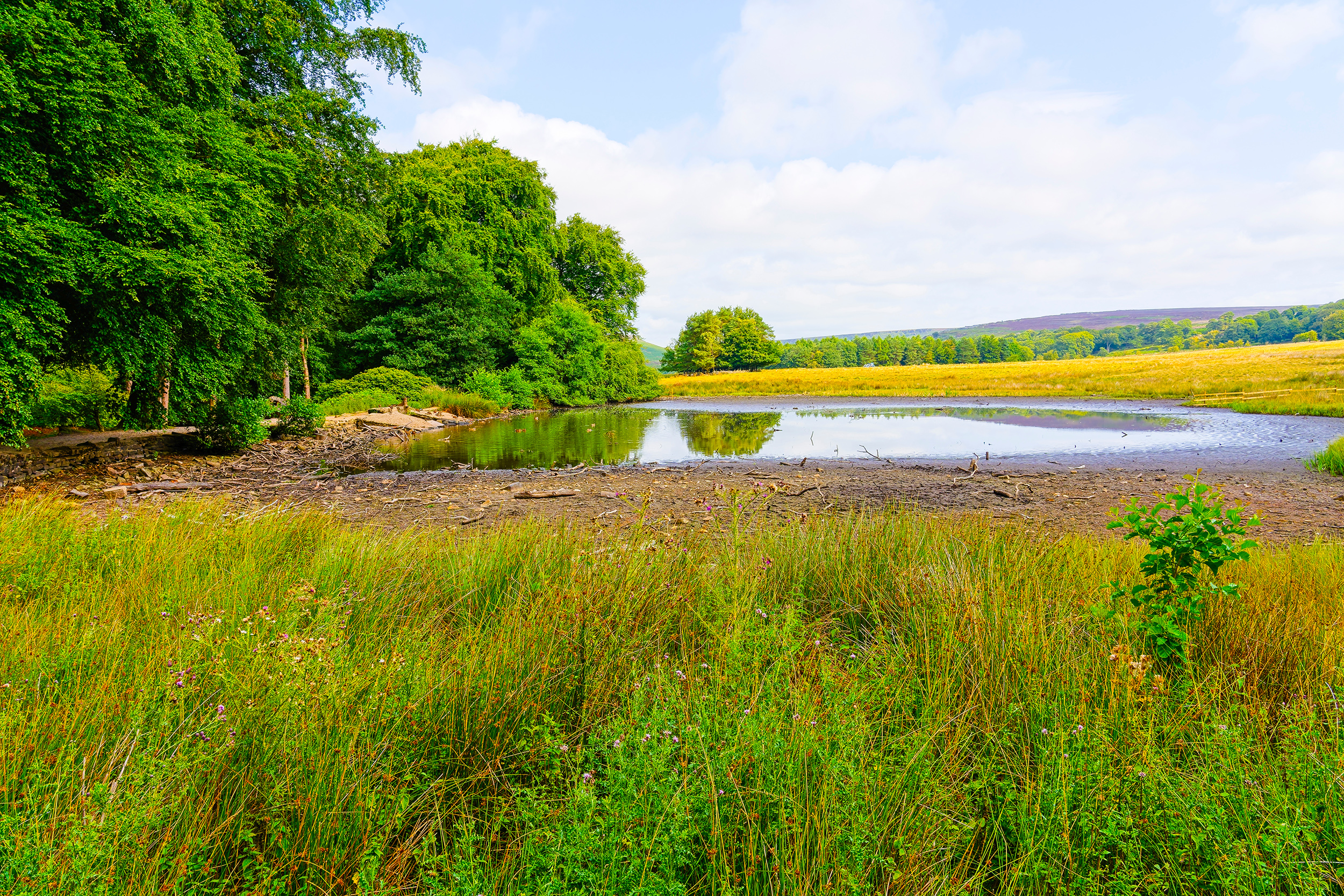
Right now, our ponds are looking a little tired.
Water levels may be down after weeks of heat and limited rain. Vegetation can be thick around the edges, the water may be warm and murky, and the bass that seemed willing to bite in spring can feel impossible to find.
But don’t give up on the pond just yet.
Late summer can be a hard time for fish. Warm water holds less dissolved oxygen than cool water, and oxygen levels matter even more in ponds with heavy plant or algae growth. In Oklahoma, oxygen depletion is one of the leading causes of pond fish kills.
Those conditions also change where fish spend their time. During the hottest part of the day, bass may slow down and move to more comfortable spots, including deeper water, shade, aquatic vegetation or structure. That makes early morning and evening good times to fish during the last hot weeks of summer.
Pay attention to cover, too. Submerged vegetation, brush, logs and other structure give bluegill and other small fish places to find food and protection, and bass are often nearby. Oklahoma State University Extension notes that some aquatic vegetation benefits a fishing pond, with about 20 percent plant coverage considered ideal.
Then September begins to bring a change.
Cooler nights gradually lower water temperatures, and fish that have been sluggish through the hottest part of summer often become more active. Bass start feeding more aggressively as conditions improve, and baitfish movement can make shallow areas productive again.
That doesn’t mean every cool morning will fill a stringer. Farm ponds are small ecosystems, and each one responds differently depending on depth, water clarity, vegetation, fish populations and rainfall.
Watch the pond itself during this transition. Fall can bring pond turnover, when the layers of water that formed during warm weather mix. If the deeper water holds little oxygen, that mixing can temporarily lower oxygen throughout the pond. Fish gulping at the surface, especially early in the morning, can signal an oxygen problem.
For most anglers, though, September has less to do with worrying over every change in the water and more to do with recognizing that the pond is entering a new season.
Fish earlier and later in the day while temperatures stay high. Work around vegetation and structure. As cooler weather settles in, try shallower water again and watch for signs of baitfish.
That farm pond that seemed nearly lifeless on an August afternoon may have plenty going on beneath the surface. Sometimes all it takes is a cooler morning, a little patience and one more cast.
By OKFR Staff
Drought is easy to see in a pasture. Grass turns brown, ponds shrink, creeks stop running and crops struggle. It’s harder to see what those same conditions are doing to wildlife.
For deer, turkey, quail and countless smaller species, drought changes much more than how much water is available. It changes where food grows, how much cover the land offers and, in some cases, how successfully animals reproduce.
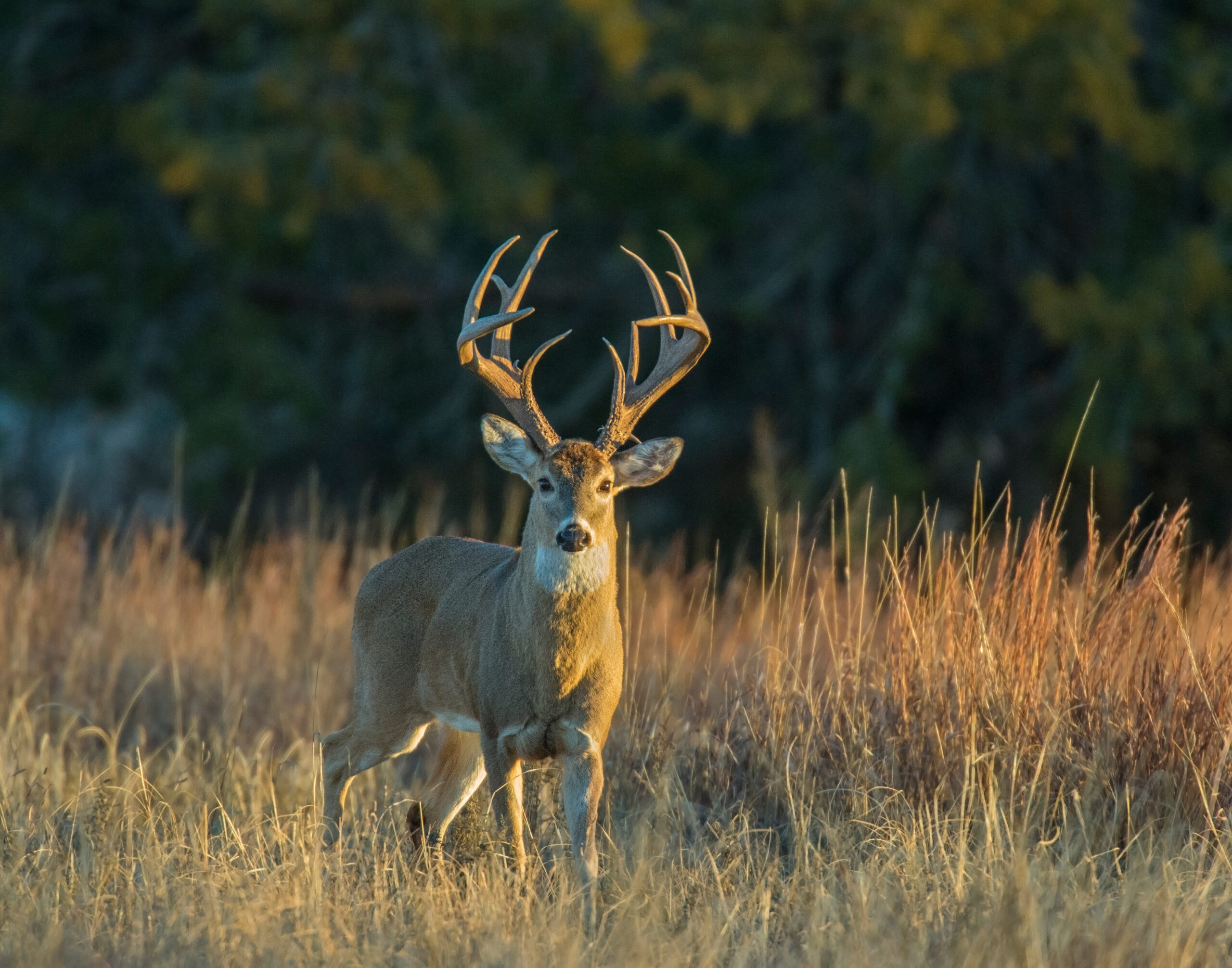
White-tailed deer are a good example. Deer can go surprisingly long stretches without drinking from a pond or creek if they have succulent plants that supply moisture. During drought, those plants become scarcer and lower in quality. Deer may start eating plants they would normally pass over, and dry years can affect body condition and antler growth. Research in Oklahoma has also shown that fawn production tends to rise and fall with rainfall, so prolonged drought matters when you look at the health of a deer herd over time.
Turkeys face many of the same challenges. Adult birds can get much of the moisture they need from fruits and succulent plants, but drought cuts into those foods. It also affects insects, which young poults depend on. Good brood habitat includes broadleaf plants and plenty of insects, and when dry weather reduces both, young birds have less to eat at a critical stage of life.
Quail may surprise people. Northern bobwhites don’t necessarily need to visit standing water every day. They can get moisture from green vegetation, insects, fruit and even dew. Drought still makes their lives harder by reducing those foods and changing the plant structure they depend on for nesting, feeding and escape cover.
That is why putting out more water isn’t always the whole answer. Oklahoma State University research found that supplemental water can concentrate quail around water sources but hasn’t been shown to increase quail numbers, even in drought years. The bigger issue is habitat. Wildlife need food, cover and space along with access to moisture.
For landowners, some of the best drought help may already be growing on the property.
Avoiding overgrazing leaves more grass and broadleaf plants for wildlife. Leaving brushy areas, native vegetation and field edges undisturbed can provide valuable cover when the surrounding landscape is dry and sparse. Trees and shrubs along creeks and drainages give animals shade, cover and travel corridors.
Water sources still matter, particularly where drought has dried up ponds and streams. If wildlife can reach livestock tanks, ponds or other artificial water sources, make sure animals can get in and out safely. Steep-sided tanks can trap birds and small mammals, so add escape ramps or other exits.
Landowners may also be tempted to start supplemental feeding right away. Feeders and food plots can attract wildlife, but they don’t replace healthy habitat. Food plots may struggle in the same drought that is hurting native vegetation, and concentrating animals around feeders can raise other concerns, including disease transmission and heavy pressure on nearby plants.
Drought also changes wildlife behavior. As resources run short, animals may travel farther or gather around the few places left with food, water and cover. That can make wildlife look more abundant in some spots even while the overall population is under stress.
The effects don’t always end with the first good rain, either. Vegetation takes time to recover, ponds may need repeated rains to refill, and a hard spring or summer’s reproductive losses can’t be reversed overnight.
Oklahoma wildlife are used to changing weather. Dry years are part of the landscape, just like wet years, and most native species have ways of adapting. The longer and more severe a drought becomes, though, the harder those adaptations have to work.
If you want to help wildlife through a dry spell, focus less on replacing everything nature isn’t providing and more on protecting what remains. Conserving cover, avoiding unnecessary disturbance, managing grazing carefully and keeping water sources safe can give wildlife a better chance until the rain returns.
By Ann Asher
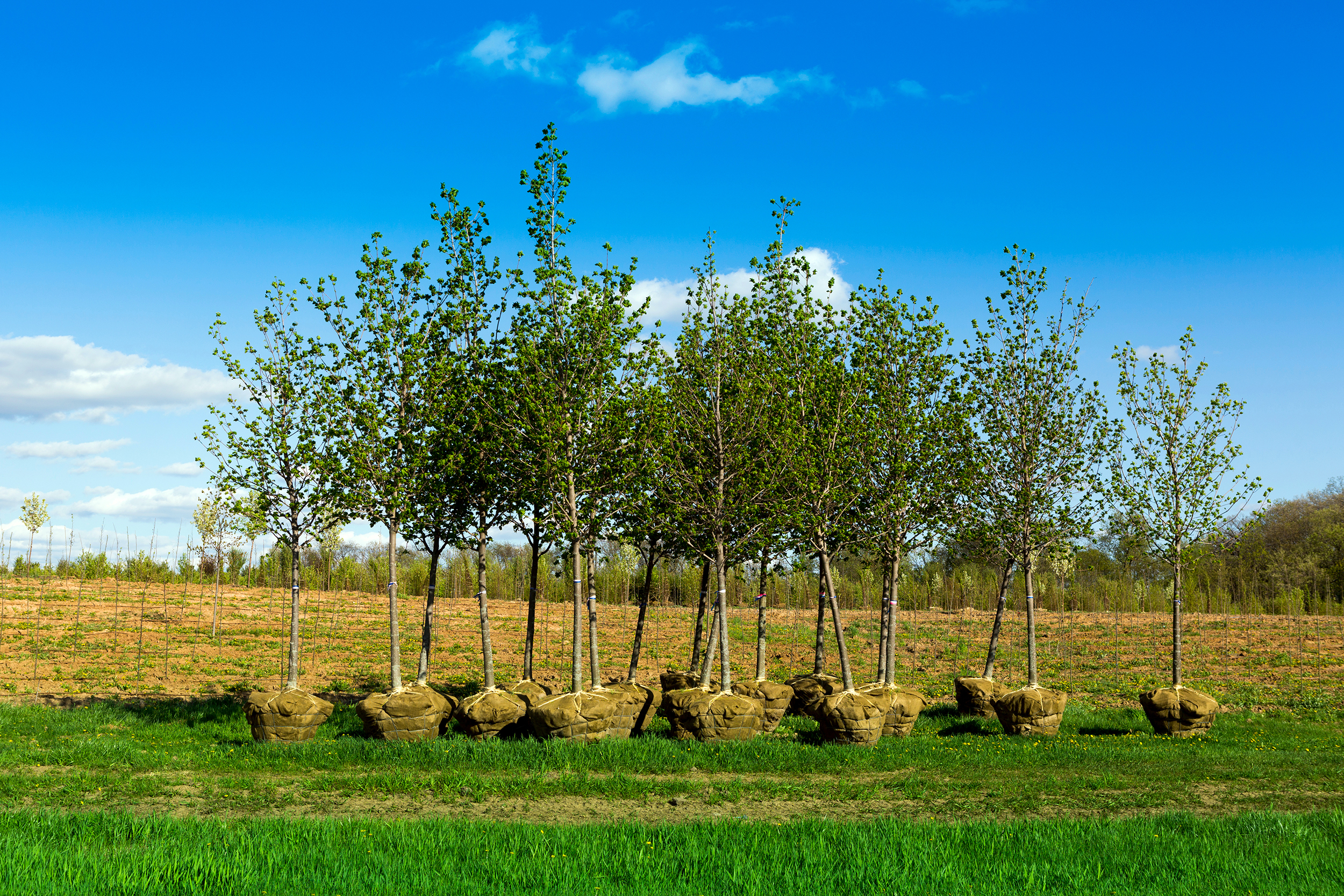
Every spring, garden centers fill with shoppers loading young trees onto trailers and into pickup trucks. It makes sense. The weather is warming, everything is turning green and planting season feels like it has arrived.
But ask an arborist or Extension horticulturist when they would rather plant a tree, and you’ll probably hear a different answer: fall.
It may seem backward at first, but in North Texas and central Oklahoma, experts widely consider the months between late September and early winter the best time of year to plant most trees. The leaves may be getting ready for winter, but the roots keep growing below the surface long after top growth has slowed. That lets a young tree establish itself before the next hot summer arrives.
That’s a tremendous advantage in a region where summer temperatures routinely climb into the 90s and beyond.
A newly planted tree has one job: grow roots. A tree planted in spring has only a short window before it must also support a flush of new leaves while enduring months of heat, drying winds and occasional drought. That combination can put significant stress on a young tree before its roots have had time to spread into the surrounding soil.
A fall-planted tree has a much easier assignment.
As air temperatures cool, the soil often stays warm for weeks. Those conditions encourage continued root growth without asking the tree to produce new leaves or long shoots. Instead of splitting its energy between growth above and below ground, the tree can put most of its effort into building a healthy root system. By spring, it has settled into its new home and is better prepared for warm weather. Research and recommendations from both Oklahoma State University Extension and Texas A&M AgriLife Extension support fall as an ideal planting season for many landscape trees in this region.
You still can’t dig a hole and walk away.
Choosing the right location is just as important as choosing the right tree. Consider the mature height and spread, not the size of the sapling you’re bringing home. A small oak, pecan or cedar elm may fit comfortably today, but in a few decades it could tower over a house or tangle with utility lines if you plant it without a plan. Likewise, trees that prefer moist soils may struggle in dry, exposed spots, while drought-tolerant native species often need far less maintenance once established.
When it’s time to plant, dig a hole two to three times wider than the root ball, but no deeper.
One of the most common mistakes homeowners make is planting too deep. The point where the trunk begins to flare into the roots should sit at or just above the finished soil level. Burying that flare can lead to poor growth and long-term health problems.
Backfill with the native soil that came out of the hole instead of rich potting soil or heavy amendments. It may seem like a kindness, but surrounding the roots with very different soil can discourage them from growing outward into the ground where they’ll ultimately need to survive.
Water thoroughly after planting, then keep watering deeply as needed during dry periods through fall and winter. Even dormant trees need moisture while their roots continue to develop. A layer of mulch two to four inches deep around the base helps conserve soil moisture, regulate temperature and reduce weed competition. Keep the mulch pulled back several inches from the trunk. The familiar “mulch volcano” piled against the bark may look tidy, but it can trap moisture, encourage decay and attract insects.
If you’re unsure what to plant, consider species well adapted to the Southern Plains. Bur oak, chinkapin oak, cedar elm, Shumard oak, bald cypress, Mexican plum, eastern redbud and native pecan are all excellent choices in many parts of North Texas and central Oklahoma, depending on soil conditions and available space. Native trees generally handle local weather extremes better and provide valuable habitat for birds, butterflies and other wildlife.
Planting a tree is one of the few gardening projects that benefits future generations. Long after this year’s tomatoes are forgotten and next season’s flowers have come and gone, that tree will still be growing. It may shade a porch, shelter wildlife, lower summer cooling costs or become the backdrop for family photographs that haven’t been taken yet.
Spring may get most of the attention, but fall gives young trees their best chance to thrive. Give them a strong start now, and they’ll spend the years ahead returning the favor.





-
 Country Lifestyle2 years ago
July 2017 Profile: J.W. Hart
-
 Farm & Ranch2 years ago
From Plow to Plentiful: The Most Important Inventions in Agricultural History
-
 Attractions9 years ago
48 Hours in Atoka Remembered
-
 Equine9 years ago
Umbilical Hernia
-
 Country Lifestyle5 years ago
The Two Sides of Colten Jesse
-
 Outdoors9 years ago
Grazing Oklahoma: Honey Locust
-
 Farm & Ranch8 years ago
Hackberry (Celtis spp.)
-
 Attractions3 months ago
Oklahoma Ghost Towns – Navajoe