
Farm & Ranch
Dr. Jason

By Ddee Haynes
“We make a living by what we get. We make a life by what we give.”
Winston S. Churchill
The words of Winston Churchill could not ring truer to a person’s character than to Dr. Jason Thorne, DVM.
I first met Jason (aka Dr. Thorne) while on a field trip with the Custer County 4-H horse club about seven years ago. Jason was fresh out of vet school and working for a local clinic. I am pretty certain he was still considered the low man on the totem pole, thus the reason for him being chosen to visit with a group of lively 4-H kids. As a mom of one of those kids, I was extremely impressed how Jason handled all the questions that were thrown at him, how he took time to show the kids around the clinic and overall made the entire experience a huge success.
Jason’s demeanor and sincerity that day left a lasting impression on those kids and I couldn’t help but chuckle to myself as I listened to the conversations on the way home as a few of the young girls talked about what they had learned that day and “how cute” Dr. Thorne was.
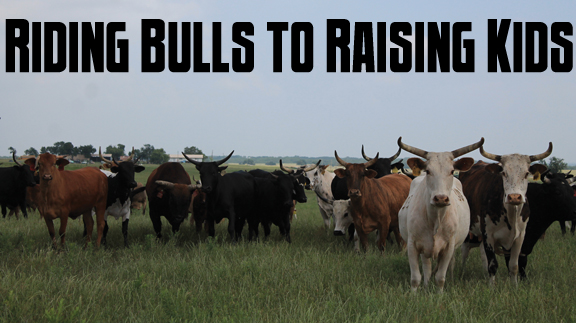
Growing up in Marlow, Okla., as the son of the Police Chief, Jason once considered following in his father’s footsteps, but his love for animals kept pulling him in a different direction. When his dad began adding longhorns to his herd, Jason had the idea to start training them to ride. Jason would choose which longhorn to train as to which animal would first come up to him. Jason stated that gaining the trust of the longhorn was important, but building their trust was the key. Once a longhorn pupil was chosen, Jason would become the only person to have contact with the animal, even pulling it from the herd. The longhorn would come to rely solely on Jason. During his high school years, Jason trained several longhorns to ride and would later sell them.
In addition to his love for animals Jason enjoyed playing basketball and football. However, when he later transferred to a larger school, he found that sports were taking time away from his true love, animals. Jason’s career path was determined after a “Career day” allowed him to work alongside Dr. Holly Wilson at Beavers Animal Hospital in Lawton, Okla. At the time Jason was 15 years-old and happened to be at the hospital while Dr. Wilson was preforming a C-section on a greyhound. Dr. Wilson showed Jason how to clear the fluid from the pup’s lungs. Thanks to Dr. Wilson and Jason, all four pups survived and the career path for Jason was clear.
Jason graduated with his Doctor of Veterinary Medicine from Oklahoma State University, Stillwater. Okla., in the spring of 2010. Jason took his first job at a clinic in Western, Okla., where I first met him on the 4-H horse club field trip. Little did I know after meeting Jason that afternoon that he would become a huge part of our family, not just as the DVM for our animals but also as a friend.
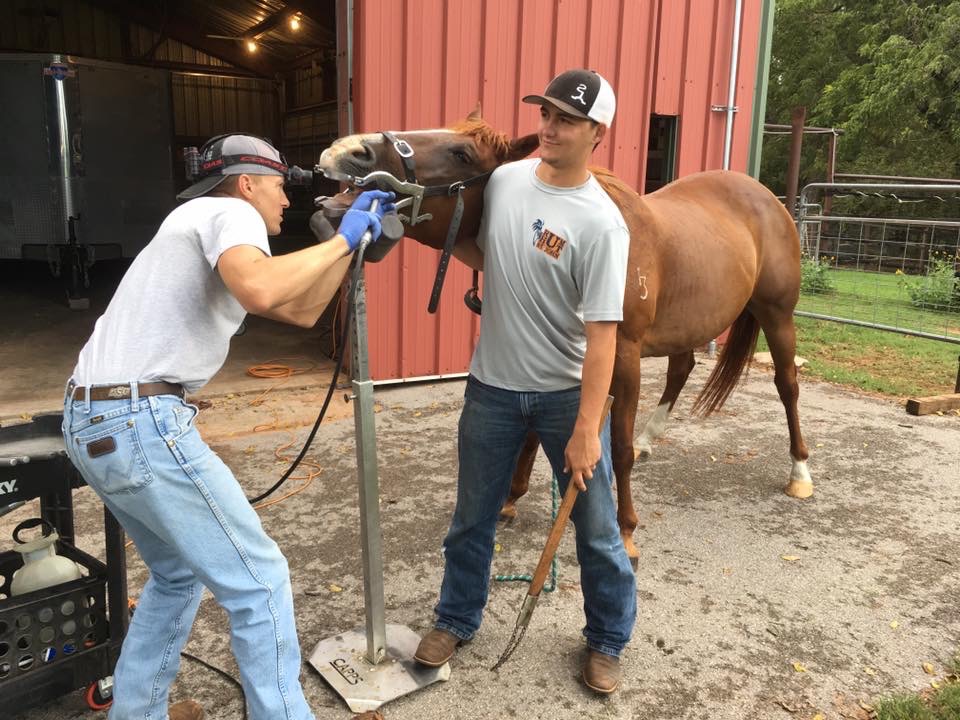
In 2016, Dr. Jason and his wife Lacey decided to take a leap of faith and go out on their own. They purchased a vet trailer and hit the ground running. It did not take long before Jason’s reputation, work ethics and true love for animals spread around the countryside. Jason soon became the go-to-vet for cattle ranchers, horse lovers and, of course, the small animal cliental.
Our family had started using Jason for horse vaccinations and maintenance, but it wasn’t until one almost fatal night that we saw just how much this young vet truly cared for his four-legged patients. The weather had turned off cold and wouldn’t you know it, one of our horses was showing signs of colic. As I prayed for our horse, Magic, I dialed Jason’s cell. When Jason answered I explained the symptoms and he assured me he was on his way.
Sure, enough Magic was impacted, dehydrated and on her way to a full-blown colic. Jason worked patiently administrating fluids all the while touching and speaking to Magic in a calm and soothing way. After the first bag was emptied, he still did not feel Magic was good and decided to give her another bag of fluids. By this time, it was close to 11:00 p.m. and pretty darn cold even inside the barn. Jason told me to go inside and that he would stay with Magic. He said he had paperwork to do and could sit inside his truck and work while keeping an eye on her. Although I offered to stay with him and Magic, he insisted I go inside. A few hours later, Jason texted me. Magic was going to be fine and he would check on her the next day. True to his word, he not only called but also came out to look at her again.
Over the past few years we have had other emergencies as well as non-emergency issues with our animals. Each time Jason has gone above and beyond. After my favorite dog Pete was chewed up by coyotes in the wee hours of a Sunday morning, I waited until after 8:00 a.m. that morning to call. Jason told me to load up Pete and meet me at his home. Once again Jason saved the day and Pete survived. Although I do believe Pete still holds a grudge for Jason calling him fat! Come on, Jason, Pete is just big-boned.
When Jason decided to strike out on his own, Lacey supported his decision and took the leap of faith with him. Together they have worked alongside one another to establish Territory Medicine, located just west of Weatherford, Okla. Both Jason and Lacey have made many sacrifices to make their dreams a reality. While Jason worked long hours, Lacey gave up family time with him. For over a year the young family lived in a 5th-wheel trailer with their two small children inside what is now part of the clinic.
Jason, Lacey and their two young daughters Aysa and Aspyn now make their home over the clinic in a home they literally built themselves. Territory Medicine is booming. Although his business is continuing to grow, Dr. Jason still makes each patient and their owners feel as if they are his only priority.
I whole heartily believe the old saying “If you love your job you will never work a day in your life.” Dr. Jason Thorne is a perfect example of loving his job. Keep up the good work, Dr. Jason, and thank you for all you do!
Until next time….
Read more in the January issue of Oklahoma Farm & Ranch.
Barry Whitworth, DVM
Area Food/Animal Quality and Health
Specialist for Eastern Oklahoma
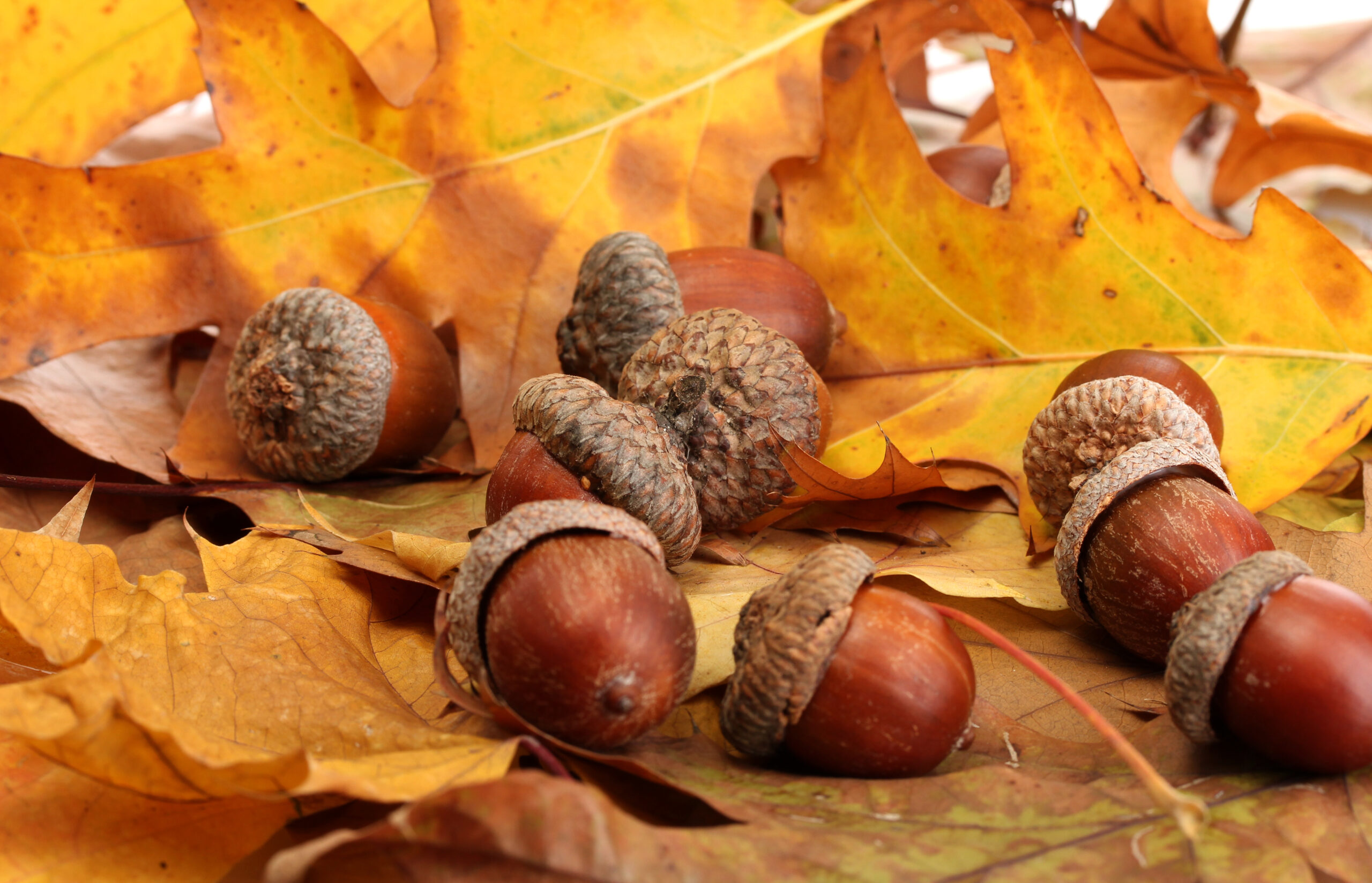
With the prolonged drought, most pastures in Oklahoma are in poor condition. With the lack of available forage, animals may go in search of alternative foods. If oak trees are in the pastures, acorns may be a favorite meal for some livestock this fall. This may result in oak poisoning.
Oak (Quercus species) leaves, twigs, buds, and acorns may be toxic to some animals when consumed. Obviously, acorns can be a problem in the fall and green acorns can be more toxic than mature acorns. When acorns form only a small portion of the diet, there are usually no signs of problems. However, consumption of large quantities may result in toxicity. Tannins in the acorns cause the toxicity. The most common tissue damaged by the tannins are the digestive tract and kidneys. Cattle and sheep appear to be more susceptible to toxicity than goats. Other animals such as horses, rabbits, and chickens have succumbed to the toxicity of oak poisoning as well. Interestingly, some individual animals are more tolerable of the toxins and show no ill effects when consuming acorns.
Clinical signs of oak toxicity usually appear a few days after consumption of acorns. Initially, the animals are weak, listless, emaciated, and anorexic. This is followed by ventral edema (swelling of lower parts of the body such as legs, chest, ventral abdomen), urinating large amounts of urine, abdominal pain, and constipation. The animal may pass hard mucus covered fecal material which may change to black tarry or bloody feces as the disease progresses. If the animal is not treated, kidney failure is likely.
A tentative diagnosis of acorn poisoning may be based on clinical signs and access to acorns. Blood tests that indicate kidney disease is another clue to the condition. A necroscopy with examination of tissues for characteristic lesions of the disease is the standard to confirm a diagnosis of oak toxicity.
Treatment of oak toxicity starts with removing the animals from the area where the acorns are located. Those animals displaying signs of the disease should be given fluids to correct dehydration and electrolyte imbalances. Mineral oil and/or activated charcoal may be given to reduce toxin absorption. If animals survive the initial toxicity, they may recover, but it may take several weeks for kidney function to return to normal.
As always, prevention is better than treatment. Producers should be very careful allowing livestock to graze in areas where acorns are present. Livestock should be fed plenty of hay and feed this fall to avoid over consumption of acorns. For those producers who cannot avoid grazing areas with large numbers of oak trees, feeding a grain mixture with 10% to 20% of calcium hydroxide has been successful in preventing problems with acorn poisoning.
Two thousand twenty-two has not been the best year for livestock producers. The drought has produced poor pasture conditions as well as very little hay. On top of those problems, feed costs continue to increase. The last problem a producer needs is a large number of sick cows. For those that graze an area with a large number of oak trees, prevention may be worth the cost this year. At the very least keep a close watch of your animals this fall. Producers wanting more information about oak toxicity, should consult with their local veterinarian or visit with their Oklahoma State University Cooperative Extension County Agriculture Educator.
Barry Whitworth, DVM | Area Food/Animal Quality and Health Specialist for Eastern Oklahoma
*Article originally printed in the October 2022 issue of Oklahoma Farm & Ranch.
Since most of Oklahoma experienced drought conditions and with fall fast approaching, producers with fescue pastures should closely observe their livestock for any signs of fescue toxicity. According to Mike Trammel, Pottawatomie County Ag Educator and Muti-County Agronomist, fescue toxins (ergot alkaloids) tend to increase in Kentucky-31 tall fescue pastures in the fall. Some reports indicate more problems with fescue toxins following a summer drought and limited fall rains. All of this may put Oklahoma cattle at a greater risk of fescue toxicity.
One issue that cattle experience with fescue toxins is fescue foot. Fescue foot is thought to be caused by ergot alkaloids such as ergovaline. These alkaloids are produced by endophyte fungus (Epichloë coenophiala) which is in tall fescue. Ergovaline has been proven to be a vasoconstrictor which might be responsible for fescue foot and heat intolerance also known as summer slump in cattle. Other issues that may be seen with the ergot fescue toxins are reduced milk production and reproductive issues.
Clinical signs of fescue foot appear within a few days of cattle being turned on to tall fescue pastures or it may take weeks if toxins in the pasture are low. Producers will initially observe cattle with arched back, rough hair coats, and sore feet. These symptoms are more noticeable early in the morning and with cold weather. This is followed by reddening and swelling in the area between the dewclaws and hooves. The lameness usually becomes more severe with time. If no action is taken, gangrene will result in loss of tissues distal to the coronary band and declaws. If the weather remains mild, other signs such as increase respiration rate, increase heart rate, and higher body temperature are more common.
Other causes of lameness in cattle must be differentiated from fescue foot. One simple method that will help differentiate fescue foot from footrot is to check the temperature of the foot. If the foot is cold, this is an indication that the problem is more likely fescue foot.
Since there is not a specific treatment for fescue foot, the condition must be managed. Cattle need to be observed daily for any signs of lameness or stiffness during the first few weeks on fescue pastures. This should be done early in the morning before cattle walk off the stiffness. Producers should pay close attention during cold weather, especially when rain, snow, or ice are present. Any animal showing clinical signs of fescue foot should be removed from the pasture and placed in a clean environment. The animal should be fed a ration with no fescue toxins.
The best but most costly solution to reduce fescue toxicity is to renovate old pastures with new endophyte friendly varieties. If this option is not possible, producers might try interseeding fescue pastures with clovers or other grasses. This should dilute fescue toxins. Nitrogen fertilization may increase ergot alkaloids, so producers should avoid fertilizing fescue pastures with high amounts of nitrogen. Researchers have demonstrated that feeding a supplement while grazing fescue pastures reduces clinical symptoms. Some studies indicate a difference in susceptibility to fescue toxicity in some cattle. Selecting cattle based on genetic tolerance of fescue toxins is an option. (For more information go to www.agbotanica.com/t-snip.aspx)
With large areas in Oklahoma covered with Kentucky-31 fescue pastures, fescue foot as well as other fescue toxicities are not going away any time soon. Livestock producers will need to watch their livestock closely for any signs of fescue toxicity and manage their pastures to keep toxins as low as possible. If producers would like more information on fescue foot, they should consult their veterinarian and/or visit their local Oklahoma State University Cooperative County Extension Agriculture Educator.
By Barry Whitworth, DVM, MPH | Senior Extension Specialist Department of Animal & Food Sciences | Ferguson College of Agriculture | Oklahoma State University
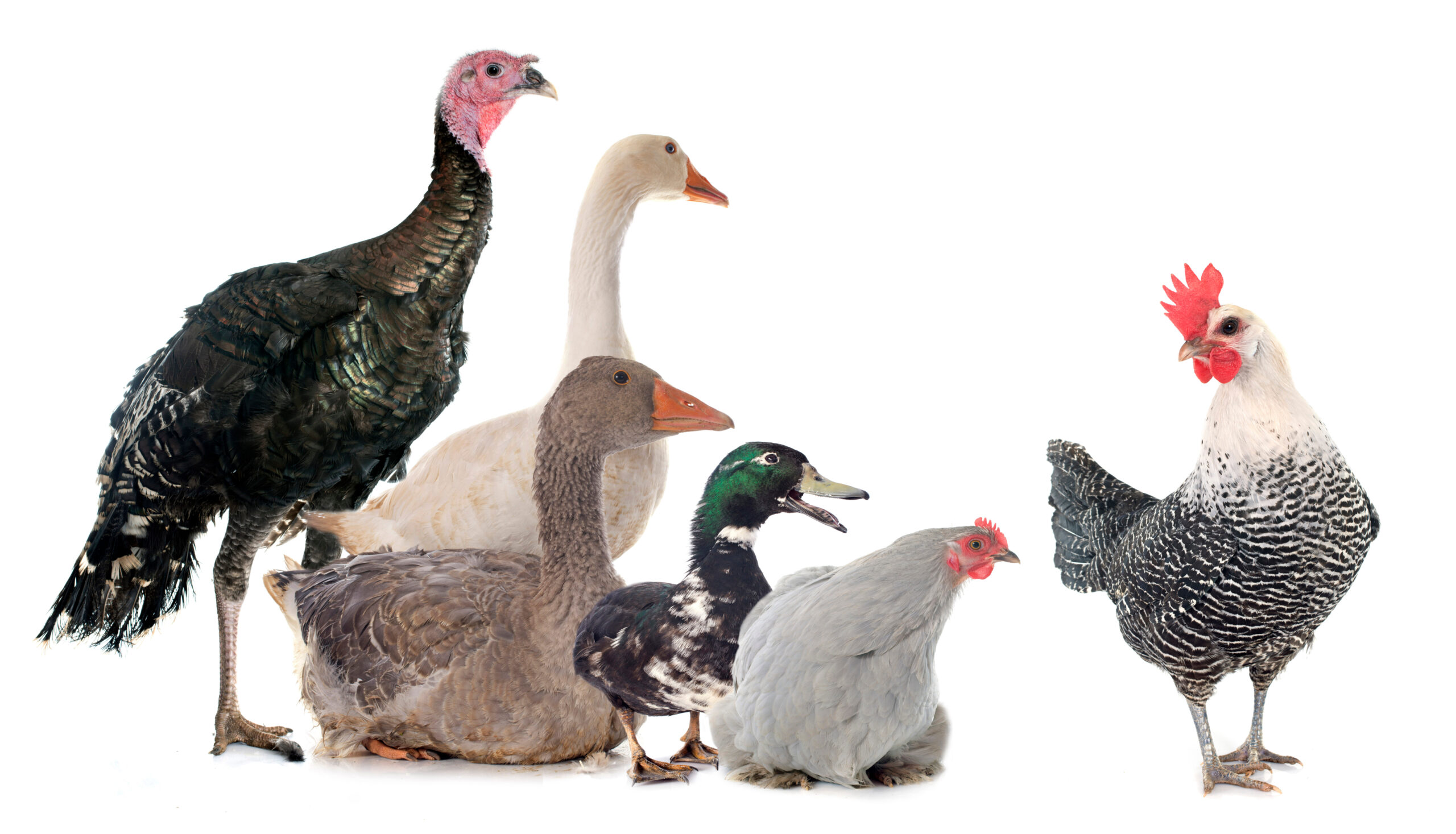
According to the 11th edition of Poultry Diseases, external parasites of poultry are arthropods that live on or in the skin and feathers. Essentially, parasites are freeloaders that live at the expense of the host. Backyard birds are infested with a variety of pests. Ticks, fleas, mites, and lice are some of the most common external parasites found in chickens, turkeys, and ducks. Several of these parasites are bloodsuckers. If not controlled, they can cause weight loss, decreased egg production, unthriftiness, and death in severe cases.
According to a study conducted by Dr. Amy Murillo and associates in California, the most common external parasites in backyard flocks were lice, fleas, and mites. Lice were the most frequently observed parasites, with the chicken body louse (Menacanthus stramineus) found on half of the premises inspected. The fluff louse (Goniocotes gallinae) was found in 35% of operations. The wing louse (Lipeurus caponis) and sticktight flea (Echidnophaga gallinacea) were present in 20% of flocks. Northern fowl mites (Ornithonyssus sylviarum), which are the most common mites found in commercial poultry operations, were detected in only 15% of flocks. However, the survey was conducted in the summer, which may have influenced the low number of northern fowl mites, since they are most active in the winter.
Birds infested with external parasites often become agitated due to skin irritation. They will spend more time preening and scratching. Their feathers may become damaged, and they may appear unhealthy. Birds showing these signs should be examined.
When examining birds for external parasites, producers should focus on the breast, back, head, vent region, and wings. Lice may be found on different parts of the body. They are yellowish in color and lie flat against the skin. Their eggs are typically found attached to the shafts of feathers. The vent area is the primary location to check for mite infestations and may appear “dirty.” Sticktight fleas are usually found embedded in the comb.
Birds should be monitored regularly. When producers are unable to examine all birds, they should focus on the young, the old, and any bird that appears unhealthy. The coop should also be inspected. Producers should examine the bedding, walls, and roosts, with close attention given to crevices and cracks where pests may hide.
Before parasite control can begin, the parasite must be correctly identified. Producers can use books or other publications for this purpose, or they may consult a veterinarian. Contacting the local Oklahoma State University Extension office is also a useful option. An agricultural extension educator may be able to identify the pest or submit samples to the Plant Disease and Insect Diagnostic Laboratory at Oklahoma State University for identification.
Prevention and control of external parasites require an integrated approach. The first line of defense is a strong biosecurity program to prevent parasites from entering the operation. Sanitation is also critical, keeping the coop and surrounding area clean helps prevent infestations.
Maintaining healthy birds is essential in preventing parasite infestations. Producers should focus on proper nutrition and disease prevention as they are key factors in maintaining a healthy flock. A strong immune system can help birds better withstand some external parasites.
Selecting the proper pesticide and using it correctly is essential. Many pests described in this article can be controlled with appropriate pesticides; however, their eggs are not killed, which requires repeated applications to target newly hatched larvae. Producers should read and follow pesticide label directions.
Alternative methods for external parasite control are also available such as providing diatomaceous earth mixed with sand for dust bathing or using sulfur bags to control mites and lice. For more information on these methods, see references below.
Finally, early identification and treatment greatly increase the chances of successful control. If infestations are allowed to become established, control becomes much more difficult.
For more information on external parasites in backyard poultry, producers may visit https://www.veterinaryentomology.org/ or contact their local veterinarian or Oklahoma State University County Agriculture Extension Educator.
References
Arends, J., J. (2003). External parasites and poultry pests. Diseases of Poultry. 11th Edition.
Murillo, A. C., & Mullens, B. A. (2016). Diversity and Prevalence of Ectoparasites on Backyard Chicken Flocks in California. Journal of medical entomology, 53(3), 707–71.
Murillo, A. C., & Mullens, B. A. (2016). Timing Diatomaceous Earth-Filled Dustbox Use for Management of Northern Fowl Mites (Acari: Macronyssidae) in Cage-Free Poultry Systems. Journal of economic entomology, 109(6), 2572–2579.
Murrillo, A.C., Mullens, B.A. (2016). Sulfur Dust Bag: A Novel Technique for Ectoparasite Control in Poultry Systems: Journal of Economic Entomology, 109(5), 2016, 2229-2233.





-
 Country Lifestyle2 years ago
July 2017 Profile: J.W. Hart
-
 Attractions9 years ago
48 Hours in Atoka Remembered
-
 Farm & Ranch2 years ago
From Plow to Plentiful: The Most Important Inventions in Agricultural History
-
 Equine9 years ago
Umbilical Hernia
-
 Country Lifestyle5 years ago
The Two Sides of Colten Jesse
-
 Outdoors8 years ago
Grazing Oklahoma: Honey Locust
-
 Farm & Ranch8 years ago
Hackberry (Celtis spp.)
-
 Equine6 years ago
On the Road with Emily Miller-Beisel