
Farm & Ranch
Recently Completed Reclamation Project is Excellent Example of Abandoned Mine Land Work in Oklahoma

Some believe you can’t go back in time.
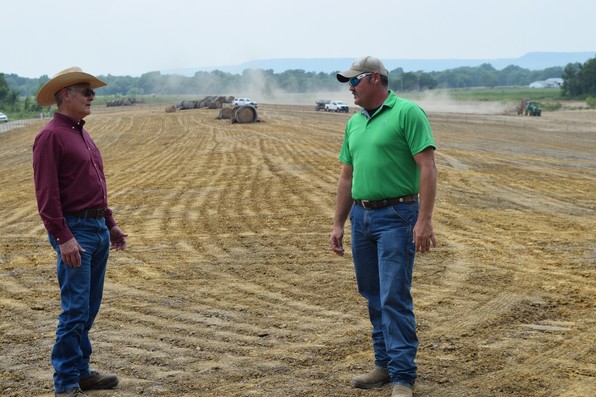
However, that’s exactly what the Abandoned Mine Land Reclamation Program does. In this case, they’ve returned nearly 24 acres to productive use that were surface mined for coal over 45 years ago.
Construction on the Owen-Cherokee West Abandoned Mine Land Reclamation project in the Muskogee County Conservation District reached completion on July 20 and two days later the Final Inspection of the Project in eastern Oklahoma was held. The concluding phases of the project included: the final grading stage of earth work, the installation of rip rap, rock check dams, and fencing. A dangerous highwall and a hazardous waterbody have been removed from the site. This project is in a highly visible location at an intersection with heavily traveled county roads. The property has been dramatically improved, and the landscape conforms to the natural environment with the elimination of significant health and safety hazards. Approximately 23.5 acres of land have been reshaped and reclaimed.
Robert Toole, Oklahoma Conservation Commission Abandoned Mine Land Reclamation Program Director, said this project is a good example of AML work in various ways.
From a technical standpoint, the Oklahoma AML Program secured the right-of-entry for the private property needed for the project. They then designed the plans, coordinated the environmental clearances, contracted the second American Burying Beetle survey, contracted the construction, inspected construction, prepared the vegetative plan, coordinated the vegetative services and inspected the vegetative treatment application.
From a partnership standpoint, the Surface Mining Control and Reclamation Act of 1977 (SMCRA) established a cooperative federalism approach to abandoned coal mine reclamation.
Toole said, “This project is a prime example of how well that approach works to address abandoned mine land reclamation on any land in Oklahoma.”
The project was a partnership effort involving the Cherokee Nation, the Office of Surface Mining Reclamation and Enforcement, the Oklahoma Conservation Commission, the Muskogee County Conservation District and private landowners.
The work area involved Cherokee Nation abandoned mine land that needed maintenance for which the Office of Surface Mining Reclamation and Enforcement (OSMRE) was providing technical assistance.
“The maintenance treatment necessary to alleviate the problems required the involvement of adjacent private property abandoned mine land for which the Oklahoma AML Program had authority to reclaim,” Toole said. “Through a Cooperative Agreement, the OSMRE coordinated the involvement of the Cherokee Nation land and the Oklahoma AML Program coordinated the inclusion of the private property land. Funding was jointly provided by OSMRE for the Cherokee Nation land acreage and by the Oklahoma AML Program for the private land acreage.”
Toole added, “In collaboration with OSMRE, the Oklahoma AML Program designed the Cherokee Nation land maintenance treatment in coordination with the abandoned mine land reclamation of the private land to create a contiguous work area that addressed the needs of all interests to the maximum extent possible.”
The Oklahoma AML Program then performed all project management including contracting, construction inspection and vegetative treatment oversight. The Muskogee County Conservation District served as the vegetative contractor to secure the best vegetative services available. This cooperative project involved the federal government, state government, local government, tribal government and private landowners.
“It doesn’t get much more partnership than that and yet it worked very efficiently and effectively with the Oklahoma AML Program coordinating communications, input and project management,” Toole said.
Those who participated in the final inspection at the site included: Butch Garner, Muskogee County Conservation District Chair; Pat Gwin, Cherokee Nation; LaChelle Harris, OSMRE Tulsa FO; Lee Owens, landowner; Valerie Rogers, OCC-AML Engineer; Tracy Reeder, OCC-AML Construction Supervisor; Trampas Tripp, OCC-AML Program Assistant/Project Inspector, and Toole, OCC-AML Program Director.
Discussions between AML and OSMRE about this project began in 2017, and the Cooperative Agreement was executed the following year (2018). The notice to begin construction was given on January 5, 2021 and was completed in July.
This reclamation project was part private landowner and part Cherokee Nation land.
Such projects afford many opportunities for producers, sometimes it is business related, sometimes it is more quality of life. Owens, the private landowner, said a neighbor cuts the hay on her land and this will provide more land for that use. Plus, the reclamation opens the door for use by her grandchildren as they make memories.
“This was a wooded area before, but now this gives us easier access to my other acreage for the grandkids to go fishing,” she said, followed by a big smile.
The AML mission
The mission of Oklahoma’s Abandoned Mine Land Reclamation Program is to protect lives, repair scarred land and improve the environment. Twenty-six (26) known deaths have occurred in the state on abandoned coal mines. Oklahoma has over $120 million in reclamation that needs to be addressed and receives only $3 million per year. The authority provided by the Surface Mining Control and Reclamation Act of 1977 as amended to collect fees to fund AML reclamation expires in September 2021. If the Act is not reauthorized, Oklahoma will have millions of dollars of hazardous abandoned coal mine sites left unreclaimed.
AML achievements to date includes: 187 completed projects; 5,520.7 acres reclaimed; 320,048 linear feet of dangerous highwall reclaimed; 258 hazardous water bodies reclaimed; 223 subsidence sites reclaimed; 22 hazardous structures removed; 397 mine openings closed; 16 miles of clean streams restored.
Looking back
Coal mining started in Oklahoma in 1872, taking place primarily in a 16-county area on the eastern side of the state. Early production came almost entirely from underground mines, but with the development of larger power equipment, surface mining became the preferred approach and continues to be the primary mining method used in the state. Over 32,000 acres of land have been used for surface mining and another 40,000 acres have been used for underground mining, resulting in many abandoned mining sites that threaten the environment as well as Oklahomans’ health and safety.
For years, conservation district directors in eastern Oklahoma voiced their concerns about these unclaimed mined areas and spoke to local lawmakers about legislation to address the issue. This advocacy led to the passage of the Open Cut Land Reclamation Act in 1968, which required leveling only the tops of spoil ridges to a width of 10 feet, a requirement that many deemed inadequate. In 1971 these reclamation guidelines were strengthened to require “a rolling topography traversable by machines or equipment commonly used with the land after reclamation.” Still dissatisfied by this requirement, conservation district directors and other environmental advocates turned to Congress for assistance in passing more robust mine reclamation legislation.
On August 3, 1977, President Jimmy Carter signed Public Law 95-87, known as the Surface Mining Control and Reclamation Act of 1977. This legislation created a national system for controlling the surface effects of active coal mining and established a trust fund dedicated to reclaiming hazardous orphan coal mine land. The trust is funded by fees on active coal mining that are set to end in 2021.
Within months of Public Law 95-87 passing, Governor David Boren designated the Oklahoma Conservation Commission as the state agency responsible for reclaiming abandoned coal mine land in Oklahoma. On May 19, 1981, Governor George Nigh signed Senate Bill 217 implementing the Abandoned Mine Land (AML) Program in Oklahoma, which was subsequently approved by Cecil Andrus, the Secretary of the U.S. Department of the Interior at the time. Oklahoma is one of the few states where conservation districts are integrally involved with AML reclamation efforts. These efforts are 100 percent federally funded from fees on active coal mine production.
Take for example, projects of the past…
There have been many other successes through the years. Here are a couple of those:
The Lindsay AML Project is located near Claremore, Oklahoma, close to the Oologah Reservoir in Rogers County. A 50-foot final-cut highwall and pit paralleled the road to the reservoir. With considerable residential development in the area, there was a strong potential for an accident. The pit was backfilled using the on-site spoil piles, eliminating 2,700 linear feet of highwall. A total of 37 acres was reclaimed at a cost of $227,114. The project was completed August 12, 1992.
The Bill Tipple Civil Penalty Project is adjacent to Highway 10 near Welch, Oklahoma, in Craig County. The site was an abandoned coal-processing facility with many dilapidated structures and equipment creating safety hazards. The presence of approximately 15,000 cubic yards of acid-forming surface coal refuse posed a major threat to the underlying groundwater aquifer as well as a public health hazard. The site was eligible for funding under the federally administered civil penalty program. Hazardous structures and equipment were either salvaged or buried. The coal refuse was buried with a minimum 2-foot clay cover. A total of 55 acres was reclaimed at a cost of $201,285.70. It was completed August 26, 1993.
Of the Owen-Cherokee West Reclamation project, Toole said, “This project is a model for performing abandoned coal mine land reclamation on any land in Oklahoma through the Oklahoma Conservation Commission Abandoned Mine Land Reclamation Program.”
Barry Whitworth, DVM
Area Food/Animal Quality and Health
Specialist for Eastern Oklahoma
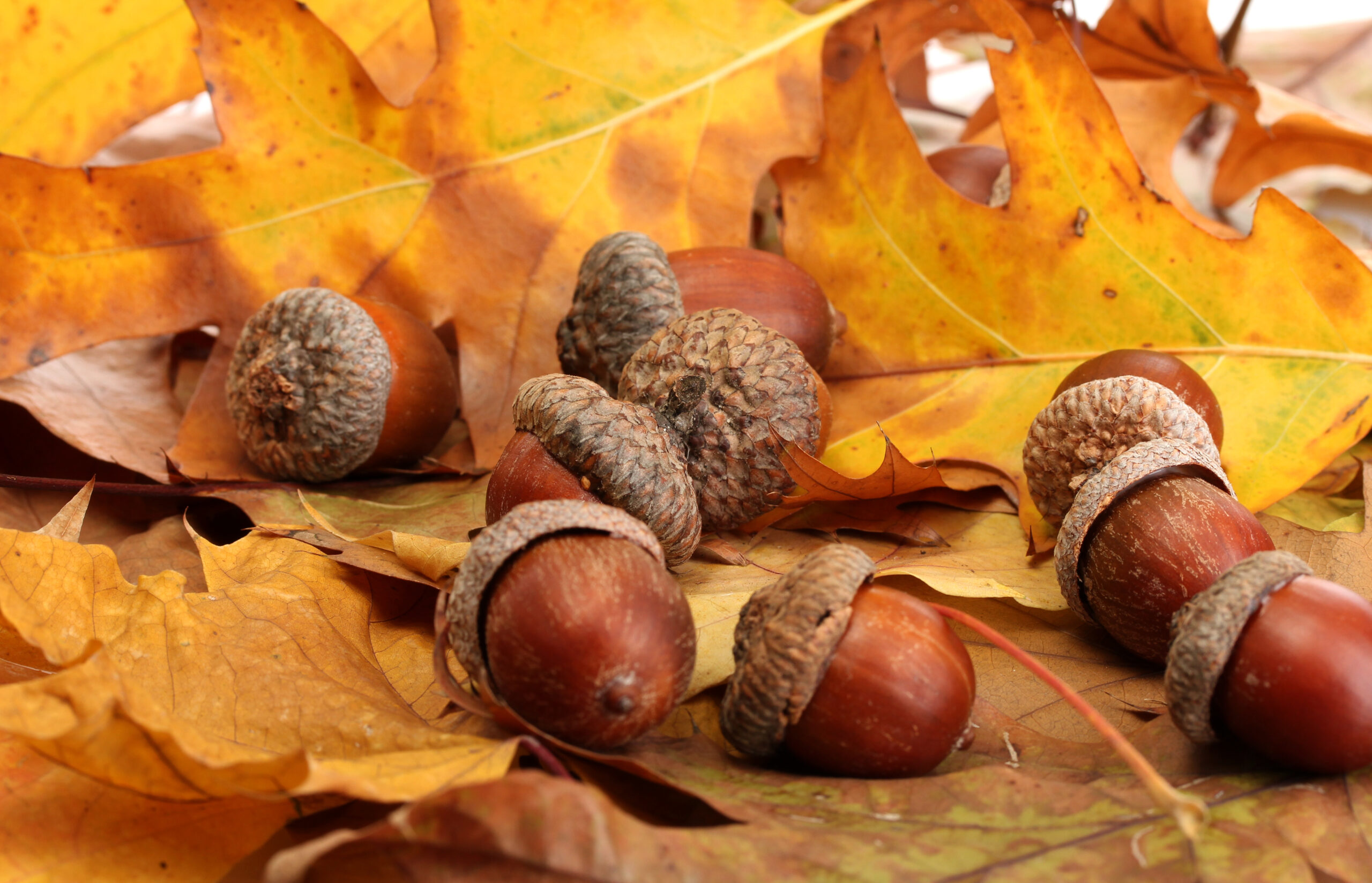
With the prolonged drought, most pastures in Oklahoma are in poor condition. With the lack of available forage, animals may go in search of alternative foods. If oak trees are in the pastures, acorns may be a favorite meal for some livestock this fall. This may result in oak poisoning.
Oak (Quercus species) leaves, twigs, buds, and acorns may be toxic to some animals when consumed. Obviously, acorns can be a problem in the fall and green acorns can be more toxic than mature acorns. When acorns form only a small portion of the diet, there are usually no signs of problems. However, consumption of large quantities may result in toxicity. Tannins in the acorns cause the toxicity. The most common tissue damaged by the tannins are the digestive tract and kidneys. Cattle and sheep appear to be more susceptible to toxicity than goats. Other animals such as horses, rabbits, and chickens have succumbed to the toxicity of oak poisoning as well. Interestingly, some individual animals are more tolerable of the toxins and show no ill effects when consuming acorns.
Clinical signs of oak toxicity usually appear a few days after consumption of acorns. Initially, the animals are weak, listless, emaciated, and anorexic. This is followed by ventral edema (swelling of lower parts of the body such as legs, chest, ventral abdomen), urinating large amounts of urine, abdominal pain, and constipation. The animal may pass hard mucus covered fecal material which may change to black tarry or bloody feces as the disease progresses. If the animal is not treated, kidney failure is likely.
A tentative diagnosis of acorn poisoning may be based on clinical signs and access to acorns. Blood tests that indicate kidney disease is another clue to the condition. A necroscopy with examination of tissues for characteristic lesions of the disease is the standard to confirm a diagnosis of oak toxicity.
Treatment of oak toxicity starts with removing the animals from the area where the acorns are located. Those animals displaying signs of the disease should be given fluids to correct dehydration and electrolyte imbalances. Mineral oil and/or activated charcoal may be given to reduce toxin absorption. If animals survive the initial toxicity, they may recover, but it may take several weeks for kidney function to return to normal.
As always, prevention is better than treatment. Producers should be very careful allowing livestock to graze in areas where acorns are present. Livestock should be fed plenty of hay and feed this fall to avoid over consumption of acorns. For those producers who cannot avoid grazing areas with large numbers of oak trees, feeding a grain mixture with 10% to 20% of calcium hydroxide has been successful in preventing problems with acorn poisoning.
Two thousand twenty-two has not been the best year for livestock producers. The drought has produced poor pasture conditions as well as very little hay. On top of those problems, feed costs continue to increase. The last problem a producer needs is a large number of sick cows. For those that graze an area with a large number of oak trees, prevention may be worth the cost this year. At the very least keep a close watch of your animals this fall. Producers wanting more information about oak toxicity, should consult with their local veterinarian or visit with their Oklahoma State University Cooperative Extension County Agriculture Educator.
Barry Whitworth, DVM | Area Food/Animal Quality and Health Specialist for Eastern Oklahoma
*Article originally printed in the October 2022 issue of Oklahoma Farm & Ranch.
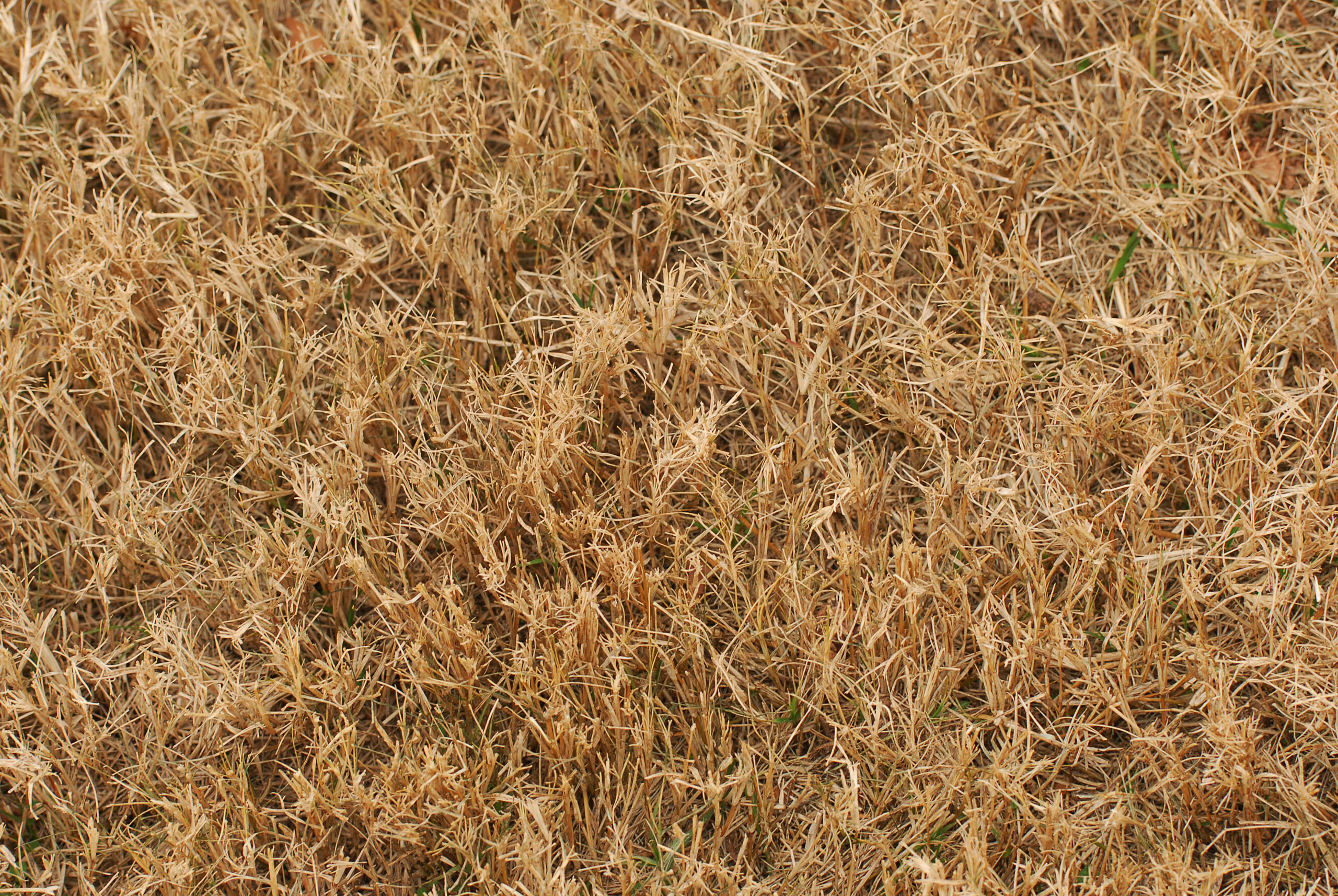
Since most of Oklahoma experienced drought conditions and with fall fast approaching, producers with fescue pastures should closely observe their livestock for any signs of fescue toxicity. According to Mike Trammel, Pottawatomie County Ag Educator and Muti-County Agronomist, fescue toxins (ergot alkaloids) tend to increase in Kentucky-31 tall fescue pastures in the fall. Some reports indicate more problems with fescue toxins following a summer drought and limited fall rains. All of this may put Oklahoma cattle at a greater risk of fescue toxicity.
One issue that cattle experience with fescue toxins is fescue foot. Fescue foot is thought to be caused by ergot alkaloids such as ergovaline. These alkaloids are produced by endophyte fungus (Epichloë coenophiala) which is in tall fescue. Ergovaline has been proven to be a vasoconstrictor which might be responsible for fescue foot and heat intolerance also known as summer slump in cattle. Other issues that may be seen with the ergot fescue toxins are reduced milk production and reproductive issues.
Clinical signs of fescue foot appear within a few days of cattle being turned on to tall fescue pastures or it may take weeks if toxins in the pasture are low. Producers will initially observe cattle with arched back, rough hair coats, and sore feet. These symptoms are more noticeable early in the morning and with cold weather. This is followed by reddening and swelling in the area between the dewclaws and hooves. The lameness usually becomes more severe with time. If no action is taken, gangrene will result in loss of tissues distal to the coronary band and declaws. If the weather remains mild, other signs such as increase respiration rate, increase heart rate, and higher body temperature are more common.
Other causes of lameness in cattle must be differentiated from fescue foot. One simple method that will help differentiate fescue foot from footrot is to check the temperature of the foot. If the foot is cold, this is an indication that the problem is more likely fescue foot.
Since there is not a specific treatment for fescue foot, the condition must be managed. Cattle need to be observed daily for any signs of lameness or stiffness during the first few weeks on fescue pastures. This should be done early in the morning before cattle walk off the stiffness. Producers should pay close attention during cold weather, especially when rain, snow, or ice are present. Any animal showing clinical signs of fescue foot should be removed from the pasture and placed in a clean environment. The animal should be fed a ration with no fescue toxins.
The best but most costly solution to reduce fescue toxicity is to renovate old pastures with new endophyte friendly varieties. If this option is not possible, producers might try interseeding fescue pastures with clovers or other grasses. This should dilute fescue toxins. Nitrogen fertilization may increase ergot alkaloids, so producers should avoid fertilizing fescue pastures with high amounts of nitrogen. Researchers have demonstrated that feeding a supplement while grazing fescue pastures reduces clinical symptoms. Some studies indicate a difference in susceptibility to fescue toxicity in some cattle. Selecting cattle based on genetic tolerance of fescue toxins is an option. (For more information go to www.agbotanica.com/t-snip.aspx)
With large areas in Oklahoma covered with Kentucky-31 fescue pastures, fescue foot as well as other fescue toxicities are not going away any time soon. Livestock producers will need to watch their livestock closely for any signs of fescue toxicity and manage their pastures to keep toxins as low as possible. If producers would like more information on fescue foot, they should consult their veterinarian and/or visit their local Oklahoma State University Cooperative County Extension Agriculture Educator.
By Barry Whitworth, DVM, MPH | Senior Extension Specialist Department of Animal & Food Sciences | Ferguson College of Agriculture | Oklahoma State University
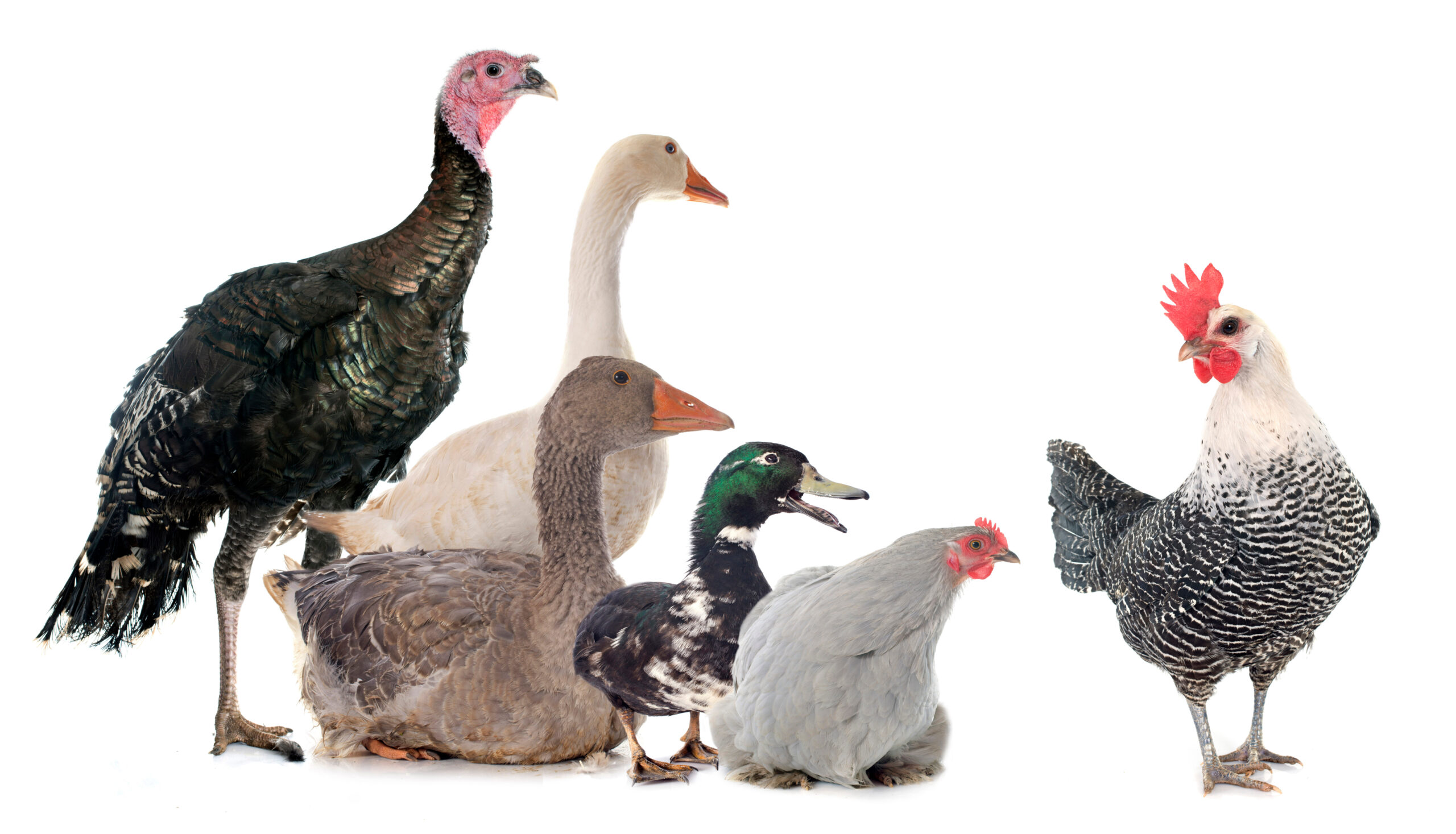
According to the 11th edition of Poultry Diseases, external parasites of poultry are arthropods that live on or in the skin and feathers. Essentially, parasites are freeloaders that live at the expense of the host. Backyard birds are infested with a variety of pests. Ticks, fleas, mites, and lice are some of the most common external parasites found in chickens, turkeys, and ducks. Several of these parasites are bloodsuckers. If not controlled, they can cause weight loss, decreased egg production, unthriftiness, and death in severe cases.
According to a study conducted by Dr. Amy Murillo and associates in California, the most common external parasites in backyard flocks were lice, fleas, and mites. Lice were the most frequently observed parasites, with the chicken body louse (Menacanthus stramineus) found on half of the premises inspected. The fluff louse (Goniocotes gallinae) was found in 35% of operations. The wing louse (Lipeurus caponis) and sticktight flea (Echidnophaga gallinacea) were present in 20% of flocks. Northern fowl mites (Ornithonyssus sylviarum), which are the most common mites found in commercial poultry operations, were detected in only 15% of flocks. However, the survey was conducted in the summer, which may have influenced the low number of northern fowl mites, since they are most active in the winter.
Birds infested with external parasites often become agitated due to skin irritation. They will spend more time preening and scratching. Their feathers may become damaged, and they may appear unhealthy. Birds showing these signs should be examined.
When examining birds for external parasites, producers should focus on the breast, back, head, vent region, and wings. Lice may be found on different parts of the body. They are yellowish in color and lie flat against the skin. Their eggs are typically found attached to the shafts of feathers. The vent area is the primary location to check for mite infestations and may appear “dirty.” Sticktight fleas are usually found embedded in the comb.
Birds should be monitored regularly. When producers are unable to examine all birds, they should focus on the young, the old, and any bird that appears unhealthy. The coop should also be inspected. Producers should examine the bedding, walls, and roosts, with close attention given to crevices and cracks where pests may hide.
Before parasite control can begin, the parasite must be correctly identified. Producers can use books or other publications for this purpose, or they may consult a veterinarian. Contacting the local Oklahoma State University Extension office is also a useful option. An agricultural extension educator may be able to identify the pest or submit samples to the Plant Disease and Insect Diagnostic Laboratory at Oklahoma State University for identification.
Prevention and control of external parasites require an integrated approach. The first line of defense is a strong biosecurity program to prevent parasites from entering the operation. Sanitation is also critical, keeping the coop and surrounding area clean helps prevent infestations.
Maintaining healthy birds is essential in preventing parasite infestations. Producers should focus on proper nutrition and disease prevention as they are key factors in maintaining a healthy flock. A strong immune system can help birds better withstand some external parasites.
Selecting the proper pesticide and using it correctly is essential. Many pests described in this article can be controlled with appropriate pesticides; however, their eggs are not killed, which requires repeated applications to target newly hatched larvae. Producers should read and follow pesticide label directions.
Alternative methods for external parasite control are also available such as providing diatomaceous earth mixed with sand for dust bathing or using sulfur bags to control mites and lice. For more information on these methods, see references below.
Finally, early identification and treatment greatly increase the chances of successful control. If infestations are allowed to become established, control becomes much more difficult.
For more information on external parasites in backyard poultry, producers may visit https://www.veterinaryentomology.org/ or contact their local veterinarian or Oklahoma State University County Agriculture Extension Educator.
References
Arends, J., J. (2003). External parasites and poultry pests. Diseases of Poultry. 11th Edition.
Murillo, A. C., & Mullens, B. A. (2016). Diversity and Prevalence of Ectoparasites on Backyard Chicken Flocks in California. Journal of medical entomology, 53(3), 707–71.
Murillo, A. C., & Mullens, B. A. (2016). Timing Diatomaceous Earth-Filled Dustbox Use for Management of Northern Fowl Mites (Acari: Macronyssidae) in Cage-Free Poultry Systems. Journal of economic entomology, 109(6), 2572–2579.
Murrillo, A.C., Mullens, B.A. (2016). Sulfur Dust Bag: A Novel Technique for Ectoparasite Control in Poultry Systems: Journal of Economic Entomology, 109(5), 2016, 2229-2233.




-
 Country Lifestyle2 years ago
July 2017 Profile: J.W. Hart
-
 Attractions9 years ago
48 Hours in Atoka Remembered
-
 Farm & Ranch2 years ago
From Plow to Plentiful: The Most Important Inventions in Agricultural History
-
 Equine9 years ago
Umbilical Hernia
-
 Country Lifestyle5 years ago
The Two Sides of Colten Jesse
-
 Outdoors8 years ago
Grazing Oklahoma: Honey Locust
-
 Farm & Ranch8 years ago
Hackberry (Celtis spp.)
-
 Equine6 years ago
On the Road with Emily Miller-Beisel