
Country Lifestyle
To Everything There is a Season

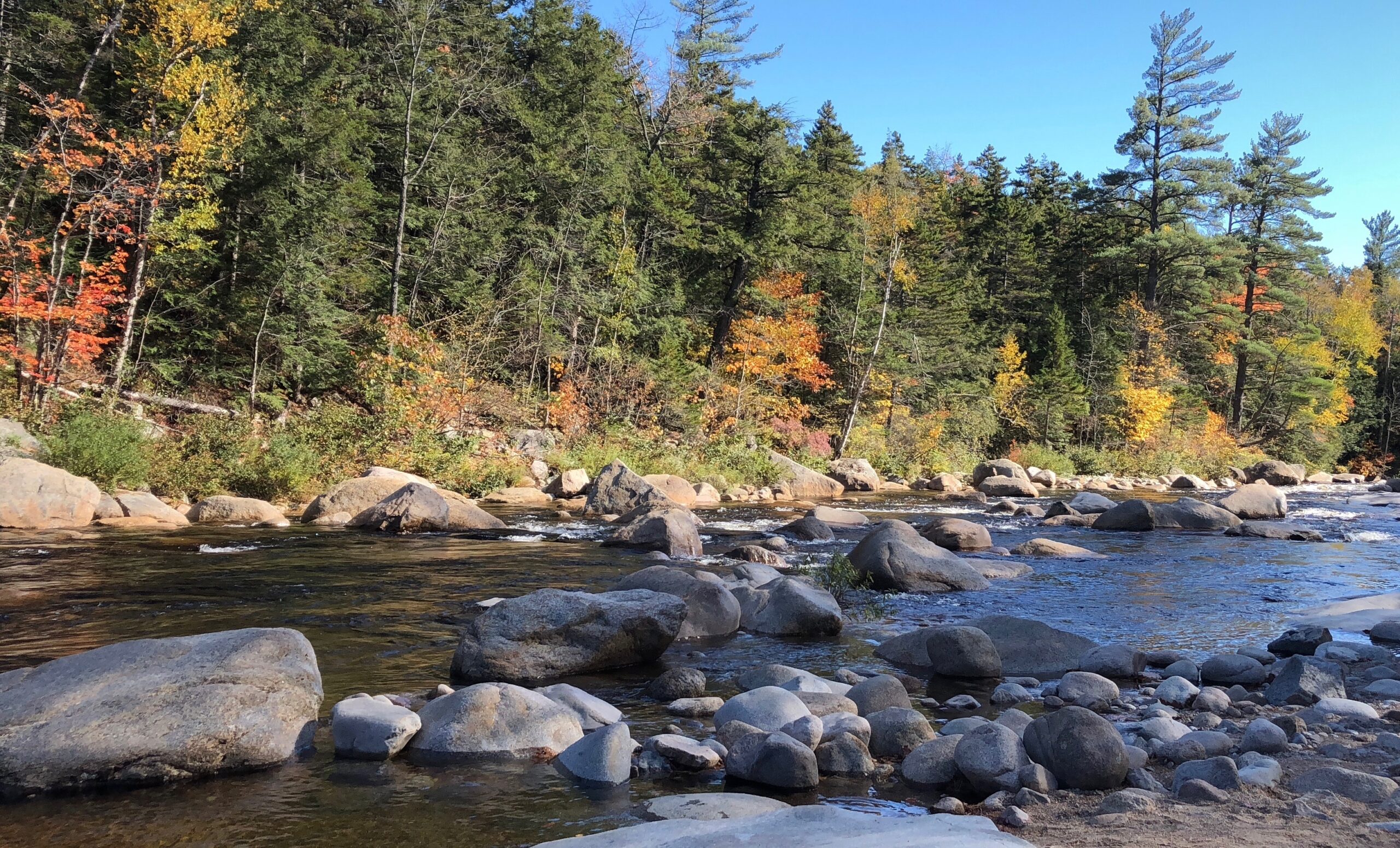
I love how Oklahoma definitely has all four seasons. Sometimes it may not seem like much of a break in between season’s. The weather can be blustery one winter day and the very next day it’s eighty degrees and we are wearing shorts, wondering how we skipped past Spring. Hang on, because lo and behold, the next day we wake up to the sound of Spring showers!
Spring is refreshing. Time to open up those windows and let the house breathe a little. Spring also represents fresh starts, new life. Spring to our soul, is the season of our youth. We celebrate our little sprouts and they quickly start growing like weeds. Full of energy and reckless abandon. This is the time when we instill firm foundations, so their little roots can grow deep and strong. If cultivated and fed properly, these baby birds will be happy and healthy when they leave the nest.
Remember the little rhyme we chanted on the last day of school, “No more pencils, no more books, no more teacher’s dirty looks. school is over, school is done, no more learning, lets have some fun.” Everyone looked forward to Summer. Summer is the time for enjoyment, rest and to just simply be in the moment. Summer to the soul means you have arrived; Adulthood. Adulthood where, more than likely, most have chosen a career and are married with children. You are in the prime of your life, you can get up from a chair without making a noise, creaking or groaning. Summer isn’t hurried or worried. The summer season is fun and not heavy. If you fall you have time to get back up. If you’ve made some bad decisions, some financial mishaps, married the wrong soul mate, or can’t seem to move from your mother’s basement, if you have steered your ship in the wrong direction, do not fret, it’s still summer and you have time to turn around, get back on course or choose a new one.
When you have children, you relish the time when school starts back up in the fall, if only for the mere fact that routines get established and lives get organized. Fall to our soul is as much of the same thing. We know what we like, we have our routines, our life is organized just the way we like it. There is so much beauty in the Fall, the air is crisp, and refreshing. If you are a football fan, you have been waiting with anticipation all year, for kick off. That’s the same feeling we have when we finally reach the Fall stage of life. If you have planned well then the saying “Autumn carries more gold in its pockets than any other season.” has two meanings. In this season of life most generally we are setting our minds on retiring. Readying ourselves to reap everything we’ve been sowing. We’ve given our children roots to grow and wings to fly. The nest is empty. You can walk around your house naked. This is also the time to check your storehouses and make ready for the winter. Fall is my favorite season, what’s not to love, sweaters, scarves, jackets, boots, apple cider, comfort food, cool breezes and bonfires. A time when we slow down and relish the beauty in the landscape. Not only do the leaves change colors but more than likely so does our hair.
In the fall stage of life you reminisce about the good old days of summer, but not near as much as you do when you reach the winter season of life. If you spend your time harvesting wisely during the fall, then winter will not be a bitter cold season. Winter is the time we usually retreat indoors and aren’t as active as the seasons in the past. Winter of the soul is a time for us to extend grace to our families. Winter wraps up the calendar year, it’s also the last of our season’s of life. Winter holds my favorite holiday; Christmas. A time when my family comes together, in one place. The festivities of the holidays build all month long. Christmas dinner has been lovingly prepared, eaten and all the dishes are washed and put away, gifts have been opened and the wrappings in the trash. Any time all my family is sleeping under one roof, is when I sleep the best. Everyone is home safe and sound. Christmas night, it seems everyone sleeps in peace. That’s how I hope that it will be when my winter is over, resting in peace.
I would say the season I’m currently in is late fall. I’m slowing down. I’m reminiscing more. I’m about halfway through, scrapbooking my life. I’m trying to do a little everyday so I can finish up before I start forgetting where we were and what we were doing. This is a very relaxing part of my season. I don’t put as much pressure on myself as I used to. Somedays I just curl up in my chair and read.
I rejoice in the fact that I’ve loaded my last load of cows. It takes way too long for my body to recoup after a day of working cows. I have said this before but, this time I mean it. So when my Redneck Romeo gets around to reading this article, he will see it in writing and ya’ll are all my witnesses. I’m a retired ranch hand, from here on out.
One big thing I’ve noticed, in this season of my life is my calendar is pretty empty looking, except for doctors appointments and mani/pedi appointments. So I guess it looks like I’m retired. With new ailments you have new doctor’s appointments. A line on the paperwork that really stood out to me recently was where it asks for your occupation. I studied this for a moment, and wrote the words “retired.” In my summer season, I wrote “housewife” where it asked for my occupation. After many years of marriage and three children in their late teens, I changed my occupation to “Domestic Goddess” which usually brought a laugh and a little conversation. I thought that would make me stand out, you know, be remembered easily. Now that my kids are all grown with children and lives of their own, I felt it would be legitimate, in my fall season to write “retired” the next time I came across this question.
At the hospital for a stress test, the paperwork was placed in front of me, I breezed right through it, and proudly wrote “retired” on the correct line. While on the treadmill, the nurse asked me questions, which is about the equivalent as the dentist expecting you to answer a question with his hands in your mouth. The treadmill had just elevated in the front and increased its speed. I’m doing my best to keep up the pace and breathe, when she decides to chit chat, “Your paperwork says you’re retired, where did you retire from?” The whole time we’ve been chit chatting I’ve been giving one word answers, now I realized I would have to squeeze out five words, “I was a Domestic Goddess” and I tried my best to look her way with a smile. This is where things got a little fuzzy, the next thing I remember is laying on the gurney with oxygen in my nose, and the ladies smiling down at me. As if nothing had happened, I immediately explained, “I started out as a housewife, was promoted to Domestic Goddess, and now I’ve reached the age of “retired.” Yes, I did make the little quotations with my fingers when I said the words “retired.” I felt an awkward silence except for my heart beating in my ears, from now on, I’m just going to claim my occupation as “Old but Gold”
Life’s seasons are full of mountain top highs and valley lows. We often hear “Life is short… better enjoy it!” But don’t miss this, “Eternity is long… better prepare for it!”
We all make mistakes, and no one is perfect. “Bloom where you’re planted” is great advice but, sometimes flowers that need full sun get planted in the shade, no matter how much they want to thrive it just won’t happen. Be courageous and make changes! For me, I have found that living at the end of this dirt road is where I bloom the best, in the peace and quiet, where the cows outnumber the people. I pray each of you bloom during each season of your life. Wherever you find yourself at this moment, take time to drink it in and savor the moment.
By Ann Asher
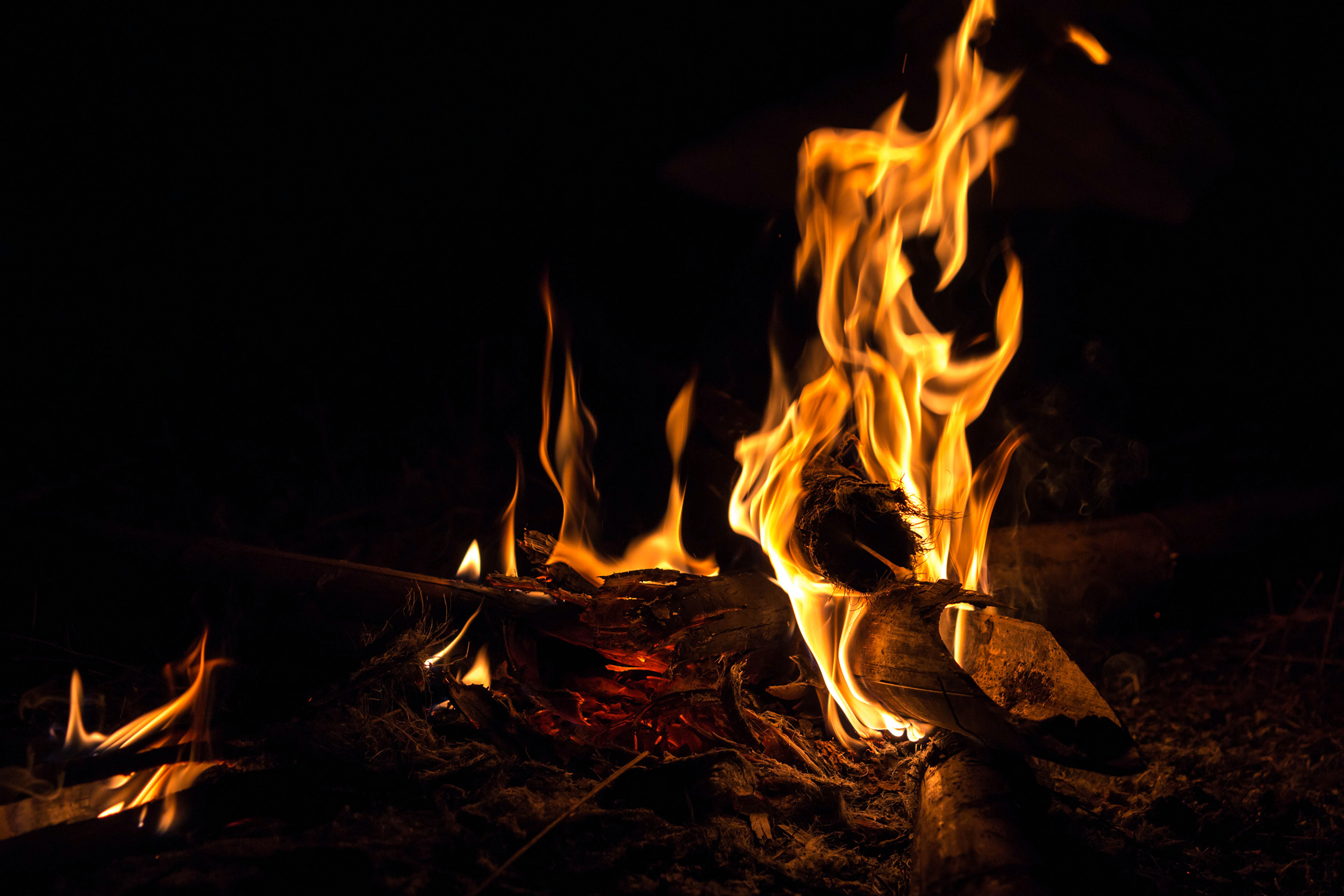
The first cool evenings of September make sitting outside sound good again. After months of Oklahoma heat, a fire pit, a few chairs and an evening outdoors can finally feel inviting.
Before you strike the match, take a few minutes to make sure your fire pit area is ready for fall.
Start with location. Set a fire pit on a level, noncombustible surface such as concrete, brick or patio blocks, not directly on dry grass or other vegetation. The National Fire Protection Association recommends keeping fire pits at least 10 feet from anything that can burn, including decks, siding, fences, overhanging branches and outdoor structures.
That distance matters even more after a dry summer. Even when evenings cool down, dormant grass, fallen leaves and other dry vegetation can catch a spark fast. Clear leaves, sticks and other debris from around the pit before you use it, and skip the fire on windy evenings.
Check whether your county or town has burn restrictions in place. Drought can linger well into fall, and local rules may change with fire danger. A fire that was fine one weekend may be a bad idea the next if conditions have worsened.
For wood-burning pits, use clean, dry, seasoned firewood. Don’t burn trash, treated lumber or painted wood. Never use gasoline or other flammable liquids to start or relight a fire. Commercial fire starters or ordinary kindling are much safer.
Once the fire is going, keep it manageable. A backyard fire pit doesn’t need to become a bonfire to keep you warm. Smaller fires are easier to control, throw fewer embers and are much easier to put out at the end of the evening.
Keep children and pets well away from the pit, and set chairs far enough back that no one sits directly over the heat or in the path of sparks. The NFPA recommends a three-foot child-free zone around the fire.
Look at what else is nearby before everyone settles in. Blankets, loose clothing, outdoor cushions and even the stack of firewood beside the pit can become hazards if they sit too close.
Keep a way to put out the fire within reach. A garden hose, a bucket of water or a shovel and dirt can all work, depending on your fire pit. Never leave a fire unattended, even if it seems to be dying down.
When the evening is over, make sure the fire is completely out. For a wood fire, water the coals, stir them and water them again until no heat, glow or flame remains. Let ashes cool completely, then store them in a metal container with a secure lid, away from anything that can burn.
A fire pit doesn’t need much to become one of the best parts of fall. A safe spot, a little preparation and a manageable fire are usually all it takes. Then all that’s left is finding a comfortable chair and enjoying an Oklahoma evening that is finally cool enough to stay outside.
By NTFR Staff
It seems to happen every summer. The garden suddenly produces more tomatoes, cucumbers and green beans than anyone could possibly eat, and before long someone asks, “Maybe I should learn to can?”
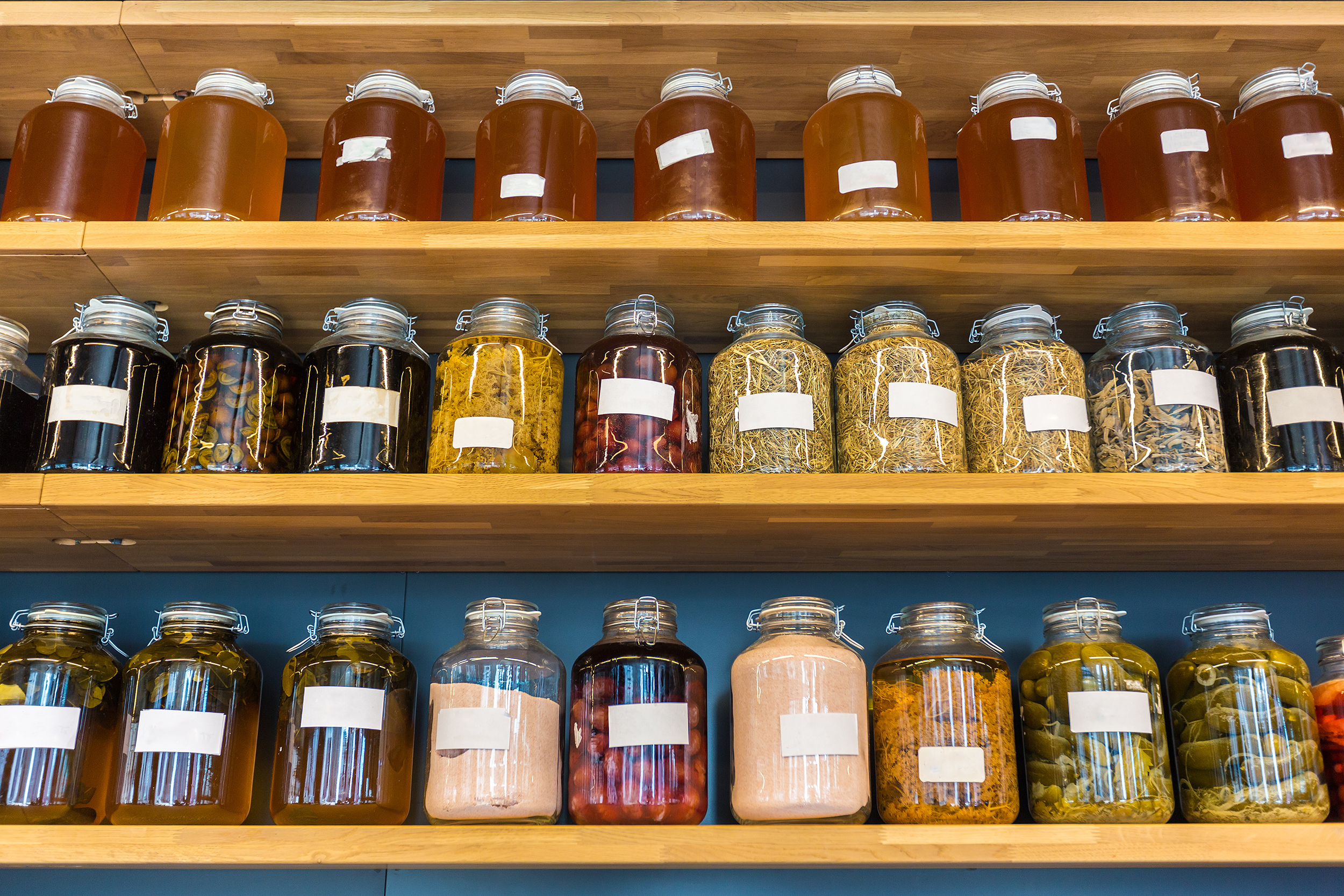
For many families, canning is a tradition passed down for generations. For others, it’s a new hobby that offers the satisfaction of stocking pantry shelves with homegrown food. Either way, getting started can feel overwhelming. Pressure canners, boiling water baths, jars, lids, processing times and safety recommendations are enough to make anyone wonder where to begin.
Home canning isn’t difficult once you understand the basics.
Canning preserves food in sealed jars by heating them to destroy microorganisms and create a vacuum seal. The USDA approves only two methods for home canning: boiling water bath canning and pressure canning. Which one you use depends entirely on what you’re preserving.
A boiling water bath is exactly what it sounds like. You submerge filled jars completely in boiling water and process them for a specific amount of time. Because boiling water only reaches 212 degrees Fahrenheit at sea level, this method is safe only for foods that are naturally high in acid or have enough added acid to prevent dangerous bacteria from growing.
That makes water bath canning a good fit for jams, jellies, fruit preserves, pickles, chutneys, fruit butters and many tomato products that have the proper amount of bottled lemon juice or citric acid added according to a tested recipe.
Pressure canning works differently. A sealed canner traps steam, and the temperature climbs well above the boiling point of water to about 240 degrees Fahrenheit. That higher temperature is necessary to destroy Clostridium botulinum spores, which can survive ordinary boiling and produce the toxin that causes botulism.
Because of that, you must pressure can low-acid foods such as green beans, corn, carrots, potatoes, meats, poultry, seafood and soups. A boiling water bath isn’t safe for these foods, no matter how long you boil the jars.
For most beginners, water bath canning is the easiest place to start. The equipment costs less, the process is simpler and recipes like strawberry jam or dill pickles are forgiving enough to build confidence. Many people who enjoy preserving fruit eventually buy a pressure canner once they want to put up vegetables or homemade stock.
Pressure canning doesn’t need to be intimidating, either. Modern pressure canners include multiple built-in safety features and are far different from the exploding canners in the old stories many people heard decades ago. Like any kitchen tool, they’re safe when used according to the manufacturer’s directions and with tested recipes.
Whichever method you choose, one rule never changes: always use recipes that have been scientifically tested. Family recipes may taste wonderful fresh, but they aren’t always safe for canning. Changing ingredient amounts, thickening soups with flour, adding extra vegetables or reducing vinegar can all affect the safety of the finished product. The USDA and the National Center for Home Food Preservation remain the gold standards for home canning recipes and processing recommendations.
Today’s recommendations may also differ from the ones your grandparents followed. Research has improved over the years, and food safety guidance has changed with it. Methods like open-kettle canning, oven canning and sealing jars by turning them upside down are no longer considered safe for shelf-stable foods.
If you’ve never canned before, you don’t have to preserve an entire garden your first weekend. Start with one recipe. Learn how to prepare the jars, measure headspace, remove air bubbles and process them correctly. Once you hear that satisfying “ping” as the lids seal, you’ll understand why so many people find canning rewarding.
Opening a jar of peaches in January or serving homemade salsa long after the tomatoes are gone is a special kind of reward. With a little knowledge, the right equipment and a commitment to tested recipes, anyone can preserve the harvest safely for months to come.

By Bryce Angell
My eyes are glued up to the shelf, a brand-new pair of Mucks. They’d be in my possession, but I lack the certain bucks.
I could go without my Pepsi for a month or maybe two. But the headache would be pounding like a freight train passin’ through.
I’ve got my Visa plastic for emergencies and such. The boots are kinda spendy. Do I really care that much?
I grab my precious cargo and I’m tingling to my roots. The clerk says, “Hundred eighty.” Must be gold in them there boots!
To purchase I can justify. It’s more than just a treat. No more sittin’ in the saddle with my cold and frozen feet.
I’ve waited days to wear them. Time to saddle up Ol’ Blue.
But my boots won’t fit the stirrups. What’s a broke cowboy to do?
The boots ain’t never goin’ back. I burned the dang receipt. My wife will never know the cost. Is that what’s called deceit?
The Co-Op might be open. I’ve seen stirrups there to buy. They close at 6:00 p.m. It’s 6:05 p.m. No use to even try.
I’ll drive out to the shoppin’ mall. They’ve got a western store. But their prices are extravagant, not for the country poor.
I’m riflin’ through the stirrups. Find a pair that fits my Mucks. I take ’em to the clerk. She says, “Two hundred twenty bucks.”
This time I cough and choke on down my Wrigley’s Spearmint chew. The clerk said, “Sure they’re spendy, but they’re made for guys like you.”
I wonder what she meant ’cuz I ain’t got the cash to spare. I swear she meant hi-rollers with their nose up in the air.
Still, I bought the brand-new stirrups with my plastic, once again.
Does it hurt to use my Visa card, every now and then?
The smuggish patrons, back in line, are giving me the stare.
They’re prob’ly thinkin’, “Poor cowboy.” I hurry out of there!
I’m addin’ up my purchases. Looks like four hundred bucks. And with the Gov’ner’s share I’m in the class of stupid clucks.
I burned the Visa card receipt, so that should take care of it from where I stand. I’m wonderin’ now if my warm feet are worth the half a grand?





-
 Country Lifestyle2 years ago
July 2017 Profile: J.W. Hart
-
 Farm & Ranch2 years ago
From Plow to Plentiful: The Most Important Inventions in Agricultural History
-
 Attractions9 years ago
48 Hours in Atoka Remembered
-
 Equine9 years ago
Umbilical Hernia
-
 Country Lifestyle5 years ago
The Two Sides of Colten Jesse
-
 Outdoors9 years ago
Grazing Oklahoma: Honey Locust
-
 Farm & Ranch8 years ago
Hackberry (Celtis spp.)
-
 Attractions3 months ago
Oklahoma Ghost Towns – Navajoe