
Equine
Fescue Toxicosis

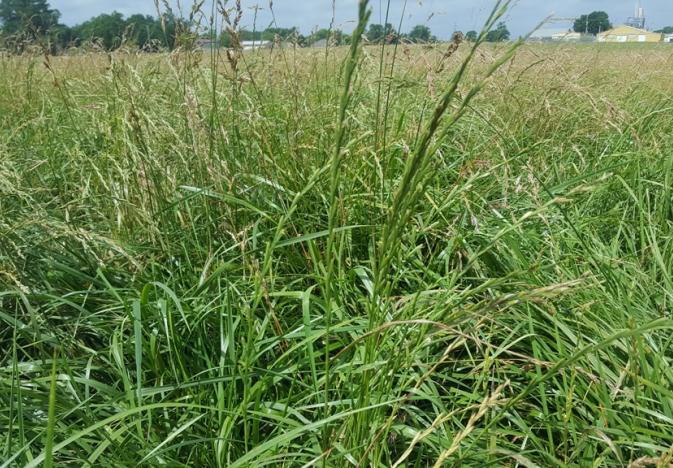
With foaling season upon us it is important to discuss fescue grass and the negative impact it can have on late term gestation in broodmares. Fescue is commonly found in Oklahoma pastures and is known for being a durable, drought-resistant grass due to a symbiotic relationship with an endophytic fungus called Acremonium coenophialum (or Neotyphdium coenophialum). Research has found that over 85% of Oklahoma’s fescue grass has been infected by this endophyte. Unfortunately, there are no visual differences between regular fescue and infected fescue so horse owners cannot know if their mares are safe to continue grazing their pastures without further testing. Furthermore, there are no treatment regimens that will successfully remove the endophyte from the infected grass, so mare owners are best off if they remove the mares from infected pastures during the late stage of gestation.
The endophyte, Acremonium coenophialum, survives by living inside intercellular spaces on blades of fescue grass. Since it does not actually enter the host plant’s cells, it is unable to detect the ongoing infection and continues to grow and reproduce seeds that are also infected by endophytes. These infectious endophytes are responsible for producing various alkaloid toxins that benefit the grass in many ways. For example, peramine is an alklaoid toxin that has been proven to prevent the grass from insect damage. Experimental removal of these endophytes has produced “non-infectious” fescue that was shown to be more susceptible to root disease, insects and drought. The primary alkaloid toxin that horse owners should be concerned with is called ergovaline. Studies have shown that ergovaline can be found in every part of infected fescue grass but concentrates most in the seed heads.
When late term broodmares graze on infected fescue, they inevitably consume the ergovaline toxin, which can have negatives effects on hormone production and the progression of their pregnancy. Ergovaline will affect the mare’s anterior pituitary gland and cause a decrease in the secretion of prolactin, a hormone that is necessary for mammary gland development and milk production. Often, the only clinical sign of fescue toxicosis is the lack of an udder as the birthing date approaches. Researchers are also studying the effects ergovaline has on pituitary gland development in the fetus. It is possible this toxin also inhibits developments of the fetal anterior pituitary gland, which may help explain why foals from affected mares are stillborn or suffer from neonatal maladjustment syndrome (“dummy foal” syndrome).
Unfortunately, broodmares affected by fescue toxicity do not show many clinical signs before parturition begins so it is important that mare owners are carefully monitoring their udder development, particularly in the last 21 days of gestation. These mares will also commonly carry past their due dates because the toxin impacts the normal hormone signaling between the mare and the foal, which slows down the progression of the pregnancy. Some of these mares will abort or have stillborn foals, while others will struggle with dystocia because the longer gestational time will lead to foals that are enlarged or malpositioned and cannot pass through the birthing canal without assistance. These mares can also be more likely to a have thickened, edematous placenta and a higher rate of placental retention.
The best treatment for fescue toxicosis in mares is to avoid consumption of infected fescue during the late stages of her pregnancy. It is recommended that owners remove their mares from possible sources of infected fescue 90-120 days before their due dates. However, if the mare is allowed to graze on fescue, there are things that can be done to try and minimize the effects of the toxicity. Agalactia is the most common clinical sign of fescue toxicosis in mares so if owners notice that the mare is not developing an udder within the last two-three weeks before the due date, it is recommended that they start her on domperidone. Domperidone will counteract the effects ergovaline has on the pituitary gland and allow for serum prolactin levels to increase, which stimulates udder development and milk production. Mares that are not caught in time or not treated with domperidone will have no milk supply for their foal once it is born. Also, these mares will fail to produce any colostrum, which means the foals will be unable to obtain any antibodies from their mother and will need to be supplemented with colostrum from another mare or be administered intravenous plasma from a donor horse in order to have any immune function for the first several months of their life.
It is also very important these mares be monitored for prolonged gestation, which can be a warning sign for a possible dystocia. In these cases, mare owners should be prepared for the mare to have difficulties with parturition due to increased fetal size or fetal malpositioning. Any owner concerned about fescue toxicosis should speak with their veterinarian and have an emergency plan in place for foaling. It is often best these mares foal out in a hospital where immediate intervention can be provided if a dystocia does occur. Affected mares can also have thick, edematous fetal membranes, which can lead to abortion or stillborn foals due to placental insufficiencies at the end of the pregnancy. However, foals born alive can offer suffer from neonatal maladjustment syndrome, which can have varying degrees of severity. Some of these foals may be unable to stand while others may not have a strong suckle reflex or the ability to find and latch on to the mare’s teat. These foals will require a significant amount of intervention and supportive care in order to survive and begin to function normally.
Owners should be aware of fescue and the many negative impacts it can have on their mare’s pregnancies and foals. They are encouraged to seek veterinary advice as soon as possible if there are any questions or concerns about possible fescue toxicity in their mares. Early intervention can be the key to saving the mare and foal as well as a lot of money and potential heartache during foaling season.
Read more in the June 2020 issue of Oklahoma Farm & Ranch.
By Ann Asher
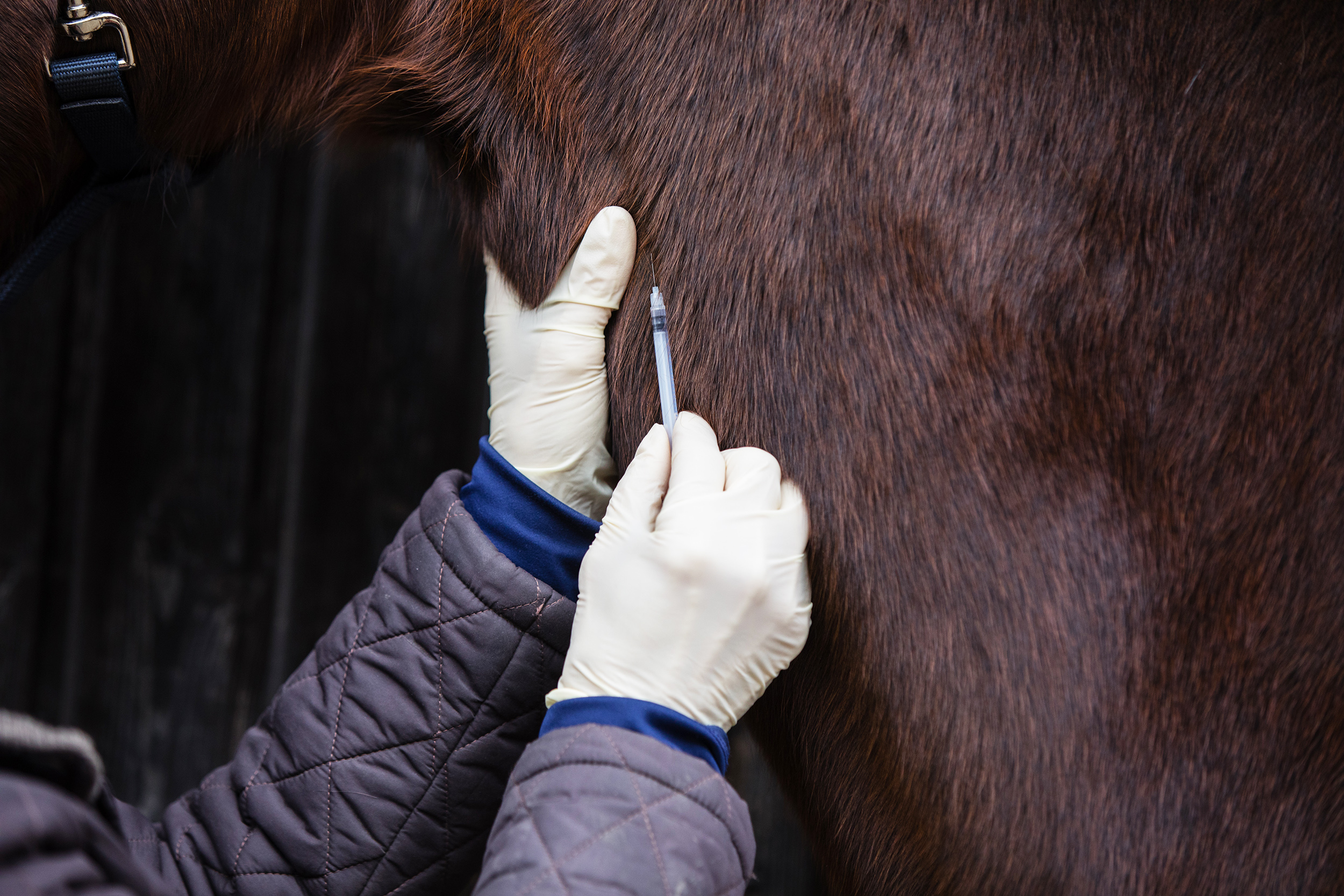
For many horse owners, a Coggins test is part of the routine. If you’re headed to a horse show, rodeo, sale, boarding facility or across state lines, you have likely been asked for a current negative Coggins. The veterinarian draws a tube of blood, fills out the paperwork and, assuming the result comes back negative, the form goes in the file with the rest of the horse’s records.
But what are we testing for?
A Coggins test is a blood test for equine infectious anemia, commonly shortened to EIA. It is not a general test for anemia, and it won’t tell you whether a horse’s red blood cell count is low. The test looks for antibodies the horse’s immune system has produced against equine infectious anemia virus.
EIA is a viral, bloodborne disease that affects horses, ponies, donkeys, mules and other equids. The virus belongs to the lentivirus group, a family of viruses known for persistent infections. Once a horse contracts EIA, it stays infected for life. No approved vaccine prevents the disease, and no treatment eliminates the virus from an infected horse.
That lifelong carrier status is why the Coggins test matters so much.
Some horses with EIA become seriously sick. Clinical signs can include recurring fever, weakness, weight loss, swelling, depression and anemia. In severe cases, the disease can kill. Many infected horses, however, show few signs or none. A horse can look healthy, perform normally and still carry the virus, putting other horses at risk.
EIA spreads through infected blood. Horse flies and deer flies are important natural carriers. A fly can feed on an infected horse, get interrupted and move to another horse while blood remains on its mouthparts. Contaminated needles, syringes, surgical or dental equipment and anything else that moves blood from one horse to another can also spread the virus.
That’s why controlling EIA takes more than keeping flies away. Use a new sterile needle and syringe for every horse, and clean and disinfect any equipment that could become contaminated with blood.
The name “Coggins test” refers to the agar gel immunodiffusion, or AGID, test developed to detect antibodies to EIA. The test identifies antibodies against an antigen associated with the virus. Today, laboratories may also use approved ELISA tests, which return results faster. Because ELISA tests occasionally produce false positives, labs confirm positive screening results with the AGID, or traditional Coggins, test.
Keep in mind that the test looks for the horse’s immune response to infection rather than the virus itself, so timing can matter. A horse infected very recently may not yet have enough antibodies to test positive. Most infected horses eventually develop detectable antibodies, but there can be a window after exposure when the test comes back negative.
For the average horse owner, the larger purpose of routine testing is surveillance. Testing helps find infected horses before they unknowingly expose other animals.
In Oklahoma, horses attending equine exhibitions such as fairs, shows, rodeos and racetracks must have a negative EIA test from within the previous 12 months. Oklahoma also requires testing when horses mingle in common settings such as boarding and training facilities, as well as before most changes of ownership. Horses entering Oklahoma generally must have a negative EIA test from within the previous 12 months as well.
Those requirements can feel like one more piece of paperwork, especially for owners who travel often and have healthy horses that test negative year after year. But the system works because testing is routine.
There is no vaccine to fall back on if EIA starts spreading through a group of horses, and no cure for the infected horse. A confirmed positive animal remains a carrier for life and must be managed under strict regulatory requirements, generally through euthanasia or permanent isolation from other equids.
So when your veterinarian pulls that tube of blood for another Coggins test, the goal is bigger than getting the paper you need at the gate of the next event. We are looking for evidence of a lifelong, contagious disease that can hide in a healthy-looking horse. Finding those horses before the virus spreads makes that routine blood test one of the simplest and most important tools we have for protecting the horse population.
By OKFR Staff
By the time September rolls around in Oklahoma, most of us are more than ready for rain. After weeks or months of dry weather, brown pastures and hard ground, a good soaking rain can seem like the answer to a lot of problems.
For our horses’ feet, the end of a drought can bring a new set of challenges.
During long dry spells, hooves lose moisture and can turn hard and brittle. Dry weather is one of the factors associated with hoof cracks, particularly when combined with long trimming intervals or hoof imbalance. Horses traveling over hard, dry ground also take more concussion, and horses with thin soles or tender feet can grow sore as the ground hardens.
That makes regular farrier care especially important during a drought. You may be tempted to stretch the time between appointments because the feet don’t seem to be growing as fast, but keeping the hoof trimmed and balanced reduces stress on the hoof wall and the structures that support it.
Watch for small cracks and chips before they become big ones. Minor chipping around the bottom of an unshod hoof is fairly routine. A crack that keeps moving upward, gets deeper or causes lameness deserves a closer look from your farrier or veterinarian.
Then comes the rain.
After a long dry spell, hoof moisture can change quickly when horses start standing in wet grass, mud or saturated ground. Going from dry to wet and back again can contribute to brittle hoof walls and cracking.
Wet conditions bring other concerns. Long exposure to moisture can soften the hoof, particularly the sole and frog. Mud and dirty footing favor problems such as thrush and give bacteria more chances to enter through small cracks or separations in the hoof. Hoof abscesses also commonly follow swings between very dry and very wet conditions.
The best defense isn’t complicated. Pick up your horse’s feet regularly and pay attention to what you see and smell. Clean out packed dirt, manure and mud, and watch for cracks, tenderness, a foul odor around the frog or changes in the white line. Give horses a place where they can get out of the mud and stand on clean, dry footing.
Talk with your farrier before trying to change hoof moisture with frequent soaking or a lineup of topical products. More moisture isn’t automatically better. The goal is a healthy, balanced hoof that can adapt to its environment.
Finally, don’t ignore sudden lameness after the weather changes. A hoof abscess can make a horse dramatically lame, sometimes overnight. Many abscesses heal well with proper treatment, but sudden or severe lameness warrants a call to your veterinarian.
We can’t control when Oklahoma’s next rain arrives. Staying consistent with hoof care before, during and after that change gives our horses the best chance of handling it soundly and comfortably.
By Savannah Magoteaux
Walk past the horse trailers after a summer jackpot, ranch rodeo or trail ride, and you’ll probably see the same thing: saddle pads draped over gates, fences and trailer doors, drying in the afternoon sun. Some are soaked through with sweat. Others are already stiff with dried salt, caked hair and arena dust.
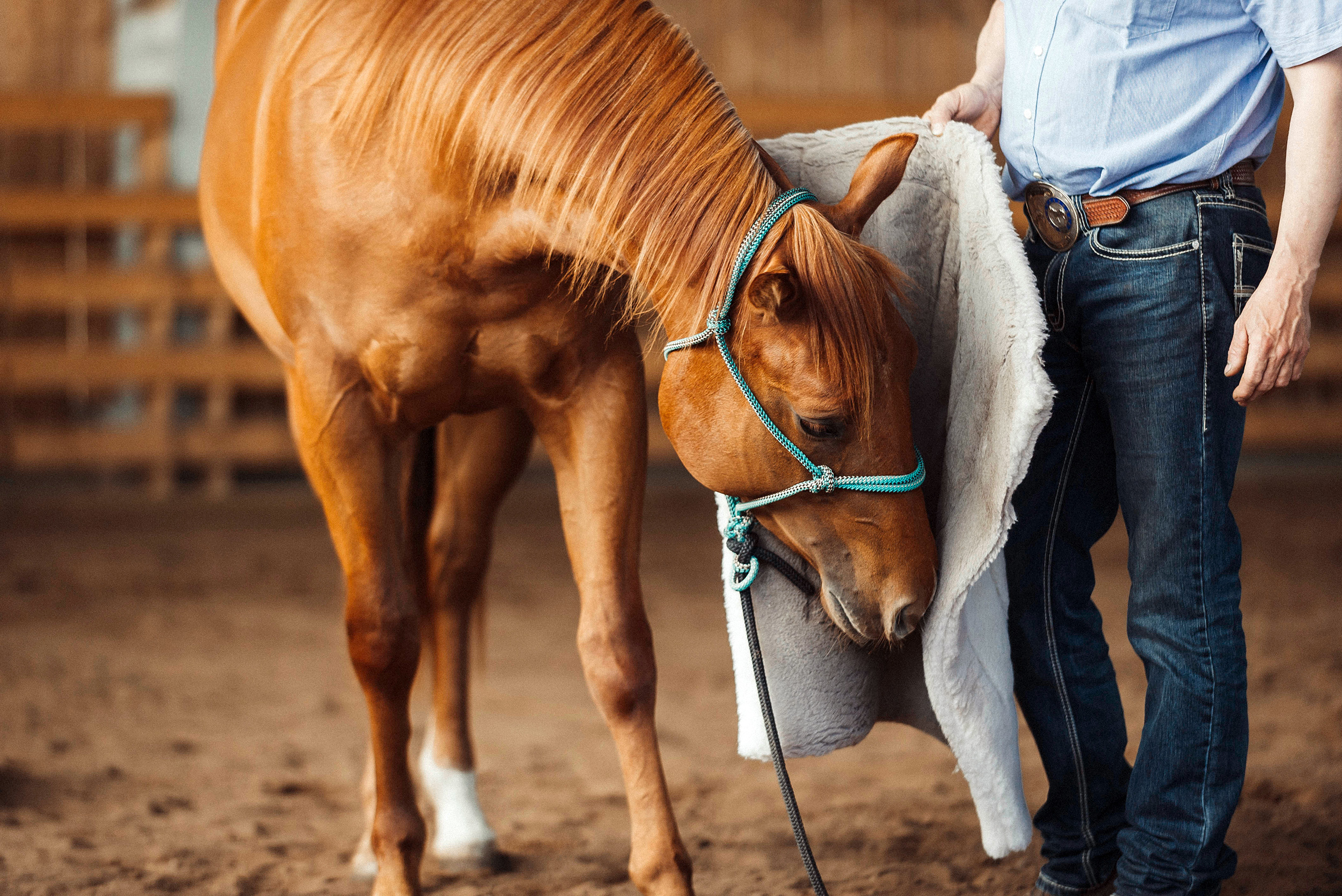
It’s easy to think of a saddle pad as one more piece of tack, but it has one of the hardest jobs on your horse. On every ride, it cushions the saddle, helps spread pressure across your horse’s back, absorbs sweat and lets heat escape.
A quality saddle pad can last for years if you take care of it.
Built-up sweat, dirt and hair shorten the life of a pad. Over time, they also compress the fibers, reduce the pad’s ability to wick moisture and create stiff spots that can rub your horse’s back. Even the best-made pad can’t do its job once it’s hard as a board.
One of the simplest habits you can develop is cleaning the pad after every ride. Knock off loose dirt, brush away hair and let the pad dry completely before putting it back in the tack room or trailer. Storing a damp pad invites mildew, odors and bacteria and breaks down many materials over time.
Every saddle pad serves the same basic purpose, but the material determines both how it performs and how you should care for it.
For many western riders, wool felt remains the standard. One of its greatest advantages is that it gradually conforms to the horse’s back without losing its structure. To care for a wool felt pad, remove hair with a curry comb or stiff brush after each ride and let it dry thoroughly. When it needs a deeper cleaning, use cool water and a mild wool-safe detergent if the manufacturer recommends one. High-pressure washers, harsh detergents and excessive heat can damage the wool fibers and reduce the pad’s performance.
Traditional woven wool blankets are still popular, particularly beneath ranch saddles or as a top blanket over a felt pad. Shake them out regularly, brush them clean and wash them gently when necessary. Most should air dry, since a dryer can shrink natural fibers.
Neoprene pads have become common because they’re durable, lightweight and easy to clean. Unlike wool, neoprene doesn’t absorb moisture. Many neoprene pads have textured or waffle-patterned surfaces that help move sweat away from the horse while letting air flow beneath the saddle.
You can rinse most neoprene pads with a hose after riding and wash them with mild soap now and then. Let them dry completely before storage, and keep them out of intense heat and direct sunlight, since neoprene can turn brittle over time.
Foam, gel and memory foam inserts show up in many performance pads designed to add shock absorption or relieve pressure points. These materials can cushion well, but many hold more heat than wool. Care varies considerably from one manufacturer to another, so follow the cleaning instructions that came with the pad instead of assuming all synthetic materials wash the same way.
Synthetic fleece pads are another common option, particularly for everyday riding. They are generally easier to clean than natural wool, and many can go through a washing machine on a gentle cycle before air drying. Regular brushing between washings keeps the fleece from matting and packing with hair.
Whatever type of saddle pad you choose, no pad can make up for a saddle that doesn’t fit. Even the thickest pad cannot eliminate pressure points created by a poorly fitting saddle. Think of the pad as a partner to proper saddle fit, helping protect your horse while the saddle does its job.
Before your next ride, flip your saddle pad over and run your hand across the side that rests against your horse. If it feels rough, stiff or crusted with dried sweat and hair, imagine how it feels after an hour in the saddle.
A few minutes spent cleaning and drying your pad after each ride will help it last longer, protect your investment and keep your horse more comfortable every time you swing a leg over.





-
 Country Lifestyle2 years ago
July 2017 Profile: J.W. Hart
-
 Farm & Ranch2 years ago
From Plow to Plentiful: The Most Important Inventions in Agricultural History
-
 Attractions9 years ago
48 Hours in Atoka Remembered
-
 Equine9 years ago
Umbilical Hernia
-
 Country Lifestyle5 years ago
The Two Sides of Colten Jesse
-
 Outdoors9 years ago
Grazing Oklahoma: Honey Locust
-
 Farm & Ranch8 years ago
Hackberry (Celtis spp.)
-
 Attractions3 months ago
Oklahoma Ghost Towns – Navajoe