
Outdoors
Pecan Production Information: Online Resources for Growers

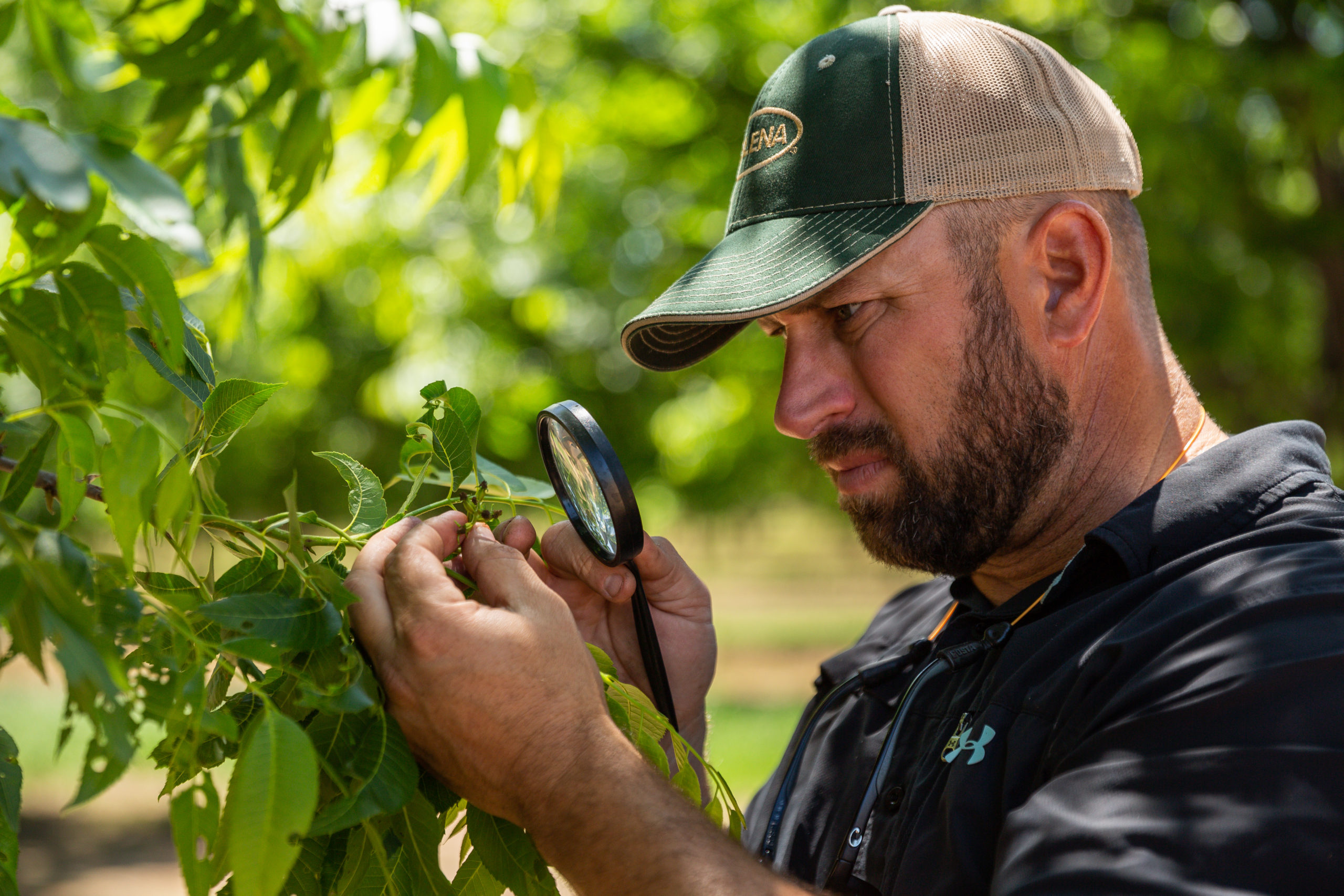
It is important in any agricultural operation to use every tool in the toolbox. Things such as industry developments, research findings, changes to regulations and weather can affect operations, making it hard to stay informed. Typically, educational events and state conventions keep pecan producers informed. However, this year many of those events have been canceled or postponed in a world trying to learn to social distance.
Online resources are a great place to find the latest information on production and industry developments. If you have not explored these options, now is the perfect time.
Pecan Grower’s Toolbox
Website:www.noble.org/pecan-growers-toolbox
The Pecan Grower’s Toolbox offers insecticide and herbicide databases, and new features are coming soon. The toolbox will be helpful to those trying to build a proper spray program as part of an integrated pest management program and those looking to maximize output while controlling input.
Insecticide Database
The insecticide database provides information such as chemical and trade names. Class and IRAC Mode of Action (MoA) allow you to plan the rotation of chemicals so a targeted pest does not build up resistance. If you are organic certified, you will need to know if a chemical is listed for organic use; the OMRI listing provides this information. A labeled pest column allows you to see the entire list of targeted pests. Grazing restriction information is available if you graze under trees.
When building an insecticide spray program, it is important to keep several factors in mind. Many beneficial insects live in your orchard or grove. We want to target insects that are causing significant crop damage. Beneficial insects are predators to insects that cause damage to the crop or tree. We also need to remember to rotate chemical modes of action so we do not build up a tolerance or lead to an insect population becoming resistant.
Herbicide Database
The herbicide database provides you with a wealth of knowledge including chemical and trade names. Searchable fields let you search by the weeds you are trying to control or suppress. The Site of Action column lists the category rating so you can make decisions in regards to rotating chemicals. We have also included orchard type to show if a chemical is safe for the age of trees you are spraying. Proper management of weeds in your orchard can decrease labor and improve the efficiency of your orchard.
Both of these databases, which are reviewed and updated annually by industry experts, provide producers with information to make economical and efficient decisions for their operations.
Databases to Come
A fungicide database will provide a list of fungicides, grazing restrictions and the chemicals labeled for organic production. Classes will also be noted so that a chemical rotation can be developed. All of these are important to consider when building a fungicide spray program.
A disease database will have pictures and information to help you identify disease issues on trees.
A cultivar database will include pictures and historical production records of various cultivars. You will be able to select the cultivar that is best suited for your region and operation.
An insect image gallery will provide pictures and damage descriptions to help you identify damage in your orchard and offer potential solutions.
While all of these resources might help you with your decisions, please remember you can always contact a pecan specialist at Noble Research Institute or a local specialist in your region. If you choose to sign up as a cooperator with Noble Research Institute, you can receive one-on-one consultation free of charge.
Blogs
The pecan industry has a few blogs that are full of very useful information for a grower.
William Reid, Ph.D., retired Kansas and Missouri pecan research and extension specialist, writes a blog at https://northernpecans.blogspot.com/. He provides regular insight into his activities managing his pecan orchard, such as cultivar selection, tree and pest management, and many other topics affecting a pecan operation.
Lenny Wells, Ph.D., University of Georgia professor of horticulture and extension horticulture specialist for pecans, also has a great blog: https://site.extension.uga.edu/pecan/author/lwells/. He shares many useful tips on pecan management practices.
Bob Whitney, executive director of the Texas Pecan Board, blogs at https://www.texaspecanboard.com/blog/. He also provides great insight and information about pecans.
While some of the blog information may be specific to a region, most of it is relatable to all pecan growers.
Webinars and Videos
Many of the state extension services are starting to offer webinars, and many have educational videos for growers to watch on various topics.
Noble Research Institute also has videos covering grafting, pecan management, irrigation and leaf sampling. You can view them at bit.ly/noble-pecans-yt.
Social Media
Social media is another source of information for pecan growers. You can find current pecan news and information by following the two social media accounts that I manage for Noble: @pecanpieces on Twitter and @noble_pecanpieces on Instagram.
You can also find and follow other pecan growers on social media to form an online community. You may find that you are going through the same challenges and hardships as others. Facebook has many pages for pecan operations and state and national associations. Through social media, we have been able to reach producers locally and worldwide.
Online Newsletters and Magazines
You can search our Noble News and Views newsletter for many articles on topics of interest. Search for pecans and you will get a lengthy list of articles on pecan establishment, production, research, etc.
Other great online sources for information are the electronic version of Pecan South Magazine (https://www.pecansouthmagazine.com/#) and The Pecan Grower (https://georgiapecan.org/magazine/), published by the Georgia Pecan Growers Association. Both have information on industry news and events, market-related issues, and international interest in the American nut. Another industry source is the American Pecan Council website: www.americanpecan.com.
Remember to Verify Information
Many online resources exist for pecan growers. State extension services, state associations and Noble Research Institute, along with many others, all have many resources. I would caution you to remember not everything you read on the internet is reliable information. Verify sources and always use one of the oldest tools in a grower’s toolbox, common sense.
Read more in the September issue of Oklahoma Farm & Ranch.
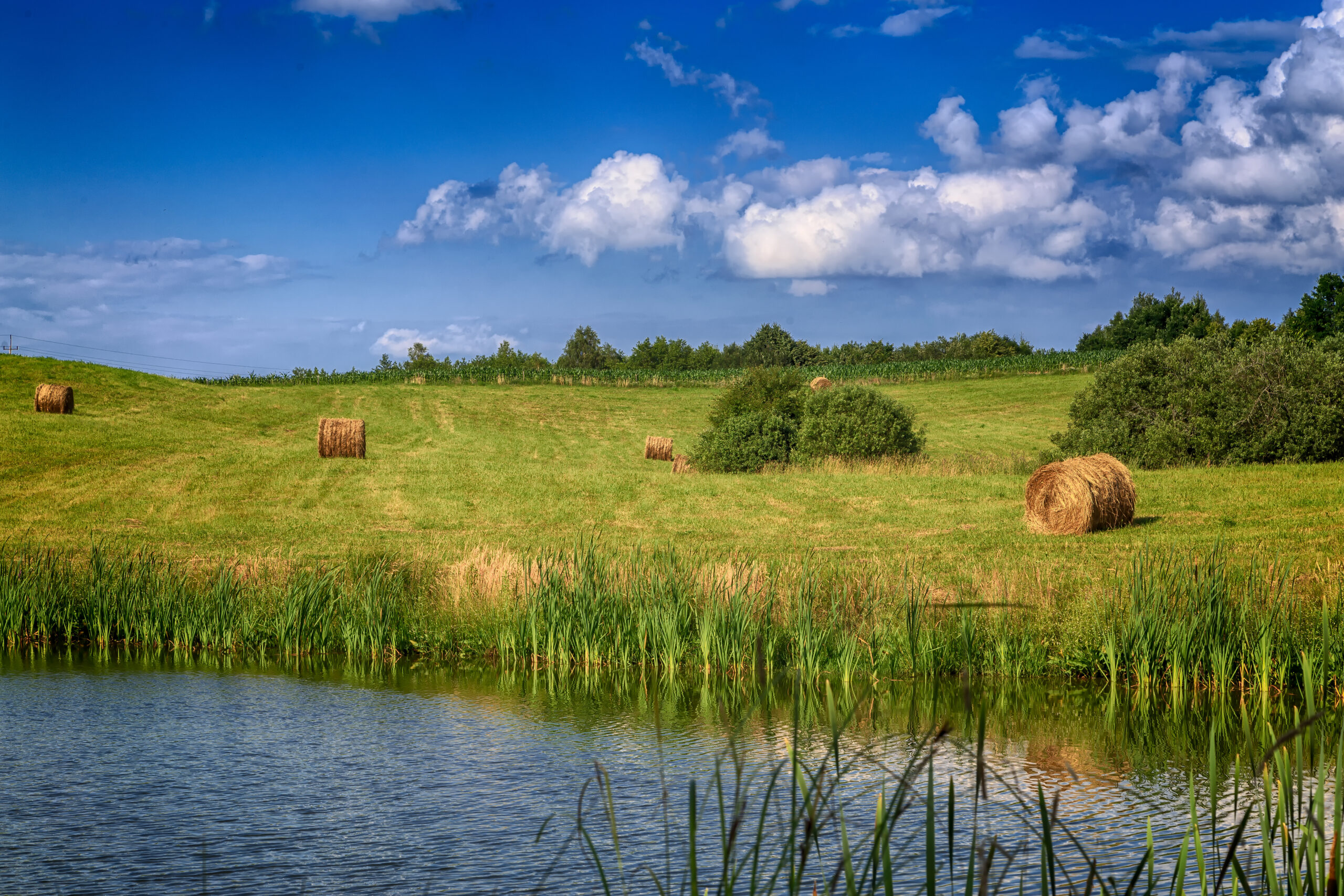
Aquatic vegetation can make a pond look messy, but plant growth in the water is not always a problem. In fact, some vegetation is good for most ponds. The issue is not whether plants are present. The issue is what kind of plants they are, how much of the pond they cover and what the landowner wants the pond to do.
A pond used mainly for fishing, livestock water or wildlife habitat can benefit from a moderate amount of aquatic vegetation. Plants help stabilize banks, reduce erosion, provide cover for fish and wildlife, improve water clarity and give insects, frogs and other small creatures a place to live. A pond with no vegetation at all may look clean, but it may not be as healthy or productive as it appears.
On the other hand, too much vegetation can interfere with fishing, watering livestock, swimming, irrigation or general enjoyment of the pond. Dense plant growth can make it difficult for fish to move and for anglers to cast. It can clog pumps or water lines. In some situations, it can also contribute to low oxygen problems, especially if large amounts of vegetation die and begin to decompose.
That is why pond management starts with the goal. A catfish production pond may need very little vegetation. A waterfowl pond may benefit from heavy coverage of certain plants. A typical farm or ranch pond used for livestock water and fishing usually does best with a middle ground. The right amount depends on the pond’s purpose.
The best time to prevent aquatic plant problems is when the pond is built or renovated. Many aquatic plants are limited by water depth. Shallow water allows sunlight to reach the bottom, which encourages plant growth. Deeper water reduces that opportunity. The Noble Research Institute article notes that many plant problems can be prevented by shaping most pond banks to a 20 to 25 percent slope down to at least four or five feet of depth.
That does not mean every pond can or should be rebuilt. Draining and reshaping an existing pond just to deal with weeds is usually not practical. But for landowners building a new pond, depth and bank slope are important decisions. Shallow edges may look gentle and easy to access, but they often become prime spots for unwanted plant growth. If livestock use the pond, fencing can help keep cattle from breaking down the banks and creating more shallow, muddy areas.
Once a pond has too much vegetation, there are usually three broad options: change the pond environment, use fish that eat plants or apply aquatic herbicides.
Changing the pond environment means making conditions less favorable for plant growth. Aquatic plants need sunlight and nutrients. Pond dyes can reduce sunlight penetration and limit the growth of submerged plants. Muddy water can have a similar effect, but muddy water is rarely the best solution. It may reduce plant growth, but it can also create water quality problems and lower fish production.
Fertilization is another tool sometimes used to encourage a phytoplankton bloom. A bloom can shade the pond bottom and tie up nutrients, limiting the growth of some submerged plants. This approach requires care. Too much fertility can create oxygen problems, fish stress or algae issues. Pond fertilization should not be a casual guess. Landowners considering this route should talk with a fisheries biologist before starting.
Grass carp are often used for aquatic vegetation control. These fish feed on many types of aquatic plants and can be useful in the right pond. They are not a perfect solution for every situation. Grass carp do not eat all plant species equally, and stocking too many can remove more vegetation than desired. Landowners should check state rules before stocking them, since regulations may apply.
Goldfish may help reduce filamentous algae in small ponds or stock tanks that do not contain larger predator fish. The Noble article notes that goldfish reduced filamentous algae to acceptable levels in metal stock tanks at Noble’s Red River Demonstration and Research Farm. This may be a practical option in some small watering systems, but it is not a general answer for larger ponds.
Herbicides are another tool, but they need to be used carefully. The first step is identifying the plant. Different herbicides control different types of vegetation. A product that works on algae may not work on cattails. A product labeled for floating plants may not control submerged weeds. Accurate identification can save money and reduce damage to plants that are not causing problems.
Labels matter. Only products labeled for aquatic use should be applied in or around ponds. The label will explain rates, timing, water-use restrictions and safety precautions. Some products may limit when water can be used for livestock, irrigation or recreation after treatment. Landowners should read and follow the label every time.
Timing also matters. Treating a pond after weeds have already taken over can create a new problem. When large amounts of vegetation die at once, decomposition uses oxygen from the water. If oxygen drops too low, fish can die. This risk is highest in hot weather because warm water holds less oxygen. In most cases, treating smaller areas or acting earlier in the growing season is safer than waiting until the pond is covered.
Not every plant needs to be removed. Some shoreline plants protect banks and provide habitat. Some submerged plants help small fish avoid predators. Some floating plants provide shade and cover. The goal should be control, not always elimination. A completely bare pond can be less useful for fish and wildlife.
Landowners should also look at what is feeding the plant growth. Runoff from fertilized fields, lawns, corrals or feeding areas can add nutrients to the pond. Livestock standing in the water can stir sediment, damage banks and contribute manure. Fixing those sources may help reduce future plant problems. Buffer strips of grass and vegetation around the pond can help filter runoff before it reaches the water.
Aquatic vegetation is easiest to manage when landowners pay attention early. Walk the pond edges during the growing season. Notice where plants are starting, how fast they are spreading and whether they are interfering with the pond’s use. Take photos and, if needed, collect a sample for identification. County Extension offices, fisheries biologists and conservation professionals can often help determine what plant is present and what control options make sense.
A pond is a living system. Plants, fish, insects, livestock, wildlife, water depth and nutrients all affect one another. Managing aquatic vegetation is not just about killing weeds. It is about keeping the pond useful, healthy and balanced.
For most farm and ranch ponds, some vegetation is a benefit. Too much becomes a problem. The key is knowing the difference and choosing the right tool before a small issue takes over the water.

By Norman Winter | The Garden Guy
When it comes to the backyard wildlife habitat, the cup plant has it all. To me, it is the flag bearer perennial for bees, butterflies, and birds. It is a stalwart native in 34 states from Louisiana north to Canada crossing every border east. Alas however its size is quite imposing. It is big, bold and wonderful, and this is the time of the year it shines the most.
If you are getting interested but are not familiar with the cup plant, it is known botanically as Silphium perfoliatum and as I alluded above cold hardy from zones 3-9. It can grow tall, 4 to 10 feet, and colonize, so it is a plant for the back of the border. Here at the Coastal Georgia Botanical Gardens ours are around 7 feet.
Though it may be hard to imagine, they can dwarf a brown-eyed Susan, Rudbeckia triloba, or a Brazilan sage, Salvia guaranitica, both also considered large plants and terrific partners for the cup plant. Close by, we have the pagoda flower Clerodendrum paniculatum, Java glory bower, Clerodendrum speciosissimum, as well as Baby Lace, Hydrangea paniculata, all of which do their part to bring in hummingbirds, bees, and butterflies.
You may be asking, why it’s called a cup plant. This is one of the magical attributes of the plant. As the plant grows, it develops large square stems that give the impression of piercing the center of the large leaves. It has two leaves without petioles that are attached to the stem, forming a perfect cup to collect rainwater. Small birds like finches take advantage of this natural reservoir of water. These same birds also feed on the seeds as they mature and get ready to disperse.
You’ll find the blooms to be covered in what may best be described as a pollinating frenzy. Every kind of bee, including honey bees by the hundreds, bumble bees, and wasps are there doing their thing. A quick glance on a recent morning visit showed eastern tiger swallowtails, long-tailed skippers, fiery skippers and yellow sulphur butterflies. It was like a Serengeti for pollinators. Though I didn’t see any, everyone reports hummingbirds on the plants as well.
The nature lover will find this to be one of the most thrilling plants to incorporate in the landscape. Get a chair, a pair of binoculars and a camera, and you are ready for a day of journaling. It will take some attitude adjustment for most gardeners before planting.
First, are you ready to incorporate such a tall, aster-family member into the back of the border? Second, can you accept a colonizing racehorse of a plant so to speak? Not only will you have rhizome spread but you will have reseeding. So, in other words, there will be some maintenance to confine to space allotted.
Native plant nurseries sell the plants, but they are also easy to start from seeds. Sow non-stratified seeds in the fall or stratified seeds in the spring. If you want to stratify, moisten coarse sand and seeds in a plastic bag and store in the refrigerator for three months.
Since this plant will be the backbone of your wildlife habitat or pollinator garden choose companions that are not only beautiful but will bring them in too. I’ve mentioned salvias and brown-eyed Susan’s, but Joe Pye weeds, milkweeds, and ironweeds native to your region would partner well.
Other favorites would be anise hyssops like Blue Fortune, Blue Boa, and Black Adder. They would give that complementary sizzle of opposite colors. Lastly, use the cup plant to create mystery in the garden by blocking a view and forming an area of transition.
The cup plant amazingly does it all for both wildlife and pollinators, all the while showing out with dazzling 3½-inch yellow blossoms. You have to agree that is pretty doggone special.
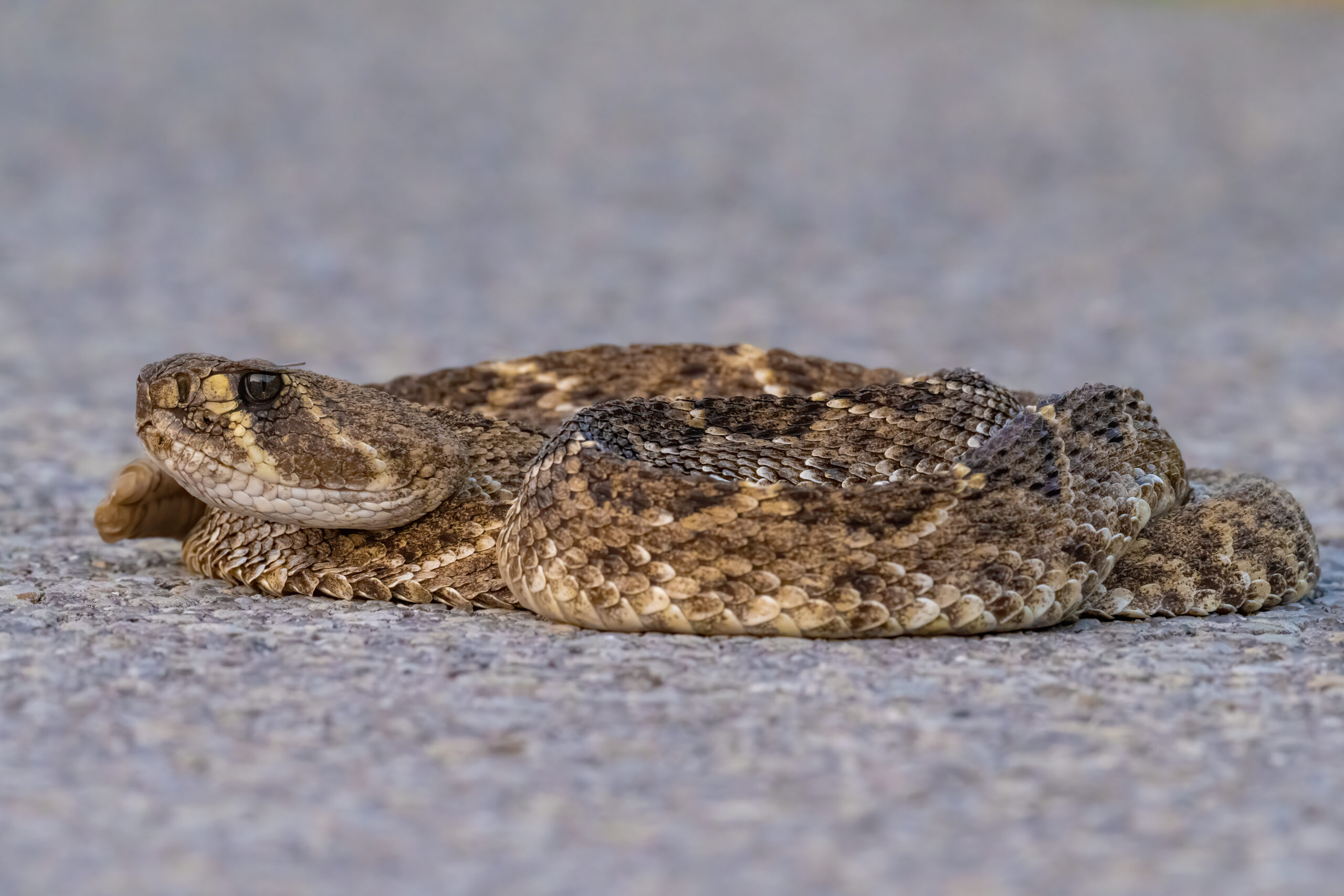
Oklahoma is home to a wide range of wildlife, and snakes are a regular part of life for anyone who spends time outdoors. From ranchers and farmers to hunters, hikers, and rural landowners, most Oklahomans will eventually cross paths with a snake. While the majority of species found in the state are harmless, there are a handful that deserve extra respect.
Many people believe Oklahoma has only three venomous snake species. In reality, the state has seven venomous species, but they fall into three main groups that are helpful to understand: rattlesnakes, copperheads, and cottonmouths. All of Oklahoma’s venomous snakes belong to the pit viper family, meaning they share similar physical traits and hunting behaviors.
Knowing what these snakes look like, where they live, and how they behave goes a long way toward reducing the risk of an unpleasant encounter.
Rattlesnakes
Rattlesnakes are the most recognizable venomous snakes in Oklahoma, largely thanks to the rattle at the end of their tails. That rattle is designed as a warning system, alerting large animals — including people — that they are too close for comfort.
Oklahoma has several species of rattlesnakes, ranging from large, heavy-bodied snakes found in western parts of the state to smaller species that prefer grasslands and rocky areas. They are commonly encountered in open rangeland, rocky outcrops, brushy pastures, and along fence lines. Rattlesnakes are also known to seek shelter under equipment, boards, or debris, especially during extreme heat or cooler months.
Despite their reputation, rattlesnakes are not aggressive. They typically remain still and rely on camouflage until a threat gets too close. While the rattle is often used as a warning, it’s important to understand that a rattlesnake may not always rattle before striking. Some rattles are damaged or broken, and a snake that feels suddenly threatened may strike defensively without warning.
Rattlesnake venom is hemotoxic, meaning it damages tissue and affects blood clotting. Any bite should be treated as a medical emergency, even if symptoms initially seem mild.
Copperheads
Copperheads are among the most frequently encountered venomous snakes in Oklahoma, particularly in the eastern half of the state. They are masters of camouflage, blending easily into leaf litter, brush piles, wooded creek bottoms, and rocky terrain.
Most copperheads are relatively modest in size, typically measuring between one and three feet long. Their most recognizable feature is the pattern of darker bands along their bodies, often described as hourglass-shaped. This pattern helps them disappear into the forest floor, which is why copperheads are often stepped on accidentally.
Copperheads rely heavily on remaining still rather than fleeing, which increases the chance of a close encounter. Many bites occur when someone unknowingly steps near or directly on a snake that never attempted to move away.
Although copperhead venom is generally considered less potent than that of some rattlesnakes, bites are still serious and require immediate medical attention. Pain, swelling, and tissue damage are common, and prompt treatment can prevent complications.
Cottonmouths
Cottonmouths, also known as water moccasins, are Oklahoma’s primary semi-aquatic venomous snake. They are most often found near water sources such as slow-moving streams, ponds, swamps, and marshy areas, particularly in southeastern Oklahoma.
Cottonmouths are thick-bodied snakes that can grow several feet long. Their coloration is often dark, sometimes making them difficult to distinguish from nonvenomous water snakes. One defining behavior gives them their name: when threatened, a cottonmouth may open its mouth wide, displaying a bright white interior as a warning.
While cottonmouths are commonly associated with water, they do travel over land and may be encountered on trails, levees, or near livestock ponds. Like other pit vipers, they prefer to avoid confrontation and rely on defensive displays rather than aggression.
Cottonmouth venom is hemotoxic and can cause significant pain, swelling, and tissue damage. As with any venomous snakebite, immediate medical care is critical.
All of Oklahoma’s venomous snakes share several general characteristics. They have broad, triangular-shaped heads, heat-sensing pits between the eyes and nostrils, and vertical pupils. While these traits can help with identification, it’s safest to avoid attempting close inspection altogether.
Most snake bites happen when people try to kill, handle, or move snakes. Others occur when visibility is poor and a snake is accidentally surprised. Simple precautions can significantly reduce risk: watching where you step or reach, wearing boots in tall grass or rocky areas, and giving snakes plenty of space when they are spotted.
Venomous snakes play an important role in Oklahoma’s ecosystems by controlling rodent populations and maintaining balance among prey species. While it’s natural to feel uneasy around them, understanding their behavior helps replace fear with awareness.
Venomous snakes are a fact of life in rural Oklahoma, but encounters rarely end in injury when people remain alert and respectful. Recognizing that Oklahoma’s venomous snakes fall into three main groups — rattlesnakes, copperheads, and cottonmouths — makes identification simpler and helps people make safer decisions outdoors.
With a little knowledge and caution, Oklahomans can continue to work the land, enjoy the outdoors, and coexist with these often-misunderstood animals that have been part of the landscape long before fences, barns, or back roads ever existed.




-
 Country Lifestyle2 years ago
July 2017 Profile: J.W. Hart
-
 Attractions9 years ago
48 Hours in Atoka Remembered
-
 Farm & Ranch2 years ago
From Plow to Plentiful: The Most Important Inventions in Agricultural History
-
 Equine9 years ago
Umbilical Hernia
-
 Country Lifestyle5 years ago
The Two Sides of Colten Jesse
-
 Outdoors8 years ago
Grazing Oklahoma: Honey Locust
-
 Farm & Ranch8 years ago
Hackberry (Celtis spp.)
-
 Equine6 years ago
On the Road with Emily Miller-Beisel