
Equine
History of the Horseshoe Part 2

By Laci Jones
With the saying, “Don’t reinvent the wheel,” Lee Liles, owner of the National Museum of Horse Shoeing Tools and Hall of Honor said the same could be said about the horseshoe.
“Nothing is really new in a horseshoe,” he explained. “It just seems to be a revolving circle.”
While the horseshoe has not changed, Liles said the title of the horseshoe specialist has. At some point over time, the horseshoer took on the name “farrier,” he added.
Certification
Horseshoers in the late 19th century needed to have a certificate issued by the Master Horseshoers National Protective Association. Liles said the association was like a union. If someone was caught without being a licensed member, they could be fined $400.
The color of the certificates was different each year, making the certificates easy to identify when entering the blacksmith’s shop.
Other countries like Canada and Germany also required certification. Horseshoers in London in 1909 needed to carry a certificate with them at all times. The certificate was signed by the queen, Liles explained.
Mid-Century Trends
In the 1940s, 1950s and 1960s, all horses had heel caulks on their horseshoes.
“I can remember back in the 1960s we had a shoe we called ‘The Cowboy Shoe,’” he added. The Cowboy Shoe was beveled out on the inside to help shed dirt. Liles said a good cow pony on rough terrain requires a tougher shoe.
“If it weren’t for a horseshoer moving up [in rough country] there would never have been good cattle country,” he said. “He kept the horses sound from being on the rocks.”
He remembered when owners could get away with just trimming their ranch horses in the 1960s. “Getting into the 1970s, you had to put shoes on ranch horses,” Liles added. “Their feet weren’t as strong because the breeding changed their feet a lot.”
The Horse
“The life of a horseshoer is very short,” Liles explained, “especially this day and time more so than the old days.”
To give a time-life-history of the horse, 24 million horses were in the United States in 1915. By 1950, they were down to two million. Farmers began working with tractors and the workhorse phased out, he added. In the late 1950s and early 1960s, horses became luxury items, Liles explained. Owners used horses more on ranches and started horse shows and events.
“In 1965, there was a shortage of horseshoers because most were cavalry horseshoers or taught by somebody who was in the cavalry,” he added. Those horseshoers retired by the 1960s, and there was a need for horseshoeing schools.
Z-Bar Shoe
“Our shoe industry has changed dramatically since 1979,” Liles explained. “We’ve got so may good horseshoes on the market today that you hardly need a forge to heat them up to shape them.”
Liles said the industry now has front and rears in the patterns, which has changed horseshoeing. The Z-Bar shoe may have been patented in 1900 in New Orleans, but the shoe has become more popular in recent years. “It’s popular in our horseshoeing contests,” Liles explained.
The Z-Bar shoe is used on horses that have a bad quarter crack, he added. The shoe relieves the pressure and lets the swelling go down, and the bar distributes the weight in the foot. This is the only patent I ever seen south of the Mason-Dixon Line,” he added.
Current Trends
“Just in the last few years, we’re seeing horseshoes with multiple nail holes,” Liles added. “That is more than we’ve ever had.”
For 200 years in the United States, horseshoes have always had eight nail holes in the shoe. Now, 10 to 16 nail holes are in a shoe. “That’s a dramatic change,” Liles explained. “It gives [farriers] more of an option to where they can rotate the nails around if the foot gets bad, so it’s not a bad deal.”
Shoeing horses on the front end and not the back end is trending in the show horse industry, he explained. When asked why this is trending, Liles said one person started winning, and everybody started thinking it would help them win.
“It’s not always necessary to shoe the back end of a horse,” he said. “Most of the weight on a horse is carried from the front end with the weight of the horse’s neck and the cowboy.”
Marvin Beeman, DVM and educator for the American Colt Horse Association, told Liles how a horse farrier shoes a ranch horse depends on the biographical areas in which they live in.
“If you change your horse from one environment to another environment, it will actually change the growth pattern of the horse’s foot and start a groove around his foot,” Liles explained. “When you change that horse’s environment, the horseshoer can actually read it in his foot.
“That’s hard for a lot of people to imagine, but when you bring a horse from the east coast to the west coast, that’s a dramatic change for that horse.”
Different Materials
Liles said using different materials is a current trend among horse farriers. In the early days of horseshoeing, farriers used wrought iron. Today, most horseshoes are made using plain steel. However, the show horse industry uses a lot of aluminum and titanium.
“A pair of heavy walking horse shoes can cost $5,000,” Liles explained, “but it’s made out of tungsten.”
Plastic and rubber shoes have also become popular in recent years. Amish horses used on roads have horseshoes made of Borium. Borium is a texture that keeps the shoe from wearing out, but it can also have a negative impact on the road.
“If you drive around in Amish or Mennonite country and see a dip in the road, it’s from a horse going down the road,” Liles explained. “A lot of states like Pennsylvania and Ohio have funded projects trying to come up with a traction device horseshoe that will not hurt their asphalt and highways as bad.”
Glue-on shoes have come along after he was an active horse farrier. The dairy industry uses the glue-on shoes more than anybody, he added. Cattle are on water and concrete, and they can have a tremendous problem with foot rot. Liles said proper nutrition can help combat this disease.
“I’ve never seen many horse’s feet that I couldn’t nail a shoe on,” Liles said, “but, I see where they help a lot of horses today.”
To learn more about the history of the horseshoe, visit www.horseshoeingmuseum.com.
This article was originally posted in the August 2016 issue of Oklahoma Farm & Ranch.
By Ann Asher
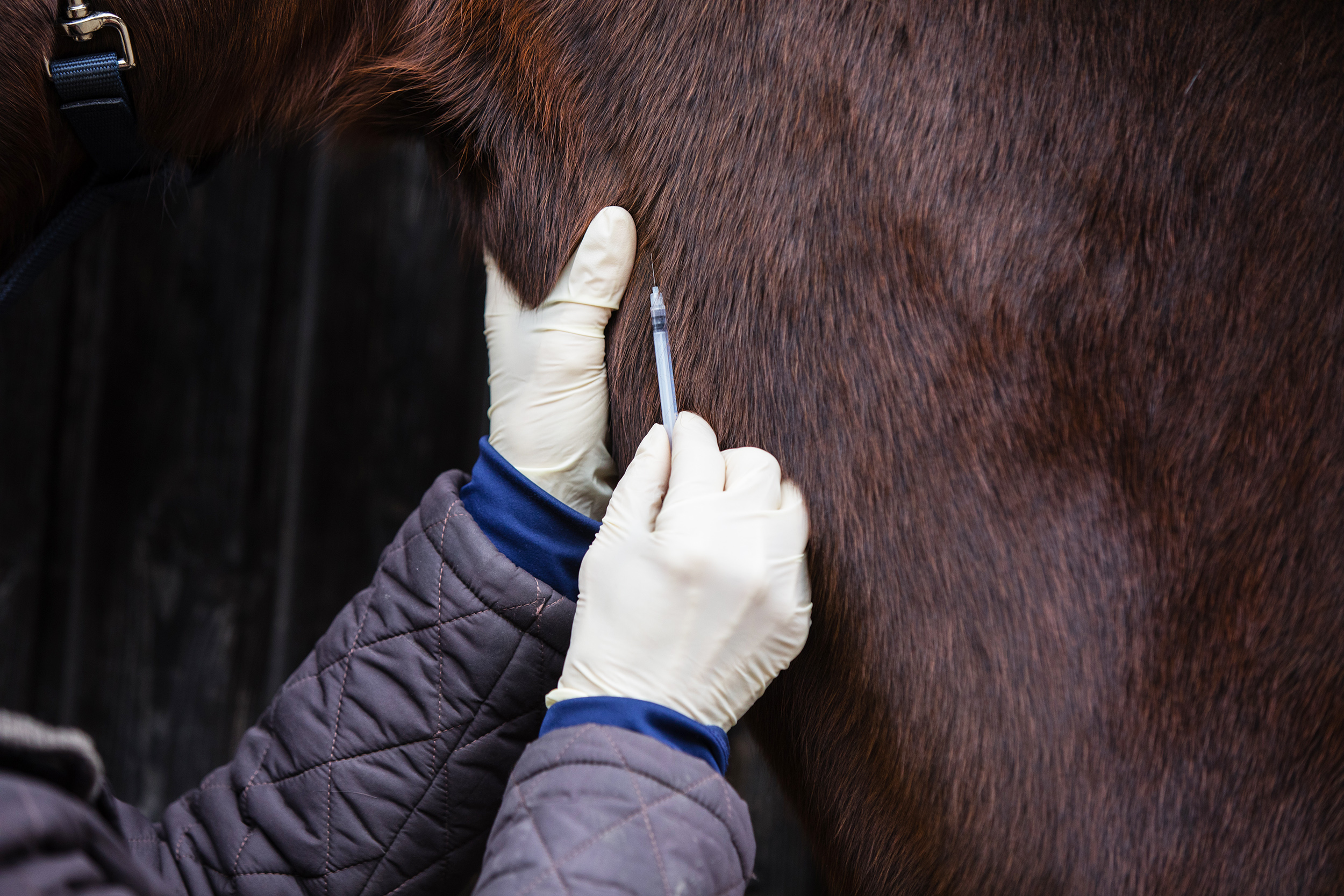
For many horse owners, a Coggins test is part of the routine. If you’re headed to a horse show, rodeo, sale, boarding facility or across state lines, you have likely been asked for a current negative Coggins. The veterinarian draws a tube of blood, fills out the paperwork and, assuming the result comes back negative, the form goes in the file with the rest of the horse’s records.
But what are we testing for?
A Coggins test is a blood test for equine infectious anemia, commonly shortened to EIA. It is not a general test for anemia, and it won’t tell you whether a horse’s red blood cell count is low. The test looks for antibodies the horse’s immune system has produced against equine infectious anemia virus.
EIA is a viral, bloodborne disease that affects horses, ponies, donkeys, mules and other equids. The virus belongs to the lentivirus group, a family of viruses known for persistent infections. Once a horse contracts EIA, it stays infected for life. No approved vaccine prevents the disease, and no treatment eliminates the virus from an infected horse.
That lifelong carrier status is why the Coggins test matters so much.
Some horses with EIA become seriously sick. Clinical signs can include recurring fever, weakness, weight loss, swelling, depression and anemia. In severe cases, the disease can kill. Many infected horses, however, show few signs or none. A horse can look healthy, perform normally and still carry the virus, putting other horses at risk.
EIA spreads through infected blood. Horse flies and deer flies are important natural carriers. A fly can feed on an infected horse, get interrupted and move to another horse while blood remains on its mouthparts. Contaminated needles, syringes, surgical or dental equipment and anything else that moves blood from one horse to another can also spread the virus.
That’s why controlling EIA takes more than keeping flies away. Use a new sterile needle and syringe for every horse, and clean and disinfect any equipment that could become contaminated with blood.
The name “Coggins test” refers to the agar gel immunodiffusion, or AGID, test developed to detect antibodies to EIA. The test identifies antibodies against an antigen associated with the virus. Today, laboratories may also use approved ELISA tests, which return results faster. Because ELISA tests occasionally produce false positives, labs confirm positive screening results with the AGID, or traditional Coggins, test.
Keep in mind that the test looks for the horse’s immune response to infection rather than the virus itself, so timing can matter. A horse infected very recently may not yet have enough antibodies to test positive. Most infected horses eventually develop detectable antibodies, but there can be a window after exposure when the test comes back negative.
For the average horse owner, the larger purpose of routine testing is surveillance. Testing helps find infected horses before they unknowingly expose other animals.
In Oklahoma, horses attending equine exhibitions such as fairs, shows, rodeos and racetracks must have a negative EIA test from within the previous 12 months. Oklahoma also requires testing when horses mingle in common settings such as boarding and training facilities, as well as before most changes of ownership. Horses entering Oklahoma generally must have a negative EIA test from within the previous 12 months as well.
Those requirements can feel like one more piece of paperwork, especially for owners who travel often and have healthy horses that test negative year after year. But the system works because testing is routine.
There is no vaccine to fall back on if EIA starts spreading through a group of horses, and no cure for the infected horse. A confirmed positive animal remains a carrier for life and must be managed under strict regulatory requirements, generally through euthanasia or permanent isolation from other equids.
So when your veterinarian pulls that tube of blood for another Coggins test, the goal is bigger than getting the paper you need at the gate of the next event. We are looking for evidence of a lifelong, contagious disease that can hide in a healthy-looking horse. Finding those horses before the virus spreads makes that routine blood test one of the simplest and most important tools we have for protecting the horse population.
By OKFR Staff
By the time September rolls around in Oklahoma, most of us are more than ready for rain. After weeks or months of dry weather, brown pastures and hard ground, a good soaking rain can seem like the answer to a lot of problems.
For our horses’ feet, the end of a drought can bring a new set of challenges.
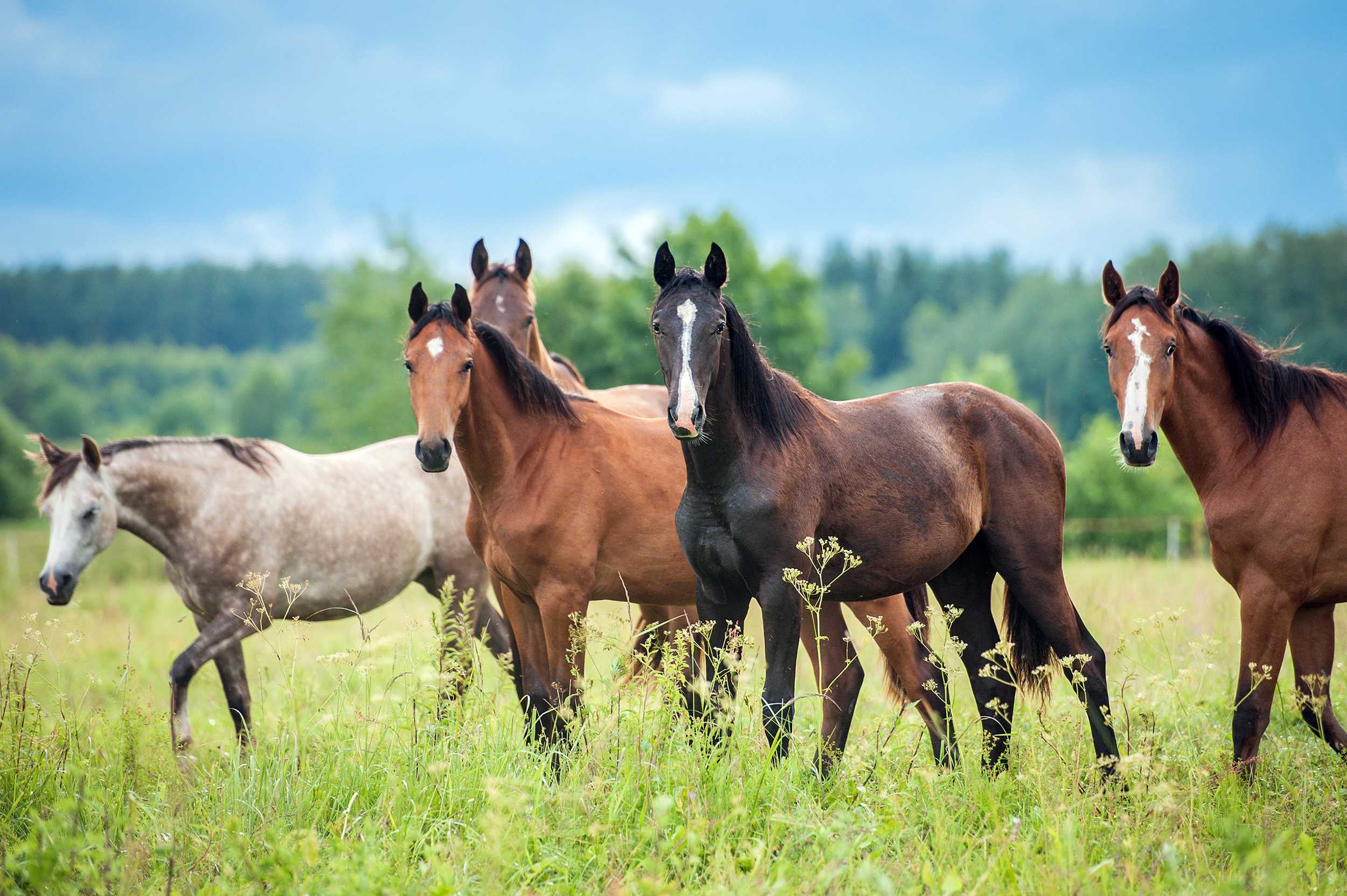
During long dry spells, hooves lose moisture and can turn hard and brittle. Dry weather is one of the factors associated with hoof cracks, particularly when combined with long trimming intervals or hoof imbalance. Horses traveling over hard, dry ground also take more concussion, and horses with thin soles or tender feet can grow sore as the ground hardens.
That makes regular farrier care especially important during a drought. You may be tempted to stretch the time between appointments because the feet don’t seem to be growing as fast, but keeping the hoof trimmed and balanced reduces stress on the hoof wall and the structures that support it.
Watch for small cracks and chips before they become big ones. Minor chipping around the bottom of an unshod hoof is fairly routine. A crack that keeps moving upward, gets deeper or causes lameness deserves a closer look from your farrier or veterinarian.
Then comes the rain.
After a long dry spell, hoof moisture can change quickly when horses start standing in wet grass, mud or saturated ground. Going from dry to wet and back again can contribute to brittle hoof walls and cracking.
Wet conditions bring other concerns. Long exposure to moisture can soften the hoof, particularly the sole and frog. Mud and dirty footing favor problems such as thrush and give bacteria more chances to enter through small cracks or separations in the hoof. Hoof abscesses also commonly follow swings between very dry and very wet conditions.
The best defense isn’t complicated. Pick up your horse’s feet regularly and pay attention to what you see and smell. Clean out packed dirt, manure and mud, and watch for cracks, tenderness, a foul odor around the frog or changes in the white line. Give horses a place where they can get out of the mud and stand on clean, dry footing.
Talk with your farrier before trying to change hoof moisture with frequent soaking or a lineup of topical products. More moisture isn’t automatically better. The goal is a healthy, balanced hoof that can adapt to its environment.
Finally, don’t ignore sudden lameness after the weather changes. A hoof abscess can make a horse dramatically lame, sometimes overnight. Many abscesses heal well with proper treatment, but sudden or severe lameness warrants a call to your veterinarian.
We can’t control when Oklahoma’s next rain arrives. Staying consistent with hoof care before, during and after that change gives our horses the best chance of handling it soundly and comfortably.
By Savannah Magoteaux
Walk past the horse trailers after a summer jackpot, ranch rodeo or trail ride, and you’ll probably see the same thing: saddle pads draped over gates, fences and trailer doors, drying in the afternoon sun. Some are soaked through with sweat. Others are already stiff with dried salt, caked hair and arena dust.
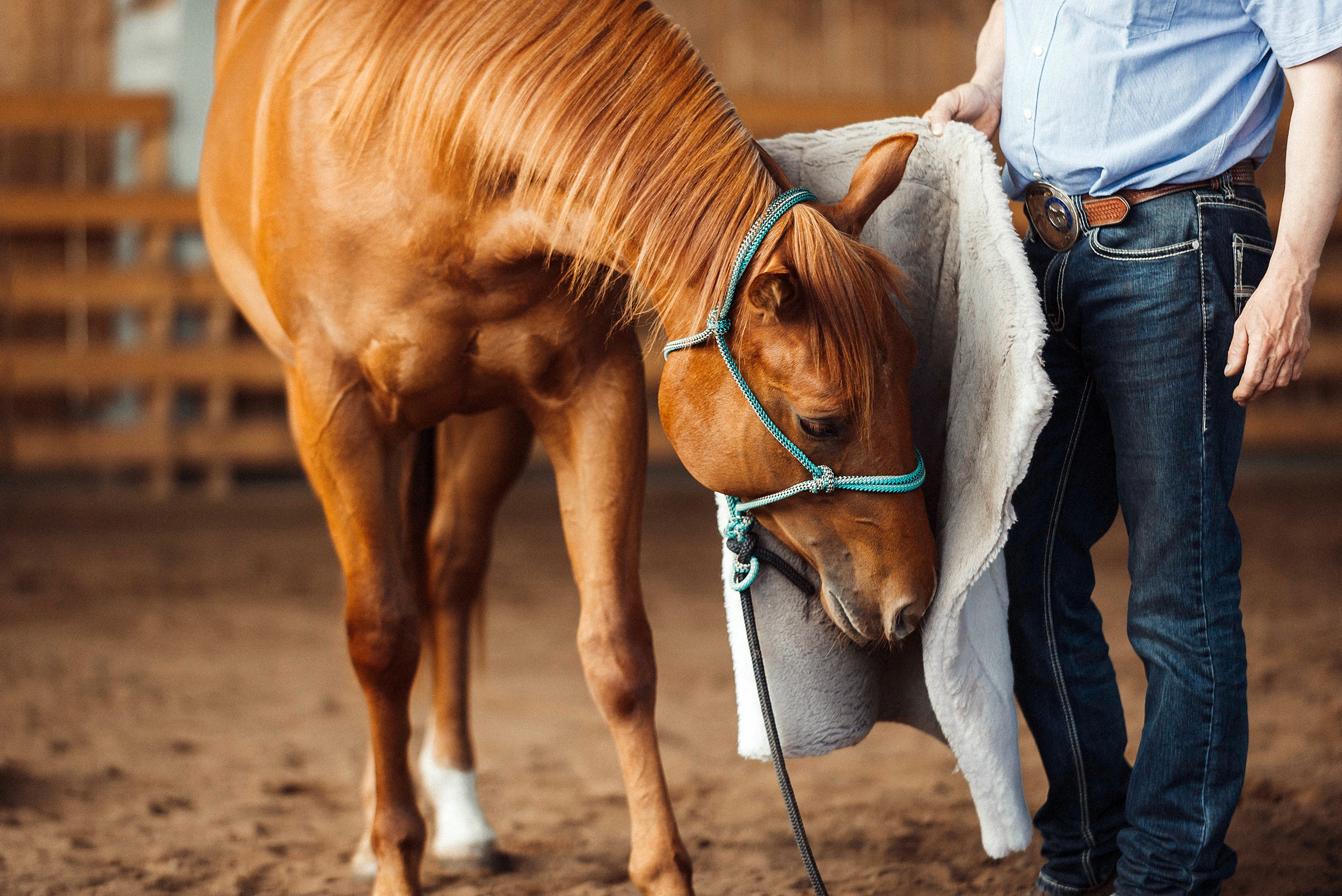
It’s easy to think of a saddle pad as one more piece of tack, but it has one of the hardest jobs on your horse. On every ride, it cushions the saddle, helps spread pressure across your horse’s back, absorbs sweat and lets heat escape.
A quality saddle pad can last for years if you take care of it.
Built-up sweat, dirt and hair shorten the life of a pad. Over time, they also compress the fibers, reduce the pad’s ability to wick moisture and create stiff spots that can rub your horse’s back. Even the best-made pad can’t do its job once it’s hard as a board.
One of the simplest habits you can develop is cleaning the pad after every ride. Knock off loose dirt, brush away hair and let the pad dry completely before putting it back in the tack room or trailer. Storing a damp pad invites mildew, odors and bacteria and breaks down many materials over time.
Every saddle pad serves the same basic purpose, but the material determines both how it performs and how you should care for it.
For many western riders, wool felt remains the standard. One of its greatest advantages is that it gradually conforms to the horse’s back without losing its structure. To care for a wool felt pad, remove hair with a curry comb or stiff brush after each ride and let it dry thoroughly. When it needs a deeper cleaning, use cool water and a mild wool-safe detergent if the manufacturer recommends one. High-pressure washers, harsh detergents and excessive heat can damage the wool fibers and reduce the pad’s performance.
Traditional woven wool blankets are still popular, particularly beneath ranch saddles or as a top blanket over a felt pad. Shake them out regularly, brush them clean and wash them gently when necessary. Most should air dry, since a dryer can shrink natural fibers.
Neoprene pads have become common because they’re durable, lightweight and easy to clean. Unlike wool, neoprene doesn’t absorb moisture. Many neoprene pads have textured or waffle-patterned surfaces that help move sweat away from the horse while letting air flow beneath the saddle.
You can rinse most neoprene pads with a hose after riding and wash them with mild soap now and then. Let them dry completely before storage, and keep them out of intense heat and direct sunlight, since neoprene can turn brittle over time.
Foam, gel and memory foam inserts show up in many performance pads designed to add shock absorption or relieve pressure points. These materials can cushion well, but many hold more heat than wool. Care varies considerably from one manufacturer to another, so follow the cleaning instructions that came with the pad instead of assuming all synthetic materials wash the same way.
Synthetic fleece pads are another common option, particularly for everyday riding. They are generally easier to clean than natural wool, and many can go through a washing machine on a gentle cycle before air drying. Regular brushing between washings keeps the fleece from matting and packing with hair.
Whatever type of saddle pad you choose, no pad can make up for a saddle that doesn’t fit. Even the thickest pad cannot eliminate pressure points created by a poorly fitting saddle. Think of the pad as a partner to proper saddle fit, helping protect your horse while the saddle does its job.
Before your next ride, flip your saddle pad over and run your hand across the side that rests against your horse. If it feels rough, stiff or crusted with dried sweat and hair, imagine how it feels after an hour in the saddle.
A few minutes spent cleaning and drying your pad after each ride will help it last longer, protect your investment and keep your horse more comfortable every time you swing a leg over.


-
 Country Lifestyle2 years ago
July 2017 Profile: J.W. Hart
-
 Farm & Ranch2 years ago
From Plow to Plentiful: The Most Important Inventions in Agricultural History
-
 Attractions9 years ago
48 Hours in Atoka Remembered
-
 Equine9 years ago
Umbilical Hernia
-
 Country Lifestyle5 years ago
The Two Sides of Colten Jesse
-
 Outdoors9 years ago
Grazing Oklahoma: Honey Locust
-
 Farm & Ranch8 years ago
Hackberry (Celtis spp.)
-
 Attractions3 months ago
Oklahoma Ghost Towns – Navajoe