
Country Lifestyle
Where the Paved Road Ends: Roses are Red

By Beth Watkins
If you love February, then it’s probably because of one or two reasons or maybe both: you are in a relationship or it’s calving season. Here on our ranch we love it for both reasons.
We have finally reached the point where every calf born sounds like “cha-ching.” The calves will be weaned and sold by late fall, and we will be doing the happy dance all the way to the bank.
February is the traditional month for love. Most men would agree that greeting card companies, candy makers and florists all got together and plotted an evil scheme called Valentine’s Day to rob them of cash. I did say “most men.” A few romantic souls are out there who enjoy being creative in celebrating this thing called love. You really shouldn’t judge the degree of love your valentine has for you by the amount of effort put into the celebration. Some men just don’t have the creativity gene; it doesn’t mean they love you any less than the man who makes fairy tales come to life.
As with all aspects of life, if you have high expectations, you will most likely be disappointed. Romantic novels and chick flicks are written for entertainment, and in my opinion should be labeled “fantasy,” because the likelihood of my ball-cap-wearing redneck turning into a suave and debonair prince charming is slim to none. That’s okay, I love him just the way he is.
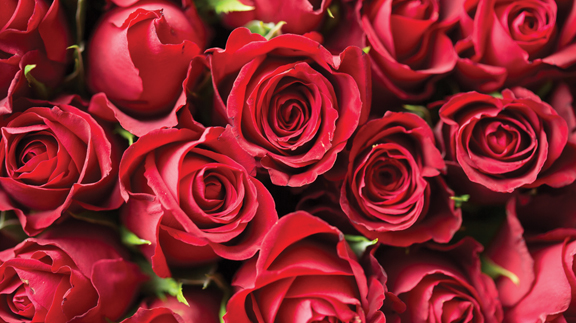
The last time I asked, “Mirror, mirror, on the wall, am I the hottest chick of all?” it cracked from the abundant amount of hysterical laughter that erupted. In short, I’m not perfect, but he loves me, and he’s not perfect, but he’s my baby. So, personally, I feel very loved and flattered when I wake up on Valentine’s Day and G.W. has left me a sweet card. When he comes home, he has a huge smile on his face, a vase of red roses in one hand, and a heart-shaped box of chocolates in the other, and sometimes an extra card because he had a hard time choosing just one.
I know he has stood there in front of lots of greeting cards, reading each one trying to find the perfect one that expresses his undying love for me. Then he went to the candy aisle and made an important decision of picking the prettiest heart-shaped box of chocolates, the kind where I’ll have to push my finger in the middle to see if I like the ooey-gooey center. After cards and candy, he makes a special trip to the florist to pick up fresh roses, accompanied by just the right amount of baby’s breath and greenery arranged in a beautiful, water filled vase.
Even though those little bits of traditional morsels are very predictable, they are much appreciated. They all took a little initiative and time just to say I love you in a special way.
As soon as the valentine cards hit the store shelves, I thoroughly search for the perfect card to express to my husband just how much I love him. Leading up to Valentine’s Day, I’ll make some frosted, heart-shaped cookies. For his gift, I always make a devilish dessert that I know he will enjoy: sweets for my sweetheart. This year, if I can find a pair of red satin boxer briefs, I think I’ll embroidery my name in a heart on the backside. That ought to make him feel really loved.
We have all seen the Facebook posts where people brag about coming home to a path of rose petals leading them to a bottle of champagne chilling by a bathtub full of bubbles, or a candlelit dinner with Michael Bolton playing softly in the background, or a picture of the limo that took them to a fancy dinner. If I were the recipient of these gestures of love, my thoughts would be, “Who is going to clean up that mess of petals on the floor? Is the bath water going to be hot like I like it? Are those bubbles from Dawn or Mr. Bubbles? Did you cook this dinner? Is the kitchen destroyed with dirty pots and pans, did you take off the whole day to pull this off?” I have a whole list of honey-do’s that still need to be completed.
Even though these are all creative actions of love, I guess I prefer the practical. We celebrate by eating take-out in front of a cozy fire in the fireplace, followed by the yummy dessert that I baked, and then cuddling up on the couch with a good movie.
For the other 364 days of the year, we keep on celebrating our love by just being together here at the end of this dirt road.
By Bryce Angell
My eyes are glued up to the shelf, a brand-new pair of Mucks. They’d be in my possession, but I lack the certain bucks.
I could go without my Pepsi for a month or maybe two. But the headache would be pounding like a freight train passin’ through.
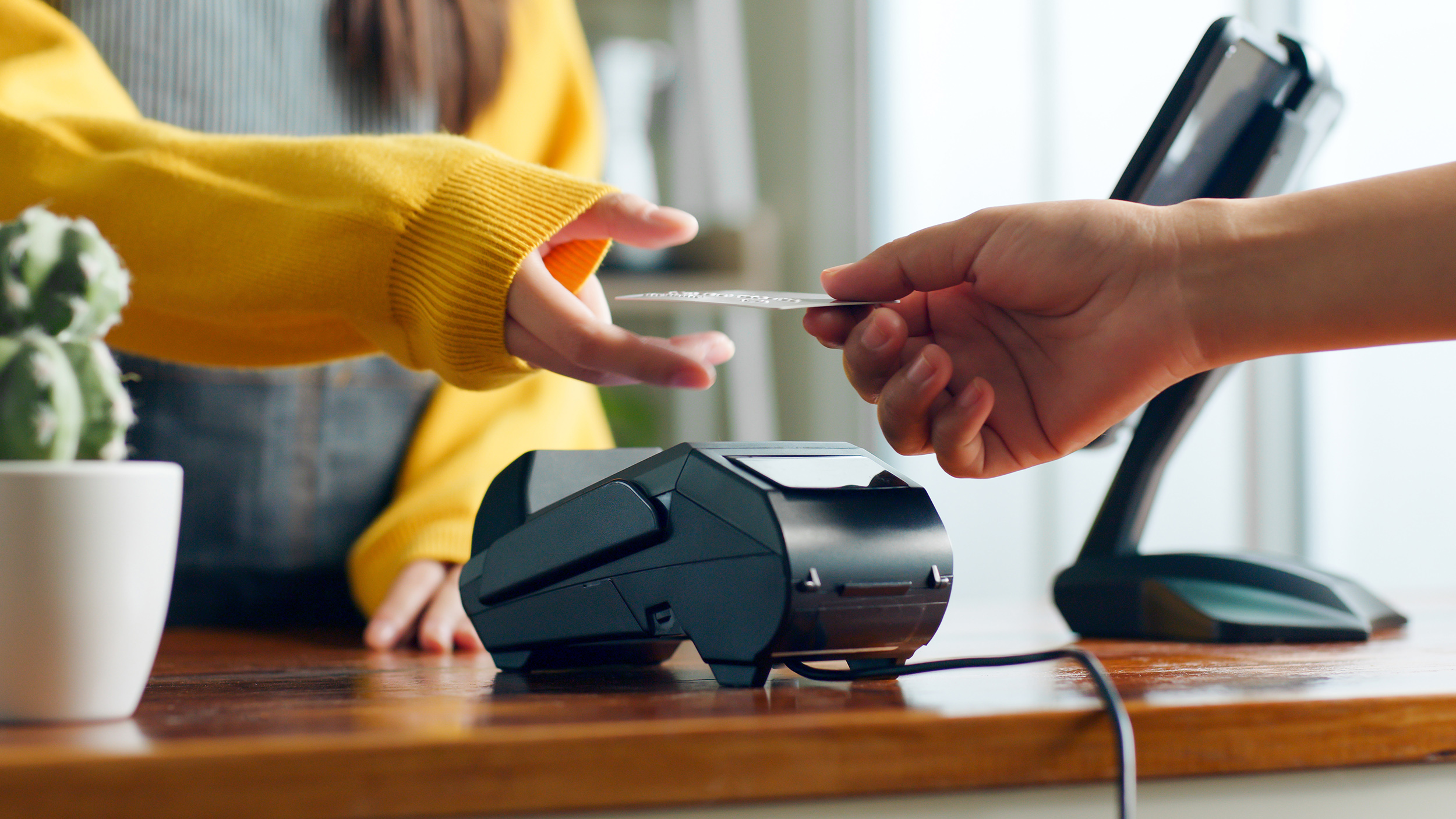
I’ve got my Visa plastic for emergencies and such. The boots are kinda spendy. Do I really care that much?
I grab my precious cargo and I’m tingling to my roots. The clerk says, “Hundred eighty.” Must be gold in them there boots!
To purchase I can justify. It’s more than just a treat. No more sittin’ in the saddle with my cold and frozen feet.
I’ve waited days to wear them. Time to saddle up Ol’ Blue.
But my boots won’t fit the stirrups. What’s a broke cowboy to do?
The boots ain’t never goin’ back. I burned the dang receipt. My wife will never know the cost. Is that what’s called deceit?
The Co-Op might be open. I’ve seen stirrups there to buy. They close at 6:00 p.m. It’s 6:05 p.m. No use to even try.
I’ll drive out to the shoppin’ mall. They’ve got a western store. But their prices are extravagant, not for the country poor.
I’m riflin’ through the stirrups. Find a pair that fits my Mucks. I take ’em to the clerk. She says, “Two hundred twenty bucks.”
This time I cough and choke on down my Wrigley’s Spearmint chew. The clerk said, “Sure they’re spendy, but they’re made for guys like you.”
I wonder what she meant ’cuz I ain’t got the cash to spare. I swear she meant hi-rollers with their nose up in the air.
Still, I bought the brand-new stirrups with my plastic, once again.
Does it hurt to use my Visa card, every now and then?
The smuggish patrons, back in line, are giving me the stare.
They’re prob’ly thinkin’, “Poor cowboy.” I hurry out of there!
I’m addin’ up my purchases. Looks like four hundred bucks. And with the Gov’ner’s share I’m in the class of stupid clucks.
I burned the Visa card receipt, so that should take care of it from where I stand. I’m wonderin’ now if my warm feet are worth the half a grand?
By NTFR Staff
If you’ve spent any time on social media this summer, you’ve probably seen the debate. Some gardeners insist you should water only before sunrise. Others swear by evening watering. A few even claim watering during the heat of the day will burn your plants.
With temperatures climbing into the 90s and often higher in Oklahoma and North Texas, it’s easy to second-guess yourself when your tomato plants start drooping by lunchtime. Timing matters, but it’s only one part of keeping a garden healthy, and how you water can make a bigger difference than when.
For most gardens, early morning is the best time to water. Between about 5 and 9 a.m., temperatures are cooler, winds are usually lighter and less water evaporates. Plants have time to absorb moisture before the hottest part of the day, which helps them handle the afternoon heat. Any water that splashes onto the leaves also has time to dry, which reduces the chance of fungal diseases.
Not everyone has time to water before work or before the sun comes up. If evening is the only time that fits your schedule, don’t worry. A garden that gets a thorough watering in the evening is far better off than one left dry while you wait for the “perfect” time.
If you water late in the day, aim the water at the soil instead of spraying the foliage. Leaves that stay wet overnight can encourage certain plant diseases, especially when humidity is high.
Midday watering is fine, too, despite a long-standing gardening myth. Water droplets generally do not act like tiny magnifying glasses that scorch leaves, and research shows it isn’t a significant concern in home gardens. The drawback is efficiency. During the hottest part of the day, more water evaporates before it reaches the root zone. Still, if a plant is badly wilted and the soil is dry, don’t wait until evening. Watering right away beats letting the plant keep suffering from heat and drought stress.
Many gardeners make the mistake of watering on a schedule instead of checking the soil. Plants can wilt temporarily in extreme afternoon heat even when they have plenty of moisture underground.
Before reaching for the hose, push your finger a couple of inches into the soil. If it still feels cool and moist, your plants probably don’t need water yet. If it’s dry, give them a drink.
How you water matters as much as when. A slow, deep soaking encourages roots to grow farther into the soil, where moisture lasts longer. Frequent light watering keeps roots near the surface, which leaves plants more vulnerable in hot weather.
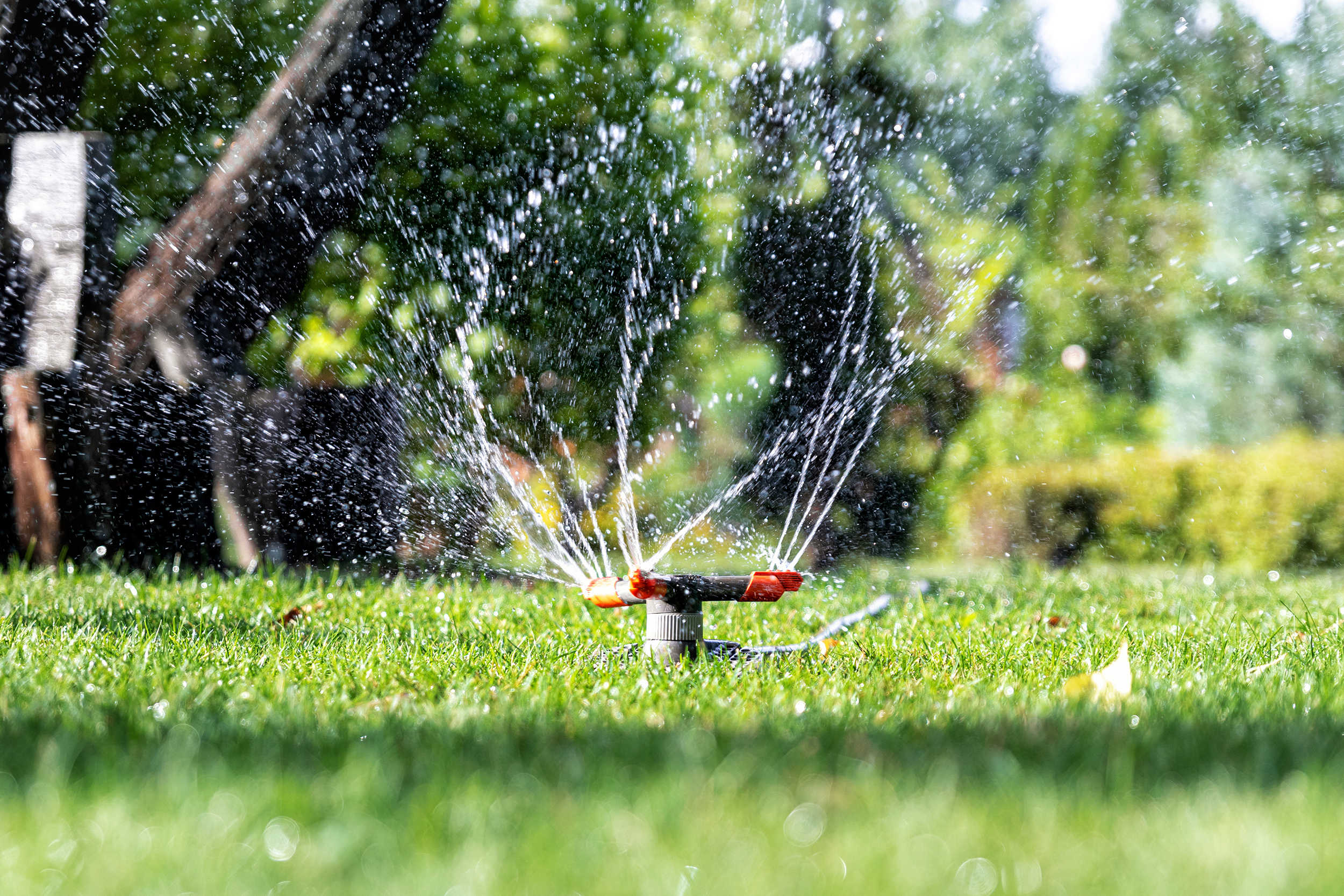
Soaker hoses and drip irrigation systems are excellent choices because they deliver water straight to the roots and lose very little to evaporation.
Mulch can become one of your best summer gardening tools. A two- to three-inch layer of shredded leaves, straw, untreated grass clippings or wood mulch keeps the soil cooler, slows evaporation and cuts down on weeds that compete for moisture. In many gardens, mulch can noticeably reduce how often you need to water.
Every garden is a little different. Soil type, plant varieties, sunlight, wind and rainfall all affect how fast moisture disappears. Sandy soils dry out faster than heavy clay, and containers often need water much more often than plants growing in the ground.
Pay attention to your garden instead of following a strict calendar. Check the soil regularly, water deeply when needed and don’t panic if your vegetables look a little tired during the hottest part of the afternoon. Many will perk right back up once temperatures fall.
Consistency matters more than perfection. Whether you water before sunrise or after supper, giving your plants the moisture they need and delivering it deep to the roots will help your garden stay healthier through the toughest days of summer.
By Annette Bridges
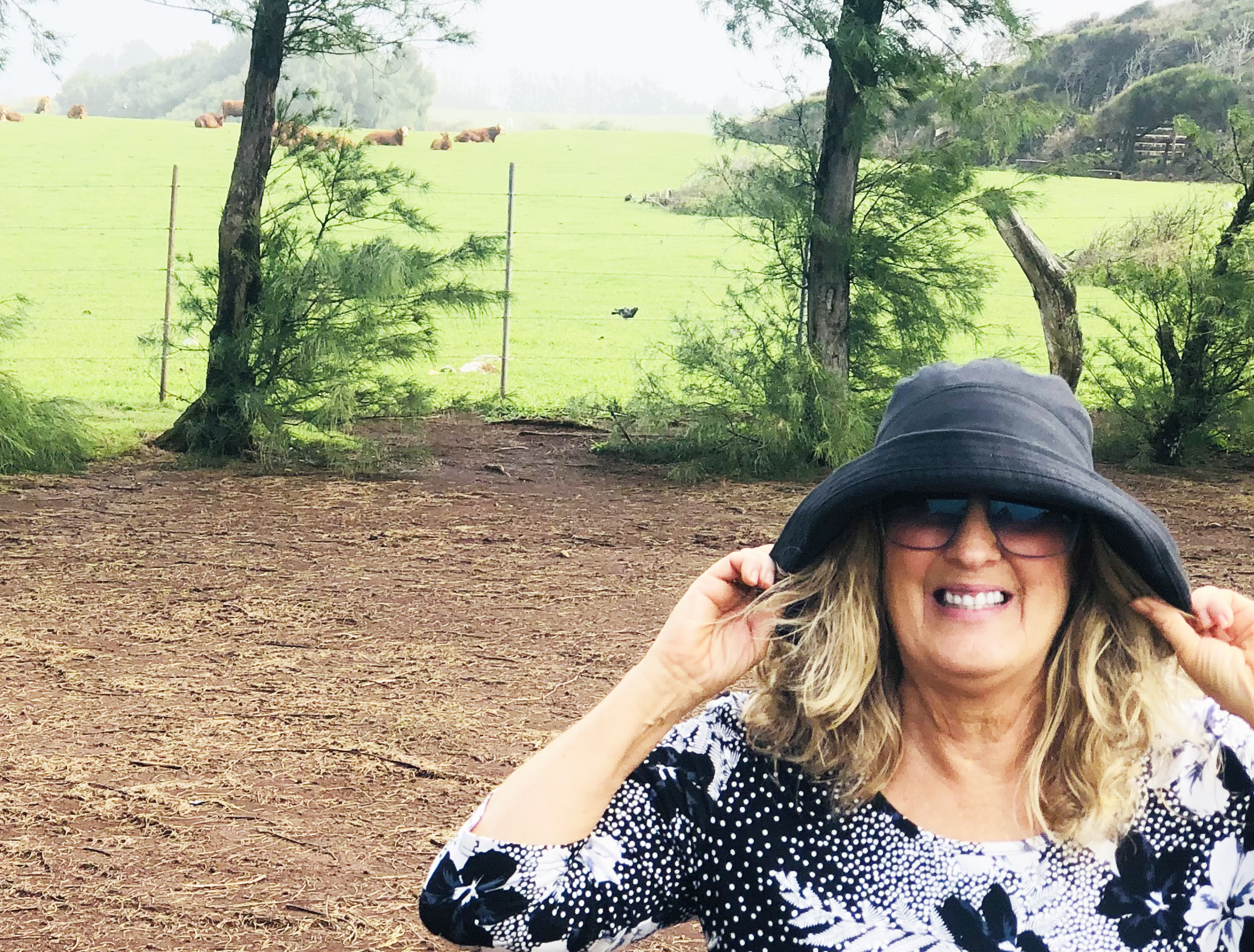
In September 2022, I wrote a column titled “Merry Maui Cows,” featuring a photograph of me with a group of Maui cows grazing in a seaside pasture.
This photo was taken in that same spot a few weeks ago, in March 2026.
Standing there again, looking out over that green hillside rolling toward the ocean, I couldn’t help but smile. I’m quite certain those cows were just as merry then as they are now, and I realized I am, too.
My husband and I had returned to Maui to celebrate our 45th wedding anniversary.
Forty-five years! I can hardly say it out loud without wondering where in the world the time has gone. The years flew by, and yet so much life happened in them: joys, challenges, ordinary days and unforgettable moments, the kind of life that shapes you.
This trip carried an extra layer of celebration for me. Since that first “Merry Maui Cows” photo, I’ve lost over fifty pounds. I found myself happily shopping for new tropical clothes, smiling in dressing rooms and picking up sizes I hadn’t worn in years. It was lighthearted fun, but it also meant something deeper to me. Change is still possible, even later in life.
At this stage of life, birthdays and anniversaries feel less like markers of time passing and more like invitations to look back, take stock and notice what has changed and what has stayed the same.
When I placed my new photo beside the one from 2022, I noticed the differences, of course. What stood out most was what hadn’t changed. I was still merry, and those two simple words felt like a quiet declaration.
Being “still merry” after years of life, with all its beauty and difficulty, says something. It says we’ve held onto joy and chosen gratitude. It says we’ve weathered what needed weathering and still found reasons to smile.
Life doesn’t stay the same, and it isn’t meant to. We get seasons of ease and seasons of challenge, moments that take your breath away and moments that take your strength. Through all of it, we can carry a steady thread of merriness forward.
It may be quiet, and life may be far from perfect, but I’m still merry. Maybe that’s enough. Maybe it’s everything.





-
 Country Lifestyle2 years ago
July 2017 Profile: J.W. Hart
-
 Farm & Ranch2 years ago
From Plow to Plentiful: The Most Important Inventions in Agricultural History
-
 Attractions9 years ago
48 Hours in Atoka Remembered
-
 Equine9 years ago
Umbilical Hernia
-
 Country Lifestyle5 years ago
The Two Sides of Colten Jesse
-
 Outdoors9 years ago
Grazing Oklahoma: Honey Locust
-
 Farm & Ranch8 years ago
Hackberry (Celtis spp.)
-
 Equine6 years ago
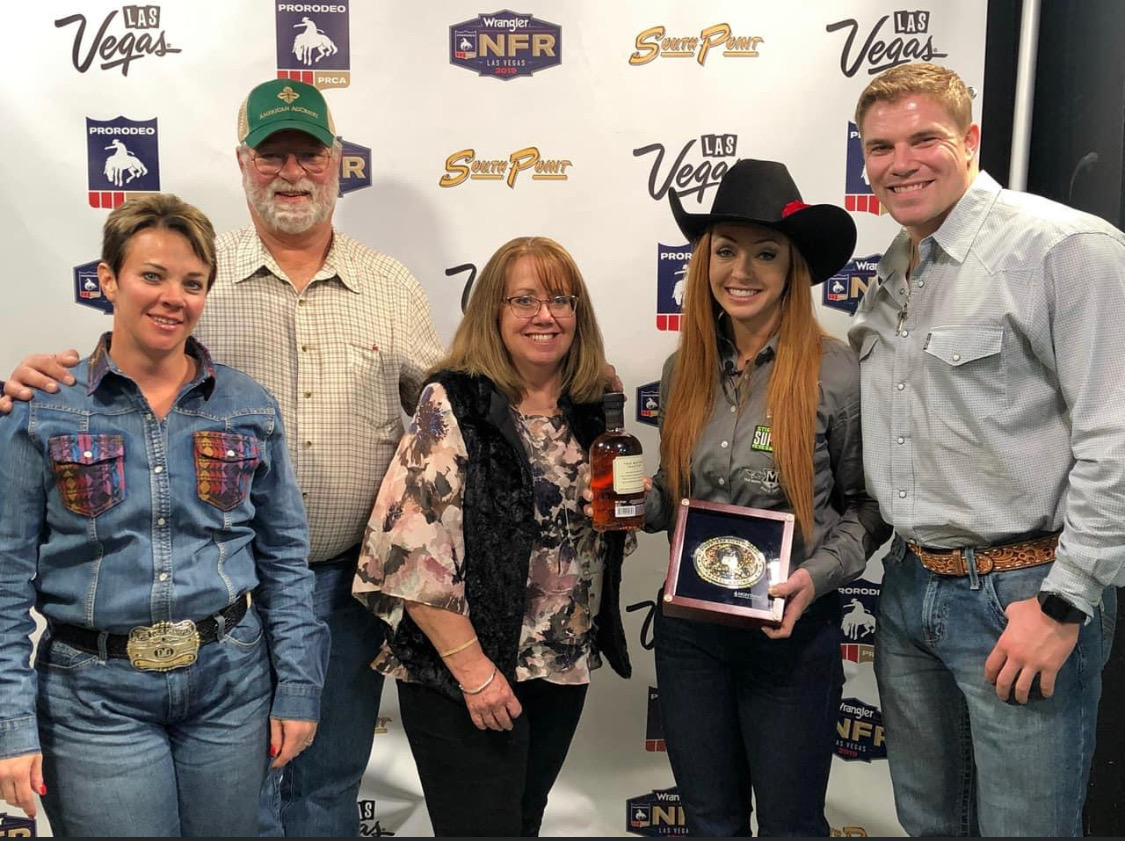
On the Road with Emily Miller-Beisel