
Outdoors
Archery seasons for Oklahoma Hunters

By Michael Newell
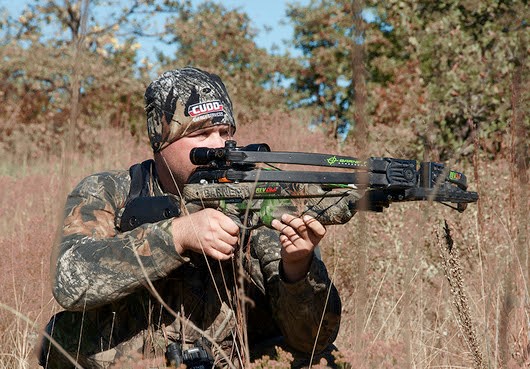
October 1 is the opening day for several major archery hunting seasons in Oklahoma. And prospects are looking good for most of those seasons, experts with the Oklahoma Department of Wildlife Conservation said.
“Oklahoma really is a land of opportunity for archery hunters,” said Erik Bartholomew, big-game biologist with the Wildlife Department. “Not only do we have several archery seasons opening Oct. 1, but they each provide ample time and opportunity for diligent hunters to go afield and have an enjoyable time in the outdoors.”
Seasons on public lands may vary from statewide season dates. Complete details and regulations for each season — including hunter education and apprentice-designated license requirements — can be found in the “Oklahoma Hunting” regulations guide, available free online at wildlifedepartment.com or in print anywhere hunting licenses are sold.
Deer Archery — Oct. 1 to Jan. 15 statewide – The most popular of the archery hunting seasons is for deer, with close to 100,000 hunters going afield last year. Those hunters took home 29,094 deer in 2017, a new archery record for the state. That also accounts for more than 27% of the overall deer harvest. And although the 2018 numbers have not been released yet, coffee shop talk seemed to reflect a good year for deer hunters, too.
And there is no reason to expect this fall to be any different. Habitat conditions are ideal for deer production.
“The mild summer weather and some timely rains have provided some much-needed relief to many parts of the state,” Bartholomew said. “We’ve had quite a few reports of does with twins and even some seen with triplets. If a doe is raising triplets, that means the habitat is in good shape.”
Persimmons and other soft mast have been in good supply in most of the state this year. And the acorn and pecan crops are looking good, as well. “Find a tree that is dropping acorns and set up your stand,” Bartholomew said.
Scouting ahead of your hunt can help pattern deer movement. And since the food resources are plentiful this year, the deer might have changed their routines from years past.
But good habitat conditions also can make visibility an issue, as many hunters experienced last year. Most forested areas have thick undergrowth, and many prairies are covered in native grasses reaching five feet in height. Hunters are going to have a difficult time seeing the deer in such conditions. Bartholomew said it is more important than ever for hunters to positively identify their targets before deciding to take a shot.
And another indicator of a good deer season ahead: summer spotlight surveys have shown that deer numbers have increased from last year.
The bag limit is six deer, which may include no more than two antlered deer. For license requirements and information on field tagging and checking, consult the “Oklahoma Hunting” regulations guide or go online to wildlifedepartment.com.
Elk Archery — Oct. 1 to Jan. 15, statewide on private lands only (except in Special Southwest Zone) – The elk herd on private lands in Oklahoma continues to grow.
“Many parts of the state have seen an increase in elk numbers, and hunters now have the opportunity to pursue them through all seasons until the zone quota is met,” Bartholomew said.
The beginning of the elk archery season coincides with the end of the elk rut, he said. “Hunters should capitalize on this and call in their first Oklahoma elk!”
For the statewide elk season, Oklahoma is divided into seven zones. Each zone has its own bag limit (one or two elk) and harvest quota. A Special Southwest Zone will be open for archery hunting on private lands (see below).
Hunters may harvest one or two elk, depending on the zone, combined for all elk seasons. All hunters must check online at wildlifedepartment.com before their hunt to find out if the season is closed for the zone they intend to hunt. Once the quota is met in each zone, the elk season will close in that zone.
Archers took 38 bulls and 37 cows in the 2017 season. Those numbers are expected to be up even more for 2018.
Bartholomew said some areas of the state are known to have good elk populations. In the Northeast Zone, he advises hunters to target Mayes, Delaware, Cherokee, Adair and Sequoyah Counties. In the Southeast Zone, pockets of elk can be found in Pushmataha, Coal, Johnston and Pontotoc Counties. And hunters in the western Panhandle should find some success.
Elk Archery Special Southwest Zone – Oct. 5-9 and Dec. 7-11 –The Special Southwest zone includes private lands in Caddo Kiowa and Comanche Counties.
By far, the largest concentrations of elk occur in the Special Southwest Zone, Bartholomew said. And while the season dates are more restrictive in this zone, there is no zone harvest quota.
The zone bag limit is two elk, but at least one must be antlerless.
To find out about license requirements, field tagging and checking, landowner permission, zone bag limits and zone harvest quotas for private land elk hunts, consult the “Oklahoma Hunting” regulations guide or go online to wildlifedepartment.com.
Bear Archery — Oct. 1-20 in Choctaw, Haskell, Latimer, Le Flore, McCurtain and Pushmataha counties only – In 2017, hunters harvested 57 black bears in Oklahoma. Of those, the majority were taken by archery hunters. In fact, 53 of the total were harvested by bow.
Jeff Ford, southeast region wildlife biologist for the Wildlife Department, said this year’s bear season could turn out better than last year’s. And hunters will have additional area in which to hunt, as the bear open zone was expanded from four counties to all or part of 12 counties in southeastern Oklahoma.
“With another cool and wet summer in Southeast Oklahoma, the bear numbers are in excellent condition,” Ford said. Mast production should be great.”
“Hunters should key in on areas with white oaks. These trees start dropping acorns in late September and are a preferred food source for bears in the fall,” Ford said.
For archery bear hunters, there is no season harvest quota. So, these hunters can be more selective in making a harvest decision since they may hunt the entire 20 days. Hunters may take only one bear for all seasons combined.
All hunters are required to have a hunting license or proof of exemption, and a bear license (no exemptions). Bear archery hunting licenses must be purchased before the season opens. No bear archery licenses will be sold after that date.
For more information about prohibited activities, field tagging and checking for bear, consult the “Oklahoma Hunting” regulations guide or go online to wildlifedepartment.com.
Antelope Archery — Oct 1-14 in Cimarron County and Texas County – After several years of severe drought, the pronghorn populations in the western Oklahoma panhandle are depressed. And any hunters who are planning a public-land antelope hunt are likely to find minimal numbers of antelope, said Weston Storer, northwest region wildlife biologist for the Wildlife Department.
Hunters lucky enough to draw into the Wildlife Department’s antelope gun hunts are the more successful of those seeking to harvest a pronghorn, but archery hunters did harvest 24 (22 bucks, and 2 does) animals last year. 128 total pronghorns were harvested in 2017, combining all the seasons.
Private lands will likely offer better chances for success, he said. “There will be some taken on private lands around watering holes,” Storer speculated.
He said several years without any appreciable rainfall along with livestock grazing have left many areas with no grass. That, in turn, creates problems for does raising fawns, as the poor habitat makes survival more difficult.
Hopefully with a wetter summer this year, and adding a couple of more to this one, we can see an increase in fawn production, and a population increase.
But for those antelope hunters wanting to make a trip, he suggested that Texas County might have better numbers of animals than Cimarron County. He based the assessment on preseason fawn counts, which showed an average of one fawn for each 3.5 does in Texas County and one fawn for each 3.9 does in Cimarron County.
By and large, the majority of pronghorns harvested in Oklahoma are done through the Wildlife Department’s controlled hunts and through landowner permits. Only about 10% of antelope are harvested by over-the-counter permits.
To find out about license requirements, season limit, field tagging and checking, and landowner permission, consult the “Oklahoma Hunting” regulations guide or go online to wildlifedepartment.com.
Turkey Archery — Oct. 1 to Jan. 15, statewide – All counties are open for the fall turkey archery season. Hunters may harvest one turkey of either sex during all fall seasons combined. Any turkey harvested statewide must be checked in using the E-Check system at wildlifedepartment.com or the new wildlife app available on cellular devices.
It’s common for deer hunters to head to the field along with the proper fall turkey license in case they get an opportunity to harvest a turkey while deer hunting.
Read more in the October issue of Oklahoma Farm & Ranch.
By Ann Asher
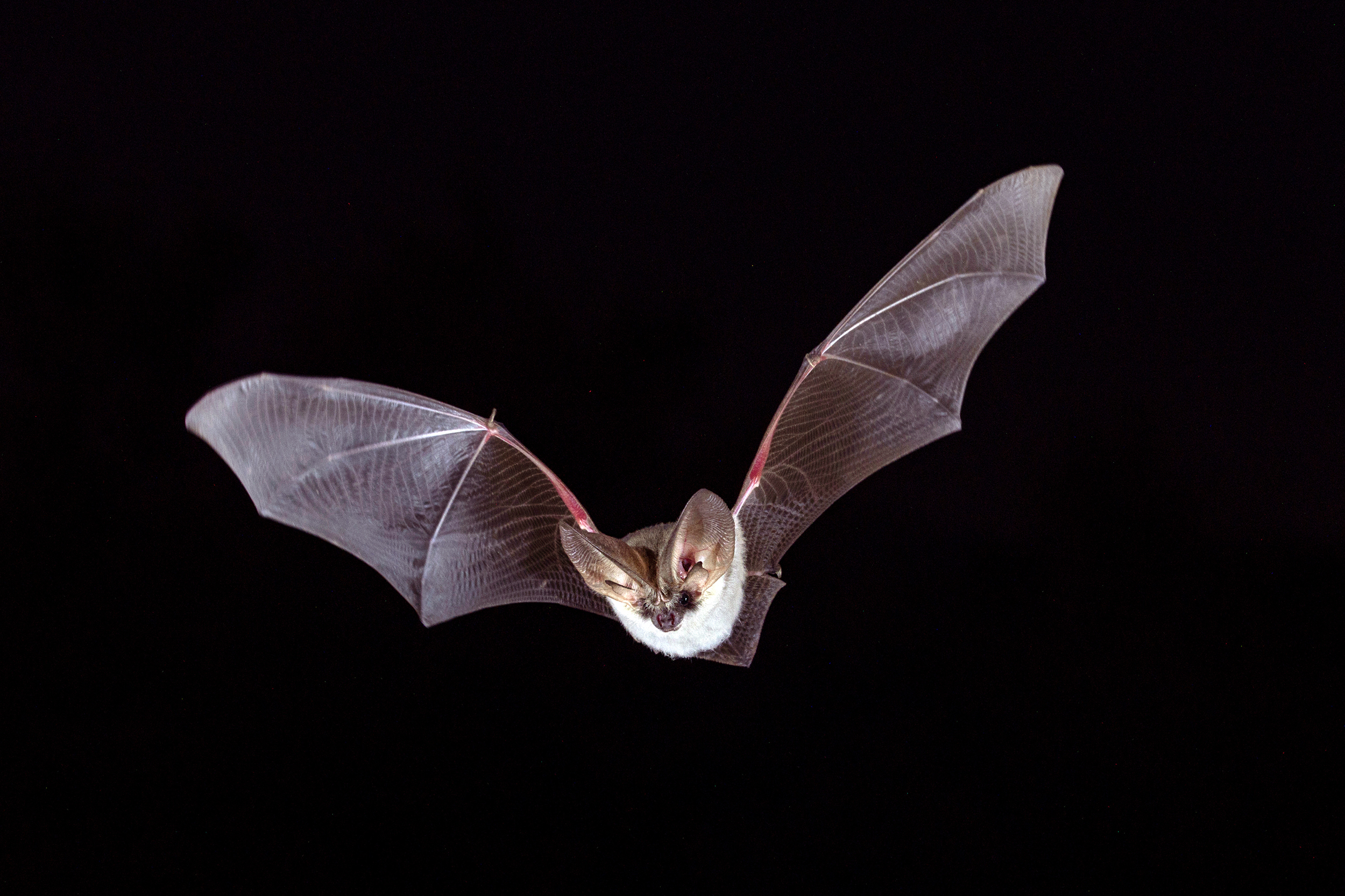
Bats have never had the best public relations team.
They come out at dusk, fly in quick, uneven patterns and have spent too many years tied to scary movies, old barns and Halloween decorations. For a lot of people, the first reaction to seeing a bat is ducking, squealing or hurrying back inside.
Out in the real world, especially across Texas, bats do quiet work most of us never see.
While we are closing gates, turning off barn lights, watering the last few plants or heading toward the house for the evening, bats are just getting started. Many of the bats found in Texas feed on insects, including moths, beetles and other night-flying insects. That makes them part of the natural system working across farms, ranches, ponds, creeks, barns and backyards after dark.
For farmers and ranchers, that matters. Insects do more than annoy you in the backyard. They can affect crops, gardens, livestock comfort and the general balance of the outdoors. Bats won’t wipe out every mosquito or pest insect on a place, but they are beneficial wildlife. They feed at night, after many birds and other daytime predators have quit for the day, which gives them their own role in the landscape.
Contrary to a common misconception, bats are not blind. Many bats use echolocation to find insects and move through the night, but they can also see. Another old fear is that bats want to fly into people’s hair. They do not. A bat flying low or close is usually chasing insects or trying to steer away, not looking for trouble.
Bats are still wild animals, though. Respect them, and don’t handle them.
Rabies is the main safety concern people think of with bats, and it is a serious one. Not every bat has rabies, but treat any bat found on the ground, acting strangely, unable to fly or inside a home with caution.
Never pick up a bat with bare hands. If a person or pet may have been bitten or scratched, or if there is any chance of contact while someone was sleeping, contact local health officials or animal control for guidance.
Common sense goes a long way. Keep pets vaccinated. Teach children not to touch wildlife. If a bat gets into a house, don’t panic, but don’t ignore it either. Close off the area if possible, keep people and pets away and contact the appropriate local professionals if there is any concern about exposure.
Around farms and ranches, bats may roost in trees, bridges, barns, old buildings or other sheltered places. Sometimes that is not a problem. Other times, especially if bats are getting into living spaces or busy work areas, you may need to exclude them.
Timing matters. In some cases, sealing an opening at the wrong time can trap young bats inside or create a bigger problem. Wildlife professionals or Extension resources can help property owners find the safest and most responsible way to handle a bat colony in a building.
Some people put up bat houses, which can be a good option when placed correctly. A bat house doesn’t guarantee that bats will move in, however. Location, height, sun exposure, temperature and nearby habitat all matter. Natural roosting areas are important, too, which is why dead trees, wooded edges, water sources and undisturbed spaces can help support bat populations.
Landowners don’t have to turn their place into a bat sanctuary. It can be enough to understand that bats have a job to do. They share the same outdoor world as songbirds, pollinators, frogs, owls, deer and the insects we notice whether we want to or not.
Bats are also a good reminder that something useful isn’t always pretty, popular or easy to appreciate at first glance.
Some of the hardest-working creatures on a farm or ranch are the ones we barely see. Bats don’t ask for attention or show themselves in daylight. They take the night shift.
The next time you see one dipping and turning through the evening sky, try not to think of it as spooky. Think of it as a neighbor clocking in after dark, doing its work while the rest of us head inside.
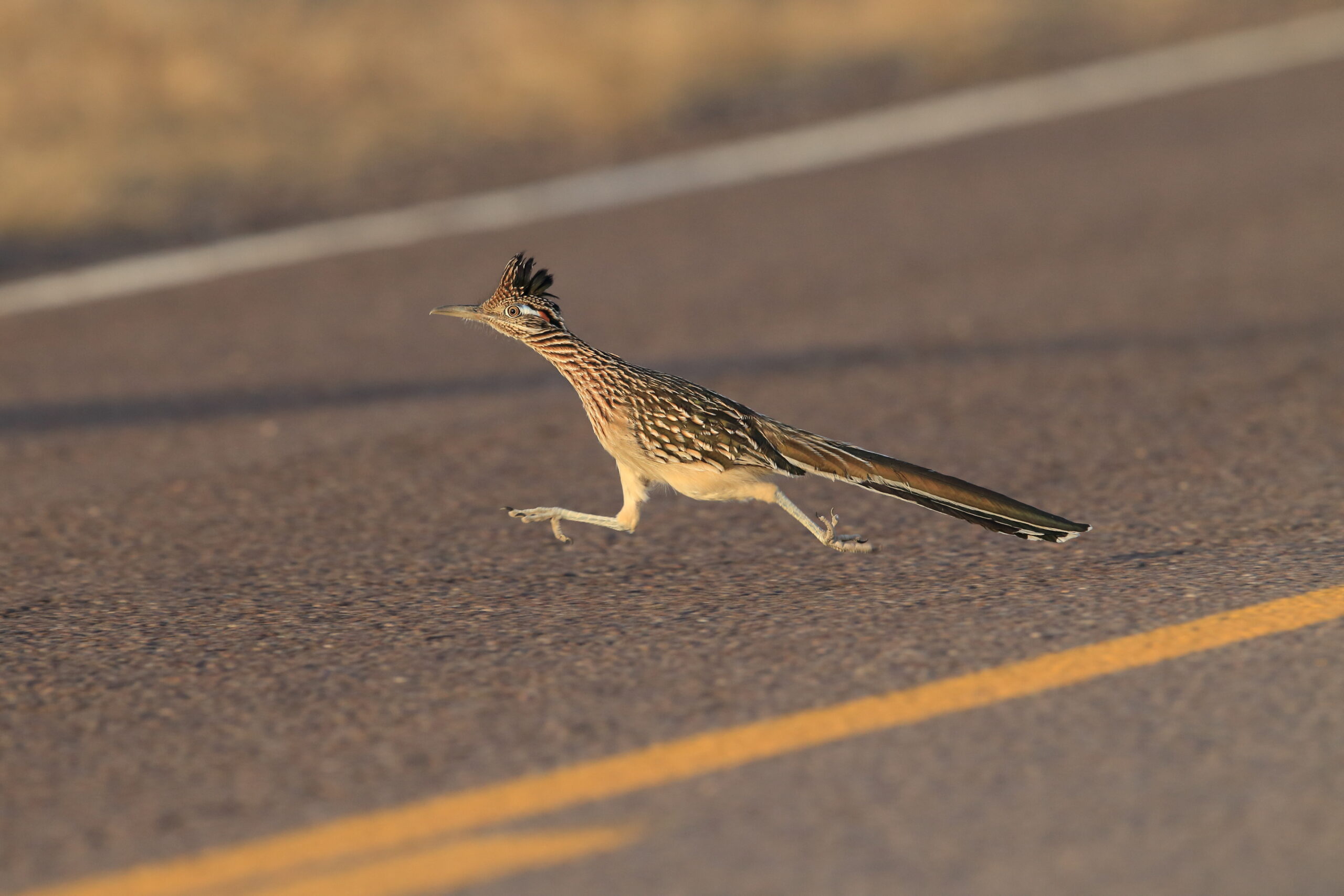
There are some birds you hear long before you see them. Others announce themselves with bright colors or a pretty song. Then there is the roadrunner, a bird most of us recognize from a quick glimpse across a county road, a flash of tail along a fence line or the unmistakable sight of a long-legged bird moving with purpose through the pasture.
The roadrunner also happens to be my mother’s favorite animal. No matter how many times she sees one, it never seems to get old. If one darts across the road or shows up along a fence line, she gets excited every time, as if it is some rare treat. I have come to understand why. There is something about a roadrunner that makes a person stop and pay attention. It is a little odd, a little comical and a whole lot tougher than its cartoon reputation ever gave it credit for.
The real bird is not just a desert runner with a famous call. It is a native predator, a skilled survivor and one of the more interesting birds found in Oklahoma.
The greater roadrunner, Geococcyx californianus, is a member of the cuckoo family, though it does not fit the delicate image many people may have of a cuckoo. This is a ground-dwelling bird built more for running than flying. It can fly when it needs to, but most of the time it would rather use its legs. Roadrunners have been reported running around 15 to 20 miles per hour, which is plenty fast enough to surprise a person when one darts across a road or disappears into brush.
In Oklahoma, roadrunners are most often associated with open country, grasslands, shrublands, fence rows, cedar breaks and pastures with enough cover to hunt and hide. They are more common in some parts of the state than others, but they are not limited to the desert image many people picture. A quiet gravel road, a brushy pasture edge or a sunny spot near a cedar thicket can all be good places to catch a glimpse of one.
At first glance, the roadrunner may look mostly brown and gray, but it is worth a closer look. Its mottled feathers help it blend into dry grass, brush and bare ground. The long tail is often held up or used like a rudder when the bird is running. The shaggy crest on its head gives it an alert, almost mischievous look. In the right light, its feathers can show more color and detail than a quick roadside sighting suggests.
One of the most distinctive things about a roadrunner is its feet. Like other members of the cuckoo family, roadrunners have zygodactyl feet, which means two toes point forward and two point backward. The track can look like an “X,” making it harder to tell which direction the bird was traveling. That unusual footprint has been part of Southwestern folklore for centuries, and it is easy to see why. Even its tracks seem to fit the bird’s mysterious, always-on-the-move personality.
While the cartoon version of the roadrunner made a living outsmarting coyotes, the real bird makes a living by hunting almost anything it can catch. Roadrunners are omnivores, but their diet is heavily made up of animal matter. They eat insects, grasshoppers, scorpions, centipedes, lizards, small snakes, small mammals, frogs, toads, eggs, young birds and carrion. They will also eat fruit and seeds, especially when animal prey is less available.
Their reputation for killing rattlesnakes is not just folklore. Roadrunners are known to take on venomous snakes, using speed, timing and repeated strikes to the head. They may also beat larger prey against the ground or a rock before swallowing it. As harsh as that sounds, it is part of what makes the roadrunner such an effective predator. This bird is not picky, and it is not easily intimidated.
That hunting ability can make roadrunners useful neighbors on farms, ranches and rural homesteads. They help control insects, rodents and reptiles, and they fill an important role in the food chain. Of course, they are not only predators. Roadrunners can also become prey for hawks, owls, raccoons, coyotes and other animals. The cartoon may have allowed the roadrunner to win every time, but in the real world, survival is never guaranteed.
Roadrunners have several adaptations that help them live in hot, dry country. Much of the water they need comes from the moisture in their prey. They also have ways to conserve energy and handle cool desert nights and chilly mornings. On cold nights, a roadrunner can lower its body temperature and become less active. In the morning, it may turn its back toward the sun and raise its feathers to expose a dark patch of skin that helps absorb heat. Anyone who has watched livestock, wildlife or even a barn cat find the first warm patch of sunshine can appreciate that strategy.
Their nesting habits are also interesting. Roadrunners often form long-term pairs, and both the male and female help with nesting and raising the young. Nests are usually built low in a tree, shrub, cactus or dense vegetation, often with sticks, twigs, grasses and other materials. The female typically lays several eggs, and both parents take part in incubation and feeding the chicks after they hatch.
Young roadrunners are not born ready to chase lizards across the pasture. Like many birds, they hatch helpless and depend on their parents for food and protection. After they leave the nest, they may continue to rely on the adults while learning to hunt. In a good year with plenty of food, roadrunners may raise more than one brood.
For all their toughness, roadrunners still depend on healthy habitat. Brushy cover, native grasses, insects, reptiles and small mammals all help support them. A perfectly manicured landscape does not offer much to a bird that hunts on the ground and needs places to hide, nest and ambush prey. On rural properties, leaving some natural cover, protecting native plant diversity and avoiding unnecessary pesticide use can benefit roadrunners and many other wildlife species.
Roadrunners are also a good reminder that Oklahoma wildlife does not have to be rare or dramatic to be remarkable. Some of the most interesting animals in the state are the ones we pass every day without thinking much about them. The bird that sprints across the road in front of the pickup is more than a familiar blur. It is a snake-hunting, sun-bathing, X-footed member of the cuckoo family that has figured out how to make a living in some unforgiving country.
Maybe that is why my mother loves them so much. A roadrunner sighting still feels like a small surprise, even in country where they belong. The greater roadrunner may not actually say “meep meep,” and it may not always outrun a coyote, but it has earned its reputation all the same. In Oklahoma, this long-tailed bird is part predator, part survivor and part roadside surprise, and that makes it worth watching for.
By OKFR Staff
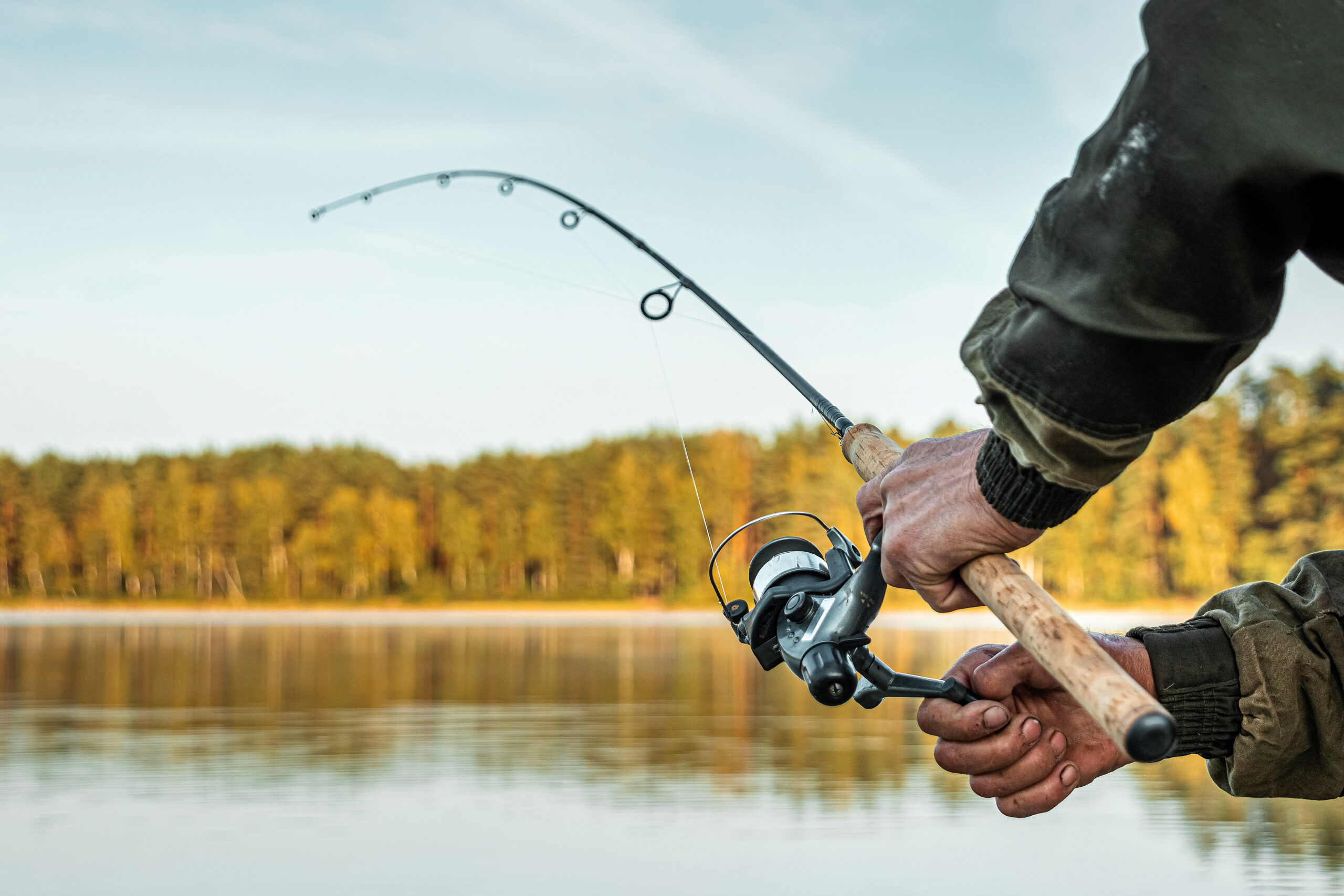
Right now, fishing in Oklahoma can feel a little like everything else this time of year.
It is hot, and the water is warm. The easy part of summer has worn off, and if you stand on the bank in the middle of the afternoon expecting fish to jump on the hook because you showed up, you may be disappointed.
The fish are doing what most of us do by late summer: looking for cooler places, easier meals and the most comfortable part of the day.
Across Oklahoma, late-summer fishing often comes down to timing. Early mornings, evenings, overnight hours and cloudy days can make a big difference. Fish may still feed during the heat of the day, but many species are more active when light is lower and water temperatures are less punishing.
The Oklahoma Department of Wildlife Conservation (ODWC) notes that summer fishing often improves during low-light periods, especially for species like catfish, which are active at night and bite on punch bait, stink bait, cut bait and other scented baits.
Catfish are one of the best late-summer targets for Oklahoma anglers. Channel catfish and blue catfish both bite this time of year, and they are a good choice for families, bank anglers and anyone who wants to keep the setup simple.
Look around creek channels, points, riprap, deeper holes and areas where wind or current may be moving food. Cut shad, worms, prepared stink bait, punch bait and other strong-smelling baits can all work. If you are fishing a pond, try near the dam, in deeper water or around structure, especially later in the evening.
For largemouth bass, August can be tough but still productive. The biggest adjustment is realizing that bass may not be where they were in spring. In hot weather, they often hold near shade, deeper water, vegetation, docks, brush, creek channels and other spots that offer cover or access to cooler water. Early in the morning, topwater baits are worth trying along the bank, around grass or near shallow cover. As the sun climbs, it often pays to slow down or go deeper with soft plastics, jigs, crankbaits or other baits that can reach fish holding off the bank.
White bass can also provide good late-summer action, especially when they are chasing schools of shad. This kind of fishing can go from quiet to exciting in a hurry.
Watch for baitfish breaking the surface, birds working over the water or sudden splashes that make the lake look like it is boiling. Spoons, slabs, small swimbaits, inline spinners and shad-colored lures are all good choices.
ODWC’s white bass guidance notes that anglers can succeed in summer by vertically jigging spoons and slabs off the bottom over ledges, a technique that works well when the fish are not visibly schooling on top.
Crappie can be more challenging in late summer, but they do not disappear. They may move deeper or hold tighter to brush, standing timber, docks, bridge pilings or other structure. Instead of beating the bank like you might in spring, look for shaded or deeper cover. Minnows and small jigs are still reliable choices, but presentation matters. Often the key is getting the bait down to the right depth and keeping it there long enough for a fish to decide it is worth the effort.
Don’t overlook bluegill and other sunfish, especially if you are taking kids fishing or want steady action. Look for them around docks, weeds, brush, rocks and shaded banks.
A small hook, light line, a bobber and a worm remain one of the most dependable combinations in the tackle box. In ponds, bluegill fishing can keep everyone interested while you wait for catfish or bass to cooperate.
No matter what you are fishing for, late summer rewards anglers who pay attention. Look for shade, baitfish, moving water, wind-blown banks, deeper edges, brush piles and places where fish do not have to work hard for a meal. In clear water, natural colors may work better. In stained water or low light, a little more scent, vibration or contrast can help fish find the bait.
August rewards smarter fishing more than harder fishing. Go earlier, stay later, and try after dark where it is safe and legal.
Bring plenty of drinking water, watch the weather and remember that heat is hard on both anglers and fish. If you are catching and releasing, handle fish quickly and get them back in the water as soon as possible.
Before heading out, check the current Oklahoma fishing regulations, including license requirements, daily limits and any lake-specific rules. The 2025-26 Oklahoma Fishing and Hunting regulations are available through ODWC, and rules can vary by species and location.
Late-summer fishing may take more patience, but plenty is still biting for anglers willing to adjust. The fish are still out there. Like the rest of us, they are trying to beat the heat.





-
 Country Lifestyle2 years ago
July 2017 Profile: J.W. Hart
-
 Farm & Ranch2 years ago
From Plow to Plentiful: The Most Important Inventions in Agricultural History
-
 Attractions9 years ago
48 Hours in Atoka Remembered
-
 Equine9 years ago
Umbilical Hernia
-
 Country Lifestyle5 years ago
The Two Sides of Colten Jesse
-
 Outdoors9 years ago
Grazing Oklahoma: Honey Locust
-
 Farm & Ranch8 years ago
Hackberry (Celtis spp.)
-
 Equine6 years ago
On the Road with Emily Miller-Beisel