
Farm & Ranch
Dr. Katie Blunk: Maintaining the Path to Sound Conservation Practices

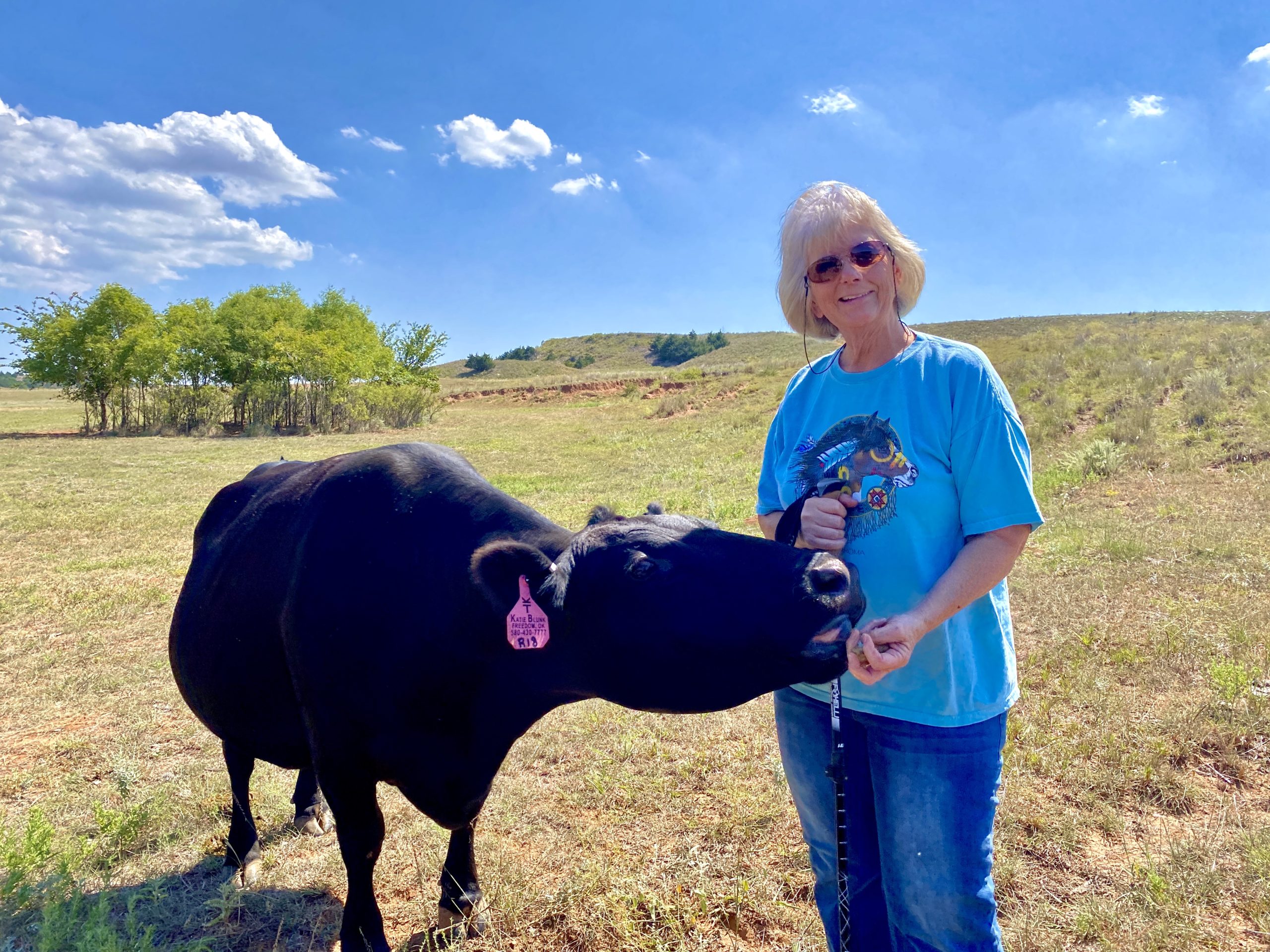
Parents clearing paths for their children isn’t uncommon.
However, what makes this story special is that Dr. Katie Blunk says the path her mother Rose Blunk cleared for her — and the land — was thick with cedars. Many Oklahomans can close their eyes envision that scene or look through their windshield and see it.
Blunk’s ties to conservation run generations deep, and are bound with strong praise for her grandparents and parents, and her husband. Still, she focusses in on the actions of her mother.
After the passing of Katie’s father, Rose was thrust head-on into managing the family lands between Kansas and Oklahoma, and was overwhelmed with the level of invasive Eastern Red Cedars she discovered on the Oklahoma ranch.
Katie’s trail blazing mother shouldered into the daunting task of cutting cedars and the unchartered territory of implementing prescribed fire on the ranch, with the financial and technical assistance of the local USDA-NRCS office.
Over the next decade, Rose eventually began to see her way out of the cedar forest, and her perseverance and dedication to being a good land steward paved the way home for Katie and Michael.
LOOKING BACK/WORKING FORWARD…
Dr. Katie Blunk was born in rural northwest Oklahoma in the town of Alva, Oklahoma, located in Woods County. Raised on the Kansas portion of the Blunk family farm and ranch operation located northwest of Hardtner, Kansas, Blunk obtained her Doctor of Veterinary Medicine degree from Kansas State University in 1980.
Her veterinary career took her to Reno, Nevada as a field veterinarian for USDA-APHIS-Veterinary Services. In 2012, after 31 years of service, she retired from veterinary medicine and relocated back to her family roots in Oklahoma. This move took her to the Oklahoma portion of the family’s ranch that is located northwest of Freedom, which is now called the Lazy KT Ranch.
Katie Blunk and Michael Horntvedt exchanged their wedding vows during a horseback wedding ceremony in 2009, on one of her favorite spots on their Oklahoma ranch; this special spot is known as Jackass Ridge. This “special location” has its own entertaining history as reflected by its name, which is a whole other humorous story that does involve real donkeys. This spot on the ranch ultimately led to the new county road designation winding into their ranch, with the road now officially named “Jackass Ridge Road.”
Their ranch is nestled in open range country in the Red Hills of Oklahoma. The Lazy KT Ranch boasts beautiful landscapes laced with ruggedly scenic red canyons and cliffs, native prairie, wildflowers, and creeks.
Blunk calls it, “A true cowboy’s dream.”
This Oklahoma cattle ranch bears fond memories from Blunk’s childhood days, where she spent summer days of her youth visiting her Grandfather Blunk. She fondly recalls that “Riding horses on Grandpa’s cattle ranch and picking wildflower bouquets were among some of my favorite things.”
Her childhood no doubt greatly influenced both her lifelong love of the land, horses, cattle, plus her career choice as a veterinarian. Now, she has come full circle back to ranching.
In addition to being good land stewards, Katie and Michael’s teamwork has built a successful cow-calf and seedstock operation.
The couple pride themselves in their Black Angus cattle operation that focuses on genetics that represent years of discipline and a commitment to produce livestock that will perform well in their environment, are economically sustainable, and create the ultimate consumer dining experience.
“Plus, we incorporate our cattle as a grazing tool to aide us with our rangeland restoration goals, trying to mimic the days of buffalo roaming the prairies laced with nature’s wildfires that reinvigorated soil health and native grasses on the prairies from the combination of fire and grazing,” Katie Blunk said.
STRONG TIES TO CONSERVATION…
Both Katie and Michael were raised with farm and ranch backgrounds which instilled a strong work ethic in them, and the notion to try and leave things better than how you found them. Coupled with these values from their upbringing was an inherent love for the land, nature and the greater outdoors.
Blunk recalls many tales from her grandparents who endured the Dust Bowl era and stories about the hardships and conservation programs that evolved subsequent to that devastating period in agriculture’s history.
She also reflects on childhood memories of how her father worked hard to capture precious water resources by building ponds, and battled erosion by building terraces in his red dirt fields.
However, again, the person she credits with the most influence on her current day involvement with conservation is her mother, Rose Blunk. What she did, cleared the way for what was to come.
In 2012, Katie and Michael began the next chapter of their lives building their home and cattle headquarters on this Northwest Oklahoma ranch. Rose had ‘’cleared the cedar path’’ both literally and figuratively.
Katie and Michael picked up the reins to carry onward with Rose’s rangeland restoration efforts. Their hard work on the ranch continues to please their matriarch in whose footsteps they have followed, Rose Blunk.
Living on the ranch today for Katie has evolved from childhood memories to an everyday reality.
“We are ready to roll on a moment’s notice to help our neighbors with a prescribed burn, and likewise are greatly appreciative of the help we receive as well,” Blunk said. “Managing the ranch has become a story of collaboration for us. It’s a story of neighbors helping neighbors to apply prescribed fire to the lands to improve the rangelands, enhance grazing for livestock and wildlife, protect water resources, invigorate wildlife populations including prairie chickens, quail, and wild turkeys, promote nectaring habitats for the Monarch butterflies and other pollinators, and to reduce the future impacts of wildfires.”
When Blunk returned to Oklahoma in 2012, she became involved with the local prescribed burn association that her mother had been a part of, which was comprised of over 50 local ranchers.
“Getting good fires on the lands soon became a passion for me,” she said. “I have volunteered my time to educate the public with speaking engagements, social media, and I serve as President of the local prescribed burn association called the Cimarron Range Preservation Association. I cannot say enough good things about the great satisfaction I get from returning to my roots and being a part of this amazing culture in rural America where neighbors help neighbors to achieve common goals of restoring the prairies.”
Blunk emphasizes that on their ranch, they are committed to ongoing land stewardship that incorporates multiple conservation practices.
Some examples are utilizing rotational grazing, patch prescribed burning to drive intensive grazing, continual cutting of Eastern Red Cedars, application of prescribed fire to different burn units on the ranch every year, fencing off sensitive riparian areas, revitalizing springs, maintaining ponds, developing solar powered water wells, mulching dead cedar skeletons, and ongoing monitoring for appropriate forage levels and adjusting accordingly the appropriate stocking rates.
She maintains that “prescribed fire is the best and most economical tool in the battle against the invasive Eastern Red Cedar”, and it is clearly a tool that she is passionate about.
Blunk has seen many benefits come from applying good fires to the land, coupled with a good livestock grazing plan, noting that grazing and good fires go hand in hand to restore the prairies for generations to come. The results are tremendous. Wildflowers abound, milkweed returns, and the native range bursts with a mosaic diversity of plant species and native grasses. Soil health improves, water and air quality are better, wildlife and cattle flourish, happy grazers and butterflies coexist, while the prairies reap the benefits of being good land stewards for generations to come.
However, there’s even more to Blunk’s conservation story. After encountering Okies for Monarchs at the state meeting hosted by the Oklahoma Association of Conservation Districts, she became a huge advocate for them.
Fun, collaborative relationships sprung forth from her Okies for Monarchs introduction, that led to her being featured by The Oklahoma Nature Conservancy in their Spring 2020 Oklahoma Impact Report about using prescribed fire on their ranch to benefit the Monarchs. The Oklahoma Nature Conservancy also had Katie do a ‘live Facebook takeover’ in the month of May, 2020, featuring an actual prescribed burn, showcasing her ranch practices and discussing benefits of conservation practices on their ranch. The TNC wrapped up that month with an interactive webinar hosting Katie in her ranch setting, about sustainable ranching and the use of prescribed fire to help Monarchs on Oklahoma Rangelands.
Blunk was also featured in a short documentary that The Oklahoma Nature Conservancy released in May 2020 from their filming on her ranch during the previous spring of 2019, with the crux being that agriculture producers like them are “on fire for the Monarchs.”
Read more in the July issue of Oklahoma Farm & Ranch.
Barry Whitworth, DVM
Area Food/Animal Quality and Health
Specialist for Eastern Oklahoma
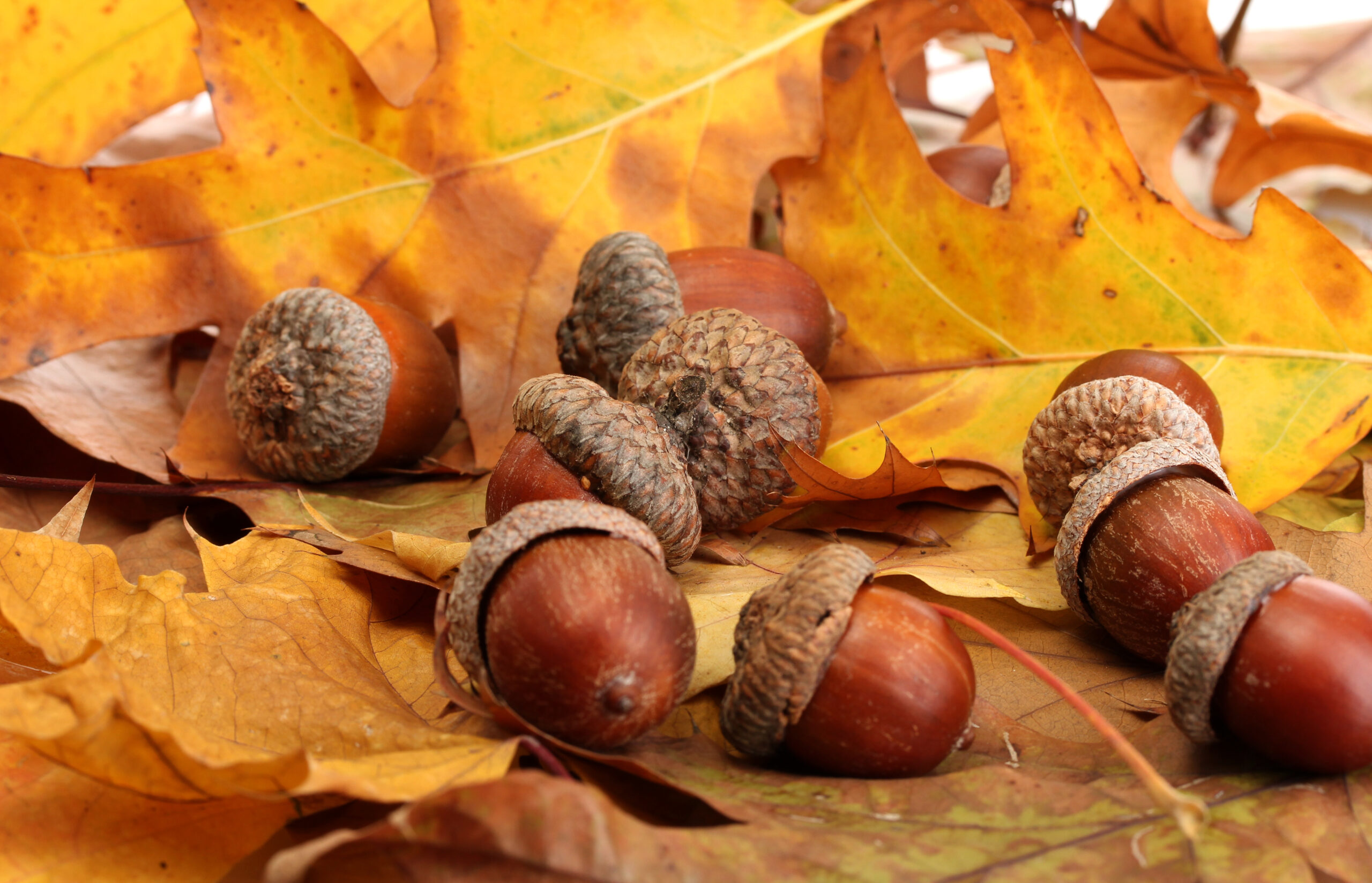
With the prolonged drought, most pastures in Oklahoma are in poor condition. With the lack of available forage, animals may go in search of alternative foods. If oak trees are in the pastures, acorns may be a favorite meal for some livestock this fall. This may result in oak poisoning.
Oak (Quercus species) leaves, twigs, buds, and acorns may be toxic to some animals when consumed. Obviously, acorns can be a problem in the fall and green acorns can be more toxic than mature acorns. When acorns form only a small portion of the diet, there are usually no signs of problems. However, consumption of large quantities may result in toxicity. Tannins in the acorns cause the toxicity. The most common tissue damaged by the tannins are the digestive tract and kidneys. Cattle and sheep appear to be more susceptible to toxicity than goats. Other animals such as horses, rabbits, and chickens have succumbed to the toxicity of oak poisoning as well. Interestingly, some individual animals are more tolerable of the toxins and show no ill effects when consuming acorns.
Clinical signs of oak toxicity usually appear a few days after consumption of acorns. Initially, the animals are weak, listless, emaciated, and anorexic. This is followed by ventral edema (swelling of lower parts of the body such as legs, chest, ventral abdomen), urinating large amounts of urine, abdominal pain, and constipation. The animal may pass hard mucus covered fecal material which may change to black tarry or bloody feces as the disease progresses. If the animal is not treated, kidney failure is likely.
A tentative diagnosis of acorn poisoning may be based on clinical signs and access to acorns. Blood tests that indicate kidney disease is another clue to the condition. A necroscopy with examination of tissues for characteristic lesions of the disease is the standard to confirm a diagnosis of oak toxicity.
Treatment of oak toxicity starts with removing the animals from the area where the acorns are located. Those animals displaying signs of the disease should be given fluids to correct dehydration and electrolyte imbalances. Mineral oil and/or activated charcoal may be given to reduce toxin absorption. If animals survive the initial toxicity, they may recover, but it may take several weeks for kidney function to return to normal.
As always, prevention is better than treatment. Producers should be very careful allowing livestock to graze in areas where acorns are present. Livestock should be fed plenty of hay and feed this fall to avoid over consumption of acorns. For those producers who cannot avoid grazing areas with large numbers of oak trees, feeding a grain mixture with 10% to 20% of calcium hydroxide has been successful in preventing problems with acorn poisoning.
Two thousand twenty-two has not been the best year for livestock producers. The drought has produced poor pasture conditions as well as very little hay. On top of those problems, feed costs continue to increase. The last problem a producer needs is a large number of sick cows. For those that graze an area with a large number of oak trees, prevention may be worth the cost this year. At the very least keep a close watch of your animals this fall. Producers wanting more information about oak toxicity, should consult with their local veterinarian or visit with their Oklahoma State University Cooperative Extension County Agriculture Educator.
Barry Whitworth, DVM | Area Food/Animal Quality and Health Specialist for Eastern Oklahoma
*Article originally printed in the October 2022 issue of Oklahoma Farm & Ranch.
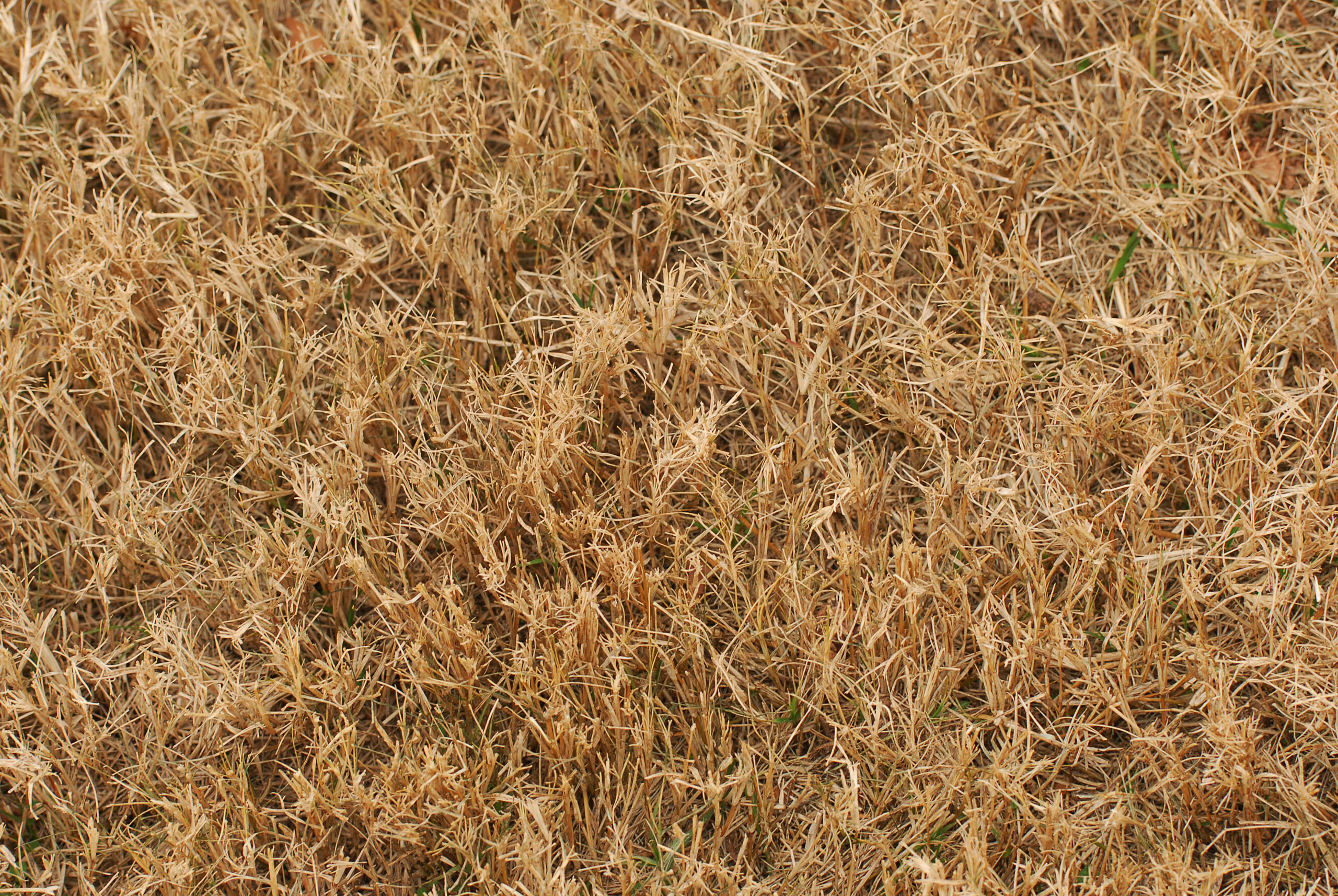
Since most of Oklahoma experienced drought conditions and with fall fast approaching, producers with fescue pastures should closely observe their livestock for any signs of fescue toxicity. According to Mike Trammel, Pottawatomie County Ag Educator and Muti-County Agronomist, fescue toxins (ergot alkaloids) tend to increase in Kentucky-31 tall fescue pastures in the fall. Some reports indicate more problems with fescue toxins following a summer drought and limited fall rains. All of this may put Oklahoma cattle at a greater risk of fescue toxicity.
One issue that cattle experience with fescue toxins is fescue foot. Fescue foot is thought to be caused by ergot alkaloids such as ergovaline. These alkaloids are produced by endophyte fungus (Epichloë coenophiala) which is in tall fescue. Ergovaline has been proven to be a vasoconstrictor which might be responsible for fescue foot and heat intolerance also known as summer slump in cattle. Other issues that may be seen with the ergot fescue toxins are reduced milk production and reproductive issues.
Clinical signs of fescue foot appear within a few days of cattle being turned on to tall fescue pastures or it may take weeks if toxins in the pasture are low. Producers will initially observe cattle with arched back, rough hair coats, and sore feet. These symptoms are more noticeable early in the morning and with cold weather. This is followed by reddening and swelling in the area between the dewclaws and hooves. The lameness usually becomes more severe with time. If no action is taken, gangrene will result in loss of tissues distal to the coronary band and declaws. If the weather remains mild, other signs such as increase respiration rate, increase heart rate, and higher body temperature are more common.
Other causes of lameness in cattle must be differentiated from fescue foot. One simple method that will help differentiate fescue foot from footrot is to check the temperature of the foot. If the foot is cold, this is an indication that the problem is more likely fescue foot.
Since there is not a specific treatment for fescue foot, the condition must be managed. Cattle need to be observed daily for any signs of lameness or stiffness during the first few weeks on fescue pastures. This should be done early in the morning before cattle walk off the stiffness. Producers should pay close attention during cold weather, especially when rain, snow, or ice are present. Any animal showing clinical signs of fescue foot should be removed from the pasture and placed in a clean environment. The animal should be fed a ration with no fescue toxins.
The best but most costly solution to reduce fescue toxicity is to renovate old pastures with new endophyte friendly varieties. If this option is not possible, producers might try interseeding fescue pastures with clovers or other grasses. This should dilute fescue toxins. Nitrogen fertilization may increase ergot alkaloids, so producers should avoid fertilizing fescue pastures with high amounts of nitrogen. Researchers have demonstrated that feeding a supplement while grazing fescue pastures reduces clinical symptoms. Some studies indicate a difference in susceptibility to fescue toxicity in some cattle. Selecting cattle based on genetic tolerance of fescue toxins is an option. (For more information go to www.agbotanica.com/t-snip.aspx)
With large areas in Oklahoma covered with Kentucky-31 fescue pastures, fescue foot as well as other fescue toxicities are not going away any time soon. Livestock producers will need to watch their livestock closely for any signs of fescue toxicity and manage their pastures to keep toxins as low as possible. If producers would like more information on fescue foot, they should consult their veterinarian and/or visit their local Oklahoma State University Cooperative County Extension Agriculture Educator.
By Barry Whitworth, DVM, MPH | Senior Extension Specialist Department of Animal & Food Sciences | Ferguson College of Agriculture | Oklahoma State University
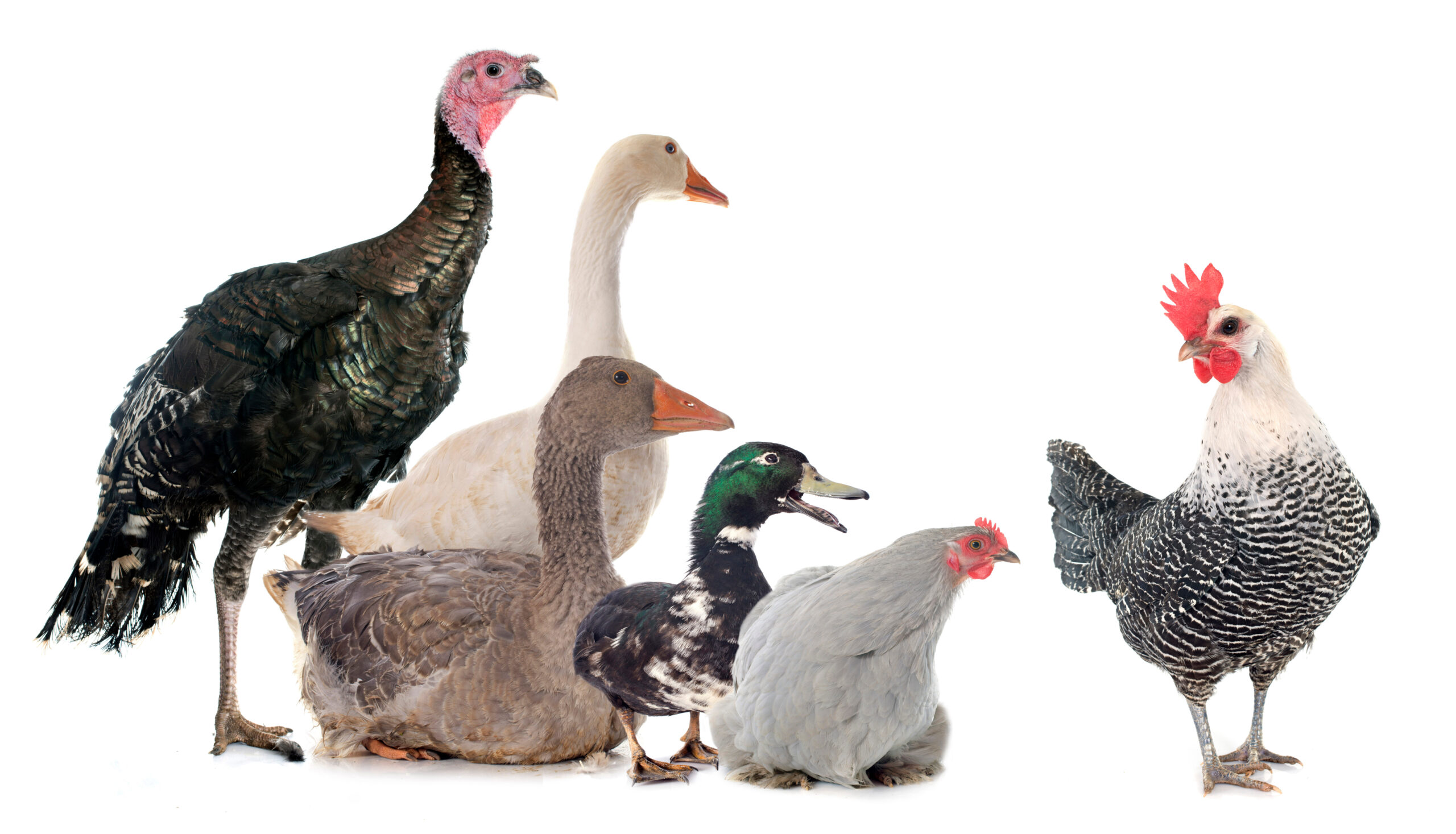
According to the 11th edition of Poultry Diseases, external parasites of poultry are arthropods that live on or in the skin and feathers. Essentially, parasites are freeloaders that live at the expense of the host. Backyard birds are infested with a variety of pests. Ticks, fleas, mites, and lice are some of the most common external parasites found in chickens, turkeys, and ducks. Several of these parasites are bloodsuckers. If not controlled, they can cause weight loss, decreased egg production, unthriftiness, and death in severe cases.
According to a study conducted by Dr. Amy Murillo and associates in California, the most common external parasites in backyard flocks were lice, fleas, and mites. Lice were the most frequently observed parasites, with the chicken body louse (Menacanthus stramineus) found on half of the premises inspected. The fluff louse (Goniocotes gallinae) was found in 35% of operations. The wing louse (Lipeurus caponis) and sticktight flea (Echidnophaga gallinacea) were present in 20% of flocks. Northern fowl mites (Ornithonyssus sylviarum), which are the most common mites found in commercial poultry operations, were detected in only 15% of flocks. However, the survey was conducted in the summer, which may have influenced the low number of northern fowl mites, since they are most active in the winter.
Birds infested with external parasites often become agitated due to skin irritation. They will spend more time preening and scratching. Their feathers may become damaged, and they may appear unhealthy. Birds showing these signs should be examined.
When examining birds for external parasites, producers should focus on the breast, back, head, vent region, and wings. Lice may be found on different parts of the body. They are yellowish in color and lie flat against the skin. Their eggs are typically found attached to the shafts of feathers. The vent area is the primary location to check for mite infestations and may appear “dirty.” Sticktight fleas are usually found embedded in the comb.
Birds should be monitored regularly. When producers are unable to examine all birds, they should focus on the young, the old, and any bird that appears unhealthy. The coop should also be inspected. Producers should examine the bedding, walls, and roosts, with close attention given to crevices and cracks where pests may hide.
Before parasite control can begin, the parasite must be correctly identified. Producers can use books or other publications for this purpose, or they may consult a veterinarian. Contacting the local Oklahoma State University Extension office is also a useful option. An agricultural extension educator may be able to identify the pest or submit samples to the Plant Disease and Insect Diagnostic Laboratory at Oklahoma State University for identification.
Prevention and control of external parasites require an integrated approach. The first line of defense is a strong biosecurity program to prevent parasites from entering the operation. Sanitation is also critical, keeping the coop and surrounding area clean helps prevent infestations.
Maintaining healthy birds is essential in preventing parasite infestations. Producers should focus on proper nutrition and disease prevention as they are key factors in maintaining a healthy flock. A strong immune system can help birds better withstand some external parasites.
Selecting the proper pesticide and using it correctly is essential. Many pests described in this article can be controlled with appropriate pesticides; however, their eggs are not killed, which requires repeated applications to target newly hatched larvae. Producers should read and follow pesticide label directions.
Alternative methods for external parasite control are also available such as providing diatomaceous earth mixed with sand for dust bathing or using sulfur bags to control mites and lice. For more information on these methods, see references below.
Finally, early identification and treatment greatly increase the chances of successful control. If infestations are allowed to become established, control becomes much more difficult.
For more information on external parasites in backyard poultry, producers may visit https://www.veterinaryentomology.org/ or contact their local veterinarian or Oklahoma State University County Agriculture Extension Educator.
References
Arends, J., J. (2003). External parasites and poultry pests. Diseases of Poultry. 11th Edition.
Murillo, A. C., & Mullens, B. A. (2016). Diversity and Prevalence of Ectoparasites on Backyard Chicken Flocks in California. Journal of medical entomology, 53(3), 707–71.
Murillo, A. C., & Mullens, B. A. (2016). Timing Diatomaceous Earth-Filled Dustbox Use for Management of Northern Fowl Mites (Acari: Macronyssidae) in Cage-Free Poultry Systems. Journal of economic entomology, 109(6), 2572–2579.
Murrillo, A.C., Mullens, B.A. (2016). Sulfur Dust Bag: A Novel Technique for Ectoparasite Control in Poultry Systems: Journal of Economic Entomology, 109(5), 2016, 2229-2233.





-
 Country Lifestyle2 years ago
July 2017 Profile: J.W. Hart
-
 Attractions9 years ago
48 Hours in Atoka Remembered
-
 Farm & Ranch2 years ago
From Plow to Plentiful: The Most Important Inventions in Agricultural History
-
 Equine9 years ago
Umbilical Hernia
-
 Country Lifestyle5 years ago
The Two Sides of Colten Jesse
-
 Outdoors8 years ago
Grazing Oklahoma: Honey Locust
-
 Farm & Ranch8 years ago
Hackberry (Celtis spp.)
-
 Equine6 years ago
On the Road with Emily Miller-Beisel