
Equine
Raising the Bar – Cody Hollingsworth

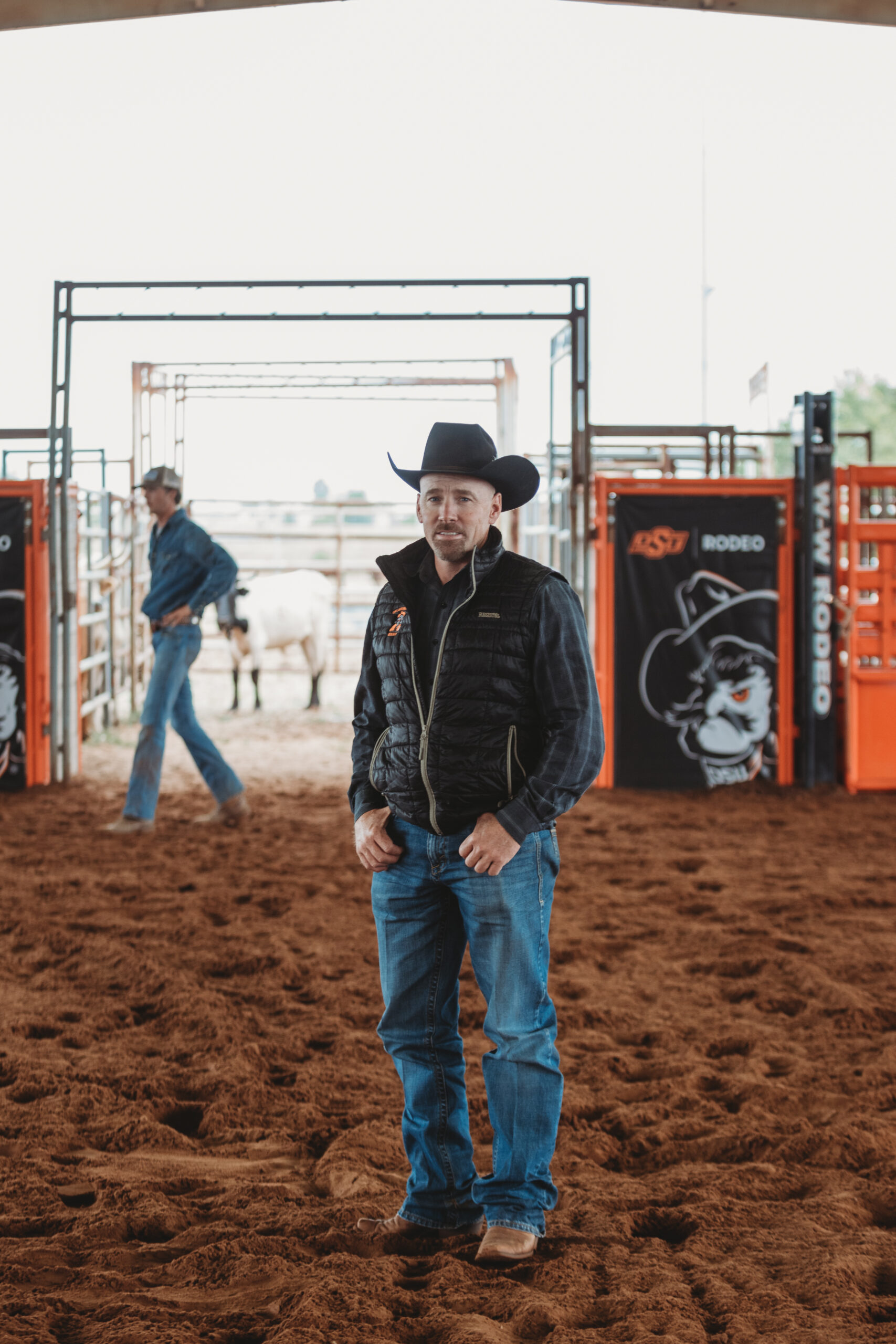
When Oklahoma State University Alumnus Cody Hollingsworth was first approached to take the reins of the college’s rodeo team, the partnership was obviously a perfect fit.
The Colorado cowboy had attended Oklahoma State and competed as a bull rider on the rodeo team in the mid-1990s before transferring back to his home state, where he earned his Bachelor of Science degree in agricultural business and animal science.
The pull from Stillwater was strong, so in 2009, Hollingsworth, his wife Katie, and daughter Lyndsey packed their bags and moved south, settling in just miles from the campus. The Hollingsworths owned a marketing agency called Western Integrity Agency, which specialized in the equine and rodeo industry.
Shortly after the move, they were approached for a sponsorship by then OSU student and Rodeo Team member Courtney DeHoff. “Of course, with my ties to OSU rodeo, it was almost an immediate ‘yes’ when we saw what it was for. So, we agreed to sponsor, but said they had to let us help with the sponsor packets through our marketing company,” he recalled. “We just volunteered to dive in to help with the sponsorships and other stuff. That started the relationship with the team.”
Barely a year later, several rodeo team donors and supporters, requested a meeting to discuss officially running the program. “It all just fell into place after that,” he said.
Day to Day
With the title of Rodeo Program Coordinator and Head Coach, Hollingsworth wears many hats throughout the day. Typically, each morning begins with office hours, during which time he handles program duties ranging from recruiting to fundraising to managing the facility.
He also works directly with students to ensure their academics are in order. “I also work with the Student Success Center in the Ferguson College of Agriculture doing academic advising,” he explained. “As proud as we are of the students who compete on the rodeo team for the success they have in the arena, it’s even more important that they find that success in a career when they graduate.”
Shortly after lunch, he moves to the rodeo facility, located northwest of town. He and his two graduate students, Lariat Larner and Zane Grigsby, begin the regularly scheduled practice at 3 p.m.
The practices are scheduled Monday through Thursday, with every team member honing their skills. Practices for the various events are typically staggered throughout the afternoon, ensuring each member gets the time and coaching they need. “I try to be everywhere and help out as much as I can for each event, and luckily I have Lariat and Zane assisting with managing, organizing, and running practice,” Hollingsworth explained.
The OSU Rodeo Team facilities makes practicing multiple events at one time relatively painless. The large outdoor arena is typically used for barrel racing and team roping, and an additional calf lane is utilized by the calf and breakaway ropers. There is also a smaller covered arena that houses the bucking chutes, although it is large enough to accommodate the other events in the case of implement weather.
Although a bull rider himself, Hollingsworth has developed a knowledge of all the events. “It’s definitely been a challenge to learn as much about each event as possible so that I can be helpful to all the members of the team,” he admitted.
There is one speed event that he’s become even more well-versed at over the years – barrel racing. Both Katie and Lyndsey run barrels, and the family has raised and trained several of their own futurity and rodeo horses. “I have some techniques and knowledge in a few areas you might not expect,” he said with a laugh.
Challenges & Accomplishments
While a dream job, Hollingsworth knew there would be challenges along the way. The first being the restructuring of how the program was ran. “It was entirely a student-run organization before I came on. They had a volunteer faculty advisor, and it was less organized. The students were used to just doing their own thing, and so that first year definitely demanded some work to get things organized and running smoothly so that the students could continue to improve,” he shared.
The other obstacle? Funding.
“I would get comments like, ‘Why doesn’t the school just fund this or fund that?’ It’s just like anything else in that trying to create funding where there was no line item in the past for that was very difficult. Everyone does all they can to balance their budgets and make things work well, and then when something is added in that hasn’t been funded before, it can be tough,” Hollingsworth explained.
He gives a large amount of credit for the Rodeo Team’s current financial situation to Cynda Clary, the Associate Dean of the Ferguson College of Agriculture, who was hired shortly after Cody. “She has given us a great bit of help and has tried to add that funding and find extra in the budget. Honestly, I don’t know how long this position would have lasted if it wasn’t for her and her work there,” he said.
Now, the Rodeo Team is able to provide scholarships to worthy students, maintaining and developing the facility, as well as travel support for the students. Over the years Hollingsworth and the team has grown the fundraising efforts, which are highlighted by the Cowboy Ball held each February. “We are always looking for ways to expand scholarships and build on our facilities,” he said. “Donor opportunities are currently available. If someone is interested in donating, they can contact me directly or visit with Dusty Bedwell at the OSU Foundation.”
Finally, the incredible growth of the program has been a double-edged sword, causing logistical difficulties in practice and travel. When the National Intercollegiate Rodeo Association announced, as did the NCAA, that college seniors would have another year of eligibility, the number of team members increased even more.
“When I first started, there were maybe 20 students in the organization, and I never took more than a dozen students to the rodeos,” Hollingsworth remembered.
This year the program boasts 54 students, with nearly 50 traveling to the first two rodeos of the season. “Everyone is a little bigger and busier than normal, but that’s why it was important to develop the graduate assistant positions. We had one already, but we grew so much we were able to add a second one,” he said.
Those challenges are worth it, as the OSU Rodeo Team has become a regular contender at all levels of collegiate competition. In 2019, the women’s team won the Central Plains Regional Championship, punching their ticket to the Collegiate National Finals Rodeo. Each year, the Cowboys can boast of taking several students to the CNFR. “It is extremely gratifying to see the program grow so much. Embracing that growth and raising the bar in competition as high as the team has is very rewarding,” Hollingsworth said. “When I got here, the students didn’t have a lot of support. You’d have a few decent students every now and again, but now we are at the point where we always have competitive students, and we’re able to build on that consistency.”
Although Hollingsworth can be found across the country attending the major youth rodeo events such as the National High School Finals Rodeo and the International Finals Youth Rodeo to recruit members, the success of the team now regularly draws talented individuals to Stillwater.
While talent in the arena is an important component of a prospective student’s resume, their performance in the classroom and drive for career success carries just as much weight. “The main thing a high school or junior high student – one that wants to compete on the rodeo team – needs to focus on is academics. We want to ensure we recruit students who are going to be successful,” Hollingsworth said. “They are student athletes, but they know they can come to a Division One school, get a quality education, and still get to be on a competitive team.”
He added that once those students begin to progress through high school, they can send in videos of their competition runs and their accomplishments. “We will look at those, and that will ensure they’re on our list of students to watch and be aware of,” he said.
By Summer McMillen
As the land starts to thaw and cowboys and cowkids everywhere are gearing up for spring there is one specimen in particular that is dreading the coming season. And that is ponies. Or more specifically, kid horses.
Let’s look at life from the kid horses point of view for a second.they have the winter off. They’ve gotten to enjoy some much needed R&R in the back pasture. Their hair has gotten long and so have their hooves. They’ve spent the winter feasting on native grasses, alfalfa, and the occasional bucket of grain when it’s was especially cold.
They’ve gotten to wonder aimlessly while the real work horses were still being caught for essential tasks. The most work these kid horses have had to endure the last few months were being tied to the arena fence to get the cockleburs brushed out of their tail.
Yes, life has been calm for these kid horses. But, there is a season for everything and the season for being used and abused is fast approaching.
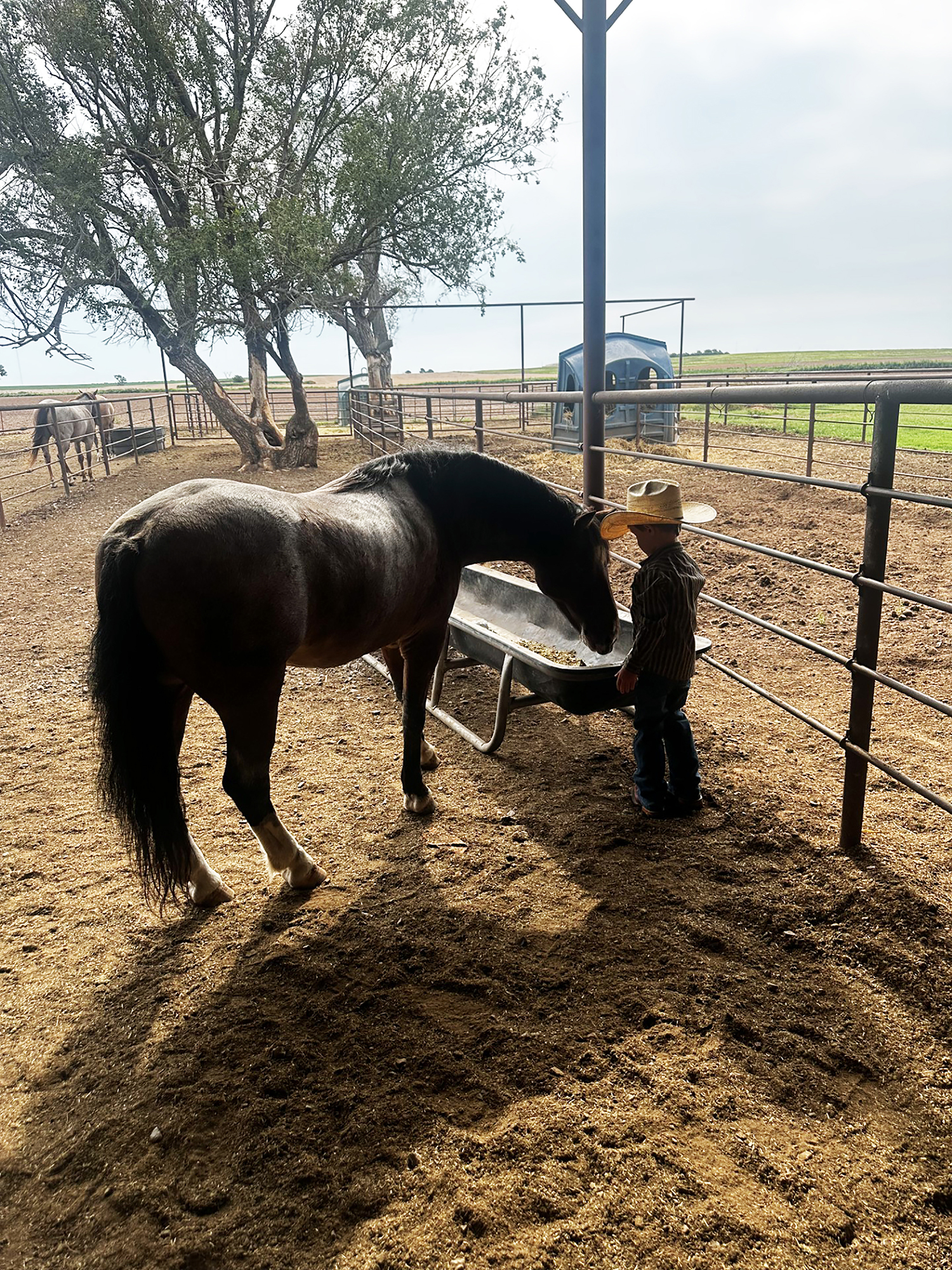
My own children all share a little pony they affectionately call “Rubble.” He is a certified welsh pony that is as tall as he is wide and is as passive as he is…not. They spend summers riding him bareback. And when they aren’t riding him bareback they are riding him fully saddled. Tiny little bit in his mouth being yanked in every which direction.
The little fellow takes everything in stride. But I can feel him starting to resent me from the back pasture already. Every time I carry him some feed he gives me a look that just screams “please keep all three of your children away from me forever please.” I laugh at him and tell him he doesn’t mean it and then he runs away as fast as he can. It’s a special bond.
Kid horses are funny like that. We entrust them with the lives of those most special to us. We saddle them up and throw the little cowkids on them and assign them small tasks like moving 200 pairs to a new pasture or, holding the herd while dad doctors wheat cattle. More often than not, the young partners get their job done. Sometimes in unlikely ways.
Last summer my daughter hopped up on Rubble bareback and was going to trot down the road and get our mail. A simple and harmless task I thought. I was proud of her for taking the initiative. I was also proud of her when I looked out the window, saw the little pony start crow hopping with excitement and the unassuming 8-year-old being catapulted in the ditch. Instead of crying she climbed back on. Tenacity, I thought. That’s what kid horses are good at teaching.
A few months later I was watering all our geldings. The three kids whom I raised, better known as the three amigos, were all harassing the little pony. My youngest son decided it was his turn. He climbed up on Rubbles back as proud as a peacock. But, he couldn’t help himself. He wanted to look that pony in the eye. So he starts leaning. Farther and farther until he leaned all the way to the ground. Lost a boot in the process. Instead of rushing to his side I waited for the tears. He was only two years old at the time after all. Instead his face was filled with glee. Joy, I thought. That’s what kid horses are good at teaching.
My middle boy is afraid of heights. So mounting a horse has been tough for him. When we introduced Rubble, I wasn’t sure he could even manage his height. After a little encouragement he donned his chaps, boots, and hat with a turkey feather in it and mounted the little horse. In a matter of five minutes the little cowboy had rubble trotting around the arena with his hand in the air and his spurs in his neck. (Gently of course.) Confidence builder, I thought. That’s what kid horses are good at teaching.
While, most of the time kid horses are a nuisance. Eating all our alfalfa and requiring special horse shoes to function properly.. they are more often than not a priceless gift. Teaching the ones we love most how to have tenacity, joy, and confidence.
While the ponies in our life may love their time off in the winter you can’t convince me that they don’t love their jobs in the spring. Even if it’s just a little bit. When that little cowboy shoves a bucket of grain in their face after a job well done together, the ponies head sits a little higher and so does that little cowboys hat.

By Garrett Metcalf, DVM
A foot abscess is a common occurrence in horses throughout the year, with wet weather often contributing to an increase in cases. These abscesses can cause significant pain, lameness, swelling, and overall misery, making it important to address them quickly and manage pain to keep the horse comfortable. There are various methods used to treat foot abscesses, and this article will outline techniques to evaluate and treat them as efficiently as possible.
A foot abscess is a localized or sometimes diffuse infection trapped between the sensitive and non-sensitive laminae within the hoof capsule. Abscesses may develop spontaneously due to everyday stress and environmental factors that allow bacteria to penetrate down to the sensitive tissues. Other causes include penetrating injuries to the sole from nails, sharp rocks, or even thorns. Poor hoof care and misdriven shoeing nails can also lead to abscess formation. Common sites include the white line, where the sole and hoof wall meet, and the bars of the heels.
The level of lameness caused by a foot abscess can vary, but it often results in visible discomfort at the walk and can even cause non-weight-bearing lameness. Swelling that begins at the foot and moves up the leg may occur, particularly if the abscess migrates and ruptures at the coronary band. These cases are often referred to as “gravel” abscesses, which are simply abscesses that find the path of least resistance and exit at the coronary band, creating a draining tract. In some cases, especially involving a hind foot, the horse’s movement may appear so abnormal that it mimics neurological issues, confusing owners and veterinarians.
Diagnosing a foot abscess begins with a lameness exam. Most affected horses will be visibly lame at the walk, though in some cases a trot may be necessary to detect the issue. Regional nerve blocks can help confirm that the pain is originating from the foot and not another part of the limb. Horses with abscesses often show an increased digital pulse and, occasionally, noticeable heat in the foot. The bounding pulse is due to inflammation and is most easily felt just above the hoof near the ankle. If the horse is shod, removing the shoe is often necessary for a thorough exam. Hoof testers are useful in identifying the most painful area, and horses with abscesses are typically reactive to pressure. Cleaning out the foot with a hoof knife is important for exposing any defects or tracts in the sole or frog. Often, a dark spot or line will lead to the source of the abscess.
There are multiple ways to treat an abscess, and opinions vary widely, but my preferred approach is to open the abscess as soon as possible. This provides nearly immediate relief for the horse and allows the infection to begin resolving. A sharp hoof knife or loop knife is a reliable tool to open the abscess and create drainage through the bottom of the foot. Allowing the abscess to drain from the sole reduces the risk of a gravel abscess and makes it easier to treat the area with topical poultices. After opening, it’s important to bandage the foot both to draw out remaining infection and to keep the area clean.
A large baby diaper makes a simple, effective bandage. It’s absorbent and fits the hoof well. Secure it with layers of Vetrap, duct tape, and Elastikon, or place the hoof in a medicine boot to keep it protected. Poultice choice is often based on personal experience and availability, but the goal is the same — to draw out infection and prevent contamination. Products like Magna Paste, an Epsom salt-based poultice, are effective, as is a homemade mix of sugar and Betadine. There are many other options, but whatever product is chosen should be safe and offer antimicrobial properties.
In some cases, an abscess may be difficult to locate or open. Soaking the foot in warm Epsom salt water can help soften the hoof and encourage the abscess to rupture or become easier to identify. Pain management is also helpful while waiting for the abscess to surface. If the abscess continues to recur or proves difficult to treat, radiographs can help evaluate the hoof’s internal structures. While most abscesses don’t show up on X-rays — since the fluid is the same density as the hoof — they may be visible if gas is present within the abscess. Radiographs are especially important in cases of puncture wounds, to ensure deeper structures like the coffin joint or navicular bursa aren’t involved. In cases of penetration, it’s best to leave the foreign object in place until X-rays are taken, which helps determine the extent of the injury and what structures may have been affected.
While preventing all foot abscesses isn’t always possible, good hoof care goes a long way. Regular trimming on a consistent schedule helps maintain healthy laminae and prevents stretching of the white line, which can allow bacteria to enter. Careful shoeing practices, including proper nail placement, can further reduce the risk of abscess development.
Foot abscesses are painful, frustrating, and often sudden — but with proper diagnosis, drainage, and aftercare, horses typically recover well and quickly return to soundness.
When I was younger, I saw plenty of old Westerns. They were fun to watch, but one part always stressed me out. Inevitably, a cowboy would get shot or thrown from his horse, and while the cameras stayed on the fallen rider, I worried about the horse. Would it wander around lost on the prairie, never finding its way back? The truth is, most horses know exactly where home is. Turn one loose, and it will drift toward the barn. Ride one out, and the trip away from home feels steady, but the return picks up pace the moment the barn roof comes into sight. We even have a name for it: barn sour.
Horses are prey animals, and survival has always depended on familiar ground. For a domestic horse, the barn means food, water, and the company of the herd. Ethologists (scientists who study animal behavior) point out that horses are quick to learn patterns. When hay and grain appear in the same place every day, that spot becomes magnetic. Over time, repetition lays down mental trails as clearly as cattle wear down physical ones in a pasture. What appears to be stubbornness is actually instinct. The barn equals safety, and safety equals survival. Riders from cavalry days to modern ranches have written about horses quickening their pace on the way home. And though the land changes, that pull never does.
People are not so different. We all have barns in our lives — comfort zones we gravitate toward, routines that steady us. They serve a purpose. Like a horse standing at the gate, we lean on safe ground when life feels uncertain. But the pull can also hold us back. A horse that refuses to leave the yard never discovers what lies beyond the fence, and the same is true for us.
That balance shows up in history too. Old cattle trails once served their purpose, guiding herds north and helping to build economies. But when railroads and fences changed the landscape, those well-worn tracks became ruts. Progress required new paths. Our own habits work the same way. Some keep us grounded. Others only circle us back to where we started.
When I see my horses drifting toward the barn, I think less about impatience and more about instinct. They are drawn to the familiar, and so am I. The barn matters. It is the anchor point, the place of rest. But the pasture matters too, because growth is waiting outside the gate.
Those old Westerns had it right in at least one way. The cowboy’s horse was never going to wander off aimlessly. It would head back to camp, back to the barn. That simple truth still plays out in every pasture and arena today. Horses know where home is. The question is whether we will let the pull of our own barns keep us tied too tightly, or whether we will use them as a base to step farther into the wide-open ground ahead.




-
 Country Lifestyle2 years ago
July 2017 Profile: J.W. Hart
-
 Attractions9 years ago
48 Hours in Atoka Remembered
-
 Equine9 years ago
Umbilical Hernia
-
 Outdoors8 years ago
Grazing Oklahoma: Honey Locust
-
 Country Lifestyle4 years ago
The Two Sides of Colten Jesse
-
 Farm & Ranch7 years ago
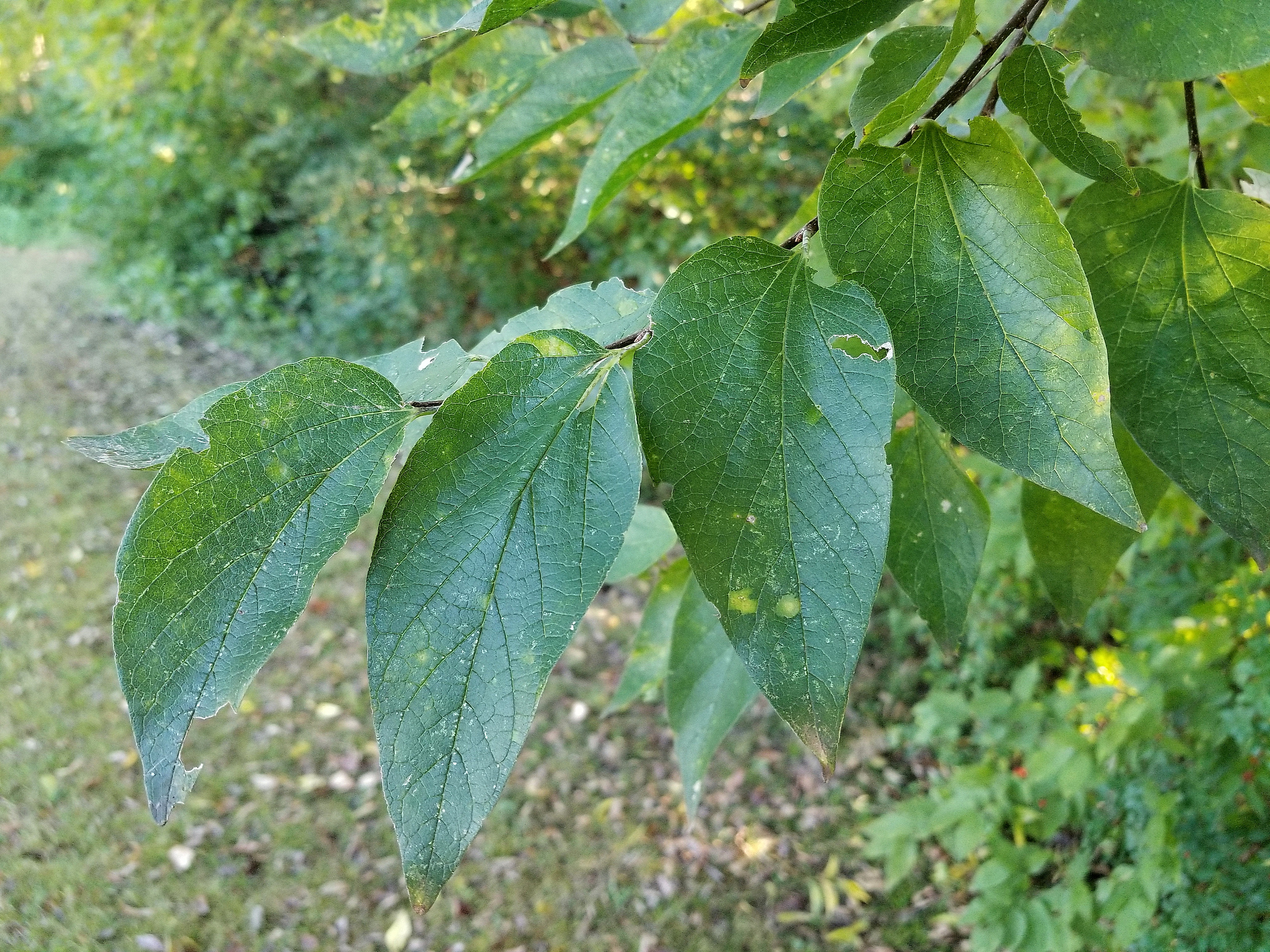
Hackberry (Celtis spp.)
-
 Farm & Ranch1 year ago
From Plow to Plentiful: The Most Important Inventions in Agricultural History
-
 Country Lifestyle10 years ago
The House a Treasure Built